




Last updated: October 2026
To stay well in winter, get morning daylight, keep moving, protect your sleep, eat warming balanced meals, keep your home at least 18°C, take 10 micrograms of vitamin D a day from October to March as the NHS advises, and check if you can get a free flu vaccine. Cosy rituals and time with people help your mood too.
This complete guide covers winter mood, energy, sleep, immunity, nutrition, movement, staying warm, Christmas and the January dip, with a simple weekly plan and links to our in-depth guides on each topic.
Why winter is harder on body and mind
| What changes | What it can do |
|---|---|
| Less daylight | Shifts your body clock, keeps the sleep hormone melatonin higher for longer, and is linked to lower mood |
| Weaker sun | From October to March, UK sunlight isn’t strong enough for your skin to make vitamin D |
| Cold weather | We move less, stay indoors more and spread more colds and flu |
| Darker evenings | Especially after the clocks go back. See clocks going back |
| The festive season | Late nights, more alcohol, rich food, money worries and busy diaries |
None of this means winter has to be miserable. A handful of habits make a real difference.
1. Daylight: your most important winter habit
Morning light is the strongest signal to your body clock. It helps you feel alert in the day and sleepy at night, and brighter days are linked with higher levels of serotonin, a brain chemical involved in mood.
- Get outside within an hour of waking, even for 10 to 15 minutes. A cloudy winter day is still far brighter than indoor light.
- Walk at lunchtime if you work indoors.
- Sit near windows at home and work.
- Open curtains straight away in the morning.
See how to boost serotonin naturally and how to reset your body clock.
2. Vitamin D from October to March
The NHS advises everyone in the UK to consider taking 10 micrograms of vitamin D a day from October to March, because we can’t make enough from winter sunlight. Some people, such as those who are rarely outdoors or have darker skin, are advised to take it all year. Vitamin D contributes to the normal function of the immune system and the maintenance of normal bones and muscle function.
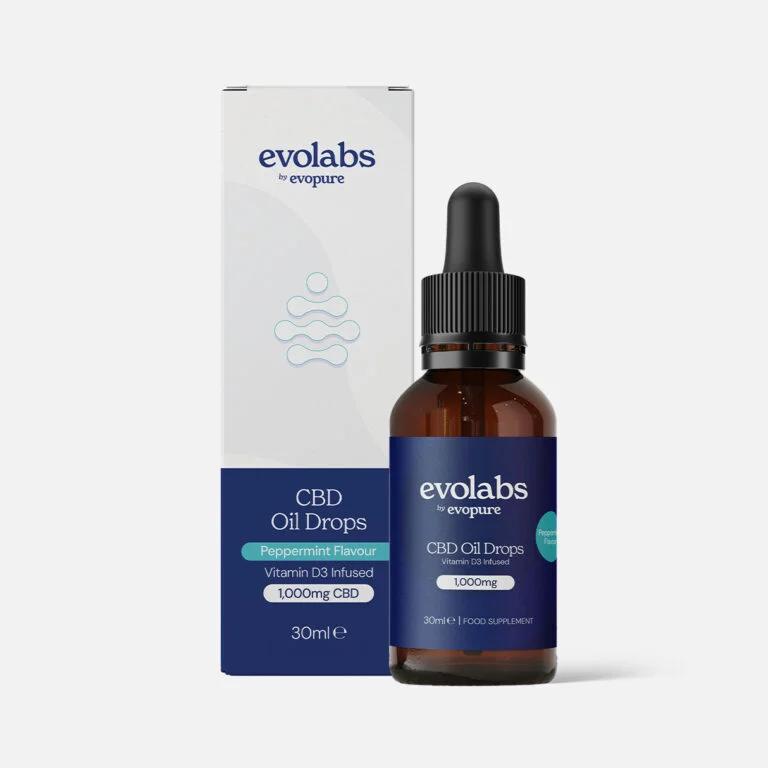
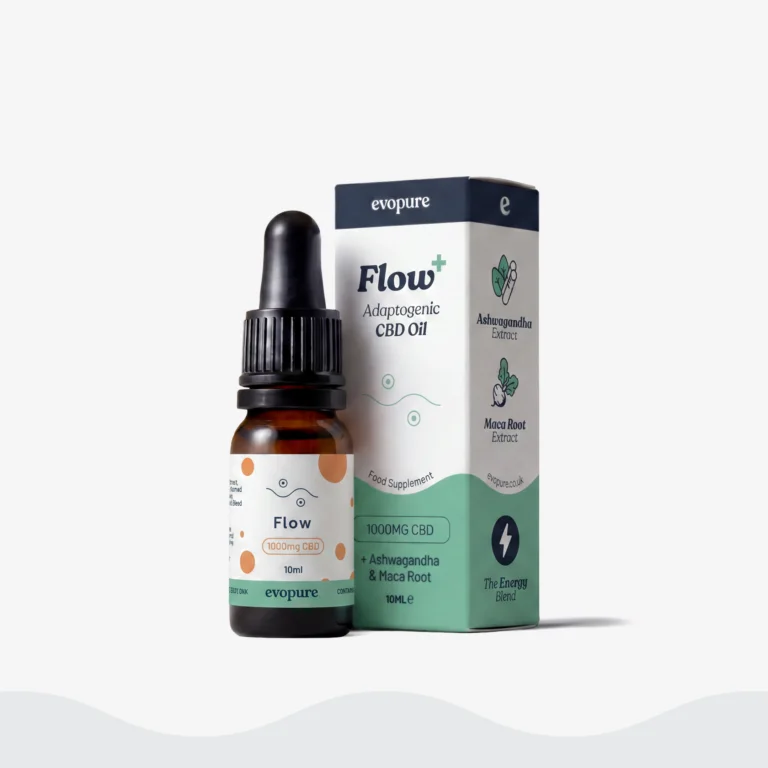
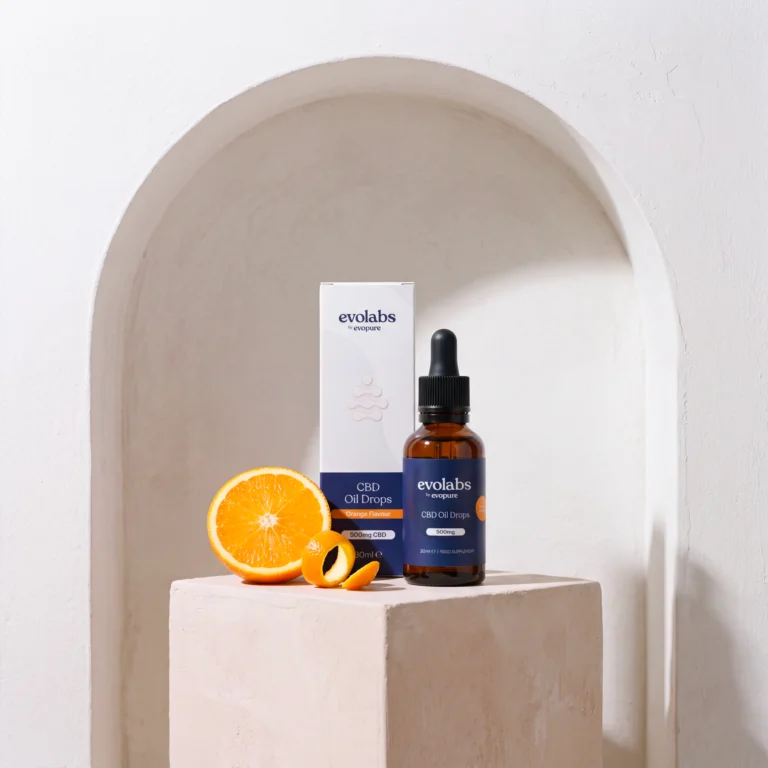
See vitamin D in winter and magnesium and vitamin D. Our Evolabs Mint CBD Oil includes vegan, algae-based vitamin D3.
3. Mood: winter blues and SAD
Many people feel flatter in winter. For most, it’s the “winter blues”: a mild dip that responds to daylight, exercise, routine and seeing people. For some, it’s seasonal affective disorder (SAD), a type of depression that comes back each winter and affects daily life.
| Winter blues | SAD |
|---|---|
| Mild; you still get on with things | Affects work, relationships and daily life |
| Helped by lifestyle changes | May also need talking therapy, antidepressants or light therapy |
See the winter blues, seasonal affective disorder, loneliness and stress symptoms. If you feel low for more than 2 weeks, speak to your GP.
4. Energy: beating winter tiredness
- Keep the same wake time, even at weekends.
- Eat regularly, every 3 to 4 hours, with protein and fibre.
- Drink water; central heating dries you out.
- Keep caffeine to the morning. See coffee crash.
- Move every day.
- Try a cold finish to your shower for a quick wake-up. See cold showers.
Magnesium contributes to the reduction of tiredness and fatigue. See why am I so tired in winter?, how to boost energy naturally and best supplements for energy. If you’re tired all the time for weeks, see a GP, who may check your iron, B12 and thyroid. See why am I always tired?
5. Sleep in the dark months
Long nights can leave you sleeping more but feeling less rested. Aim for 7 to 9 hours with a regular routine.
- Same bed and wake times every day. See our sleep calculator.
- A wind-down hour with dim lights and no screens. See blue light and sleep.
- A warm, caffeine-free drink. See best tea for sleep and healthy hot chocolate.
- A cool bedroom with warm bedding, rather than turning the heating right up.
See how to sleep better, and for illness, how to sleep with a cold.
6. Colds, flu and staying well
- Check if you can get a free flu vaccine. The NHS offers it to people at higher risk, including older adults, pregnant women and people with some health conditions.
- Wash your hands often with soap and water.
- Sleep well: in one study, people sleeping under 6 hours were more likely to catch a cold.
- Stay home if you have a high temperature or feel too unwell for normal activities.
- Don’t rely on vitamin C, echinacea or garlic: the NHS says there’s little evidence they prevent colds.
See how to sleep with a cold and gut health.
7. Winter eating
| Eat more | Why |
|---|---|
| Soups, stews and porridge | Warming, filling and an easy way to add vegetables and beans |
| Oily fish and eggs | Some of the few foods with vitamin D |
| Nuts, seeds and leafy greens | Magnesium. See foods high in magnesium |
| Root vegetables and winter greens | Fibre and vitamins, in season and good value |
| Protein at each meal | Steadier energy and fewer cravings. See sugar cravings |
8. Moving when it’s cold and dark
- Walk in daylight: lunchtime or weekend mornings.
- Strength exercises at home twice a week, as the NHS recommends for adults. See creatine for women.
- Join a class for motivation and company.
- Warm up properly in the cold, and recover well. See muscle recovery and joint pain.
9. Staying warm
The NHS advises heating the rooms you use regularly, such as your living room and bedroom, to at least 18°C in cold weather. Wear layers, keep your feet warm, have hot meals and drinks, and keep moving. Check on older neighbours and relatives, who are more at risk from the cold.
10. Cosy rituals and connection
The Danes call it hygge: candlelight, warm drinks, soft blankets and time with people. Small rituals give the dark evenings something to look forward to.
- A weekly cosy night in with friends or family
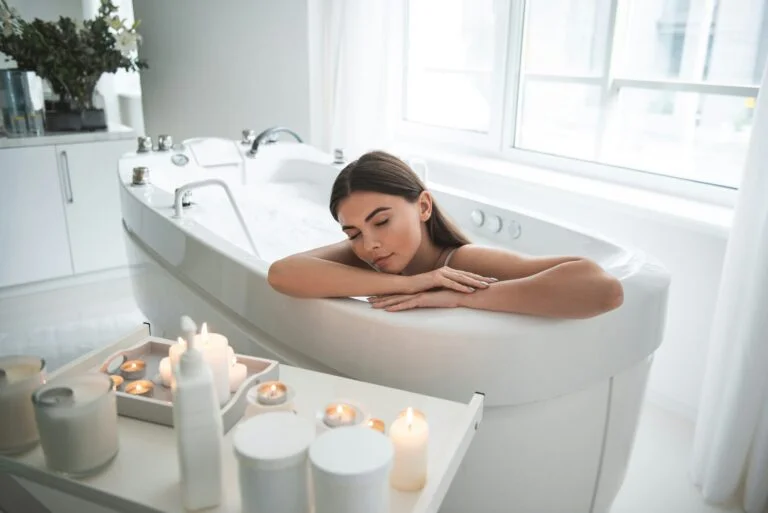
- A warm bath and a book
- A phone-free evening
- A slow walk followed by a hot drink
See hygge, self-care ideas and weighted blankets.
11. Aches, joints and muscles in the cold
Many people notice stiffer joints and tighter muscles in cold, damp weather. Keeping warm, staying active and warming up before exercise all help. Gentle stretching first thing loosens you up, and a warm bath or shower in the evening eases tension. Cold weather and hunched shoulders against the wind can also bring on tension headaches. If cramps wake you, see leg cramps at night.
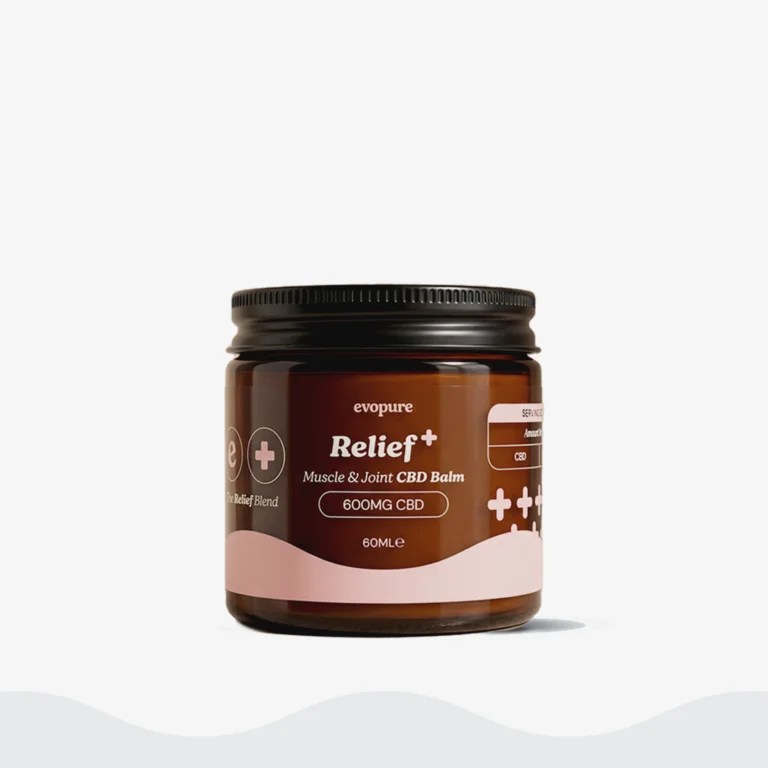
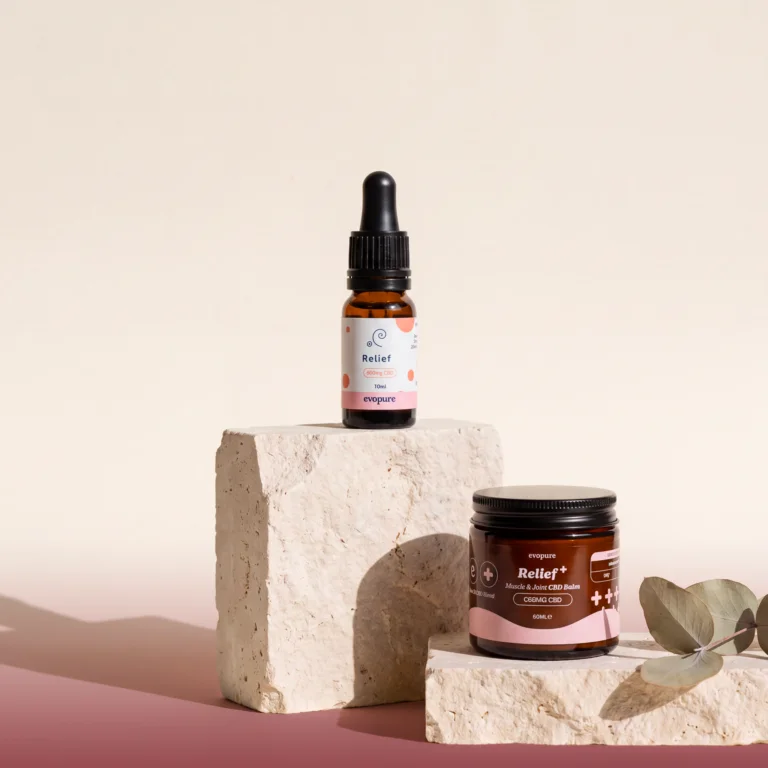
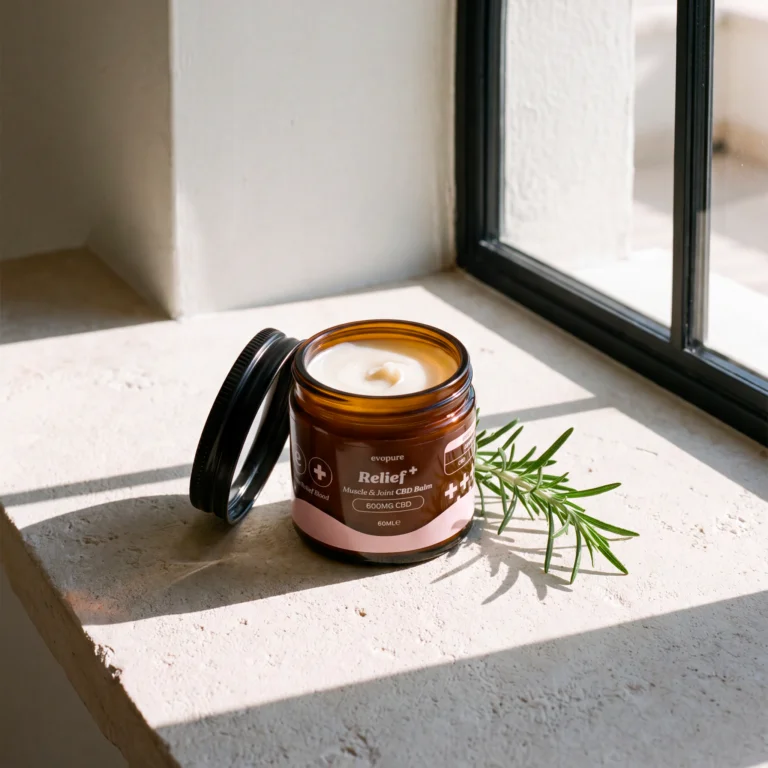
Many people like a massage balm as part of their winter routine. Our CBD Balm, Muscle and Joint Support is made for massaging into knees, hands, shoulders and back. See joint pain and muscle recovery.
12. Working through winter
- Get outside at lunchtime, especially if you commute in the dark both ways.
- Sit near a window or ask about desk lamps if your workspace is dim.
- Take regular screen breaks. See blue light and eye strain.
- Keep a steady lunch rather than grazing on biscuits. See the afternoon slump.
- Watch for burnout in the busy run-up to Christmas. See burnout symptoms and Stress Awareness Week.
- Working from home? Get dressed, go outside before you start, and set a clear finish time.
13. Looking out for others
Winter can be hard for older relatives, people living alone and anyone who is unwell. The NHS suggests checking on older neighbours and relatives in cold weather, making sure they have enough food and medicines, and helping them keep their home warm. A regular phone call or visit also helps with loneliness, which often peaks around Christmas. See loneliness and thoughtful gift ideas.
Winter wellness at different stages of life
In your 20s and 30s
Busy jobs, late nights and screens make it easy to drift into a later body clock in winter, then struggle with dark mornings. Keep a steady wake time, get outside before work, and watch alcohol and late-night scrolling over the party season. If you’re working long hours, protect at least one fully free evening a week. See night owl, revenge bedtime procrastination and imposter syndrome.
In your 40s and 50s
For many women, perimenopause adds broken sleep, night sweats and low mood to winter’s challenges, and muscle naturally declines with age. Strength training, daylight, good sleep habits and a chat with your GP about symptoms make a real difference. Men in midlife are less likely to talk about stress and low mood, so checking in with friends matters. See perimenopause symptoms, menopause weight gain and stress in men.
Over 65
Older adults are more at risk from the cold, flu and falls on icy paths, and loneliness can be harder in winter. The NHS advises keeping rooms you use at 18°C or more, wearing shoes with good grip, stocking up on medicines, and getting any vaccines you’re offered. Staying active indoors, such as with chair exercises or a walking group, helps strength and mood. See loneliness and joint pain.
Christmas and New Year
- Stress: plan ahead, share the jobs and set a budget. See Christmas stress and the mental load.
- Parties: see social anxiety and hangover cure.
- Sleep: see how to sleep on Christmas Eve.
- Gifts: see wellness stocking fillers and wellness advent calendar.
- January: see Dry January and Blue Monday.
Your winter wellness calendar
| Month | What to do | Read |
|---|---|---|
| October | Start vitamin D; plan for the clocks going back; get your flu jab if eligible | Clocks go back |
| November | Build a daylight walk into each day; Stress Awareness Week | Stress Awareness Week |
| December | Protect your sleep through party season; plan restful days over Christmas | Christmas stress |
| January | Reset routines; Dry January; watch for low mood | Dry January |
| February | Keep moving as motivation dips; plan things to look forward to | Winter blues |
| March | Prepare for the clocks going forward; keep vitamin D going until the end of the month | Vitamin D in winter |
Winter health myths
| Myth | Fact |
|---|---|
| “Cold weather gives you a cold” | Colds are caused by viruses. We catch more in winter partly because we spend more time indoors together |
| “Vitamin C stops colds” | The NHS says there’s little evidence it prevents colds or speeds recovery |
| “A hot toddy helps you sleep” | Alcohol breaks up sleep later in the night. Try a caffeine-free warm drink instead |
| “You don’t need sun cream or daylight in winter” | You don’t need sun cream on most UK winter days, but you do still need daylight for your body clock and mood |
| “Hibernating on the sofa is restful” | Some rest is good, but moving and getting outside lifts energy and mood |
A simple winter wellness week
| Day | Focus |
|---|---|
| Monday | Morning walk in daylight; plan the week |
| Tuesday | Strength workout; batch-cook a soup |
| Wednesday | Phone-free evening and an early night |
| Thursday | See or call a friend |
| Friday | Alcohol-free or low-alcohol evening |
| Saturday | A long walk or class, then a cosy night in |
| Sunday | Same wake time as weekdays; a slow, restful afternoon. See the Sunday scaries |
Every day: 10 micrograms of vitamin D, regular meals, water and a wind-down hour.
Our winter routine picks
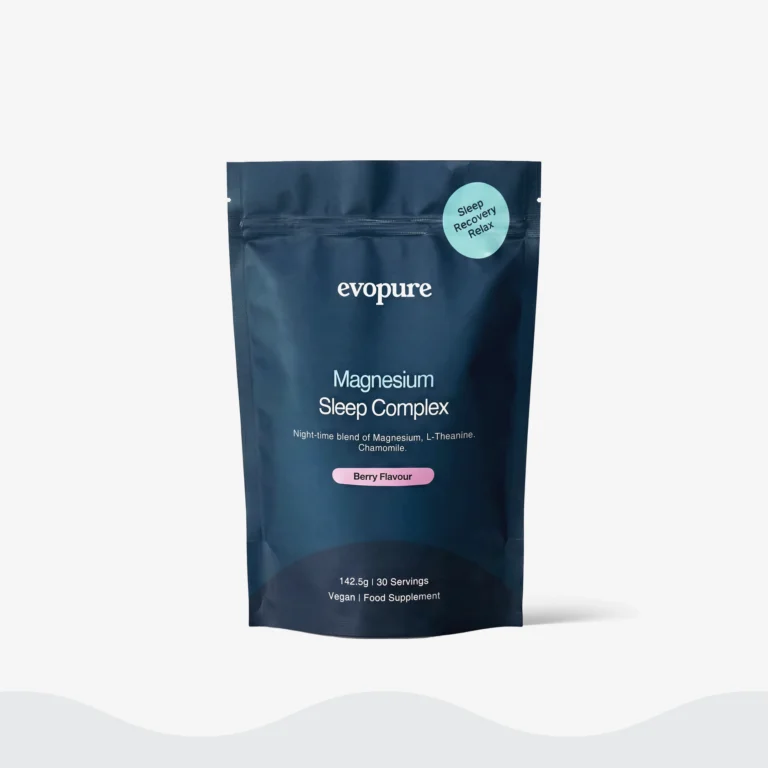
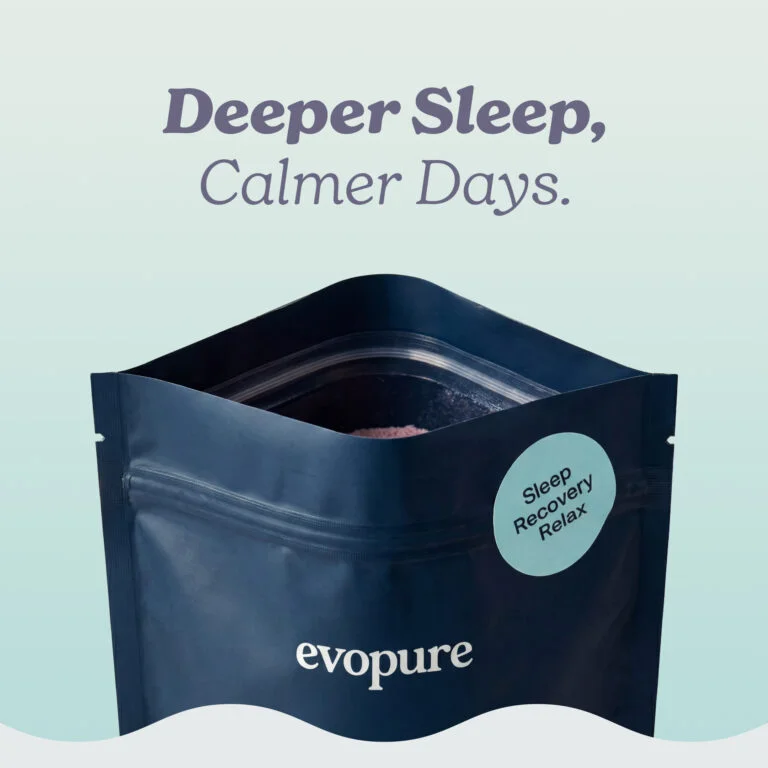
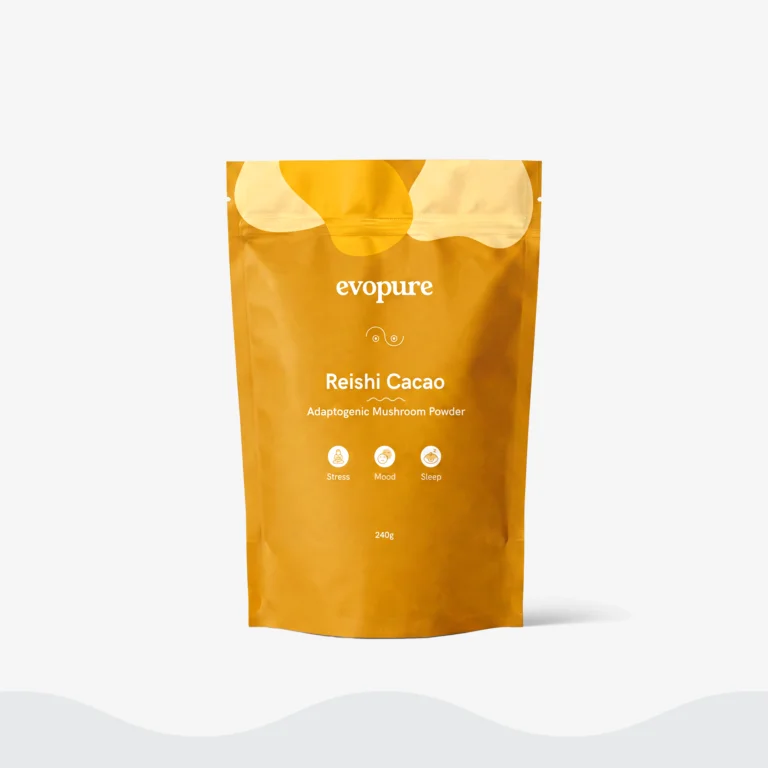
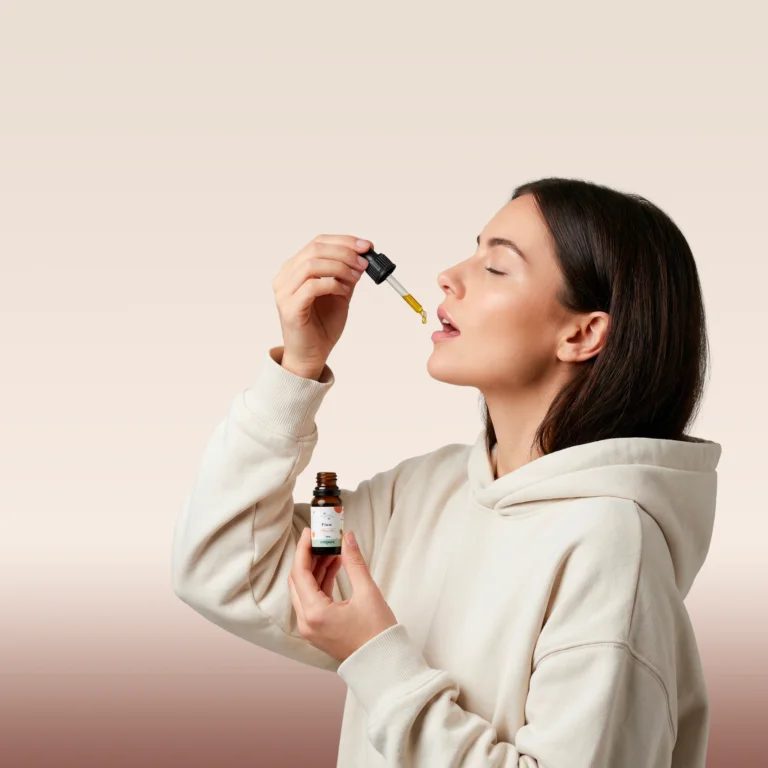
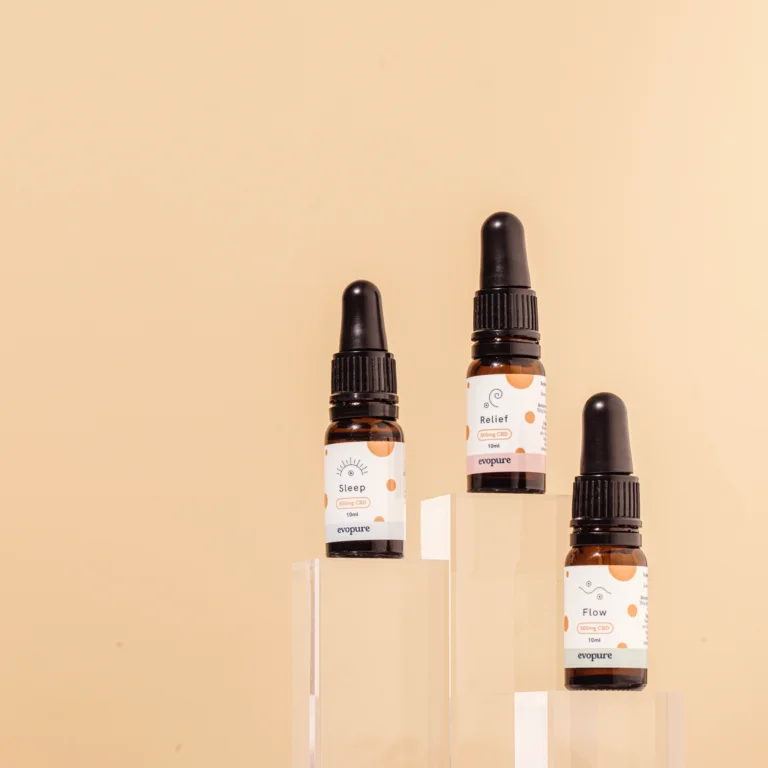
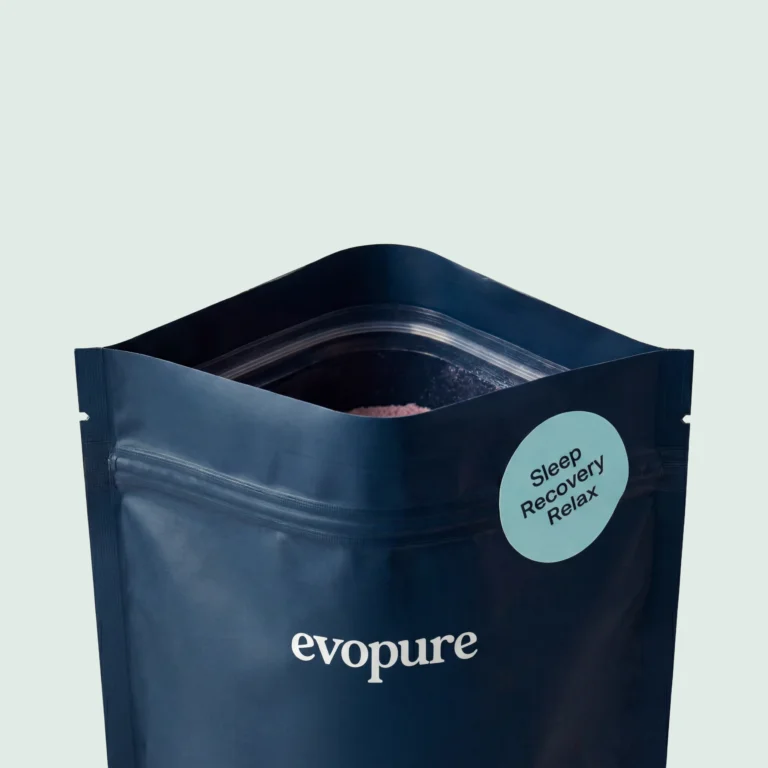
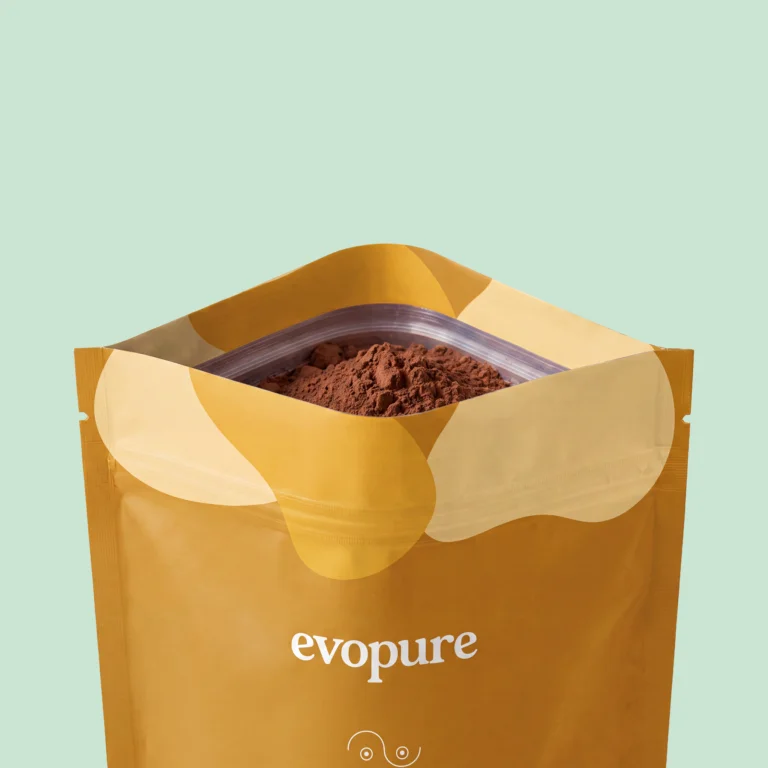
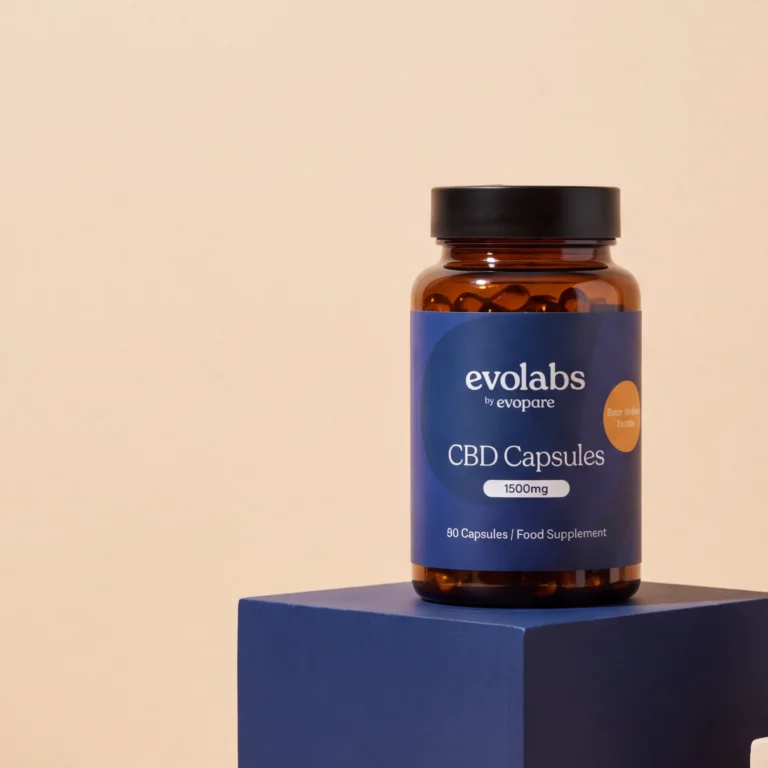
Our Evolabs Mint CBD Oil combines broad spectrum CBD with vegan vitamin D3. Our Magnesium Glycinate Sleep Complex is a berry bedtime drink, and magnesium contributes to the reduction of tiredness and fatigue and to normal psychological function. Our Reishi Mushroom Adaptogenic Complex is a velvety cacao drink for cosy evenings. The FSA’s 10mg a day figure for CBD is precautionary advice rather than a legal limit, set while longer-term safety research continues. At Evopure we think it is a very cautious figure, and many adults use more. If you go above it, increase slowly, and check with your GP or pharmacist first if you take any medication.
FAQs
How can I stay healthy in winter?
Get morning daylight, keep moving, sleep 7 to 9 hours, eat warming balanced meals, keep your home at least 18°C, take vitamin D and check if you can get a free flu vaccine.
Should I take vitamin D in winter?
The NHS advises everyone in the UK to consider 10 micrograms a day from October to March.
Why do I feel low in winter?
Less daylight affects your body clock and mood chemicals. Most people have mild winter blues; if it affects daily life, it could be SAD.
How do I get more energy in winter?
Morning daylight, regular wake times, daily movement, regular meals and keeping caffeine to the morning.
What temperature should my home be in winter?
The NHS advises at least 18°C in rooms you use regularly, such as your living room and bedroom.
Does vitamin C stop colds?
The NHS says there’s little evidence that vitamin C, echinacea or garlic prevent colds or speed recovery.
When do the clocks go back and forward?
In the UK, the clocks go back on the last Sunday in October and forward on the last Sunday in March.
Is it normal to sleep more in winter?
Many people feel sleepier in the darker months. If you’re sleeping much more and feel low every winter, speak to a GP about SAD.
What should I eat to stay healthy in winter?
Warming soups and stews with vegetables and beans, oily fish and eggs for vitamin D, nuts and seeds, and protein at each meal.
Sources
- NHS. Vitamin D.
- NHS. Keep warm, keep well.
- NHS. Flu vaccine.
- NHS. Common cold.
- NHS. Seasonal affective disorder (SAD).
- Lambert GW et al (2002). Effect of sunlight and season on serotonin turnover in the brain. The Lancet.
- Prather AA et al (2015). Behaviorally assessed sleep and susceptibility to the common cold. Sleep.
- NHS. Strength exercises.
This guide is general information, not medical advice. Evopure makes Evolabs Mint CBD Oil with vitamin D3, the Magnesium Glycinate Sleep Complex and the Reishi Mushroom Adaptogenic Complex. We don’t recommend our products during pregnancy or breastfeeding.