



Last updated: October 2026
Blue light glasses probably don’t do much. A 2023 Cochrane review of 17 trials found they may not reduce eye strain from screens, and the effect on sleep was unclear. For better sleep, dimming lights and putting screens away an hour before bed matters more. For eye strain, take regular screen breaks and get your eyes tested.
Below: what the research shows, blue light and sleep, what actually helps eye strain, and whether they’re worth buying.
What the research shows
| Claim | Evidence (Cochrane review, 17 trials) |
|---|---|
| Less eye strain | May make no difference in the short term |
| Better sleep | Unclear; studies were small and mixed |
| Protects your eyes long term | No good evidence either way |
Most of the studies were small and short, so the reviewers couldn’t rule out small effects. But there’s no good evidence to recommend them for everyday use.
Blue light and sleep
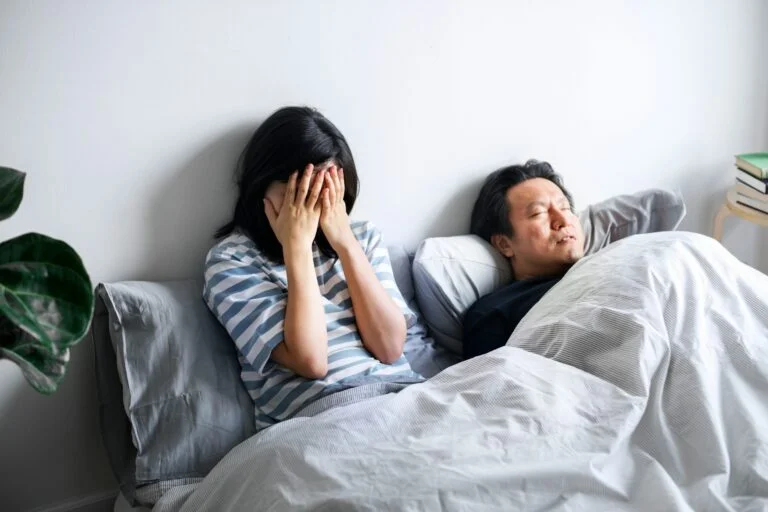
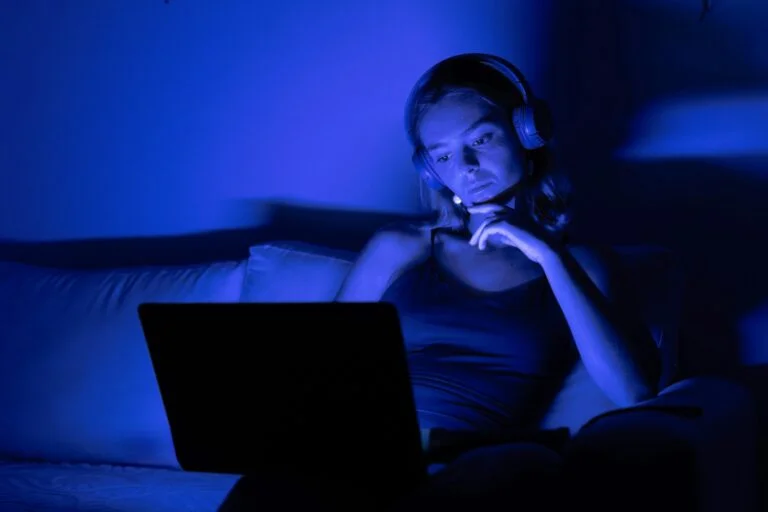
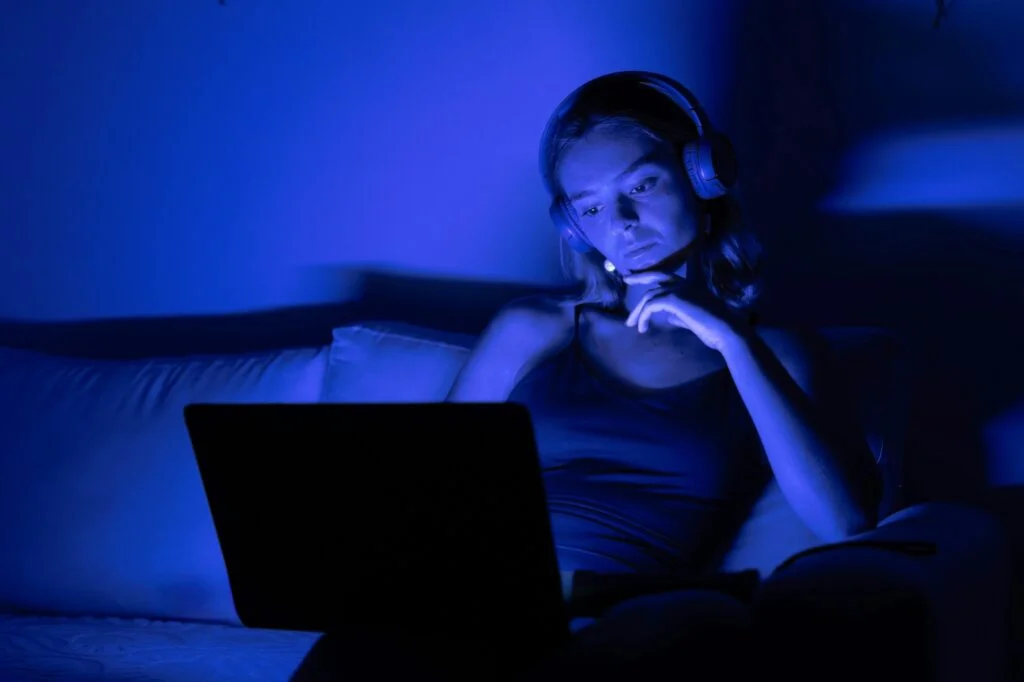
Bright light in the evening, especially from screens and overhead lights, can delay your body clock and the release of melatonin, the sleep hormone. But what you’re doing on your phone, such as scrolling, gaming or work emails, keeps your brain alert too. That’s why glasses alone don’t fix late-night screen time.
- Dim the lights 1 to 2 hours before bed.
- Put screens away for the last hour, or use night mode and lower the brightness.
- Charge your phone outside the bedroom.
- Get bright light in the morning instead.
See how to sleep better, revenge bedtime procrastination, night owl and dopamine detox.
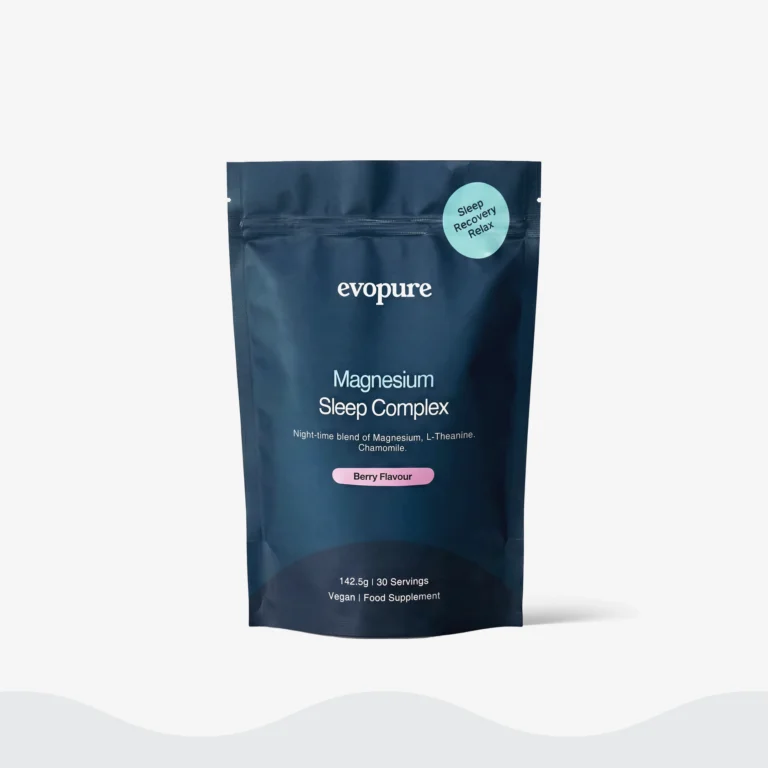
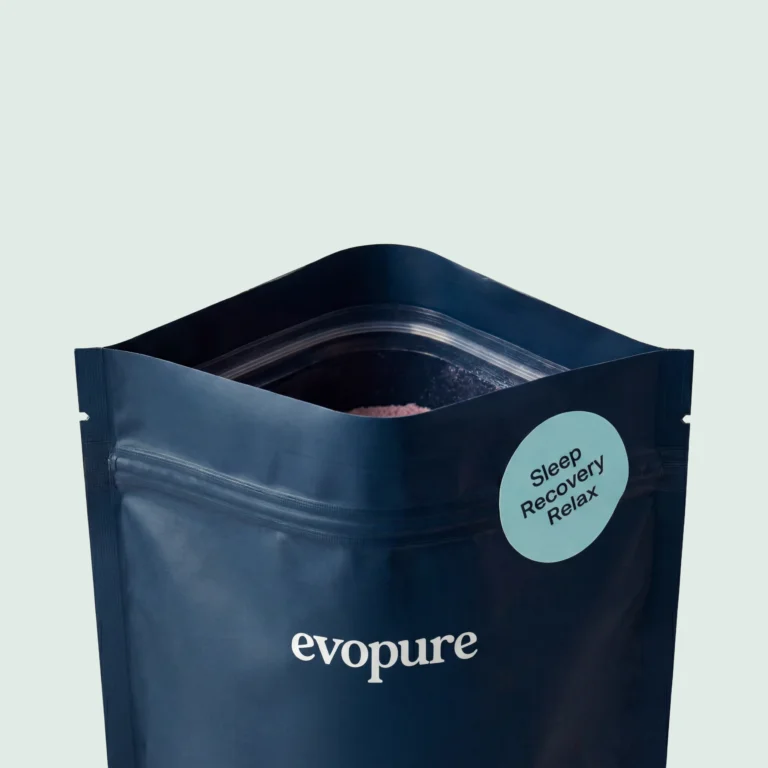
Many people swap late-night scrolling for a wind-down drink and a book. Our Magnesium Glycinate Sleep Complex is a berry bedtime drink, and magnesium contributes to the reduction of tiredness and fatigue. See best tea for sleep.
Night mode and screen settings: do they help?
Night mode, warm-tone settings and lower brightness reduce the amount of bright light reaching your eyes in the evening. They’re free and easy to switch on, so they’re worth using, but like glasses, they don’t solve the bigger issue of staying up on your phone. A paper book or a podcast in dim light is a better wind-down.
| Option | Cost | Worth it? |
|---|---|---|
| Phone night mode and lower brightness | Free | Yes, as a small help |
| Dim, warm lamps in the evening | Low | Yes |
| Phone out of the bedroom | Free | Yes, the biggest win |
| Blue light glasses | £10 to £100+ | Evidence is weak |
What helps eye strain
- The 20-20-20 rule: every 20 minutes, look at something 20 feet away for 20 seconds.
- Blink more; we blink less when staring at screens, which dries the eyes.
- Set up your screen at arm’s length, slightly below eye level, with no glare.
- Get an eye test. Uncorrected eyesight is a common cause of strain and headaches. See tension headaches.
- Take proper breaks away from your desk. See how to focus better.
Are they worth buying?
If you like wearing them, they’re unlikely to do harm. But the money is better spent on an up-to-date eye test, and your sleep will benefit far more from dimming the lights and putting your phone down. See our sleep calculator to plan a realistic bedtime.
FAQs
Do blue light glasses actually work?
A Cochrane review of 17 trials found they may not reduce eye strain, and the effect on sleep was unclear.
Do blue light glasses help you sleep?
The evidence is unclear. Dimming lights and putting screens away an hour before bed is more reliable.
Does blue light damage your eyes?
There’s no good evidence that light from screens damages your eyes. Eye strain usually comes from long screen time and blinking less.
What is the 20-20-20 rule?
Every 20 minutes, look at something 20 feet away for 20 seconds to rest your eyes.
Sources
- Singh S et al (2023). Blue-light filtering spectacle lenses for visual performance, sleep, and macular health in adults. Cochrane Database of Systematic Reviews.
- NHS Every Mind Matters. How to fall asleep faster and sleep better.
- NHS. Insomnia.
This guide is general information, not medical advice. Evopure makes the Magnesium Glycinate Sleep Complex and Reishi Mushroom Adaptogenic Complex. We don’t sell blue light glasses.