


Last updated: October 2026
Natural ways to support serotonin and dopamine, the brain chemicals linked to mood, motivation and sleep, include daylight, regular exercise, good sleep, time outdoors, connecting with people, and a balanced diet. They’re the same habits that reliably lift mood. Low serotonin isn’t proven to cause depression, so see a GP if you feel low for more than 2 weeks.
Below: what serotonin and dopamine do, 10 natural ways to boost them, foods, the depression question, seasonal changes, and when to get help.
What do serotonin and dopamine do?
| Serotonin | Dopamine | |
|---|---|---|
| Often called | The “feel calm” chemical | The “reward” or motivation chemical |
| Involved in | Mood, sleep, appetite, digestion | Motivation, pleasure, focus, movement |
| Linked to | Melatonin, your sleep hormone, is made from serotonin | Habits and cravings. See dopamine detox |
These are simplified descriptions. Both chemicals do many jobs, and mood depends on much more than any single chemical.
10 natural ways to boost serotonin and dopamine
| Habit | Why it helps |
|---|---|
| 1. Get daylight every morning | A study of brain chemistry found serotonin production was higher on brighter days. See morning routine for energy |
| 2. Exercise regularly | One of the best-proven ways to lift mood and reduce anxiety. See how to boost energy naturally |
| 3. Sleep well | Poor sleep affects mood and motivation. See how to sleep better |
| 4. Spend time in nature | Walks in green space are linked to better mood and less rumination |
| 5. Connect with people | One of the NHS’s 5 steps to mental wellbeing |
| 6. Do something you enjoy | Music, hobbies and small rewards give a healthy dopamine lift |
| 7. Set small goals and tick them off | Progress itself is motivating. See how to focus better |
| 8. Eat regular, balanced meals | Steady energy and the building blocks your brain uses |
| 9. Cut back on scrolling and alcohol | Both can leave you flat afterwards. See hangxiety |
| 10. Practise gratitude and kindness | Helping others is another of the NHS’s 5 steps. See journal prompts |
Foods and serotonin
Your body makes serotonin from tryptophan, an amino acid found in protein foods such as turkey, chicken, eggs, cheese, tofu, oats, nuts and seeds. Eating these foods doesn’t directly “top up” brain serotonin, but a balanced diet with enough protein, wholegrains, fruit and vegetables supports mood and energy. Most serotonin is actually made in the gut. See gut health and foods high in magnesium.
Serotonin, daylight and winter
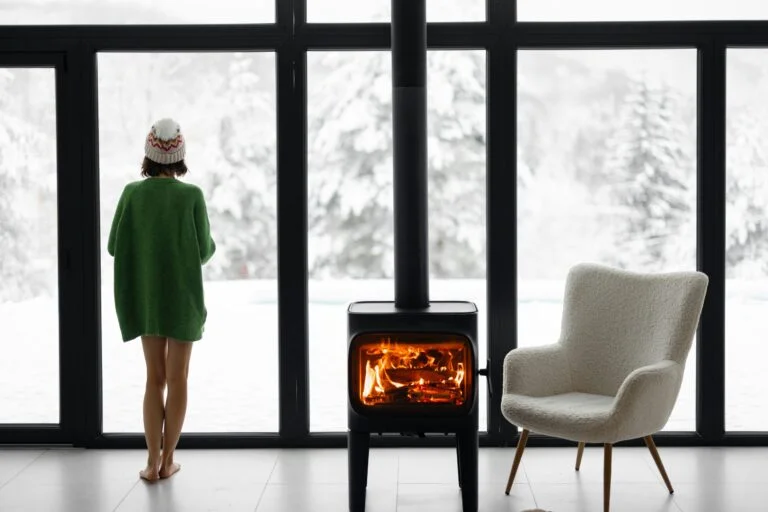
Less daylight in autumn and winter is thought to affect serotonin and melatonin, which may be one reason many people feel lower and more tired in the darker months. Getting outside early, sitting near windows and staying active all help. If low mood comes back every winter, it may be seasonal affective disorder. See the winter blues, seasonal affective disorder, tired in winter and vitamin D in winter.
Does low serotonin cause depression?
The idea that depression is simply caused by low serotonin is now seen as too simple. A large 2023 review found no consistent evidence that depression is caused by low serotonin. Depression has many causes, including life events, stress, health problems and genetics. Antidepressants still help many people, and you should never stop them without talking to your GP. See CBD and depression and mushrooms for low mood.
A mood-friendly daily routine
| When | Do this |
|---|---|
| Morning | 10 minutes of daylight, breakfast with protein, one small goal for the day |
| Midday | A walk outside, ideally in green space |
| Afternoon | Tick off a task; message a friend |
| Evening | Exercise or a hobby, then a screen-free wind-down. See self-care ideas |
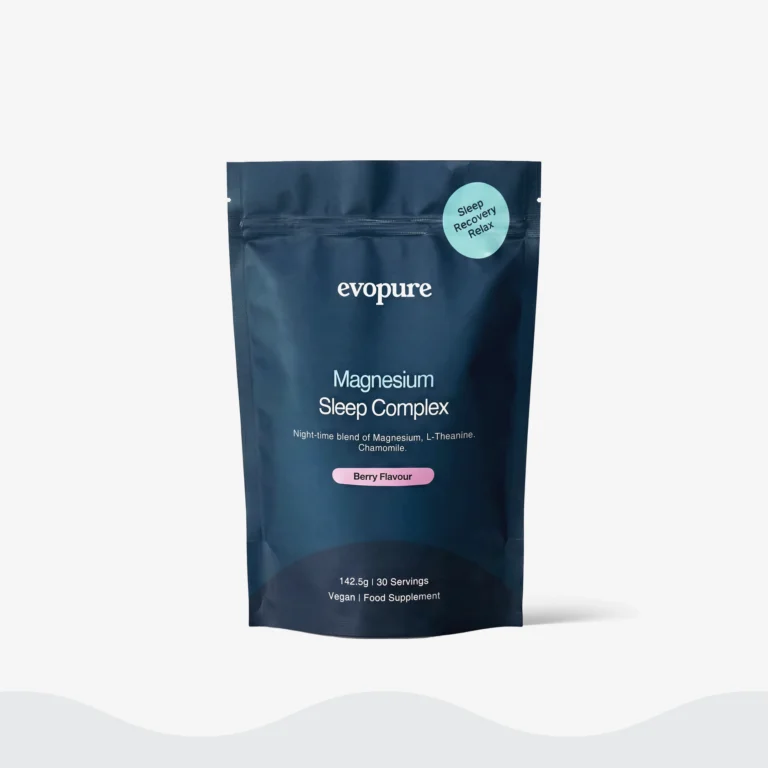
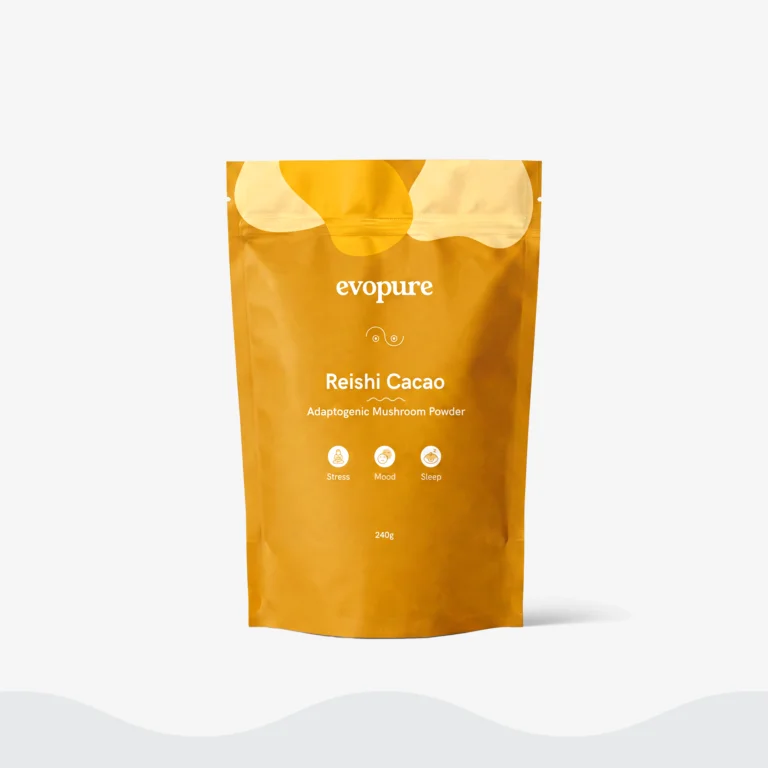
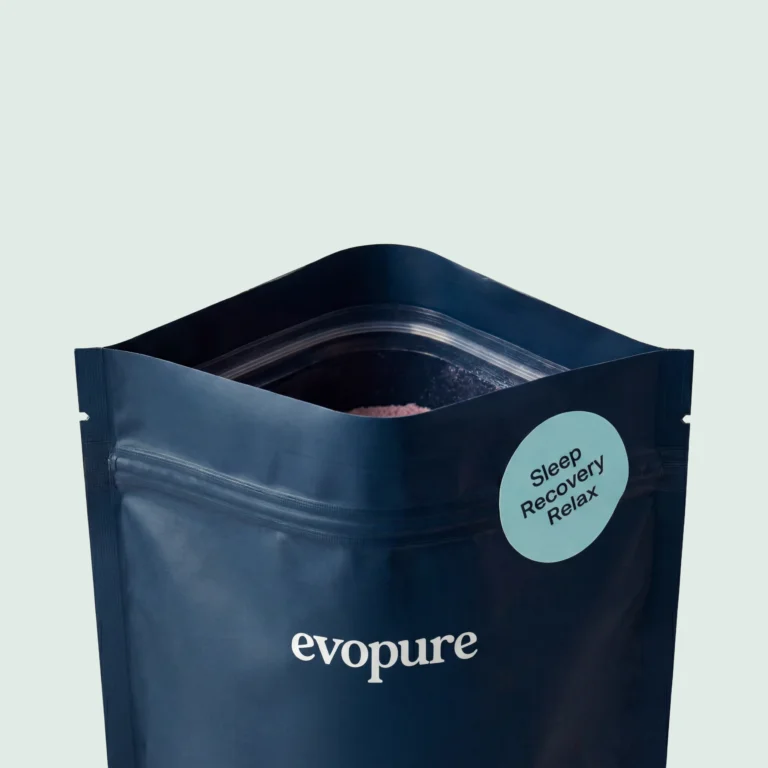
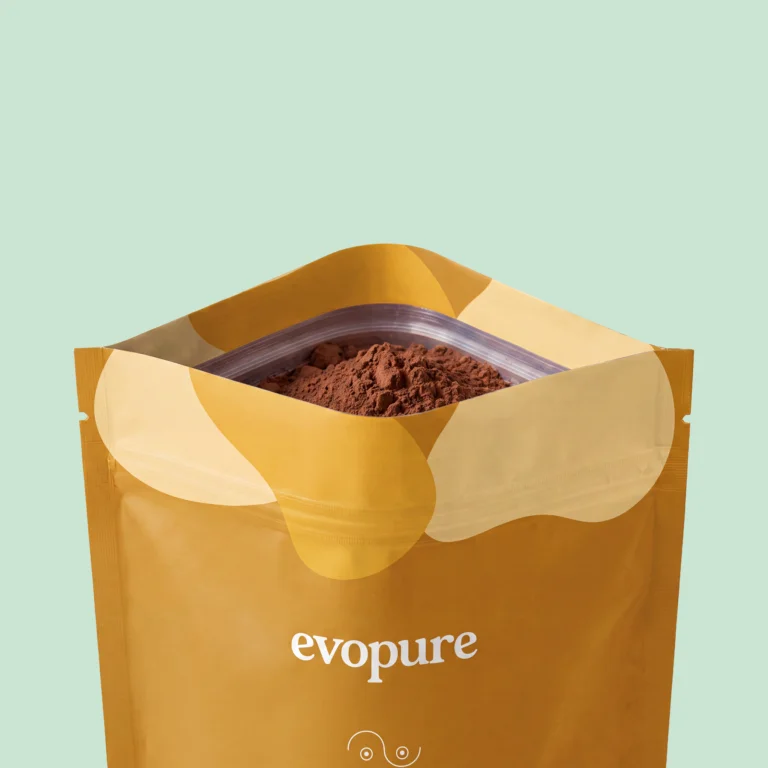
Many people make a warm drink part of their wind-down. Magnesium contributes to normal psychological function. Our Magnesium Glycinate Sleep Complex is a bedtime drink, and our Reishi Mushroom Adaptogenic Complex is a cosy cacao drink.
When to get help
See a GP if you’ve felt low, hopeless or lost interest in things for more than 2 weeks. Adults in England can refer themselves to NHS Talking Therapies. If you’re having thoughts of harming yourself, call NHS 111 and choose the mental health option, contact Samaritans on 116 123, or call 999 in an emergency. See also anxiety symptoms and stress symptoms.
See loneliness for ways to feel more connected.
FAQs
How can I boost serotonin naturally?
Get daylight every morning, exercise regularly, sleep well, spend time in nature, connect with people and eat balanced meals.
How do I boost dopamine naturally?
Exercise, enjoyable activities like music and hobbies, setting and completing small goals, good sleep, and less scrolling and alcohol.
What foods boost serotonin?
Protein foods containing tryptophan, such as eggs, cheese, turkey, tofu, oats, nuts and seeds, as part of a balanced diet.
Does sunlight increase serotonin?
Research suggests serotonin production is higher on brighter days, which is one reason morning daylight is good for mood.
Is depression caused by low serotonin?
There’s no consistent evidence that it is. Depression has many causes. See a GP if you’ve felt low for more than 2 weeks.
Sources
- Lambert GW et al (2002). Effect of sunlight and season on serotonin turnover in the brain. The Lancet.
- Moncrieff J et al (2023). The serotonin theory of depression: a systematic umbrella review of the evidence. Molecular Psychiatry.
- Munro NR et al (2026). Effect of exercise on depression and anxiety symptoms: systematic umbrella review with meta-meta-analysis. British Journal of Sports Medicine.
- NHS. 5 steps to mental wellbeing.
- NHS. Depression in adults.
This guide is general information, not medical advice. Evopure makes the Magnesium Glycinate Sleep Complex and Reishi Mushroom Adaptogenic Complex.