Last updated: October 2026
A night owl is someone whose body clock runs late, so they feel most alert in the evening and struggle with early mornings. You can shift it earlier. In a UK trial, night owls moved their sleep about 2 hours earlier in 3 weeks with morning daylight, fixed sleep and meal times, and no caffeine after 3pm.
Below: night owl vs early bird, signs you’re a night owl, a step-by-step plan to wake up earlier, what to avoid, and how to make it stick.
What is a night owl?
Everyone has a body clock, or chronotype, that sets when you naturally feel sleepy and alert. Early birds wake easily and fade in the evening; night owls come alive later and find mornings hard. It’s partly genetic and changes with age: teenagers tend to be night owls, and most people shift earlier as they get older. Being a night owl isn’t a problem in itself, but it clashes with 9-to-5 life and can leave you short of sleep.

Our pick
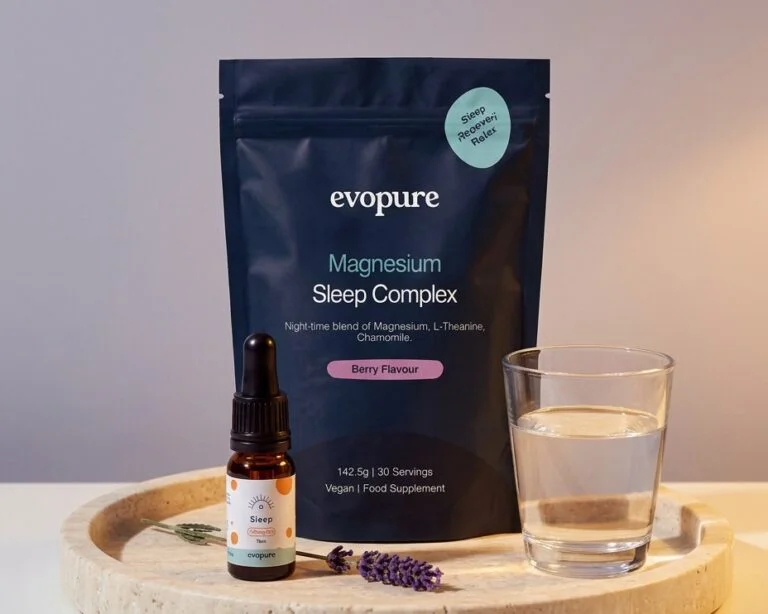
Magnesium Glycinate Sleep Complex
Magnesium Glycinate Sleep Complex is a berry drink powder with 148mg of magnesium a scoop from bisglycinate and citrate, plus glycine and L-theanine. Magnesium contributes to a reduction of tiredness and fatigue.
Add Magnesium Glycinate Sleep Complex to bag See ingredients and reviews
Vegan and made in the UK. Free UK delivery over £45, 14-day returns on unopened items.
Subscribe £22.49One-off £29.99
View productSigns you’re a night owl
| Night owl | Early bird |
|---|---|
| Not sleepy until after midnight | Sleepy by 10pm |
| Hits snooze repeatedly | Wakes before the alarm |
| Groggy until late morning | Sharpest in the morning |
| Best ideas and energy in the evening | Fades after dinner |
| Sleeps much later at weekends | Similar times every day |
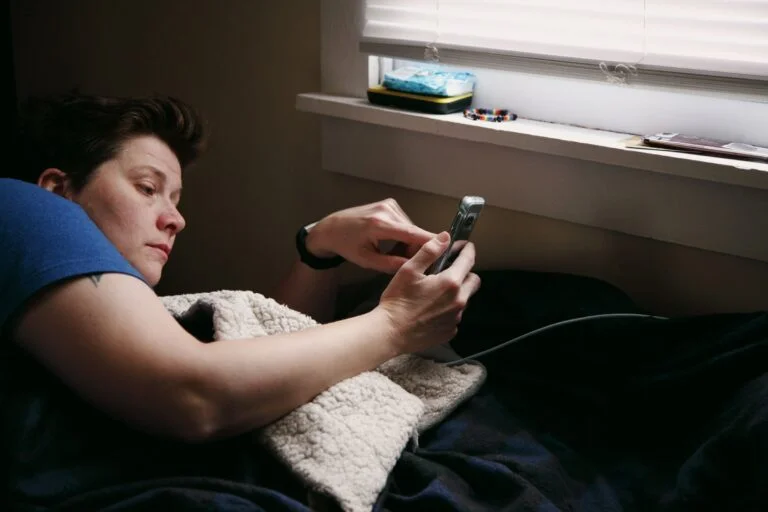
Staying up late on your phone even when tired is a slightly different thing. See revenge bedtime procrastination.
How to wake up earlier: a 3-week plan
This plan follows the methods used in a University of Birmingham and University of Surrey trial, where night owls shifted their sleep and wake times about 2 hours earlier in 3 weeks.
- Move your wake time earlier. Trial participants moved theirs 2 to 3 hours in one go; if that feels too much, go 15 minutes earlier every few days.
- Get outside in daylight as soon as you can after waking, for at least 15 to 20 minutes. This is the strongest signal to your body clock.
- Keep the same wake time every day, including weekends.
- Eat breakfast soon after waking, and have lunch at the same time each day.
- Exercise in the morning rather than the evening.
- No caffeine after 3pm. See coffee crash.
- Finish dinner by about 7pm.
- Go to bed earlier in step with your alarm, even if you don’t fall asleep straight away.
Work out your target bedtime with our sleep calculator. For a quick wake-up, some people like a cold shower finish. See also a morning routine for energy.
Evening changes that help
- Dim the lights 1 to 2 hours before bed. Bright light in the evening pushes your clock later.
- Put screens away or use night mode.
- Wind down with a routine: warm shower, book, warm drink. See how to sleep better.
- Write tomorrow’s list so your mind can let go. See how to stop overthinking.
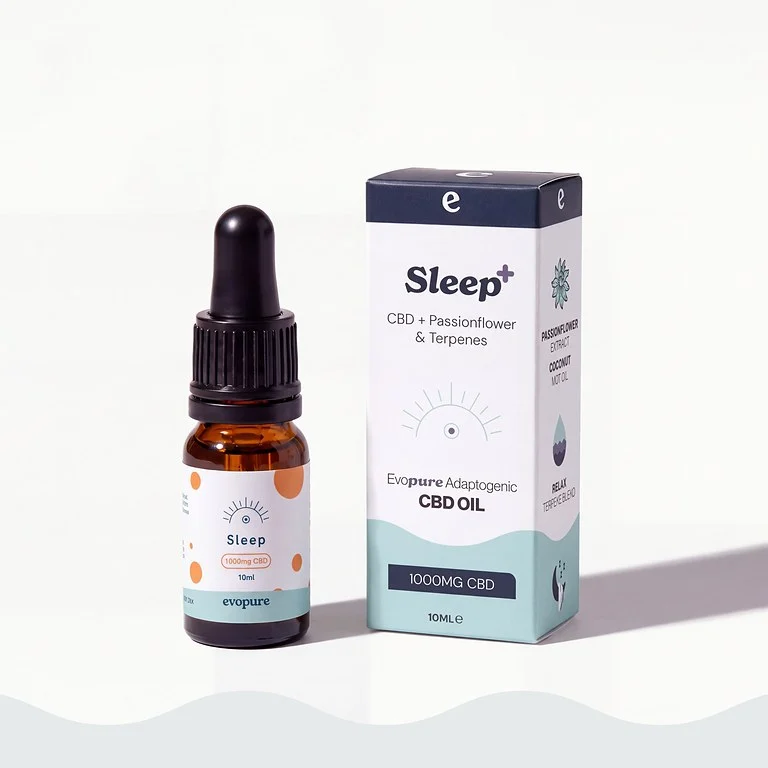
Our Magnesium Glycinate Sleep Complex is a bedtime drink many people use as a cue to wind down, and magnesium contributes to a reduction of tiredness and fatigue. Our Sleep CBD Oil pairs broad spectrum CBD with passion flower for evenings. The FSA’s 10mg a day figure for CBD is precautionary advice rather than a legal limit, set while longer-term safety research continues. At Evopure we think it is a very cautious figure, and many adults use more. If you go above it, increase slowly, and check with your GP or pharmacist first if you take any medication. Melatonin is prescription-only in the UK; see melatonin in the UK.
What makes it harder
- Long weekend lie-ins, which shift your clock later again
- Bright screens late at night
- Caffeine in the afternoon and alcohol in the evening
- Late, heavy meals
- Long afternoon naps. See power naps
Making it stick
Consistency matters more than any single trick. Give it at least 3 weeks, and keep your wake time steady even after a late night. If you still can’t fall asleep for hours despite trying, or you’re tired all the time, speak to your GP. See insomnia, shift work and sleep and why am I always tired?
Related guides
- Do blue light glasses work?
- For quick, everyday tips, see how to wake up early (and actually feel awake).
- Why night owls cope better with jet lag flying west.
- What a circadian rhythm is and how to reset it.
- Not sure what bedtime to aim for? See what time you should go to bed.
- ADHD and a late body clock.
- Want a week-by-week version? Try our 7-day sleep schedule reset plan.
- Late chronotypes who struggle with early alarms may find a sunrise alarm clock makes waking feel easier.
- The clocks going back is a good moment to nudge a late body clock: see when the clocks go back in 2026 and how to adjust.
Sources 4
- Facer-Childs ER et al (2019). Resetting the late timing of “night owls” has a positive impact on mental health and performance. Sleep Medicine.
- Patel AK et al (2024). Physiology, sleep stages. StatPearls.
- NHS Every Mind Matters. How to fall asleep faster and sleep better.
- NHS. Insomnia.
This guide is general information, not medical advice. Evopure makes the Magnesium Glycinate Sleep Complex and Sleep CBD Oil. We don’t recommend our products during pregnancy or breastfeeding.