
Last updated: 12 November 2026
The musculoskeletal syndrome of menopause is a name proposed in 2024 for the joint, muscle, bone and tendon changes linked to falling oestrogen: joint aches, muscle loss, thinning bones, tendon problems, frozen shoulder and worsening osteoarthritis. It is a research term, not an NHS diagnosis. Strength exercise, vitamin D, a GP review and sometimes HRT are the next steps.
Below: where the name comes from and what it covers, the symptoms in one table, whether it counts as a diagnosis, what the evidence says about HRT, strength training and vitamin D, and when to see a GP. If you have aches and stiffness that are getting worse or stopping you doing normal things, speak to your GP.
What is the musculoskeletal syndrome of menopause?
The musculoskeletal syndrome of menopause is an umbrella term introduced by US orthopaedic surgeon Dr Vonda Wright and three colleagues in a 2024 review in Climacteric, the journal of the International Menopause Society. It groups the muscle, joint, bone and connective tissue changes linked to oestrogen loss, so women and doctors see one pattern rather than separate aches.
The authors modelled the idea on the genitourinary syndrome of menopause, the name that brought vaginal dryness and bladder symptoms together under one heading. Their argument is that a single label helps people notice the link with falling oestrogen earlier, instead of treating a sore knee, a stiff shoulder and a weaker grip as three unrelated problems.
It is a review, not a new study. The authors pulled together earlier research and proposed a name. They estimate that more than 70% of women get musculoskeletal symptoms through the menopause transition and that about 25% are disabled by them. Those figures are the review’s estimates from earlier studies, not a new UK survey.
When we checked on 12 November 2026, the NHS menopause pages and NICE’s menopause guideline (NG23) did not use the new term. NICE does list “musculoskeletal symptoms (for example, joint and muscle pain)” among menopause symptoms, and asks clinicians to explain why keeping muscle mass and strength matters. The NHS lists “muscle aches and joint pains” and weaker bones among perimenopause and menopause symptoms.
Musculoskeletal syndrome of menopause symptoms
The symptoms are ones many women already notice in their 40s and 50s: aching or stiff joints that are often worse in the morning, losing muscle and strength more easily, thinning bones, sore tendons, a painful stiff shoulder and arthritis that seems to progress faster. Each also has other causes, which is why a GP check matters.
| Part of the body | What you might notice | Useful to know |
|---|---|---|
| Joints (arthralgia) | Aches and stiffness in hands, knees, hips and shoulders, often worse on waking | The NHS lists joint pain as a menopause symptom that can carry on after periods stop |
| Muscles (sarcopenia) | Less strength, harder to build muscle, poorer balance, slower walking | NICE asks clinicians to stress keeping muscle mass and strength |
| Bones (osteoporosis) | Usually nothing until a bone breaks; later, loss of height or a stoop | The NHS says osteoporosis is most common in women after the menopause |
| Tendons and ligaments | Sore tendons around the hip, shoulder or heel; slower recovery from strains | The review lists more tendon and ligament injuries |
| Shoulder (frozen shoulder) | Pain, often worse at night, then stiffness that makes lifting the arm hard | The NHS says it can last months or years; diabetes raises the risk |
| Cartilage (osteoarthritis) | Knees, hips or finger joints that grind, swell or stiffen | Osteoarthritis becomes more common around the menopause |
Our joint pain guide covers the wider causes, from arthritis to statins and B12, and body aches covers aching all over.
Can menopause cause frozen shoulder?
Frozen shoulder is one of the conditions the 2024 review groups under the musculoskeletal syndrome of menopause, alongside joint aches and tendon problems. Whether falling oestrogen causes it is still being studied. The NHS describes pain that can be worse at night, then stiffness that makes the shoulder hard to move. It can last months or years.
NHS treatment usually starts with painkillers and gentle movement, then a steroid injection or physiotherapy if it doesn’t settle. Having diabetes raises the risk. See a GP if shoulder pain and stiffness don’t go away. Our shoulder pain guide explains how frozen shoulder differs from other shoulder problems.
Is musculoskeletal syndrome of menopause a real diagnosis?
Not yet. It is a name proposed in one 2024 review, not an NHS or NICE diagnosis. The symptoms are real and common, but your GP will look at each one on its own: blood tests if inflammatory arthritis is possible, a bone health check if your fracture risk is raised, or physiotherapy for a stiff shoulder.
The name can still be useful. Saying “I think my joint and muscle symptoms might be linked to the menopause” gives your GP the whole picture in one sentence. A two-week symptom diary helps too: which joints, how long morning stiffness lasts, what makes it better or worse, and how it fits with your periods or hot flushes. If you’re not sure which stage you’re at, see perimenopause vs menopause and how long menopause lasts.
Does HRT help menopause joint and muscle symptoms?
Possibly for some women, but HRT is not a joint pain treatment. In a large US trial, women taking oestrogen-only HRT reported joint pain slightly less often than women on a placebo after a year (76.3% vs 79.2%). NICE says evidence that HRT improves muscle mass and strength is limited. The NHS says HRT helps prevent osteoporosis.
A few more points from the same research, so the picture is fair:
- Small difference. In that Women’s Health Initiative trial, joint swelling was slightly more common on oestrogen (42.1% vs 39.7%), and the women had all had a hysterectomy, so they took oestrogen alone.
- Prevention is unproven. The 2024 review suggests starting HRT early might prevent parts of the syndrome, but says research on the right doses is still outstanding. It calls the evidence on HRT and osteoarthritis controversial.
- Bones. The NHS osteoporosis advice includes taking HRT if you’re offered it for menopause symptoms, which matters most if your periods stopped before 45.
- Risks. The NHS says HRT tablets can raise the risk of blood clots (patches, gels and sprays don’t), and combined HRT slightly raises the risk of breast cancer.
Whether HRT suits you is a decision to make with your GP or a menopause clinic. If you take or are thinking about HRT and also use CBD, read CBD and HRT first.
Strength training for menopause muscles and bones
Strength training has the strongest everyday case. The NHS advises adults to do muscle-strengthening activities on at least 2 days a week, plus 150 minutes of moderate activity. For bones, its osteoporosis advice adds weight-bearing and balance exercises. Start light, build up slowly, and ask a GP or physio first if you have joint or heart problems.
Muscle-strengthening on the NHS list includes lifting weights, resistance bands, body-weight moves such as sit-to-stand and wall push-ups, carrying heavy shopping, heavy gardening, pilates, yoga and tai chi. The 2024 review notes that heavier weights with fewer repetitions tend to build power more than light weights with many repetitions, although good trials in women after the menopause are still few.
| Day | A simple starter week | Time |
|---|---|---|
| Monday | Strength: legs and hips (sit-to-stand, step-ups, bridges) | 20 to 30 minutes |
| Tuesday | Brisk walk | 30 minutes |
| Wednesday | Balance and stretching (standing on one leg, gentle shoulder circles) | 10 to 15 minutes |
| Thursday | Strength: back, chest and arms (bands, wall push-ups, rows) | 20 to 30 minutes |
| Friday | Brisk walk or swim | 30 minutes |
| Weekend | Something you enjoy: dancing, gardening, a longer walk; one rest day | As you like |
Food matters for muscle too. Our how much protein do I need guide covers amounts for older adults, and creatine for women sets out what the trials do and don’t show. For walking ideas, see Japanese walking and how many steps a day. If weight has crept up as well, menopause weight gain explains why.
In many areas of England you can also refer yourself to an NHS community musculoskeletal (MSK) service for physiotherapy without seeing a GP first.
Vitamin D and calcium for menopause bones
The NHS advises everyone in the UK to consider 10 micrograms of vitamin D a day from October to March, and all year if you’re rarely outdoors or usually cover most of your skin. Adults need 700mg of calcium a day, usually from food. Don’t take more than 100 micrograms (4,000 IU) of vitamin D a day.
Vitamin D is not a treatment for joint pain. The 2024 review mentions trials where vitamin D improved hip bone density in women after the menopause, alongside calcium and exercise. If you’ve been diagnosed with osteoporosis, your GP may prescribe calcium and vitamin D with your treatment, so check before adding your own.
More on the details: best vitamin D supplement UK, vitamin D deficiency symptoms, calcium supplements and magnesium and vitamin D.
When to see a GP about menopause aches
See a GP if joint or muscle pain is stopping you doing normal things or affecting your sleep, if it keeps getting worse, or if it hasn’t improved after 2 weeks of looking after it at home. Morning stiffness lasting more than 30 minutes, swollen joints or a shoulder that won’t loosen up also need a check.
- Ask about bone health if you’ve had a broken bone from a minor fall, lost height, have a family history of osteoporosis, or your periods stopped before 45. NICE asks GPs to discuss bone health with women going through the menopause.
- Ask about HRT if menopause symptoms are affecting your life.
- Call 111 or ask for an urgent GP appointment if a joint is swollen and feels hot, or you have joint pain and feel generally unwell or have a high temperature.
- Call 999 or go to A&E if you have very bad joint pain after a fall or injury, can’t put weight on a joint, a joint looks out of place, or you have tingling or no feeling around a joint after an injury.
Other menopause symptoms can affect how you feel day to day too: see perimenopause and sleep and hot flushes.
Where a massage balm and magnesium fit
No supplement or balm treats the musculoskeletal syndrome of menopause. The basics above (strength work, vitamin D, a GP review) come first. Some women also like small daily rituals that make movement feel easier to keep up, such as a massage after exercise or a warm drink in the evening. For an evidence-ranked look at the options, see best supplements for menopause, magnesium for menopause and supplements for joint pain and stiffness.
Next step
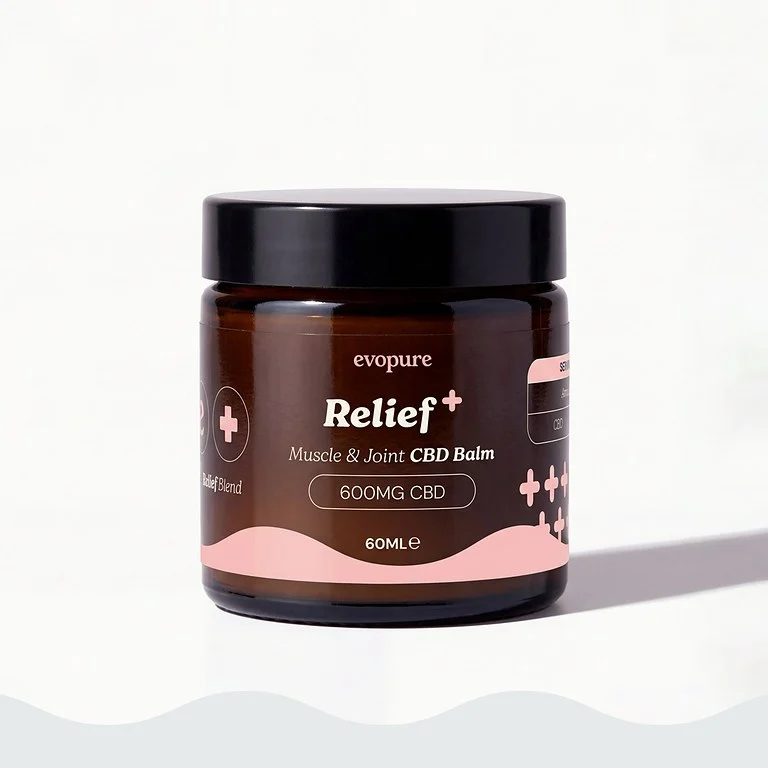
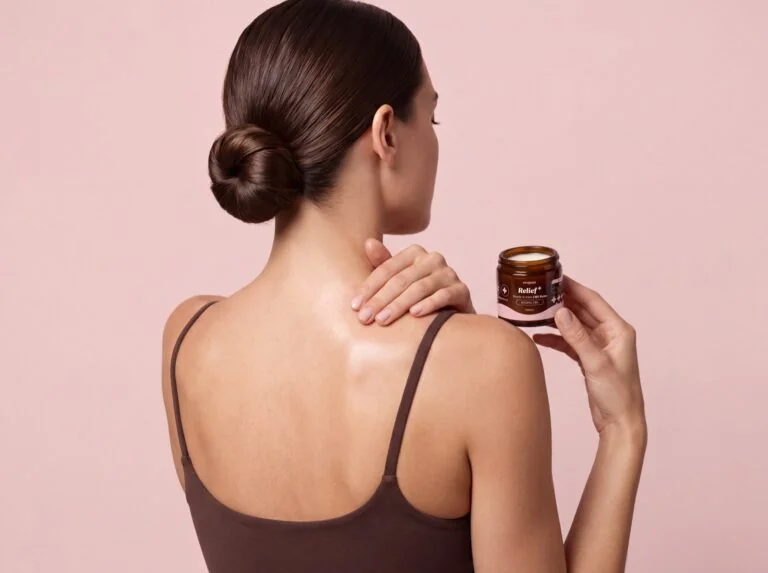
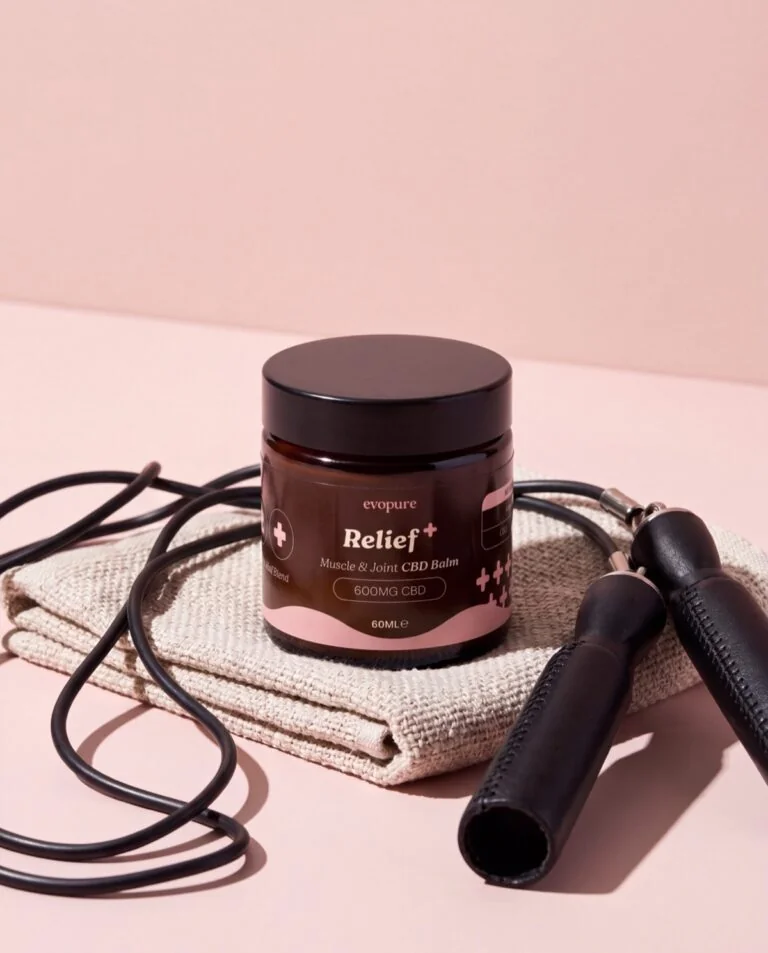
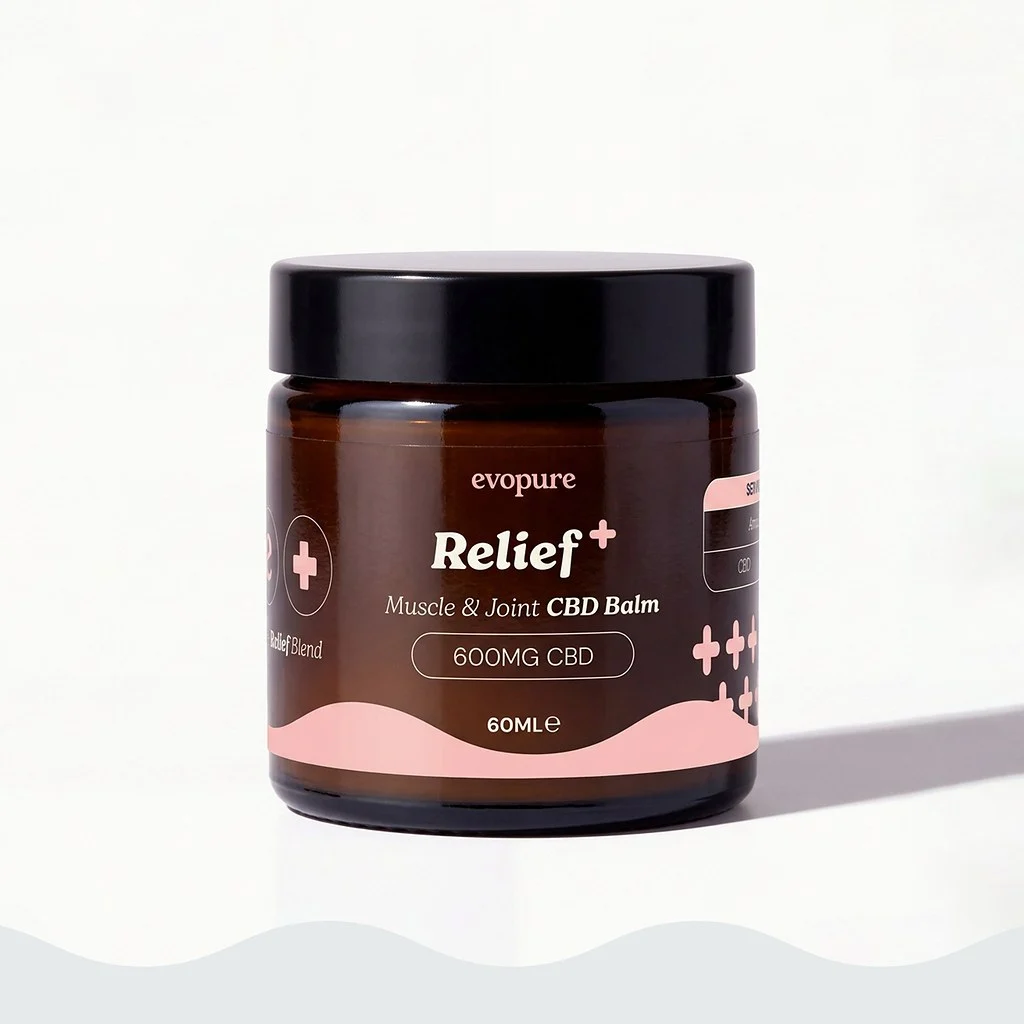
for a massage after exercise or a long day, our CBD Balm, Muscle and Joint Support is a cooling balm with 600mg of CBD per tub, peppermint, eucalyptus and juniper. It’s a cosmetic for massage, not a treatment for joint pain. If you’re allergic to aspirin or take a blood thinner, ask a pharmacist first (its product description mentions wintergreen oil). Rated 4.6 out of 5 from 59 verified ratings (via Lipscore, checked 12 November 2026).
Add CBD Balm to bag see ingredients and reviews
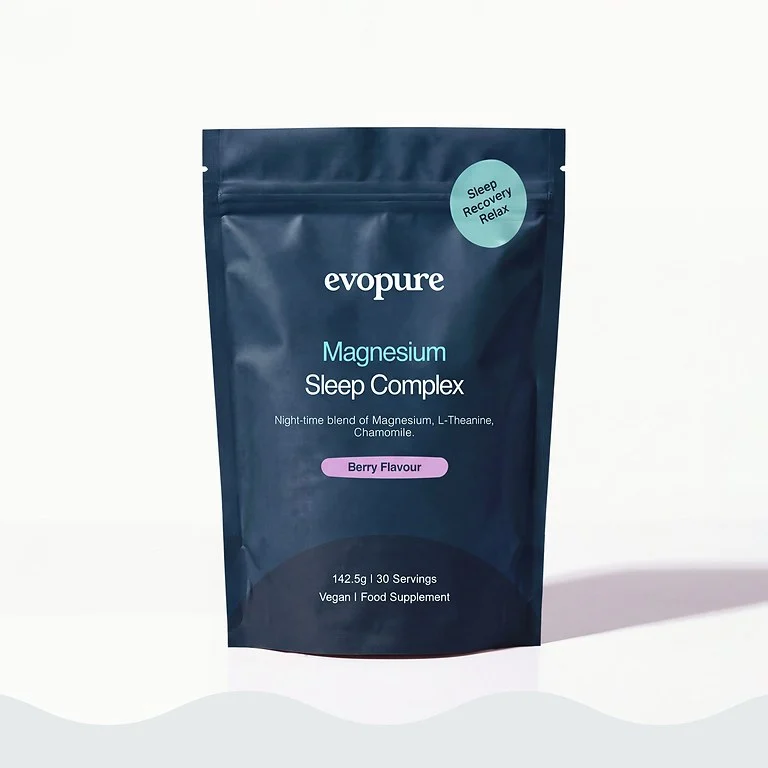
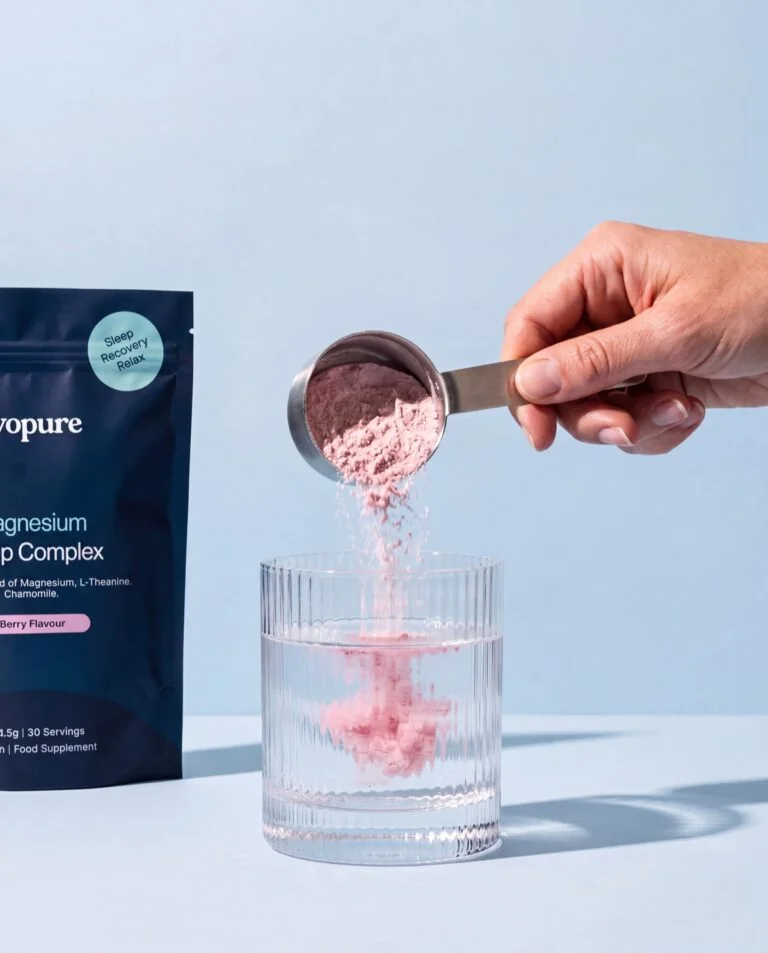
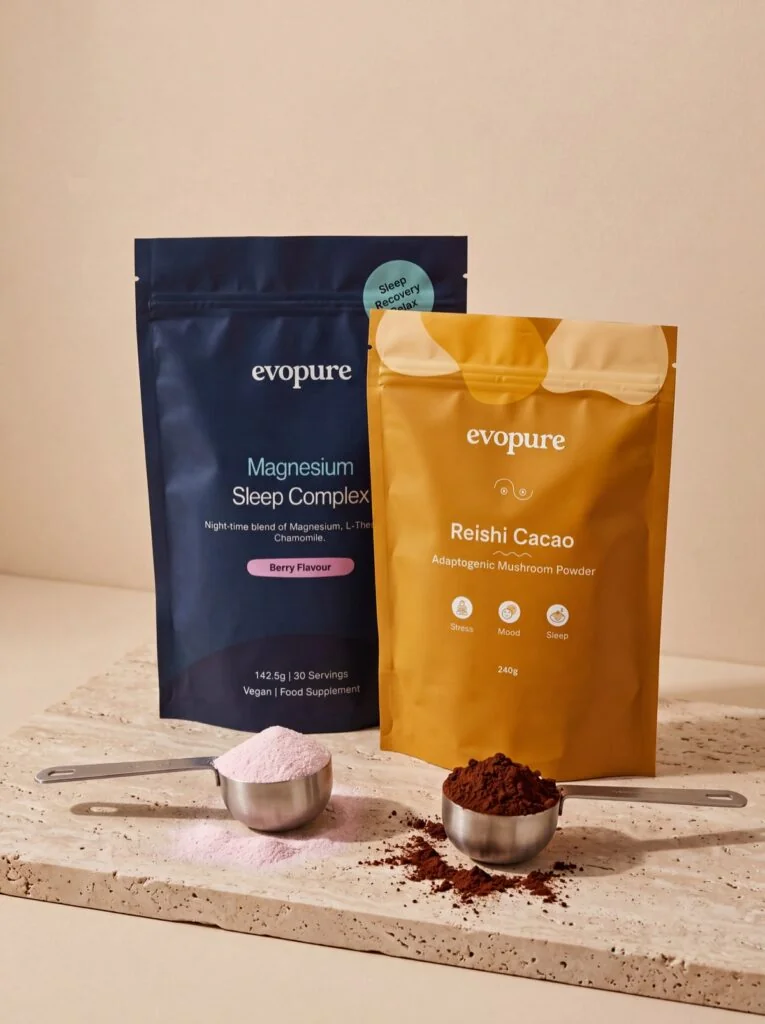
For magnesium by mouth: Magnesium Glycinate Sleep Complex is a berry drink powder with 290mg magnesium (77% NRV) per 4.75g serving from bisglycinate and citrate, plus glycine, L-theanine, chamomile, passionflower, hops and oat straw. Magnesium contributes to a reduction of tiredness and fatigue. Rated 4.7 out of 5 from 15 verified ratings.
Add Magnesium Sleep Complex to bag see ingredients and reviews
Thinking about CBD oil as part of your menopause routine? Our best CBD oil for menopause UK guide compares the options and what to check if you take HRT.
Subscribe and save 25% on your first order, then 20%. New to Evopure? Join our emails for 20% off a one-off first order. Free UK delivery over £40. Our products are for adults only, and we don’t recommend them during pregnancy or breastfeeding. If you take any regular medicines, including HRT, blood thinners or blood pressure tablets, check with your GP or pharmacist first: see does CBD interact with medication?
The FSA’s 10mg a day figure is precautionary advice rather than a legal limit, set while longer-term safety research continues. At Evopure we think it is a very cautious figure, and many adults use more. If you go above it, increase slowly, and check with your GP or pharmacist first if you take any medication.
Sources 11
- Wright VJ, Schwartzman JD, Itinoche R, Wittstein J. The musculoskeletal syndrome of menopause. Climacteric, 2024;27(5):466 to 472.
- Chlebowski RT et al. Estrogen alone and joint symptoms in the Women’s Health Initiative randomized trial. Menopause, 2018.
- NICE. Menopause: identification and management (NG23).
- NHS. Menopause and perimenopause symptoms.
- NHS. Benefits and risks of HRT.
- NHS. Osteoporosis: prevention.
- NHS. Frozen shoulder.
- NHS. Joint pain.
- NHS. Physical activity guidelines for adults.
- NHS. Vitamin D and Calcium.
- Food Standards Agency. Cannabidiol (CBD): consumer advice.
This guide is general information, not medical advice. If joint, muscle or bone symptoms are affecting your daily life, speak to your GP. Evopure makes the CBD Balm and Magnesium Glycinate Sleep Complex mentioned above; we are not connected with the authors of the research cited.