




Last updated: October 2026
Perimenopause is the time before your periods stop, usually starting in your 40s. Symptoms include changing periods, hot flushes, night sweats, poor sleep, anxiety, low mood, brain fog, joint aches and weight gain around the middle. The NHS says symptoms usually last 7 to 9 years. HRT is the main treatment, and lifestyle changes help too.
Below: the full list of perimenopause symptoms, early signs, what helps, supplements, when to see a GP, and links to our in-depth guides.
What is perimenopause?
Perimenopause is when your hormone levels start to fall and your periods begin to change, before they stop completely. Menopause is when you haven’t had a period for 12 months. The NHS says menopause usually happens between 45 and 55, but it can happen earlier. Perimenopause often starts a few years before that.
Perimenopause symptoms: the full list
| Type | Symptoms (NHS) | Our guide |
|---|---|---|
| Periods | More or less frequent, heavier or lighter, then stopping | |
| Temperature | Hot flushes and night sweats | Night sweats |
| Sleep | Trouble falling or staying asleep | Perimenopause and sleep |
| Mood | Mood swings, low mood, anxiety, irritability | Menopause and anxiety |
| Brain | Memory and concentration problems (brain fog) | Brain fog |
| Heart | Palpitations | |
| Body | Weight gain around the stomach, muscle aches, joint pains | Joint pain |
| Head | Worse headaches and migraines | |
| Skin and hair | Dry, itchy skin; thinning hair | |
| Intimate and urinary | Vaginal dryness, lower sex drive, UTI-like symptoms, needing to pee more | |
| Mouth | Sensitive teeth, sore gums | |
| Bones | Bone density loss over time |
Symptoms can change over time. For example, hot flushes may ease while low mood or anxiety appears.
Early signs of perimenopause
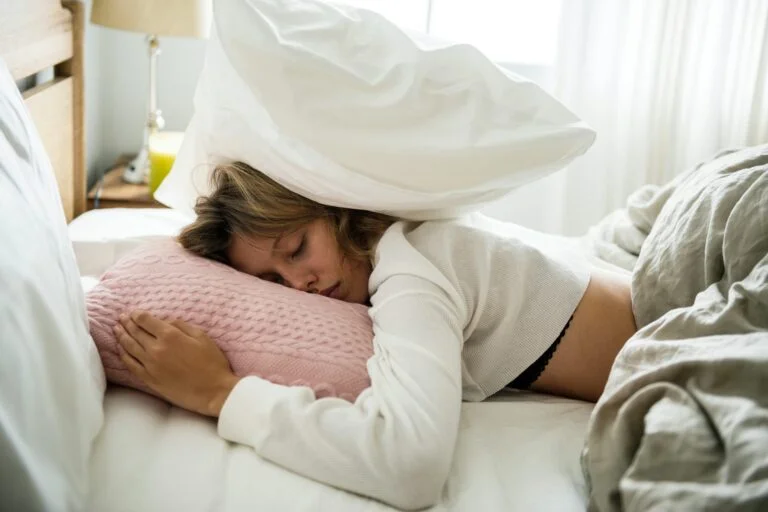
The first signs are often subtle: periods that come closer together or further apart, worse PMS, broken sleep, waking hot in the night, feeling more anxious or irritable than usual, or forgetting words. Many women don’t connect these with perimenopause at first. Keeping a symptom diary for a few months helps you spot the pattern and talk to your GP. See also stress and cortisol in women.
What helps
The NHS suggests:
- Regular sleep routines and plenty of rest. See how to sleep better.
- A healthy, balanced diet with calcium-rich foods such as dairy and leafy greens.
- Regular exercise, including weight-bearing and strength exercise. See creatine for women.
- Relaxation such as yoga, tai chi or meditation. See box breathing.
- Talking to others going through the same thing.
- Not smoking and keeping alcohol within the recommended limits.
Treatment: HRT and other options
Hormone replacement therapy (HRT) is the main treatment for menopause symptoms and can help with hot flushes, sleep, mood and joint aches. If you’re over 45, a GP can usually diagnose perimenopause from your symptoms without a blood test. Other options include CBT, which can help with low mood, anxiety and hot flushes, and some non-hormonal medicines. Your GP can talk you through the risks and benefits.
Supplements
Supplements don’t replace HRT or medical advice, and the NHS advises speaking to a doctor before taking herbal remedies. Vitamin D is advised for everyone in autumn and winter, and vitamin D contributes to the maintenance of normal bones. Magnesium contributes to the reduction of tiredness and fatigue and to normal psychological function. See our evidence-ranked guide to the best supplements for menopause and magnesium for menopause.
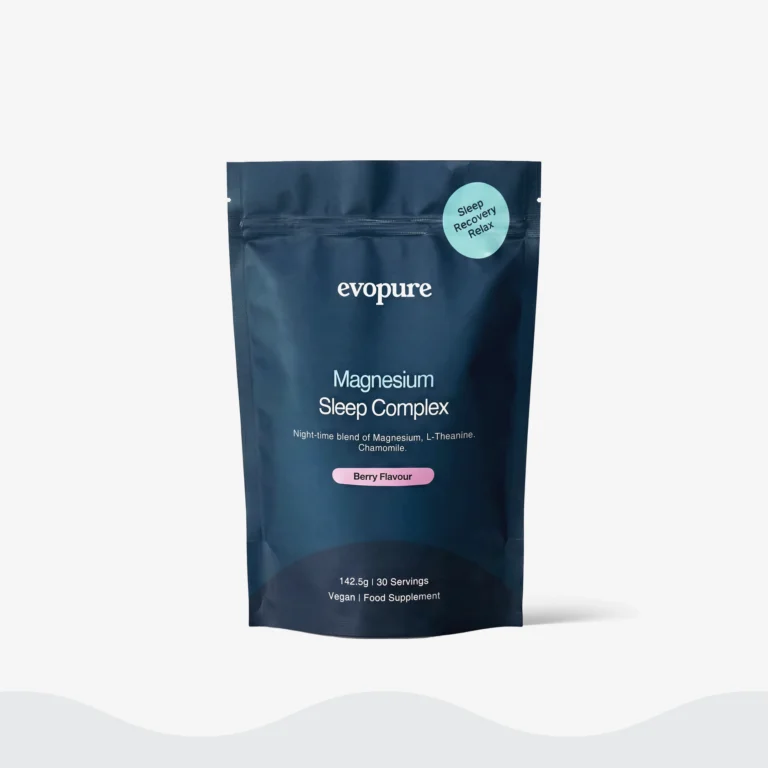
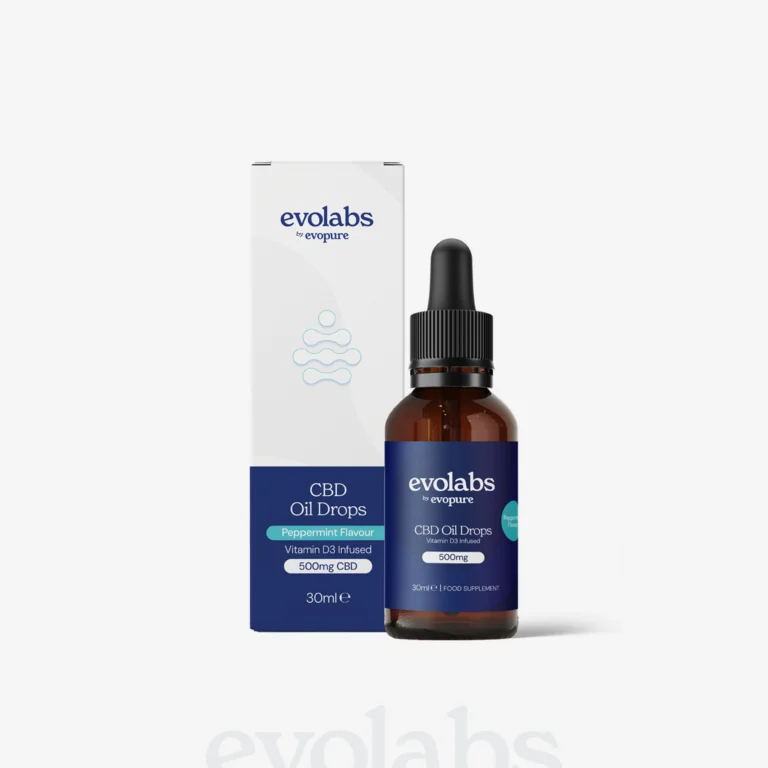
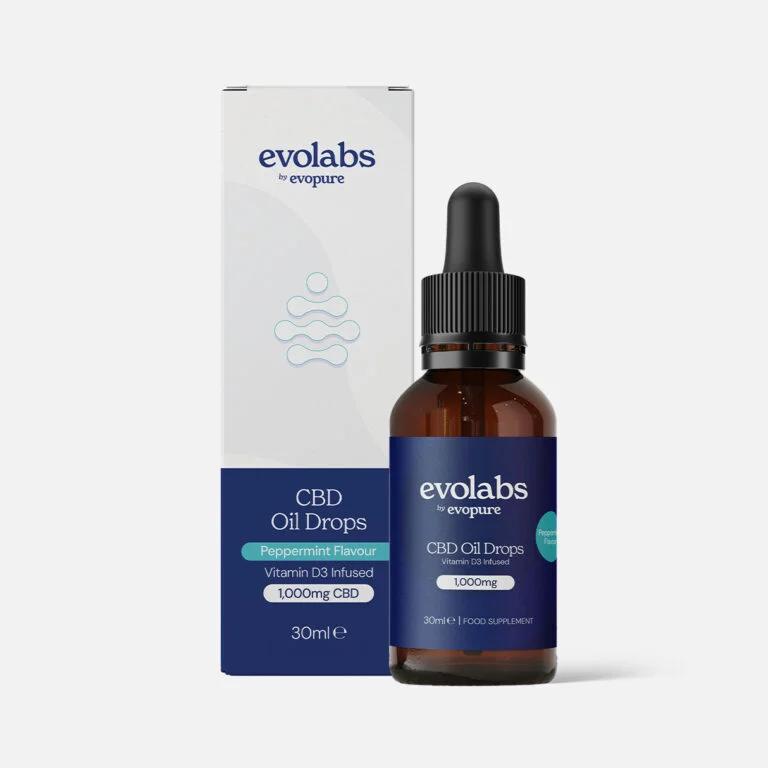
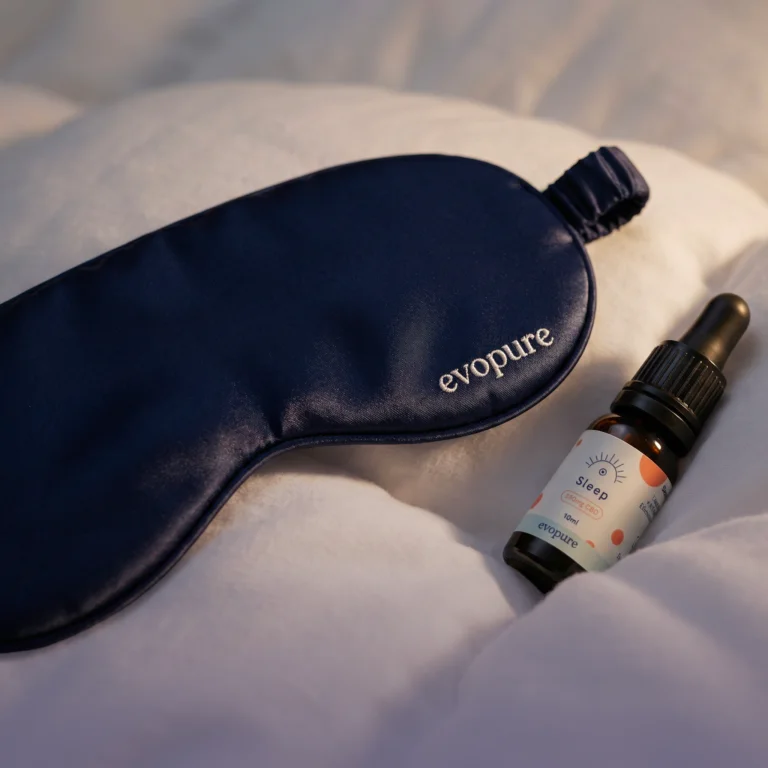
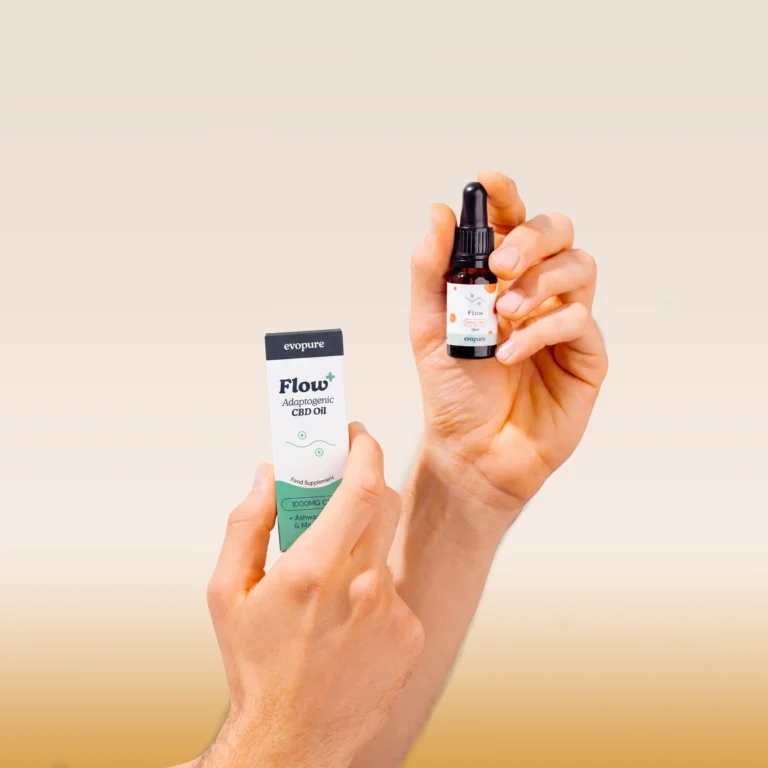
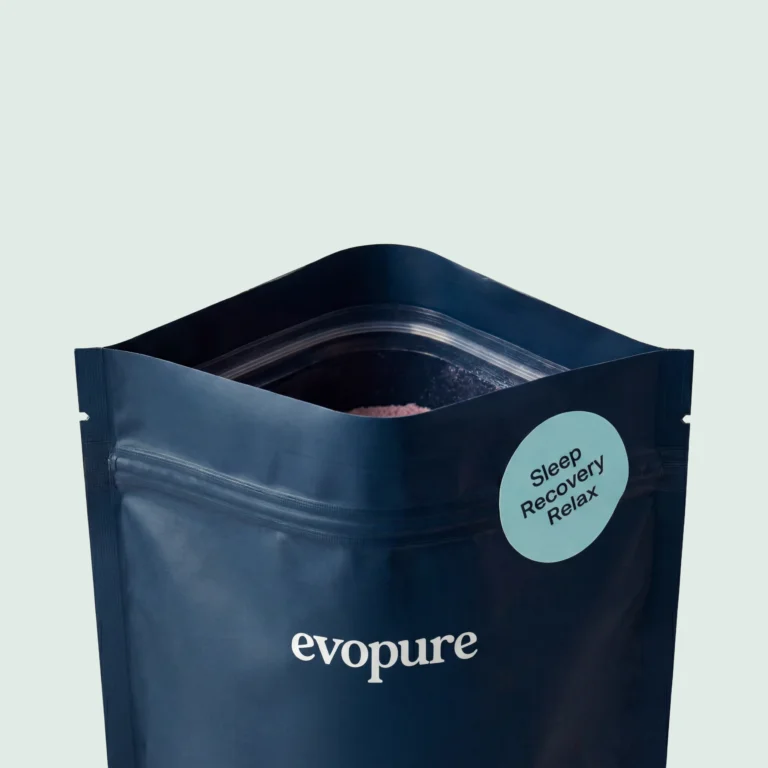
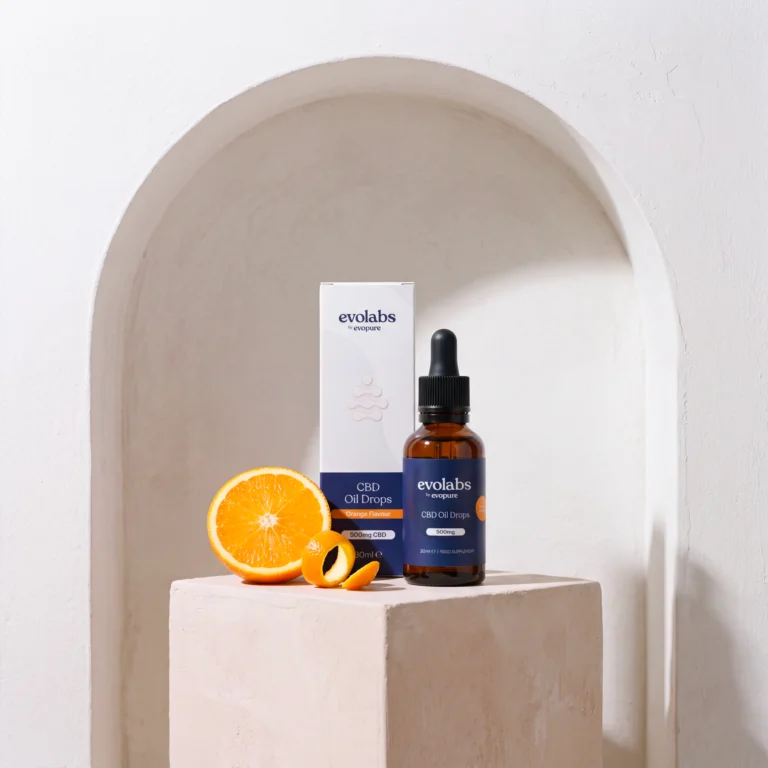
Our Magnesium Glycinate Sleep Complex is an evening magnesium drink, and our Evolabs Mint CBD Oil includes vegan, algae-based vitamin D3. The FSA’s 10mg a day figure for CBD is precautionary advice rather than a legal limit, set while longer-term safety research continues. At Evopure we think it is a very cautious figure, and many adults use more. If you go above it, increase slowly, and check with your GP or pharmacist first if you take any medication, including HRT.
When to see a GP
The NHS advises seeing a GP if you think you have perimenopause symptoms and want to know your options, you have palpitations, your periods become heavier than before, or you have any bleeding after 12 months without a period. Early advice can help, so don’t wait until symptoms are severe.
Curious about CBD? See CBD for menopause: what the research says.
See also the mental load.
FAQs
What are the first signs of perimenopause?
Changes to your periods, worse PMS, broken sleep, night sweats, feeling more anxious or irritable, and forgetting words are common early signs.
At what age does perimenopause start?
Usually in your 40s. The NHS says menopause usually happens between 45 and 55, and perimenopause often starts a few years before.
How long do perimenopause symptoms last?
The NHS says symptoms usually last 7 to 9 years, sometimes longer, and can change over time.
Can perimenopause cause anxiety?
Yes. Anxiety, mood swings and low mood are common perimenopause symptoms. Speak to your GP, as HRT and CBT can help.
Do I need a blood test to diagnose perimenopause?
Usually not if you’re over 45. A GP can diagnose it from your symptoms.
Sources
- NHS. Symptoms of menopause and perimenopause.
- NHS. Things you can do to help with menopause and perimenopause symptoms.
- NHS. Treatment for menopause and perimenopause.
- NICE. Menopause: identification and management (NG23).
This guide is general information, not medical advice. Evopure makes the Magnesium Glycinate Sleep Complex and Evolabs Mint CBD Oil with vitamin D3. We don’t recommend our products during pregnancy or breastfeeding.