

Last updated: October 2026
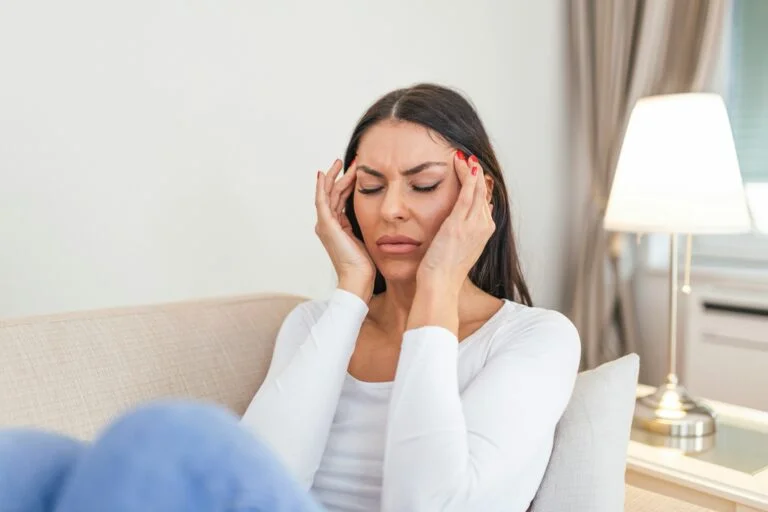
Body aches, or aching all over, are most often caused by a viral infection such as flu, COVID-19 or a cold, an unusually hard workout, poor sleep, stress or not drinking enough. Most settle within a few days with rest and fluids. See a GP if aches with no clear cause last more than a week or two.
Below: the causes, a “clue, cause, what to do” table, what helps and when to get help.
Call 999 or go to A&E if aches come with a rash that does not fade when you press a glass against it, a stiff neck, confusion or slurred speech, difficulty breathing, or blue, pale or blotchy skin. These can be signs of meningitis or sepsis, which need treatment straight away.
Common causes of body aches
Aching all over is a symptom, not a diagnosis. These are the usual reasons, from NHS guidance.
- Flu. The NHS lists “an aching body” with a sudden high temperature, exhaustion and a dry cough, coming on within hours. See cold or flu: how to tell the difference.
- COVID-19. An aching body is also a listed symptom, often with tiredness, a cough or a headache.
- A cold. Comes on over 2 to 3 days, mainly in your nose and throat, sometimes with aching muscles.
- Exercise (DOMS). Delayed onset muscle soreness typically peaks 48 to 72 hours after new or harder exercise, especially downhill walking or lowering weights. See muscle recovery.
- Poor sleep. Short or broken sleep lowers your pain threshold (more below). See sleep deprivation.
- Stress and tension. The NHS lists “muscle tension or pain” as a physical symptom of stress. See stress symptoms and stiff neck.
- Dehydration. Tiredness, headache and light-headedness are NHS-listed signs, more likely with a temperature, heavy sweating or alcohol.
- Low vitamin D. A long-term lack can cause osteomalacia in adults: pain in the back, shoulders, ribs, pelvis or legs, and weak muscles.
- Anaemia. Iron deficiency mainly causes tiredness, breathlessness and pale skin; vitamin B12 or folate deficiency can cause muscle weakness and pins and needles. See iron deficiency symptoms.
- An underactive thyroid. Slowly developing tiredness, feeling cold, weight gain and low mood. See underactive thyroid symptoms.
- Some medicines, such as statins. The NHS lists muscle pain as a common statin side effect.
- Fibromyalgia. Long-term pain all over the body, with stiffness, poor sleep, fatigue and “fibro-fog”. It may affect nearly 1 in 20 people to some degree. See our fibromyalgia guide.
- Polymyalgia rheumatica (PMR). Stiff, painful shoulders, neck and hips, worst for more than 45 minutes each morning. Very rare under 50; most people diagnosed are over 65.
If the ache is mainly in your joints, see our joint pain guide.
Clue, possible cause and what to do
Use your other symptoms as clues. This is a guide, not a diagnosis.
| Clue | Possible cause | What to do |
|---|---|---|
| Sudden, with a high temperature and exhaustion | Flu or COVID-19 | Rest, fluids, paracetamol or ibuprofen. NHS 111 if high risk or not better after 7 days |
| Blocked nose and sore throat over 2 to 3 days | A cold | Rest and fluids. GP if not better after 10 days |
| Sore muscles 1 to 3 days after new or harder exercise | DOMS | Gentle movement, easier sessions |
| Achy after several short or broken nights | Poor sleep | Protect sleep for a week |
| Tight neck and shoulders in busy weeks | Stress and tension | Movement, breaks, breathing exercises |
| Dark pee, thirst, headache, dizzy | Dehydration | Drink regularly until your pee is pale |
| Extreme tiredness, pale skin or breathlessness | Anaemia, thyroid, low vitamin D | Ask your GP about a blood test |
| New muscle aches after starting a statin | Medicine side effect | Speak to your GP. Don’t just stop it |
| Widespread pain for months, poor sleep, brain fog | Fibromyalgia | See a GP |
| Over 50, stiff shoulders and hips for 45+ minutes each morning | Polymyalgia rheumatica | See a GP if it lasts over a week |
| Non-fading rash, stiff neck, confusion, breathlessness | Meningitis or sepsis | Call 999 or go to A&E |
Body aches with or without a fever
With a fever
Aches plus a high temperature usually mean an infection, most often flu or COVID-19. You may feel hot to touch, or cold and shivery. Rest, fluids and paracetamol or ibuprofen are the NHS advice. Uncontrollable shivering, muscle pain and confusion together can be sepsis: call 999.
Without a fever
Body aches with no fever are more often down to exercise, poor sleep, stress, dehydration or a cold (a high temperature is only sometimes part of a cold). If they keep coming back or last more than a week or two, look at slower causes: low vitamin D, anaemia, thyroid problems, a medicine side effect or fibromyalgia.
Body aches and tiredness
Aching and tiredness often travel together: viral infections, poor sleep, stress, dehydration, anaemia and an underactive thyroid can cause both.
If you’ve felt exhausted and achy for weeks and rest doesn’t help, see a GP. Blood tests can check for anaemia, thyroid problems and low vitamin D. If you’re exhausted all the time and symptoms get worse after activity, ask about ME/CFS. Our guide to why you’re always tired covers the wider list of causes.
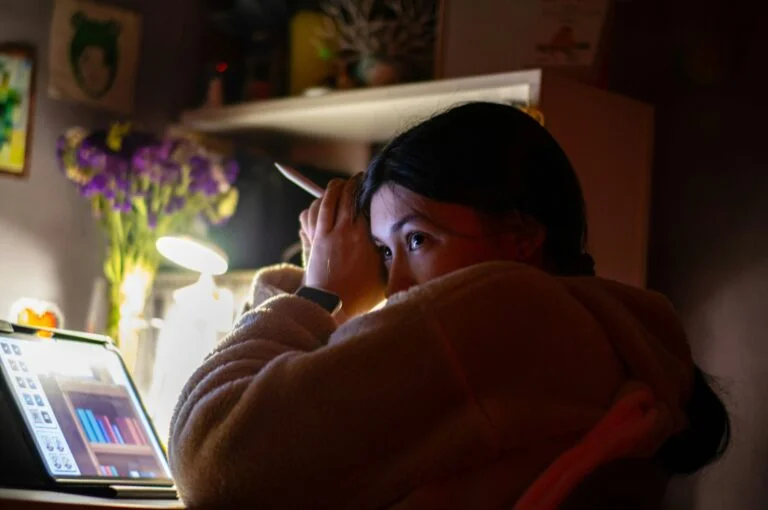
Why poor sleep makes you ache more
Sleep and pain are closely linked:
- A 2015 meta-analysis of experimental studies found that sleep deprivation made healthy people more sensitive to pain, with a medium-sized effect. These were lab experiments, so the real-world size of the effect is less clear.
- A 2019 brain imaging study at the University of California, Berkeley found that acute sleep deprivation lowered pain thresholds and amplified pain responses in the brain’s sensing areas. Outside the lab, in a general population sample, even small night-to-night dips in sleep quality were followed by more pain the next day.
So if you ache after a run of bad nights, sleep itself may be part of the answer: a regular bedtime, a cool dark room and less caffeine after midday.
Low vitamin D and aching: what the evidence says
The NHS says vitamin D helps keep bones, teeth and muscles healthy, and that between October and early March we do not make enough from UK sunlight. A GP can check your level with a blood test.
To be honest about the research: a Cochrane review of 10 trials (811 people) found no consistent sign that vitamin D supplements eased chronic pain conditions, and judged a large benefit unlikely. It matters if you are low, but it isn’t a cure for aches. The NHS advises that everyone should consider 10 micrograms a day in autumn and winter, and no more than 100 micrograms a day. See vitamin D deficiency symptoms.
What helps body aches
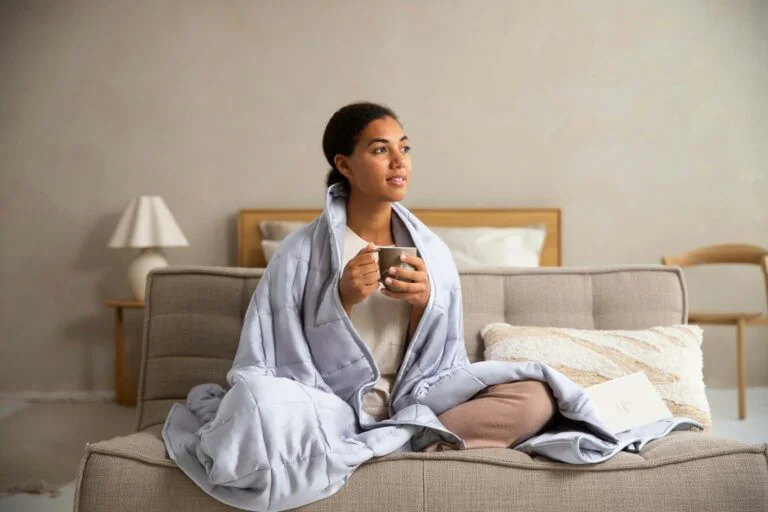
- Rest if you have a virus.
- Fluids. Drink enough that your pee is pale yellow or clear. See how much water to drink.
- Pharmacy painkillers. The NHS advises paracetamol or ibuprofen for flu aches and pains. Ibuprofen isn’t suitable for everyone, for example with a past stomach ulcer, asthma, a heart, liver or kidney condition, or pregnancy. Don’t take paracetamol alongside a flu remedy that also contains it. Ask a pharmacist if unsure.
- Gentle movement. Once you feel better, keep moving: for back pain the NHS advises staying active rather than resting in bed. For DOMS, a sports medicine review suggests easing off for a day or two rather than stopping. For fibromyalgia, the NHS says exercise can help reduce pain.
- Heat. The NHS suggests a heat pack or hot water bottle, wrapped in a tea towel, for stiffness and muscle spasms. Read our hot water bottle safety guide first.
- Sleep. Given the research above, it’s worth protecting your sleep for a week and seeing whether the aches ease.
- Ease stress with breathing exercises, activity and talking to someone you trust.
No supplement treats body aches. For a calm evening routine, our Magnesium Glycinate Sleep Complex is a caffeine-free bedtime drink with magnesium bisglycinate and citrate, L-theanine and botanicals. Magnesium contributes to normal muscle function and to a reduction of tiredness and fatigue. See magnesium for sleep.
For winter vitamin D, if you already use CBD oil, our Evolabs Mint CBD Oil with vitamin D3 adds 5 micrograms of vegan D3 per half pipette to broad spectrum CBD. Vitamin D contributes to the maintenance of normal muscle function. CBD isn’t a treatment for aches or pain. Our products are for adults (18+) only, and we don’t recommend them during pregnancy or breastfeeding.
The FSA’s 10mg a day figure is precautionary advice rather than a legal limit, set while longer-term safety research continues. At Evopure we think it is a very cautious figure, and many adults use more. If you go above it, increase slowly, and check with your GP or pharmacist first if you take any medication.
When to see a GP or get urgent help
See a GP if
- aches with no clear cause last more than a week or two, or keep coming back
- you also have unexplained weight loss, loss of appetite or extreme tiredness
- new muscle aches started after you began a statin or another new medicine
- you’re over 50 with shoulders, neck or hips stiff for over 45 minutes each morning
- you have muscle weakness, such as struggling to climb stairs or get up from a chair
On statins, the NHS says talk to a doctor before stopping. In the UK StatinWISE trial of 200 people who had stopped or considered stopping statins because of muscle symptoms, symptoms overall were no different on the statin than on a dummy pill. Your GP may change the dose or the statin.
Ask for an urgent GP appointment or call NHS 111 if
- you have flu symptoms and are 65 or over, pregnant or have a long-term condition, feel very unwell or short of breath, or aren’t better after 7 days
- you have PMR and get a new headache, jaw pain when eating or sight problems
- you’re on a statin and have severe muscle pain or weakness, possibly with a high temperature or red or brown pee
Call 999 or go to A&E if
- a rash does not fade when you press a glass against it
- you have a stiff neck, a very painful headache or can’t look at bright lights
- you’re confused, breathing very fast or have blue, pale or blotchy skin
For pain centred on the face and jaw, see jaw pain: causes, one-sided pain and when to worry.
FAQs
Why does my body ache all over?
Usually a virus such as flu, COVID-19 or a cold, a hard workout, poor sleep, stress or dehydration. Less often: low vitamin D, anaemia, an underactive thyroid, statins, fibromyalgia or polymyalgia rheumatica.
Why do I have body aches but no fever?
Often exercise, poor sleep, stress, dehydration or a cold. If they last more than a week or two, see a GP to check for low vitamin D, anaemia, thyroid problems or a medicine side effect.
Why do I feel achy and tired?
Viral infections, poor sleep, stress, anaemia, an underactive thyroid and low vitamin D can cause both. If it has lasted weeks, ask your GP about a blood test.
How long do body aches last?
Exercise soreness peaks 2 to 3 days after a workout, then fades. Call NHS 111 if flu isn’t improving after 7 days, and see a GP if unexplained aches last more than a week or two.
What is the best thing to take for body aches?
The NHS advises paracetamol or ibuprofen for flu aches, along with rest and fluids. Ibuprofen isn’t suitable for everyone, so check the leaflet or ask a pharmacist.
Can lack of sleep make your body ache?
Yes. Studies show sleep loss lowers your pain threshold, and even small drops in sleep quality were linked to more pain the next day.
Sources
- NHS. Flu; COVID-19 symptoms and what to do; Common cold.
- NHS. Stress; Dehydration.
- NHS. Vitamin D; Rickets and osteomalacia.
- NHS. Iron deficiency anaemia; Vitamin B12 or folate deficiency anaemia; Underactive thyroid.
- NHS. Statins; Atorvastatin; Ibuprofen for adults.
- NHS. Fibromyalgia; Polymyalgia rheumatica; Back pain.
- NHS. Meningitis; Sepsis.
- Schrimpf M, et al. The effect of sleep deprivation on pain perception in healthy subjects: a meta-analysis. Sleep Med, 2015.
- Krause AJ, et al. The pain of sleep loss: a brain characterization in humans. J Neurosci, 2019.
- Straube S, et al. Vitamin D for the treatment of chronic painful conditions in adults. Cochrane Database Syst Rev, 2015.
- Cheung K, et al. Delayed onset muscle soreness: treatment strategies and performance factors. Sports Med, 2003.
- Hotfiel T, et al. Advances in delayed-onset muscle soreness (DOMS): Part I: pathogenesis and diagnostics. Sportverletz Sportschaden, 2018.
- Herrett E, et al. Statin treatment and muscle symptoms: series of randomised, placebo controlled n-of-1 trials. BMJ, 2021.
- Food Standards Agency. Cannabidiol (CBD) guidance.
This guide is general information, not medical advice. Evopure makes the Magnesium Glycinate Sleep Complex and the Evolabs Mint CBD Oil with vitamin D3.