Last updated: October 2026
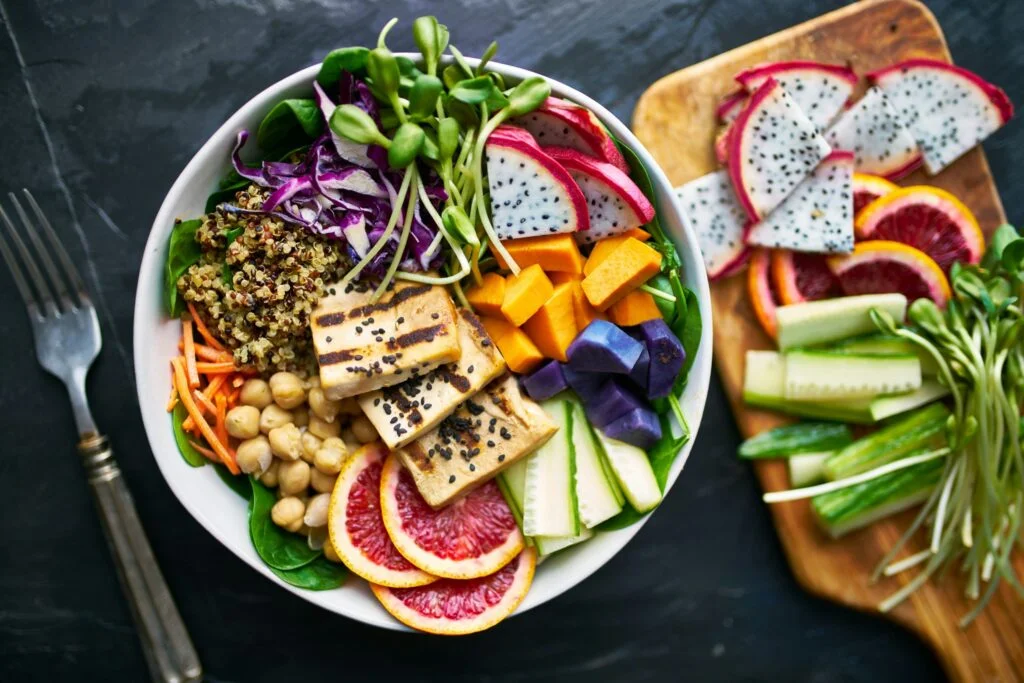
To improve gut health, aim for the UK target of 30g of fibre a day (most adults eat about 20g), eat a wide variety of plants, add fermented foods like yoghurt and kefir, cut back on ultra-processed food and alcohol, sleep well, move daily and manage stress. Most healthy people don’t need gut health supplements: food comes first.
A few supplements do have specific uses, compared in the table below: probiotics around antibiotics or for IBS, psyllium (ispaghula husk) for constipation, peppermint oil for IBS cramps and bloating, and lactase for lactose intolerance. Facts checked October 2026.
What is gut health?
“Gut health” usually means a digestive system that works comfortably, with regular bowel movements and little bloating or pain, plus a diverse community of bacteria living in your gut (the microbiome). Fibre and a varied, plant-rich diet feed those bacteria. The NHS says eating plenty of fibre is linked to a lower risk of heart disease, stroke, type 2 diabetes and bowel cancer, and helps prevent constipation.
There’s no single test or supplement that “fixes” your gut. The things with the best evidence are everyday habits: what you eat, how much you move, how well you sleep and how you handle stress.
Our pick
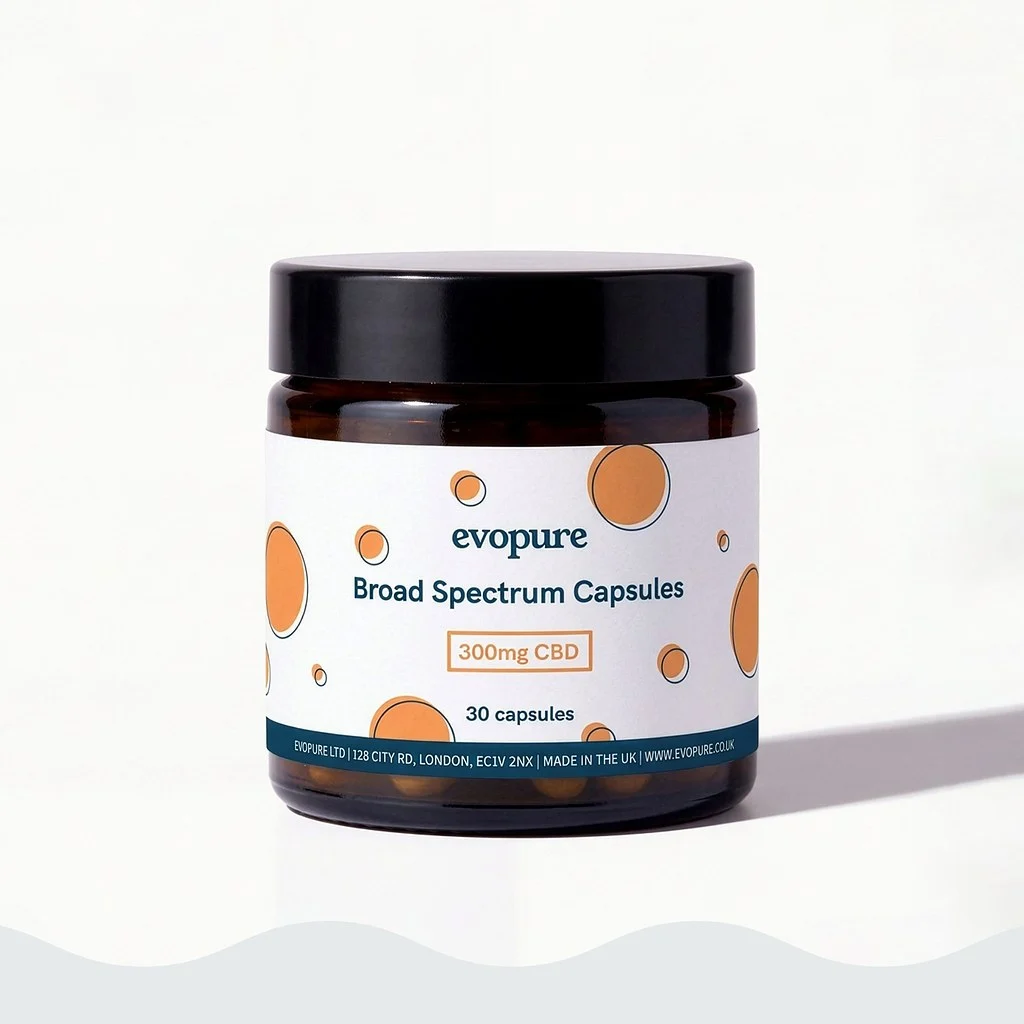
CBD Capsules Broad Spectrum
Broad Spectrum CBD Capsules is vegan capsules with 10mg or 25mg of broad spectrum CBD each, for no taste and no measuring.
Add Broad Spectrum CBD Capsules 10mg to bag or choose another strength
Broad spectrum with 0% THC, every batch third-party lab tested, made in the UK. For adults only. We don’t recommend our products during pregnancy or breastfeeding. Free UK delivery over £45.
Subscribe from £18.74One-off from £24.99
View productGut health supplements UK: what’s worth it?
Short answer: for most healthy people, not much. The British Dietetic Association says that if you’re healthy, a probiotic supplement is unlikely to be beneficial, and Guts UK, the digestive health charity, says there’s no strong evidence for specific probiotic recommendations. A few supplements do have a clear use for specific problems. Here’s how the popular options compare.
| Supplement | What the evidence shows | Who it might suit | Caution |
|---|---|---|---|
| Probiotics | Effects depend on the strain. A 2021 review of 42 trials found probiotics taken with antibiotics cut antibiotic-associated diarrhoea by about 37%. The NHS says there’s some evidence for some IBS symptoms. | Adults on antibiotics; IBS (NICE: try one for at least 4 weeks) | Products may not contain what the label says. Ask a doctor first if your immune system is weakened. |
| Prebiotics (inulin, FOS, GOS) | Chicory inulin has an authorised claim at 12g a day: normal bowel function by increasing stool frequency. Studied less than probiotics (BDA). | People who eat few onions, garlic, leeks or oats | Start small and build up slowly. |
| Psyllium (ispaghula husk) | A bulk-forming laxative (for example Fybogel). The NHS says this type is usually the best to try first. It takes up to 3 days to work. | Adults with constipation when diet changes aren’t enough | Drink plenty of fluids. Speak to a pharmacist if 3 days haven’t helped. |
| Magnesium | Magnesium hydroxide is a licensed constipation medicine (BNF), and the NHS says over 400mg of magnesium can cause diarrhoea. No authorised GB claim for digestion or bloating. | Occasional constipation: see magnesium for constipation | Keep to 400mg a day or less from supplements. |
| Peppermint oil | A licensed antispasmodic. The NHS says it eases cramps, bloating and wind, particularly in IBS. | People with IBS | Can cause heartburn. Check with a doctor before using it for more than 2 weeks. |
| Digestive enzymes | Lactase may reduce or prevent symptoms of lactose intolerance (NHS). Pancreatic enzymes are prescription only. Little good evidence for general blends. | Diagnosed lactose intolerance | Get ongoing symptoms checked: coeliac disease can be the cause. |
| Apple cider vinegar | No good human trials for bloating or digestion. Those claims are non-authorised in GB. | Not needed for gut health | Acidic: dilute it and protect your teeth. |
| Collagen, glutamine and peptides | Weak. Glutamine gut claims are non-authorised in GB. Your gut digests collagen rather than absorbing it whole. BPC-157 is mostly animal research. | Not recommended on current evidence | Be wary of “heals your gut” wording. See collagen supplements. |
| Mushrooms | Very limited human evidence for gut health so far. | Not a gut fix | Ask a pharmacist if you take medication. |
For a ranked list with doses, see supplements for digestion. Looking at mushrooms? A small 2014 trial of a turkey tail extract reported changes in gut bacteria; our turkey tail guide explains how limited that evidence is.
Supplements for gut health and bloating
Bloating has many causes, so the best supplement for gut health and bloating depends on yours. If constipation is behind it, more fibre, psyllium or magnesium are the usual first steps: see magnesium for bloating. With IBS, the NHS suggests asking a pharmacist about peppermint oil and trying probiotics for a month; our IBS guide covers the rest. If dairy sets it off, lactase may reduce symptoms. Bloating that keeps coming back, even after changing your diet, needs a GP check.
Peptides for gut health: what is BPC-157?
BPC-157 is a lab-made peptide based on a protein found in the stomach, sold online (often for injection) with “gut healing” claims. A 2025 systematic review found that 35 of its 36 included studies were in animals or cells, and no clinical safety data. It’s also banned in professional sport. We’d steer clear. Collagen peptides are different: a food protein your gut breaks down like any other.
Why UK probiotic labels say so little
There are no authorised health claims for probiotics in Great Britain: every probiotic entry on the GB nutrition and health claims register is non-authorised. The advertising regulator (CAP) notes Department of Health and Social Care guidance that the word “probiotic” itself suggests a link between food and health, so it can count as at least a general health claim. That’s why many UK packs say “live cultures” instead. The only authorised claim about live bacteria is that live cultures in yoghurt or fermented milk improve lactose digestion of the product in people who have difficulty digesting lactose.
Label checklist
- The full strain name, such as genus, species and strain code. The NHS notes that a type that helps one problem won’t necessarily help another.
- How many live bacteria it promises, and whether that’s guaranteed until the use-by date.
- Storage instructions: some products need the fridge to keep bacteria alive.
- Dose and how long to take it. For IBS, NICE suggests at least 4 weeks before judging.
- Fibre per serving for prebiotics. A few grams is very different from the 12g a day behind the chicory inulin claim.
- Claims that sound too good. “Heals your gut”, “detox” or “boosts immunity” on a probiotic isn’t an authorised claim in GB.
- Your medicines. Ask a pharmacist if you take regular medication, and talk to a doctor first if you have a weakened immune system.
How to improve gut health: 10 steps
- Eat 30g of fibre a day: UK guidelines; most adults eat about 20g. Our high fibre foods list shows grams per portion.
- Aim for variety: different fruit, vegetables, wholegrains, beans, nuts and seeds through the week. In the large American Gut citizen science project, the range of plants people ate was one of the diet factors linked with their gut bacteria.
- Add fermented foods: yoghurt, kefir, sauerkraut, kimchi.
- Include prebiotic foods such as onions, garlic, leeks, bananas, oats and chicory root.
- Increase fibre gradually to avoid bloating, and drink more water as you do. See how much water you need a day.
- Move every day: activity helps keep things moving. Even a brisk walk counts; Japanese walking is an easy interval routine to start with.
- Limit ultra-processed food, which tends to be low in fibre.
- Go easy on alcohol. It also disrupts sleep: see alcohol and sleep.
- Manage stress and protect your sleep (see below).
- Only take antibiotics when needed, and finish the course as prescribed.
Best foods for gut health
| Food type | Examples | Why |
|---|---|---|
| Wholegrains | Oats, wholemeal bread, brown rice | Fibre |
| Beans and lentils | Chickpeas, kidney beans, lentils | Fibre and protein |
| Fruit and vegetables | Berries, apples, pears, leafy greens, carrots | Fibre and variety |
| Prebiotic foods | Onions, garlic, leeks, asparagus, bananas, chicory | Contain fibres such as inulin that feed gut bacteria |
| Fermented foods | Live yoghurt, kefir, sauerkraut, kimchi, miso | Contain live microbes |
| Nuts and seeds | Almonds, chia, flaxseed | Fibre, plus magnesium. See foods high in magnesium |
In a 17-week Stanford study, a high-fermented-food diet steadily increased gut microbiome diversity and lowered inflammatory markers in healthy adults. A major Lancet review found that higher fibre and wholegrain intakes were linked to better health outcomes, with dose-response evidence suggesting the link could be causal.
Fermented foods for gut health
Live yoghurt, kefir, kimchi, sauerkraut, miso and kombucha all contain microbes from fermentation. Look for “live” or “live cultures” on the label, and choose chilled, unpasteurised jars of kimchi or sauerkraut, as heat treatment kills the bacteria.
- Is kimchi good for gut health? It’s a good fermented choice. Kimchi is fermented by lactic acid bacteria that reach very high numbers, though a 2024 review was still asking whether it deserves “probiotic” status. Many jars are salty, so check the label.
- Kombucha: human trials are small and mixed, and the BDA says kefir and kombucha may contain helpful microbes but aren’t considered probiotics. The best kombucha for gut health is a low-sugar, live one: see kombucha benefits for sugar, alcohol and caffeine.
A simple gut health diet plan (one day)
- Breakfast: porridge oats with berries, ground flaxseed and live yoghurt.
- Lunch: lentil and vegetable soup with wholemeal bread.
- Snack: an apple and a handful of almonds.
- Dinner: a tofu, chicken or salmon stir-fry with brown rice, broccoli, peppers and a spoonful of kimchi.
Change the fruit, vegetables, grains and beans each day for variety.
Is honey or apple cider vinegar good for gut health?
Honey: not really a gut food. Reviews have looked at honey’s plant compounds and gut bacteria, mostly in lab and animal studies, but evidence in people is thin. The NHS counts honey as a free sugar, and adults should have no more than 30g of free sugars a day. Enjoy a little for taste, not for your gut. Our manuka honey guide explains MGO and UMF.
Apple cider vinegar: no good human trials show it eases bloating or improves digestion, and claims that it helps digestion are non-authorised in Great Britain. It’s acidic, so dilute it and protect your teeth. See apple cider vinegar for safe use.
Prebiotics vs probiotics
| Prebiotics | Probiotics | |
|---|---|---|
| What they are | Fibres that feed your existing gut bacteria | Live bacteria and yeasts |
| Examples | Inulin (in chicory, onions, garlic), oats, bananas | Live yoghurt, kefir, supplements |
| Evidence | Chicory inulin has an authorised claim: it contributes to normal bowel function by increasing stool frequency, at 12g a day | The NHS says there’s some evidence for easing some IBS symptoms, but little for many other claims |
Two Evopure products contain inulin: our Broad Spectrum CBD Capsules (broad spectrum CBD with inulin in a vegan HPMC capsule) and our Magnesium Glycinate Sleep Complex. The amounts are far below the 12g a day the authorised claim needs, so we don’t sell either one as a gut health supplement, and neither replaces a fibre-rich diet. The FSA’s 10mg a day figure is precautionary advice rather than a legal limit, set while longer-term safety research continues. At Evopure we think it is a very cautious figure, and many adults use more. If you go above it, increase slowly, and check with your GP or pharmacist first if you take any medication. We don’t recommend our products during pregnancy or breastfeeding.
For the full picture on strains, timing and side effects, see our guide to probiotics.
Stress and gut health
Your gut and brain are in constant two-way communication, often called the gut-brain axis. Stress can upset digestion, which is why many people get stomach aches or bloating when anxious, and poor sleep can affect appetite and food choices. The NHS lists stress and anxiety among the triggers for IBS flare-ups, alongside certain foods, alcohol and caffeine. Looking after stress and sleep is part of looking after your gut. See nervous system regulation, box breathing, sleep hygiene and magnesium for bloating. Magnesium contributes to normal psychological function.
For the physical signs of stress, read stress symptoms. For more on how diet and mood are linked, see food and mood and anxiety and your stomach.
When to see a GP
iSee a GP if you have any of these, which the NHS lists as possible signs of bowel cancer or reasons to get stomach symptoms checked:
- changes in your poo that are not usual for you, such as softer poo, diarrhoea or constipation
- needing to poo more or less often than usual
- blood in your poo (it may look red or black), or bleeding from your bottom
- losing weight without trying
- bloating that does not go away or keeps coming back, or you feel bloated regularly even after changing your diet
- tummy pain that keeps coming back, or a lump in your tummy
- problems swallowing food
- feeling very tired or short of breath
iAsk for an urgent GP appointment or contact NHS 111 if your poo is black or dark red, or you have bloody diarrhoea. Call 999 or go to A&E if you’re bleeding non-stop from your bottom or there’s a lot of blood.
These symptoms can have many causes, including IBS, coeliac disease and, rarely, bowel cancer, so it’s important to get them checked. Try not to be embarrassed: GPs talk about this every day.
Related guides
- CBD isn’t a treatment for IBS: see CBD and IBS: what the research shows.
- See best CBD capsules UK for how our capsules compare.
- Most serotonin is made in the gut. See how to boost serotonin naturally.
- Tired after eating: when it could be coeliac disease or a food intolerance.
- Taking antibiotics and CBD? See CBD and antibiotics.
- Sea moss is often sold as a gut supplement, but the research is lab-only so far: see sea moss benefits and risks.
- Severe or persistent mouth ulcers are one reason the NHS recommends testing for coeliac disease.
- Is manuka honey good for your gut?
- Garlic benefits, raw vs cooked.
- For one food trialled for gut bacteria, see avocado benefits: what the evidence shows.
- Foods that help you poop, and the ones that can make constipation worse.
- If you get regular cramps, bloating and changes in your bowel habit, read how to know if you have IBS.
- See also our anti-inflammatory diet for beginners.
- Stress can change how your gut works too; see how stress affects the body.
- Turmeric has a traditional use for mild indigestion: see turmeric for digestion for what the trials show.
- Mushrooms add fibre to meals; here’s how to eat shiitake mushrooms safely and what the gut research shows.
Sources 23
- NHS. How to get more fibre into your diet.
- NHS. Probiotics.
- NHS. Symptoms of bowel cancer; Bloating; Stomach ache.
- NHS. Laxatives.
- NHS. Lactose intolerance.
- NHS. IBS symptoms (triggers) and IBS diet, lifestyle and medicines.
- NHS. About peppermint oil.
- NHS. Vitamins and minerals: magnesium; Sugar: the facts.
- NICE BNF. Magnesium hydroxide.
- NICE. Irritable bowel syndrome in adults: diagnosis and management (CG61), recommendation 1.2.1.6.
- British Dietetic Association. Probiotics: food fact sheet.
- Guts UK. Prebiotics and probiotics.
- ASA/CAP. Food: probiotic claims.
- Department of Health and Social Care. Great Britain nutrition and health claims (NHC) register (probiotic, glutamine and apple cider vinegar entries: non-authorised; chicory inulin, wheat bran and rye fibre, lactase and live yoghurt cultures: authorised; magnesium: no digestion or bloating claim).
- Goodman C et al (2021). Probiotics for the prevention of antibiotic-associated diarrhoea: a systematic review and meta-analysis. BMJ Open (PMID 34385227).
- Ianiro G et al (2016). Digestive enzyme supplementation in gastrointestinal diseases. Curr Drug Metab (PMID 26806042).
- Zhou Q et al (2019). Randomised placebo-controlled trial of dietary glutamine supplements for postinfectious irritable bowel syndrome. Gut (PMID 30108163).
- McDonald D et al (2018). American Gut: an open platform for citizen science microbiome research. mSystems (PMID 29795809).
- Wastyk HC et al (2021). Gut-microbiota-targeted diets modulate human immune status. Cell.
- Reynolds A et al (2019). Carbohydrate quality and human health: a series of systematic reviews and meta-analyses. The Lancet.
- Cha J et al (2024). Does kimchi deserve the status of a probiotic food? Crit Rev Food Sci Nutr (PMID 36718547).
- Ranneh Y et al (2021). Honey and its nutritional and anti-inflammatory value. BMC Complement Med Ther (PMID 33441127).
- Vasireddi N et al (2025). Emerging use of BPC-157 in orthopaedic sports medicine: a systematic review. HSS J (PMID 40756949).
This guide is general information, not medical advice. Evopure makes the Broad Spectrum CBD Capsules and Magnesium Glycinate Sleep Complex.