


Last updated: October 2026
The best teas for sleep are caffeine-free herbal teas such as chamomile, passionflower, valerian, lemon balm and lavender. Chamomile has the most research, linked to better sleep quality. Passionflower and valerian have smaller studies. Avoid black, green and white tea in the evening, as they contain caffeine. A warm, caffeine-free drink is also a helpful bedtime cue.
Below: herbal teas for sleep ranked by evidence, teas to avoid at night, how to make a bedtime tea, sleep teas for anxiety, and safety.
Best teas for sleep ranked by evidence
| Tea | Taste | What the research shows |
|---|---|---|
| 1. Chamomile | Mild, floral, apple-like | The best studied. A 2019 meta-analysis found it improved sleep quality, though not insomnia itself |
| 2. Passionflower | Mild, grassy | A small trial found a week of passionflower tea led to slightly better self-rated sleep quality than a placebo tea |
| 3. Valerian | Earthy, strong smell | A meta-analysis suggested it may improve sleep quality, but studies were mixed and many were low quality |
| 4. Lemon balm | Lemony, fresh | Traditionally used for calm; limited sleep research, often studied with valerian |
| 5. Lavender | Floral | Popular for relaxation; most research is on lavender scent rather than tea |
| 6. Rooibos | Sweet, nutty | No sleep research, but naturally caffeine-free and a good swap for black tea |
| 7. Peppermint | Fresh | Caffeine-free and soothing after a meal; no direct sleep research |
Many shop-bought sleep teas blend several of these. See passionflower for sleep and natural sleep aids ranked by evidence.
Teas to avoid before bed
| Tea | Why |
|---|---|
| Black tea (builder’s, Earl Grey, English breakfast) | About 75mg of caffeine per mug, according to the NHS |
| Green and white tea | Contain caffeine, though less than black tea |
| Matcha | Concentrated green tea, often high in caffeine |
| Chai | Usually made with black tea |
Keep caffeinated tea to before midday. See caffeine and anxiety.
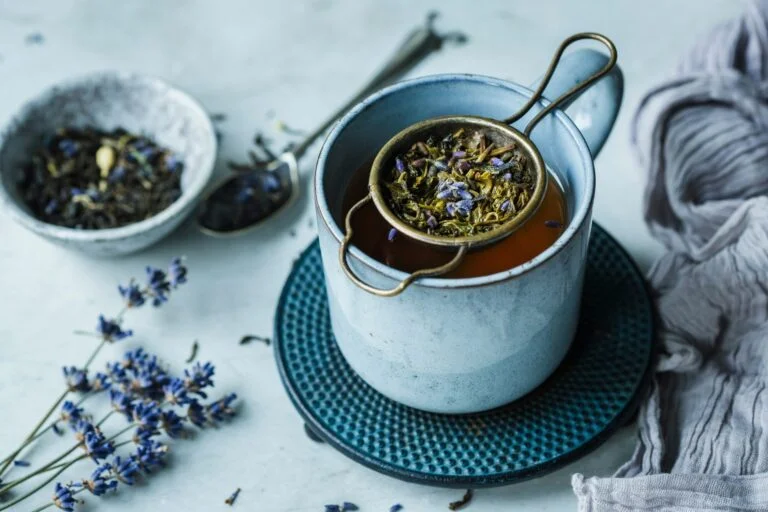
How to make a bedtime tea
- Use 1 tea bag or 1 to 2 teaspoons of dried herbs per mug.
- Pour on freshly boiled water and cover the mug to keep the oils in.
- Steep for 5 to 10 minutes for a stronger tea.
- Add honey or a slice of lemon if you like.
- Drink it 30 to 60 minutes before bed, so you’re not up for the loo.
Make it part of a wind-down: dim lights, no screens, a book. See how to sleep better.
Best tea for sleep and anxiety
Chamomile, passionflower and lemon balm are the traditional choices when a busy mind keeps you awake. The ritual itself helps too: sitting down with a warm mug is a signal to switch off. If anxiety regularly stops you sleeping, see anxiety at night and how to stop overthinking.
Not a tea fan? Other bedtime drinks
| Drink | Why people choose it |
|---|---|
| Warm milk or a milky drink | A comforting classic |
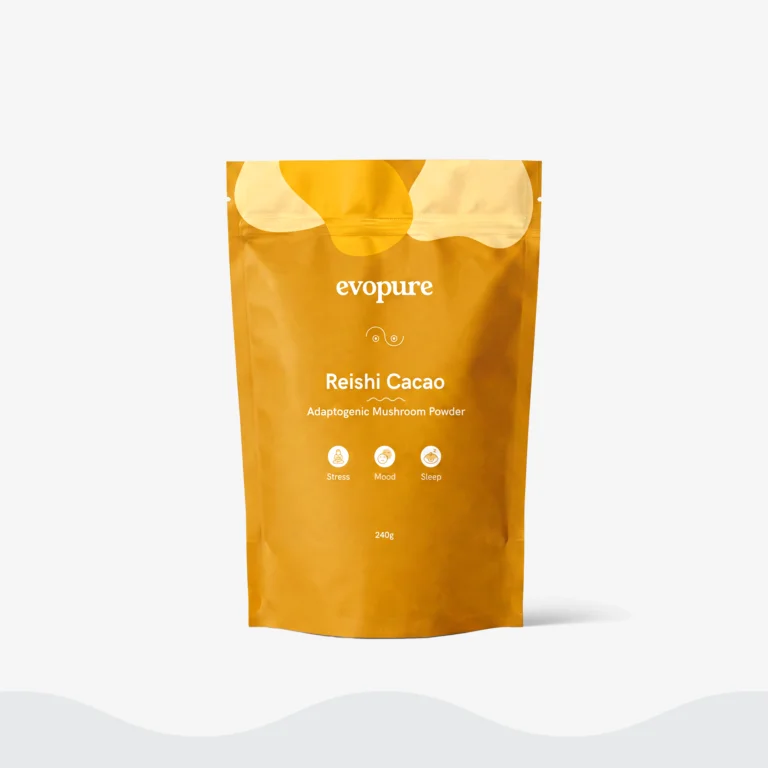
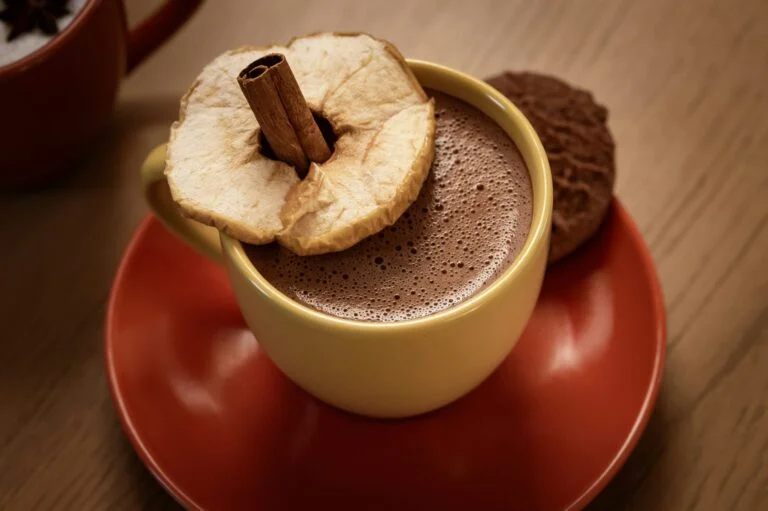
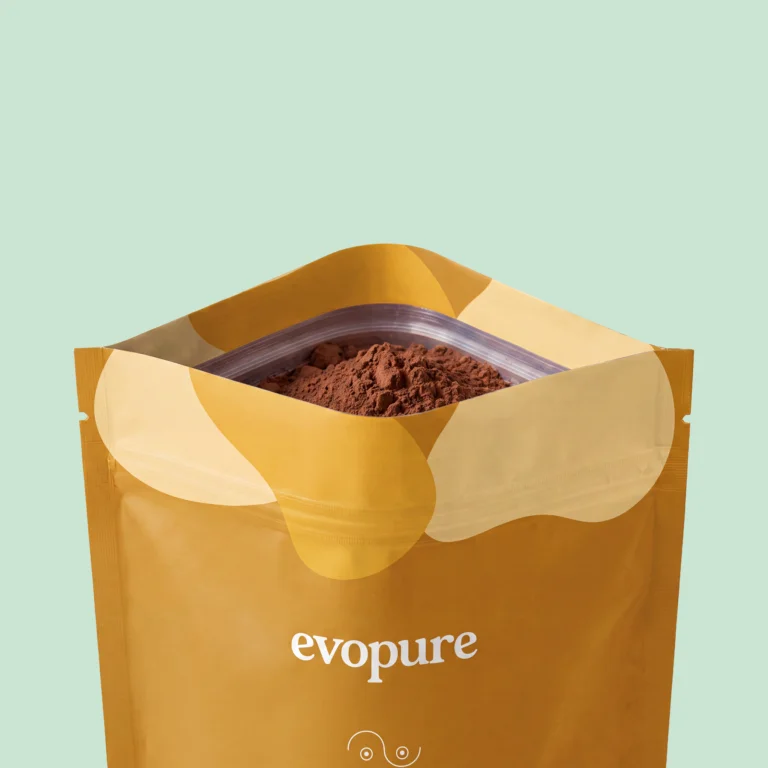
| Reishi hot chocolate | Low-caffeine cacao with reishi, a traditional evening mushroom. See is hot chocolate good before bed? |
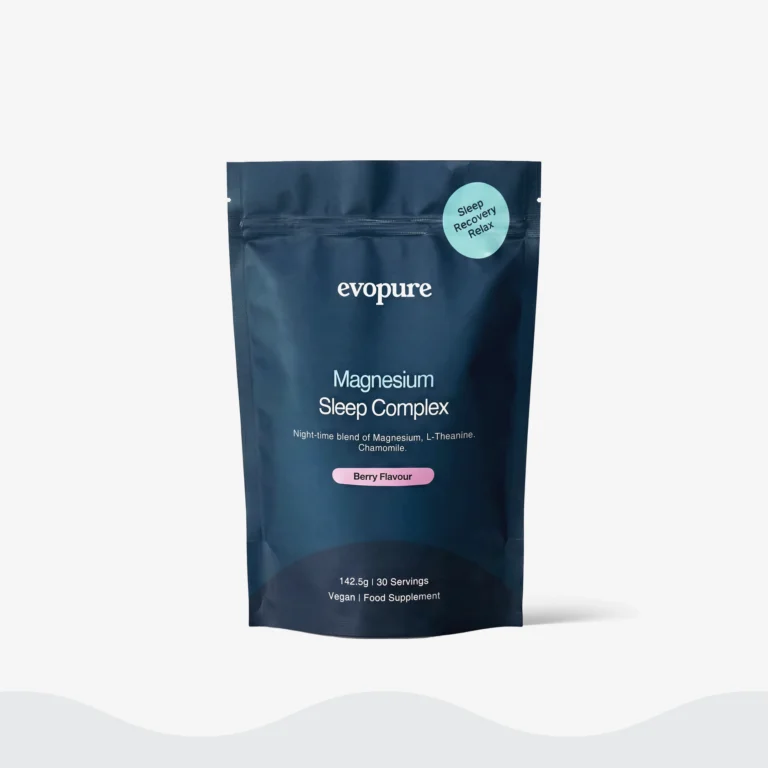
| A magnesium drink | Magnesium contributes to normal psychological function. See magnesium for sleep |
| Tart cherry juice | See tart cherry and sleep |
| The sleepy girl mocktail | See sleepy girl mocktail |
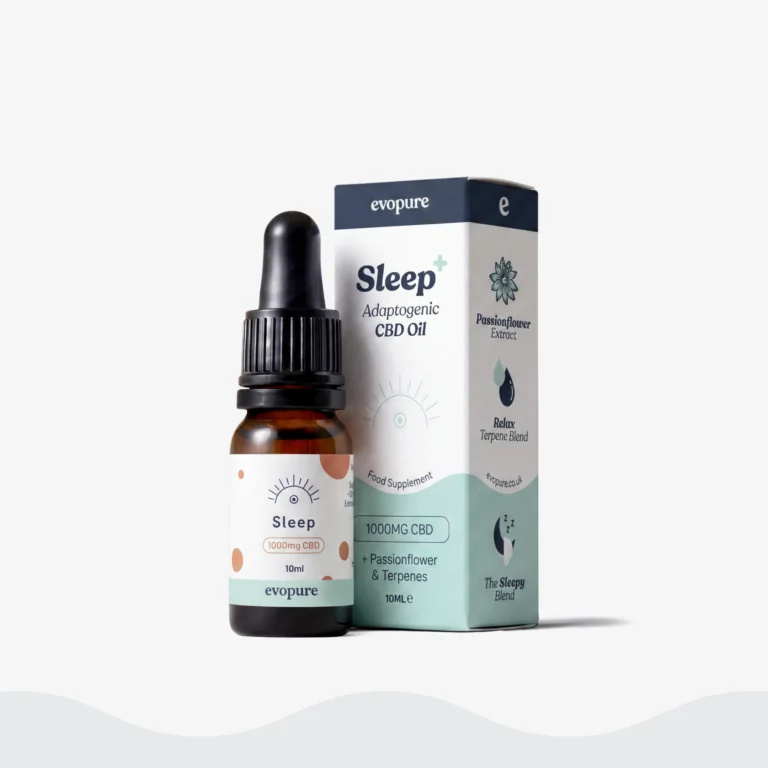
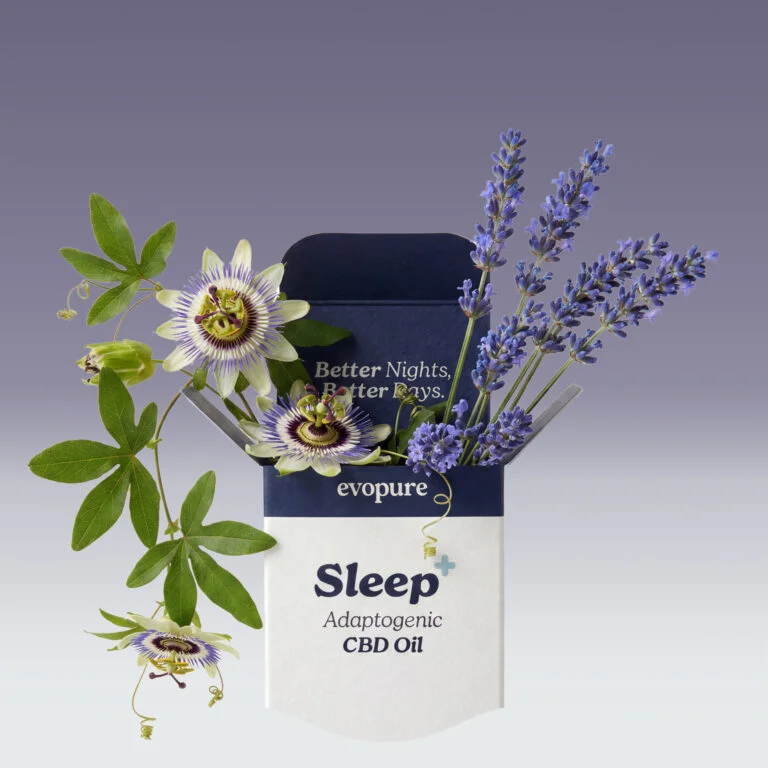
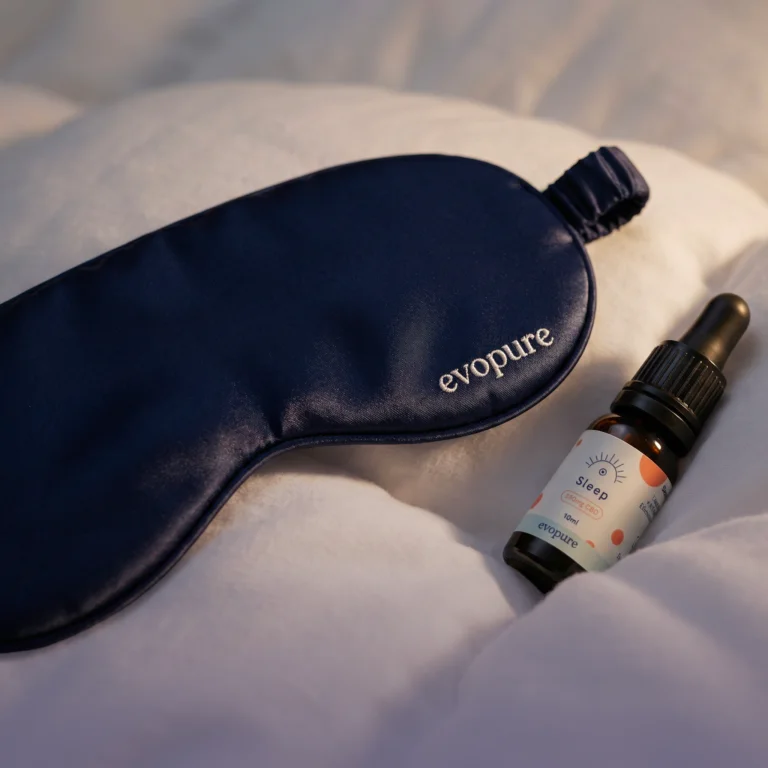
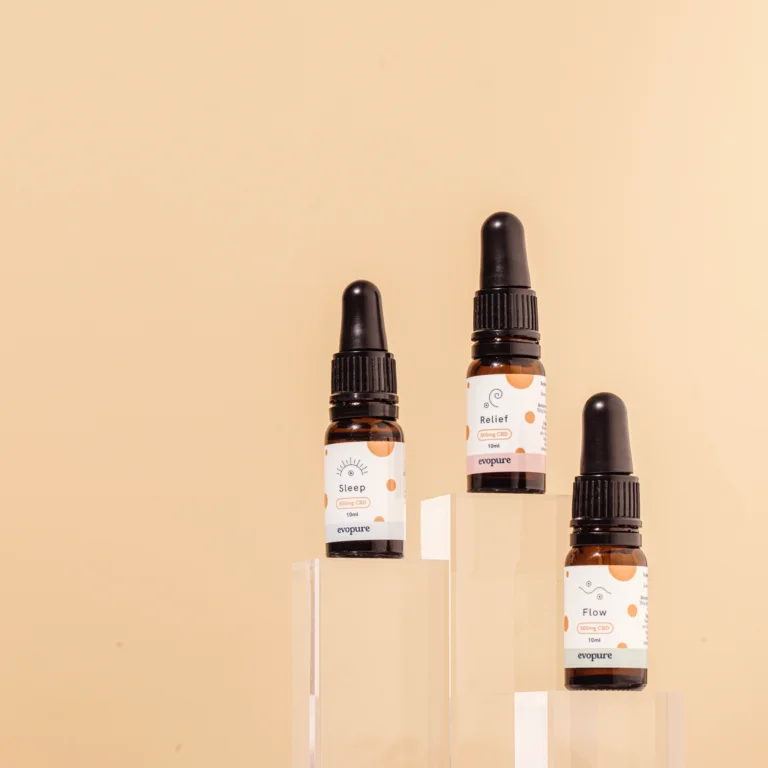
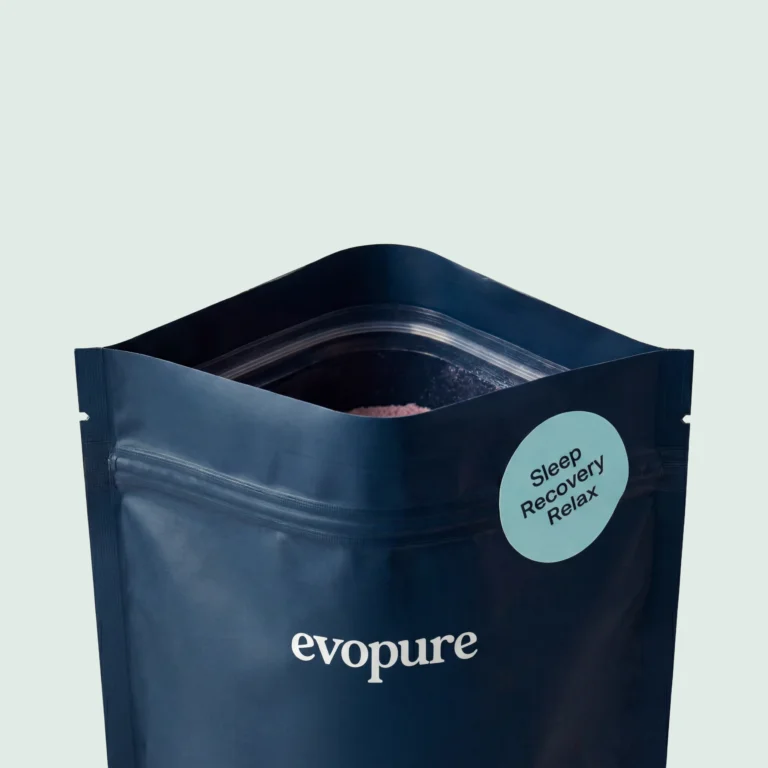
Our Reishi Mushroom Adaptogenic Complex is a cosy evening hot chocolate, our Magnesium Glycinate Sleep Complex is a berry bedtime drink with L-theanine and botanicals including chamomile and passionflower, and our Sleep CBD Oil pairs broad spectrum CBD with passion flower. The FSA’s 10mg a day figure for CBD is precautionary advice rather than a legal limit, set while longer-term safety research continues. At Evopure we think it is a very cautious figure, and many adults use more. If you go above it, increase slowly, and check with your GP or pharmacist first if you take any medication.
Safety
- Chamomile: avoid if you’re allergic to ragweed, daisies or related plants.
- Valerian: can cause morning grogginess; don’t combine with alcohol or sleeping tablets.
- Pregnancy and breastfeeding: check with your midwife or GP before drinking herbal teas regularly. We don’t recommend our products during pregnancy or breastfeeding.
- Medicines: ask a pharmacist if you take sedatives, blood thinners or other regular medicines.
FAQs
What is the best tea for sleep?
Chamomile has the most research, linked to better sleep quality. Passionflower, valerian and lemon balm are other popular caffeine-free choices.
Does chamomile tea help you sleep?
A 2019 meta-analysis found chamomile improved sleep quality, though it didn’t show a clear effect on insomnia itself.
What tea should I avoid before bed?
Black, green, white tea, matcha and chai, as they contain caffeine. A mug of black tea has about 75mg.
When should I drink sleep tea?
About 30 to 60 minutes before bed, as part of a wind-down routine.
Is it OK to drink sleep tea every night?
Most caffeine-free herbal teas are fine for healthy adults. Check with a pharmacist if you take medicines, or your midwife if pregnant.
Sources
- Hieu TH et al (2019). Therapeutic efficacy and safety of chamomile for state anxiety, generalized anxiety disorder, insomnia, and sleep quality: a systematic review and meta-analysis. Phytotherapy Research.
- Ngan A, Conduit R (2011). A double-blind, placebo-controlled investigation of the effects of Passiflora incarnata (passionflower) herbal tea on subjective sleep quality. Phytotherapy Research.
- Bent S et al (2006). Valerian for sleep: a systematic review and meta-analysis. American Journal of Medicine.
- NHS. Caffeine content of drinks.
This guide is general information, not medical advice. Evopure makes the Reishi Mushroom Adaptogenic Complex, Magnesium Glycinate Sleep Complex and Sleep CBD Oil.