

Last updated: October 2026
The winter blues are the low mood, tiredness and lack of motivation many people feel as the days get shorter. They are common and usually lift in spring. Daylight, daily movement, regular sleep and the NHS advice on vitamin D in autumn and winter all help. If it affects your daily life every winter, it may be SAD, so speak to your GP.
Below: what causes the winter blues, how they differ from seasonal affective disorder (SAD), the signs to watch for, and practical ways to feel better from October to March.
What are the winter blues?
“Winter blues” is an everyday term, not a diagnosis. It describes feeling flatter, more tired and less motivated in the darker months: hitting snooze more, craving comfort food, cancelling plans. In the UK, it often starts around the time the clocks go back in late October, when many of us leave work in the dark.
Winter blues vs SAD
| Winter blues | Seasonal affective disorder (SAD) | |
|---|---|---|
| What it is | A common seasonal dip | A type of depression that comes and goes with the seasons |
| How it feels | Flat, tired, less motivated | Persistent low mood that affects daily life |
| Daily life | You still get on with things | Work, relationships or self-care are affected |
| What helps | Daylight, exercise, routine, vitamin D | The same, plus GP support: talking therapy, light therapy or antidepressants |
Signs and symptoms
The NHS lists these symptoms of SAD. A milder version of several of them is what most people mean by the winter blues:
- low mood
- losing interest in things you usually enjoy
- feeling guilty, hopeless or worthless
- feeling restless or irritable
- difficulty concentrating
- being hungrier and eating more than usual
- being more tired and sleeping more than usual
- thoughts of suicide or self-harm (get help straight away if this is you)
What causes the winter blues?
It is not known exactly, but the NHS says SAD is thought to be linked to reduced daylight in winter, which may change brain chemicals such as melatonin and serotonin that affect mood and sleep patterns. Less daylight shifts your body clock, darker evenings make it easier to stay in, and colder weather means less movement and fresh air. After the clocks change, many people barely see daylight on workdays.
How to beat the winter blues: 8 things that help
- Get daylight early in the day. A 20-minute walk in the morning or at lunchtime, even on a grey day, gives you far more light than being indoors.
- Sit near windows at home and at work.
- Move every day. Exercise lifts mood and helps sleep. Outdoors counts double.
- Keep a regular sleep pattern. Same bedtime and wake time, even at weekends. See our plan for when the clocks go back.
- Plan things to look forward to, and keep seeing people, even when staying in feels easier.
- Eat regular, balanced meals. Comfort food is fine, but keep fruit, vegetables and protein in the mix.
- Watch the drink. Alcohol worsens mood and sleep. Try an alcohol-free nightcap instead.
- Consider a light box. Light therapy is one of the NHS treatments for SAD. Speak to your GP if you are thinking about one, especially if you have an eye condition.
Vitamin D in winter
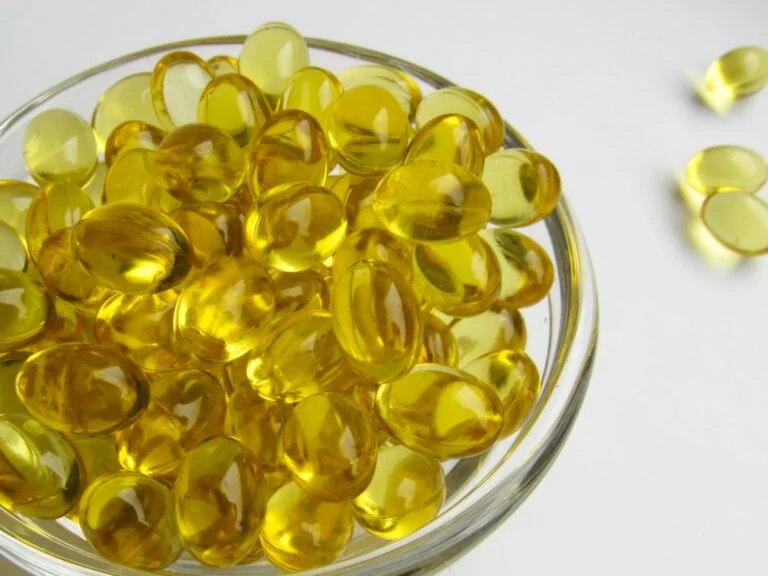
From around October to early March, the sun in the UK is not strong enough for your skin to make vitamin D. That is why the NHS advises everyone to consider a daily 10 microgram (400 IU) vitamin D supplement in autumn and winter. Some people should take it all year round, including people who rarely go outdoors, who cover most of their skin outside, or who have dark skin, for example from an African, African-Caribbean or south Asian background.
Don’t take more than 100 micrograms (4,000 IU) a day unless a doctor advises it. Our full guide to vitamin D in winter explains how much to take and who needs it all year. Vitamin D contributes to the maintenance of normal bones and muscle function and to the normal function of the immune system.
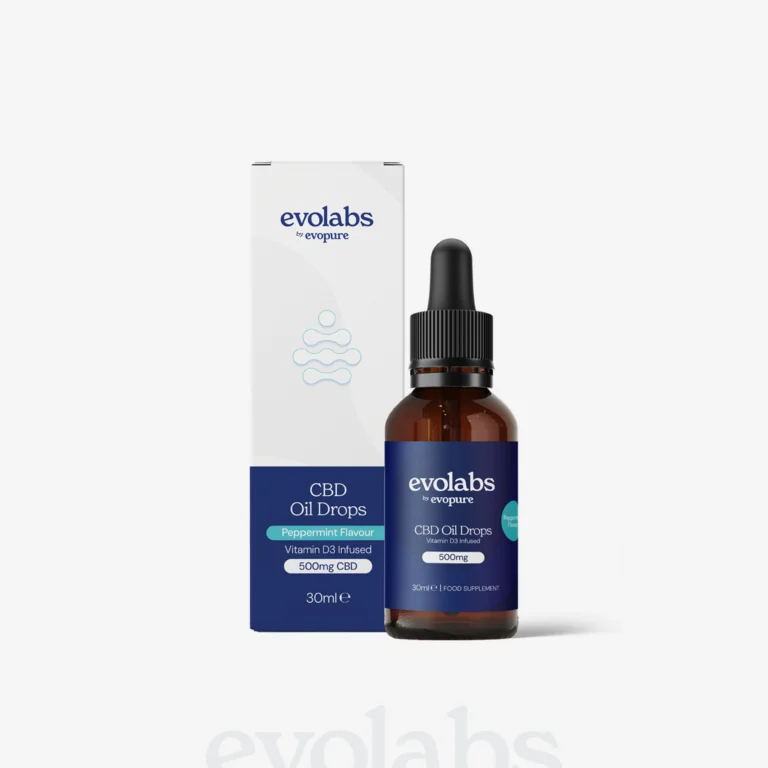
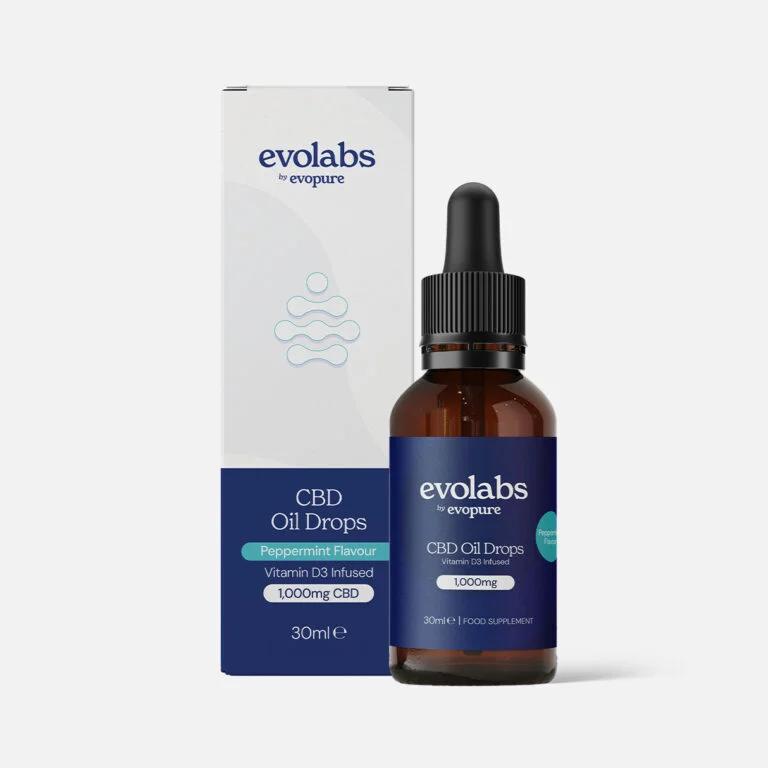
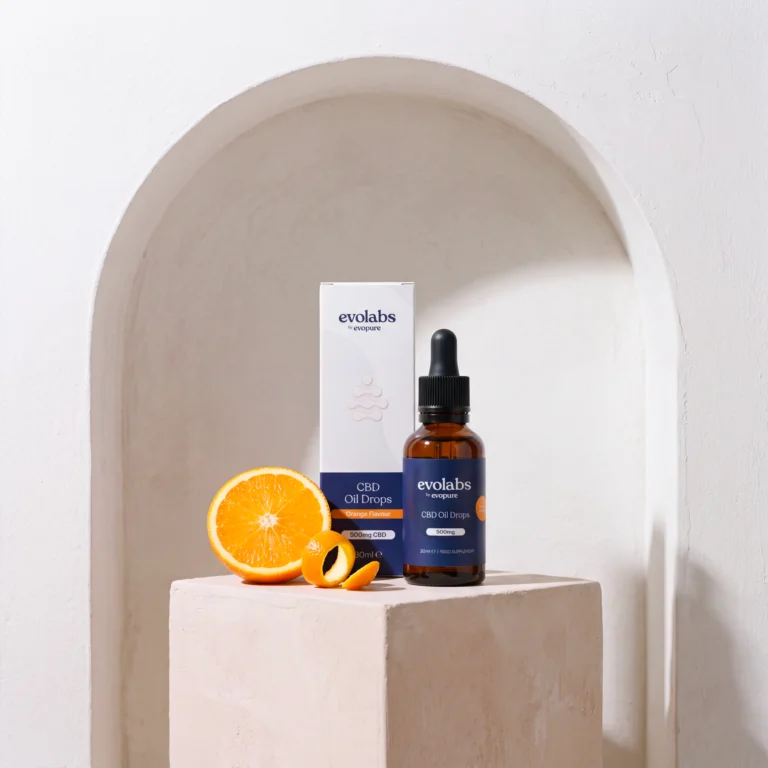
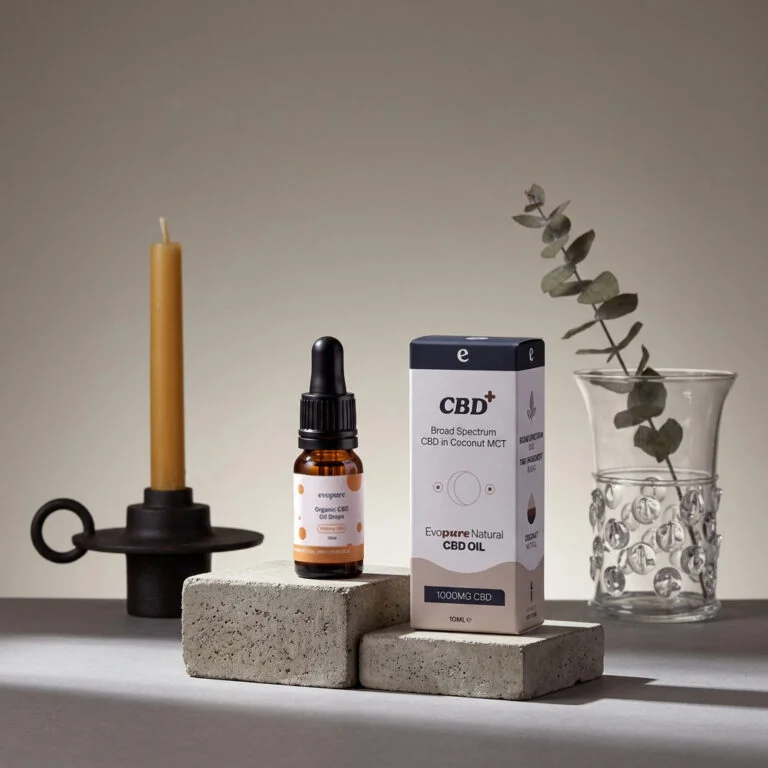
Our Mint CBD Oil with Vitamin D3 adds 5 micrograms (200 IU) of plant-based (algae) vitamin D3 per half pipette to broad spectrum CBD. Read why in why we added vitamin D3 to our mint oil. If you already take a vitamin D supplement, add up your total so you stay within the NHS limit.
Do supplements help with the winter blues?
Supplements are not a treatment for SAD or depression, but some people find they help as part of a winter routine:
- Vitamin D: recommended by the NHS for everyone in autumn and winter.
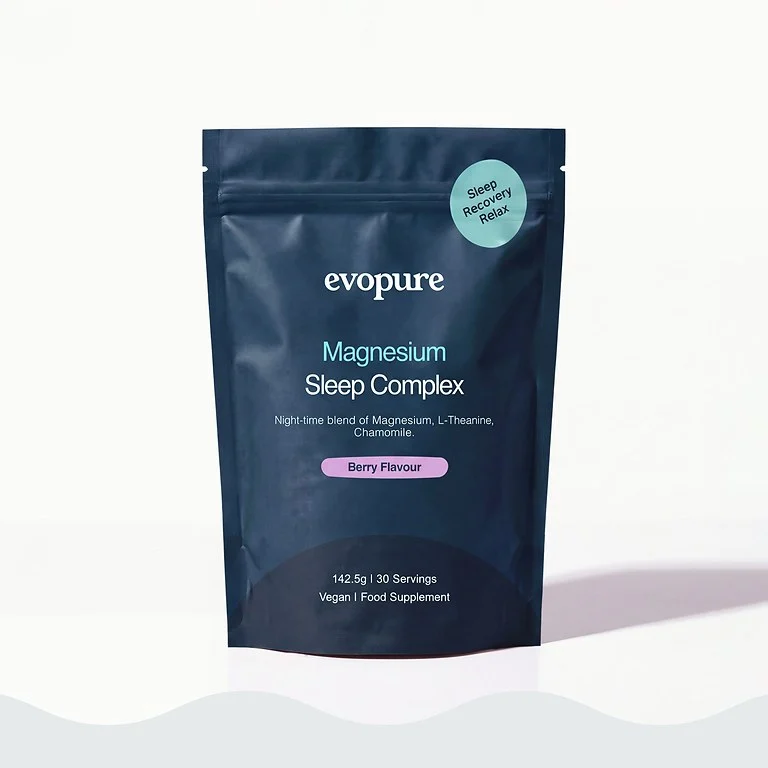
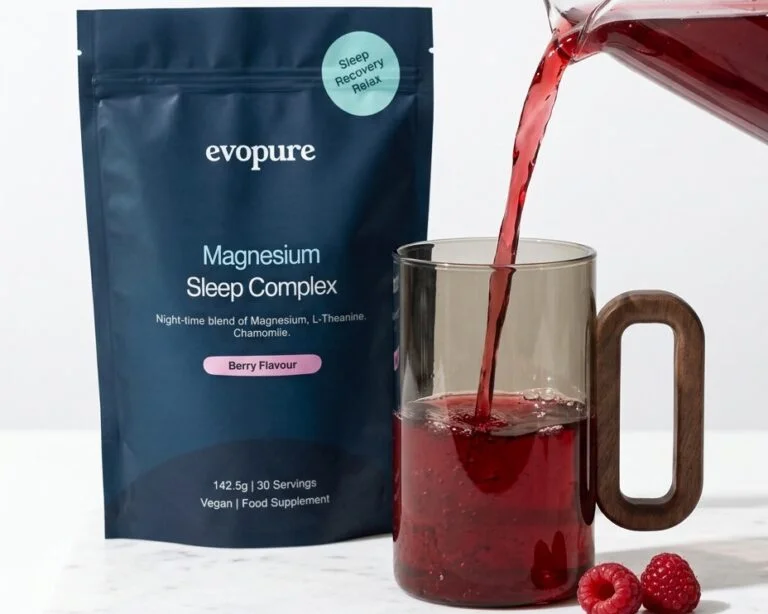
- Magnesium: contributes to the reduction of tiredness and fatigue and to normal psychological function. A warm magnesium drink also makes a good evening ritual. See magnesium glycinate.
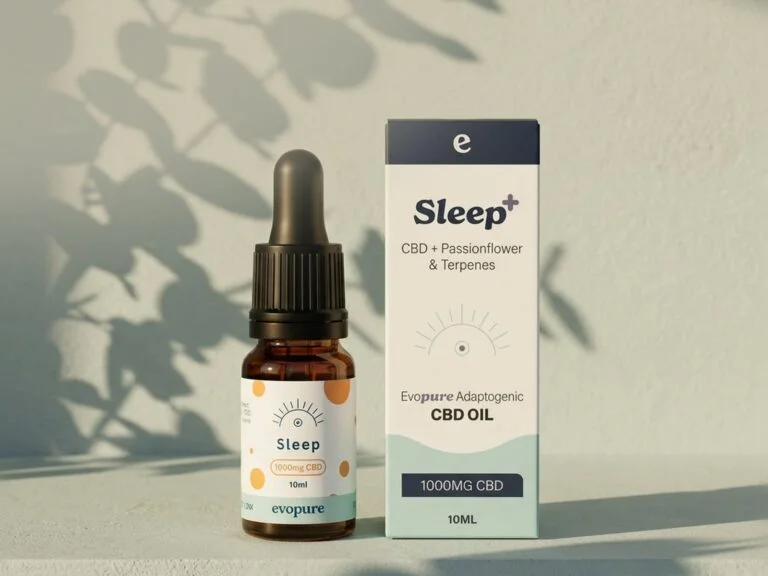
- CBD and functional mushrooms: many people use CBD oil or reishi as part of a calming evening routine, though they are not proven to treat low mood.
If you take antidepressants or other medication, check with your pharmacist before adding any supplement, especially CBD or St John’s wort.
Looking for more structure? The Winter Arc is a popular way to use the colder months for a reset, and our guide to simple winter support covers the basics. Dreading January? See Blue Monday and the January blues.
When to see a GP
The NHS advises seeing a GP if you think you might have SAD, or if you have been diagnosed and treatment isn’t helping. In England, if you are 18 or over, you can also refer yourself to NHS Talking Therapies without seeing a GP. For more ways to look after your mental health, see World Mental Health Day, and if the festive season adds pressure, how to have a calmer Christmas.
If you have thoughts of suicide or self-harm, get help now: call Samaritans free on 116 123, call NHS 111, or call 999 in an emergency.
Related guides
- If it feels more serious than a dip, see seasonal affective disorder (SAD).
- See why am I so tired in winter? for 10 ways to boost energy.
- See how to boost serotonin naturally.
- Loneliness.
- Make the darker months cosier with hygge.
- For everything in one place, see our complete winter wellness guide.
- Food can play a part too. See food and mood: how what you eat affects your mental health.
- Not sure if it’s more than the winter blues? See low mood vs depression.
- Simple gratitude journal ideas.
- Thinking of trying light therapy? Our SAD lamp guide explains how to use one and who should check with a GP first.
- For a small, kind thing to do each day in December, try our free wellness advent calendar.
- If you are wondering whether low vitamin D is behind how you feel, read our guide to symptoms of vitamin D deficiency.
- If you are choosing a supplement, our guide to vitamin D vs D3 explains which form to pick.
- For when and how to take it, see the best time to take vitamin D, morning or night.
FAQs
Are the winter blues real?
Yes. Many people feel lower, more tired and less motivated in the darker months. It is common and usually mild. When it is more severe and affects daily life every winter, it may be seasonal affective disorder (SAD).
What is the difference between the winter blues and SAD?
The winter blues are a common, mild seasonal dip. SAD is a type of depression that comes and goes with the seasons and affects daily life. SAD should be discussed with a GP.
How do you beat the winter blues?
Get daylight early in the day, move every day, keep a regular sleep pattern, stay social, eat regular meals, go easy on alcohol and follow the NHS advice on vitamin D in autumn and winter.
How much vitamin D should I take in winter in the UK?
The NHS advises adults to consider 10 micrograms (400 IU) a day in autumn and winter, and not to take more than 100 micrograms (4,000 IU) a day.
When do the winter blues start and end?
For most people in the UK they start in October or November, often after the clocks go back, and ease in March or April as the days lengthen.
Does light therapy work?
Light therapy is one of the NHS treatments for SAD. Speak to your GP before buying a light box, especially if you have an eye condition or take medication that makes you sensitive to light.
Sources
- NHS. Seasonal affective disorder (SAD).
- NHS. Vitamin D.
- Samaritans: 116 123.
This guide is general information, not medical advice.