






Last updated: October 2026
Many women gain weight around the middle in perimenopause and menopause. Falling oestrogen shifts fat towards the stomach, muscle mass drops with age, and poor sleep, stress and moving less all add up. Strength training, enough protein, good sleep and less alcohol help most. There’s little evidence that HRT itself causes weight gain.
Below: why menopause weight gain happens, menopause belly fat, what helps, exercise and food, sleep and stress, HRT, supplements, and when to see a GP.
Why do women gain weight in menopause?
| Cause | What happens |
|---|---|
| Lower oestrogen | Fat shifts from hips and thighs towards the stomach |
| Ageing | Muscle mass falls each decade, so you burn slightly less energy |
| Poor sleep | Night sweats and waking raise hunger and cravings. See perimenopause and sleep |
| Stress | Busy midlife years and stress eating. See stress and cortisol in women |
| Moving less | Joint aches, tiredness and busy lives. See joint pain |
| Alcohol | Extra calories and worse sleep |
A research review concluded that menopause itself isn’t the main cause of weight gain, which is mostly linked to ageing and lifestyle. But the hormonal changes do shift where fat is stored, with more around the middle. The NHS lists weight gain, often around the stomach, among common menopause symptoms. See perimenopause symptoms.
Menopause belly fat
Fat stored around the stomach, inside the abdomen, is linked to a higher risk of heart disease and type 2 diabetes. That makes looking after your waistline worthwhile for health, not just appearance. A waist measurement of more than half your height is a sign to take action. You can’t target belly fat with sit-ups alone; overall activity, strength training, diet and sleep work together. Bloating can also make your stomach feel bigger. See magnesium for bloating and gut health.
What helps: the big 5
- Strength training at least twice a week to protect muscle.
- Protein at every meal to keep you full and support muscle.
- Sleep: 7 to 9 hours, and treat night sweats. See night sweats.
- Less alcohol, ideally a few alcohol-free days a week.
- Daily movement: walking adds up.
Exercise: why strength matters most
| Type | How much | Why |
|---|---|---|
| Strength | At least 2 days a week | Protects muscle and bone, and helps how your body uses energy |
| Moderate activity | 150 minutes a week | Brisk walking, cycling, swimming |
| Everyday steps | Little and often | Stairs, walking meetings, getting off the bus early |
Creatine is popular with women over 40 who strength train. See creatine for women and muscle recovery.
Food: what to eat
- Protein at each meal: eggs, yoghurt, fish, chicken, beans, lentils, tofu.
- Fibre from vegetables, fruit, wholegrains and pulses.
- Calcium-rich foods for bones, as the NHS advises during menopause.
- Fewer ultra-processed snacks and sugary drinks. See sugar cravings.
- Watch portion sizes; you may need slightly less than you did in your 30s.
Crash diets tend to cost muscle. Slow, steady changes you can keep up work better.
A sample day of eating
| Meal | Idea |
|---|---|
| Breakfast | Greek yoghurt with berries, oats and a sprinkle of seeds, or eggs on wholegrain toast |
| Lunch | Lentil and vegetable soup with a slice of wholegrain bread, or a large salad with chicken, beans or tofu |
| Snack | An apple with a small handful of nuts |
| Dinner | Salmon or chickpeas with roasted vegetables and new potatoes |
| Evening | A caffeine-free warm drink instead of wine or biscuits. See best tea for sleep |
The NHS Eatwell Guide is a useful check on balance. Aim for protein, fibre and colour at each meal.
A beginner’s exercise week
| Day | Activity |
|---|---|
| Monday | 30-minute strength session: squats, lunges, wall press-ups, rows with a band |
| Tuesday | 30-minute brisk walk |
| Wednesday | Rest or gentle yoga |
| Thursday | 30-minute strength session |
| Friday | 30-minute brisk walk or swim |
| Weekend | A longer walk outdoors. See daylight and mood |
Start lighter than you think and build up. If you have joint pain or a health condition, ask your GP or a physio for advice.
Menopause weight myths
| Myth | Fact |
|---|---|
| “Weight gain is inevitable” | It’s common, but strength training, diet, sleep and less alcohol make a real difference |
| “Cardio is best for fat loss” | Strength training matters more in midlife because it protects muscle |
| “Eating less is the answer” | Very low-calorie diets cost muscle. Enough protein and steady changes work better |
| “HRT makes you put on weight” | The NHS says there’s little evidence for this |
| “A supplement can fix menopause belly” | No supplement causes meaningful weight loss |
Measuring progress beyond the scales
Strength training can build muscle while you lose fat, so the scales may not move much at first. Track your waist measurement, how your clothes fit, your energy and sleep, and the weights you can lift. These often improve before your weight does.
Sleep, stress and cravings
Short sleep raises hunger hormones and the appetite for sweet, starchy food, and stress makes comfort eating more likely. Protecting sleep and finding other ways to unwind can make healthy eating feel much easier. See how to sleep better, how to relieve stress and the mental load.
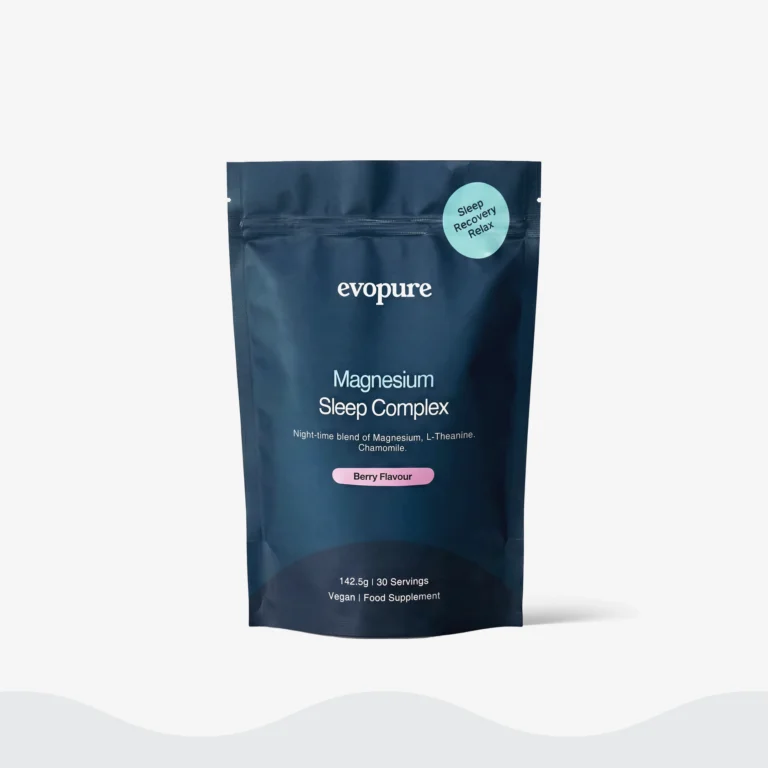
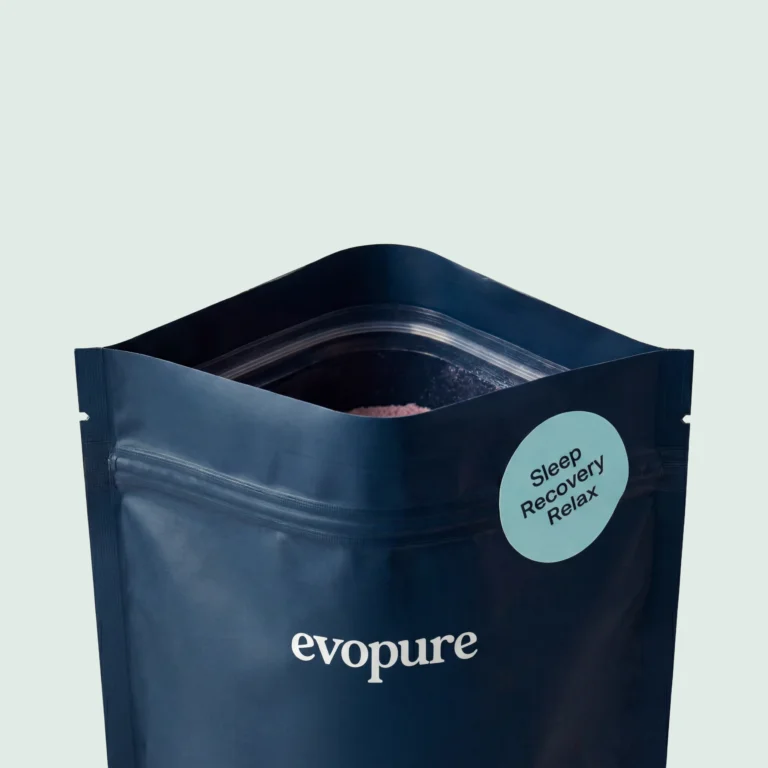
Many women make a calm evening routine part of this. Magnesium contributes to the reduction of tiredness and fatigue and to normal psychological function. Our Magnesium Glycinate Sleep Complex is a stevia-sweetened bedtime drink.
Does HRT cause weight gain?
The NHS says there’s little evidence that most types of HRT make you put on weight. Weight gain often happens around menopause whether you take HRT or not. Research suggests HRT may even reduce the shift of fat towards the stomach. HRT can also improve sleep and symptoms, which makes exercise and healthy eating easier. Talk to your GP about whether it’s right for you.
Supplements
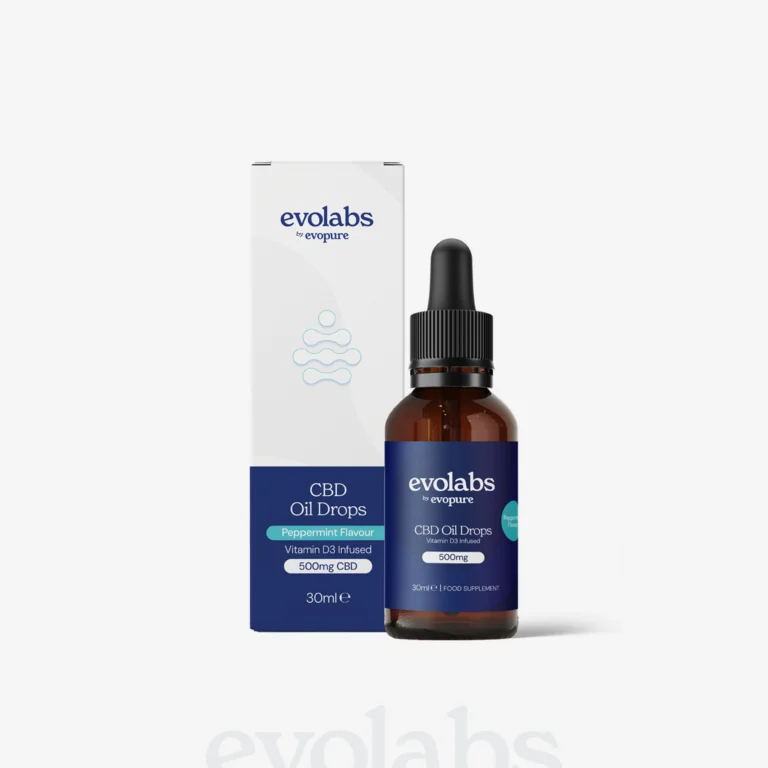
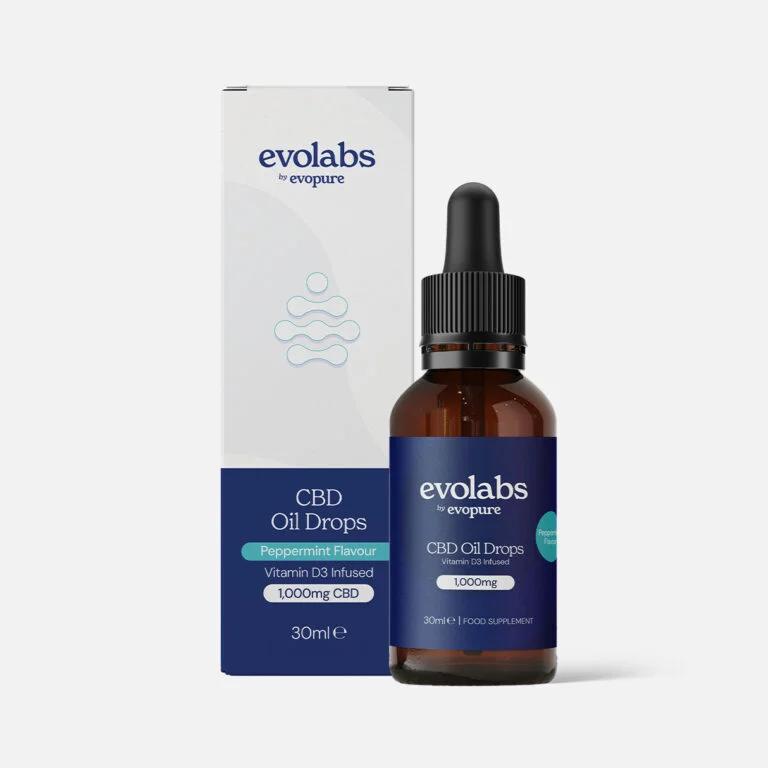
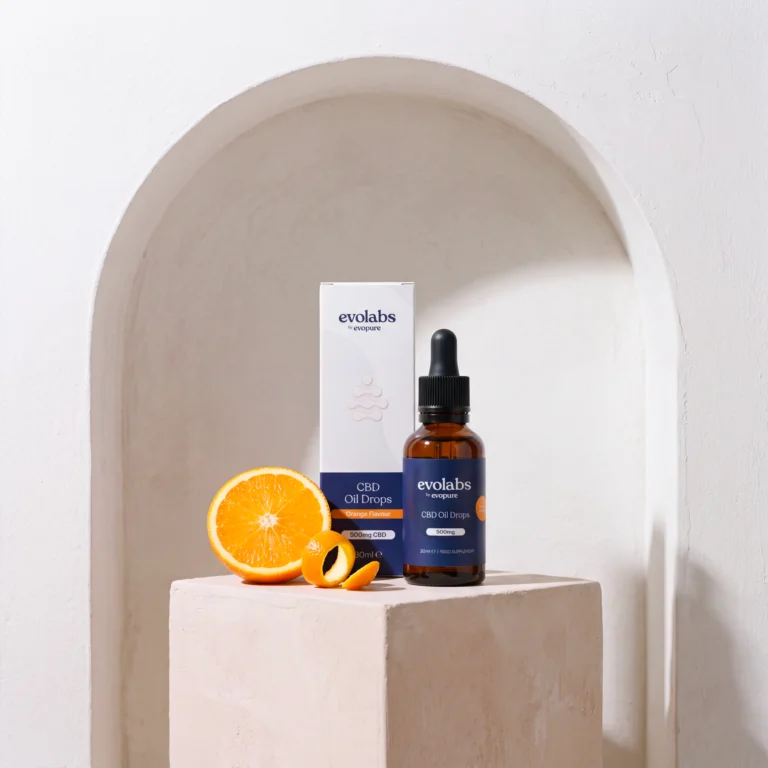
No supplement causes meaningful weight loss, and products promising “menopause belly” fixes should be treated with caution. Vitamin D is advised in autumn and winter, and vitamin D contributes to the maintenance of normal bones. Our Evolabs Mint CBD Oil includes vegan vitamin D3. The FSA’s 10mg a day figure for CBD is precautionary advice rather than a legal limit, set while longer-term safety research continues. At Evopure we think it is a very cautious figure, and many adults use more. If you go above it, increase slowly, and check with your GP or pharmacist first if you take any medication, including HRT. See best supplements for menopause, magnesium for menopause and does magnesium help with weight loss?
When to see a GP
See a GP if you’re gaining weight quickly without changes to diet or activity, if weight gain comes with tiredness, feeling cold or low mood (which can be signs of an underactive thyroid), or if menopause symptoms are affecting your life. Your GP can also check your blood pressure, blood sugar and cholesterol.
FAQs
Why am I gaining weight in menopause?
Falling oestrogen shifts fat to the stomach, muscle mass drops with age, and poor sleep, stress and moving less all play a part.
How do I lose menopause belly fat?
Strength train at least twice a week, eat protein at each meal, sleep well, cut back on alcohol and stay active every day.
Does HRT make you put on weight?
The NHS says there’s little evidence that most types of HRT cause weight gain.
What is the best exercise for menopause weight gain?
Strength training, to protect muscle, plus 150 minutes a week of moderate activity such as brisk walking.
Do supplements help menopause weight loss?
No supplement causes meaningful weight loss. Exercise, diet, sleep and stress make the real difference.
Sources
- Davis SR et al (2012). Understanding weight gain at menopause. Climacteric.
- NHS. Symptoms of menopause and perimenopause.
- NHS. Side effects of HRT.
- NHS. Strength exercises.
- Spiegel K et al (2004). Sleep curtailment in healthy young men is associated with decreased leptin levels, elevated ghrelin levels, and increased hunger and appetite. Annals of Internal Medicine.
- NHS. Healthy weight.
This guide is general information, not medical advice. Evopure makes the Magnesium Glycinate Sleep Complex and Evolabs Mint CBD Oil with vitamin D3. We don’t recommend our products during pregnancy or breastfeeding.