Last updated: 9 November 2026
The difference between vitamin D and vitamin D3 is that vitamin D is the family name for two forms, D2 (ergocalciferol) and D3 (cholecalciferol), while D3 is the form your skin makes in sunlight and most supplements use. D2 comes from fungi and yeast. In trials, D3 raises blood levels more than D2, and it can be vegan.
The NHS advises 10 micrograms a day from October to March. Below: how to read a label, D2 vs D3 side by side, what’s on UK shelves, vegan D3 from lichen or algae, whether you need K2, how much to take, who needs it most and what vitamin D actually does.
The short version: pick vitamin D3, take 10 micrograms (400 IU) a day from October to March with a meal, and choose lichen or algae D3 if you’re vegan. K2 is optional, not essential, and not for anyone on warfarin.
Vitamin D vs D3: what’s the difference?
Vitamin D3 vs vitamin D is a question of one form against the whole family. “Vitamin D” covers both D2 and D3, while vitamin D3 (cholecalciferol) is the specific form made in your skin and used in most supplements. On a UK label, a product sold as “vitamin D” usually contains D3, so the two are often the same thing.
Is vitamin D the same as D3?
Not quite. “Vitamin D” is a family name that covers two main forms you’ll see on labels:
- Vitamin D3 (cholecalciferol, spelt colecalciferol by the NHS): the type your skin makes when sunlight hits it, and the type found in oily fish, eggs and most supplements.
- Vitamin D2 (ergocalciferol): made by fungi and yeast exposed to UV light, and used in some fortified foods and prescription products.
So a tub labelled “vitamin D” will usually contain D3, but not always. Turn the pack over: the ingredients list will say cholecalciferol (D3) or ergocalciferol (D2).
In everyday use, then, “vitamin D” and “vitamin D3” on a UK supplement usually mean the same thing. The NHS medicines guide uses the name colecalciferol for the vitamin D that GPs prescribe, which is D3 under its British spelling. Here’s how to decode the words you’ll see:
| On the label or test | What it means |
|---|---|
| Vitamin D | Either form; usually D3, so check the ingredients |
| Vitamin D3, cholecalciferol, colecalciferol | D3, the form your skin makes |
| Vitamin D2, ergocalciferol | D2, made from fungi or yeast |
| 25-hydroxyvitamin D, 25(OH)D | The blood test marker, not a supplement |
Because a “vitamin D” tablet and a “D3” tablet are usually the same vitamin, taking one of each just doubles your dose. If you want to take both, add the amounts together and stay within the limit in the how much to take section below.
Both forms are inactive when you take them. Your liver turns them into 25-hydroxyvitamin D, which is what a blood test measures, and your kidneys then make the active form your body uses. If you’ve ever had a vitamin D test, the result covers D2 and D3 together. For what a low result looks like, see vitamin D deficiency symptoms.
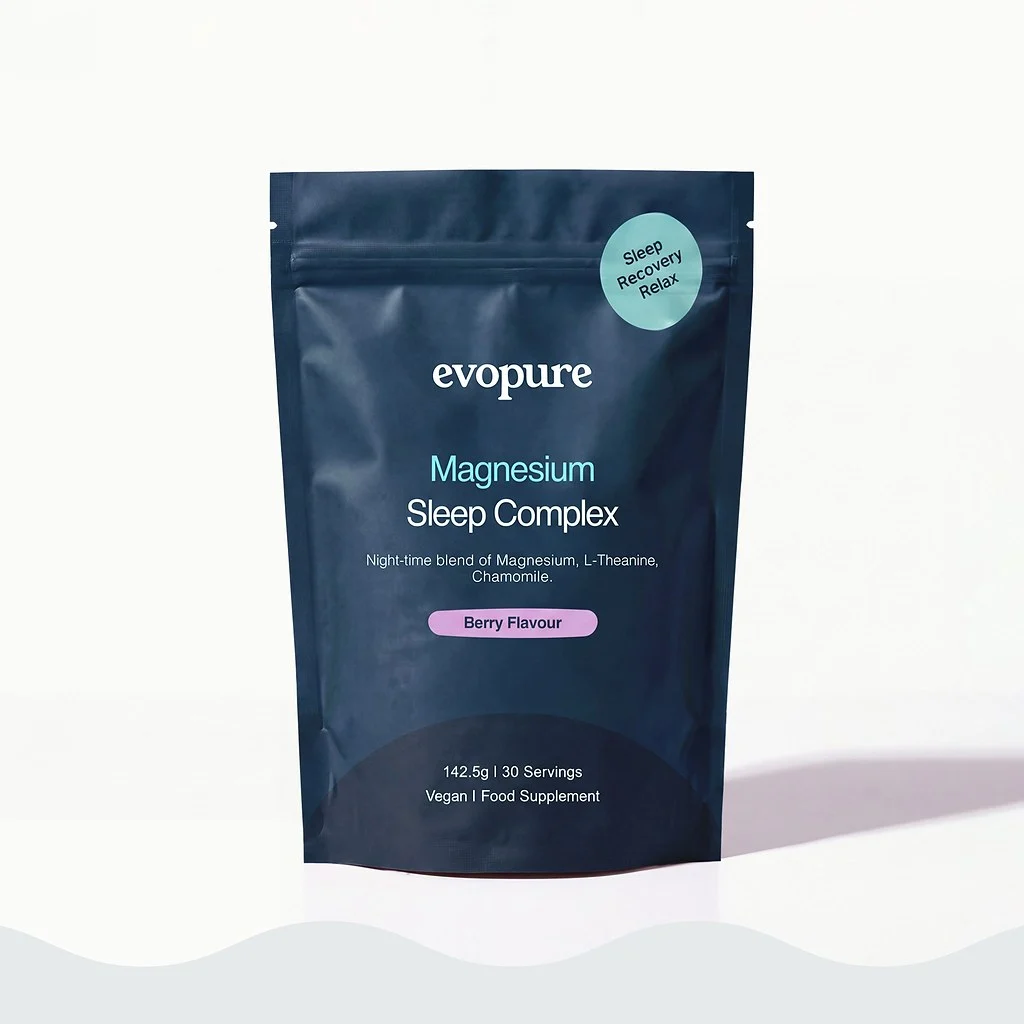
Our pick
Magnesium Glycinate Sleep Complex
Magnesium Glycinate Sleep Complex is a berry drink powder with 290mg of magnesium (77% NRV) per 4.75g serving from bisglycinate and citrate, plus glycine and L-theanine. Magnesium contributes to a reduction of tiredness and fatigue.
Add Magnesium Glycinate Sleep Complex to bag See ingredients and reviews
Vegan and made in the UK. Subscribe and save 25% on your first order, then 20%. Free UK delivery over £45, 14-day returns on unopened items. New to Evopure? Join our emails for 20% off a one-off first order.
Subscribe £22.49One-off £29.99
View productVitamin D2 vs D3: which is better?
Vitamin D3 is better than vitamin D2 for most people. Both are vitamin D, but D3 (cholecalciferol) raised blood vitamin D levels more than D2 (ergocalciferol) in head-to-head trials, including a UK winter study at 15 micrograms a day. D2 is plant-based; vegans can now choose D3 from lichen or algae instead.
| How they differ | Vitamin D2 (ergocalciferol) | Vitamin D3 (cholecalciferol) |
|---|---|---|
| Where it comes from | Fungi and yeast exposed to UV light | Made in your skin; supplements use lanolin (sheep’s wool), lichen or algae |
| Vegan? | Yes | Only if made from lichen or algae |
| Raising blood levels | Works, but less well in head-to-head trials | More effective in most trials, including a UK study at everyday doses |
| In food | Some fortified foods and UV-treated mushrooms | Oily fish, egg yolks, red meat, liver, some fortified foods |
| Typical UK supplements | Less common; some vegan products and prescription items | Most high street tablets, sprays, drops and gummies |
For most people, D3 is the better choice. A 2012 meta-analysis of randomised trials led by the University of Surrey found D3 raised blood levels of vitamin D more than D2. The gap was clearest with large, occasional doses and much smaller with daily doses.
A later Surrey trial settled the daily question for UK conditions. In 335 South Asian and white European women given 15 micrograms a day through the winter, in juice or biscuits, D3 raised blood levels clearly more than D2. The British Dietetic Association says the same in plain words: D3 is the most effective, and D2 is a plant-based alternative for vegetarians and vegans.
There’s a newer twist too. A 2025 meta-analysis from the University of Surrey pooled 11 trials and found that people given D2 ended up with lower blood levels of D3 than people given no supplement at all. The researchers suggest the body may clear vitamin D faster when overall levels rise, and say more research is needed to know what this means for health.
That doesn’t make D2 useless. If D2 is what you have, it still provides vitamin D. But if you’re choosing, choose D3.
Vitamin D vs vitamin D3 supplements in the UK
Walk into any UK chemist or supermarket and almost every vitamin D product on the shelf is D3, whether the front says “vitamin D” or “vitamin D3”. D2 turns up mainly in some vegan products and fortified foods. So the real choice is less about D vs D3 and more about these five things:
- The amount. 10 micrograms (400 IU) matches NHS advice for adults. 25 micrograms (1,000 IU) is a common “high strength” option. Anything above 100 micrograms (4,000 IU) a day is only for medical advice.
- The source. Standard D3 comes from lanolin in sheep’s wool. Vegan D3 comes from lichen or algae, and vegan D2 from fungi or yeast.
- The format. Tablets, capsules, softgels, oil drops, oral sprays and gummies all contain the same vitamin. Pick the one you’ll take every day; we compare them in sprays vs tablets vs drops.
- What else is in it. Some products add K2, calcium or magnesium. K2 matters if you take warfarin (see below), and calcium counts towards your daily total from food.
- Any prescription. If your GP finds you’re deficient, they may prescribe colecalciferol (D3) at a higher dose, usually daily or weekly for 6 to 10 weeks, according to the NHS. Check with them before adding a shop-bought supplement on top.
A multivitamin may already contain vitamin D, so check before doubling up. If you’re choosing supplements for a particular life stage, see our guides to supplements for women over 40 and supplements for men over 40 and 50, and the wider winter wellness guide.
Vegan vitamin D3: lichen and algae
Most D3 in supplements is made from lanolin, the grease in sheep’s wool, so it isn’t vegan. That’s why vegans were once told to stick to D2.
You no longer have to. The Vegan Society notes that vegan D3 can be made from lichen, a partnership of fungus and algae, and D3 from algae is now available too. You get the better-performing form without any animal source.
Lichen D3 is the same cholecalciferol molecule as the lanolin kind, just from a different source, so there’s no reason to expect it to work any differently once you’ve swallowed it. Lichens make vitamin D3 naturally: a 2025 study measured it in 14 lichen species and found the amount varied widely with the species and where it grew.
When you shop, check three things:
- The form: cholecalciferol (D3) from lichen or algae, often marked with a vegan logo.
- The capsule: softgels are often gelatine, which isn’t vegan. Tablets, drops, sprays or plant-based capsules avoid it.
- The amount: 10 micrograms (400 IU) matches NHS advice. Higher strengths are fine within the limit, but more isn’t better.
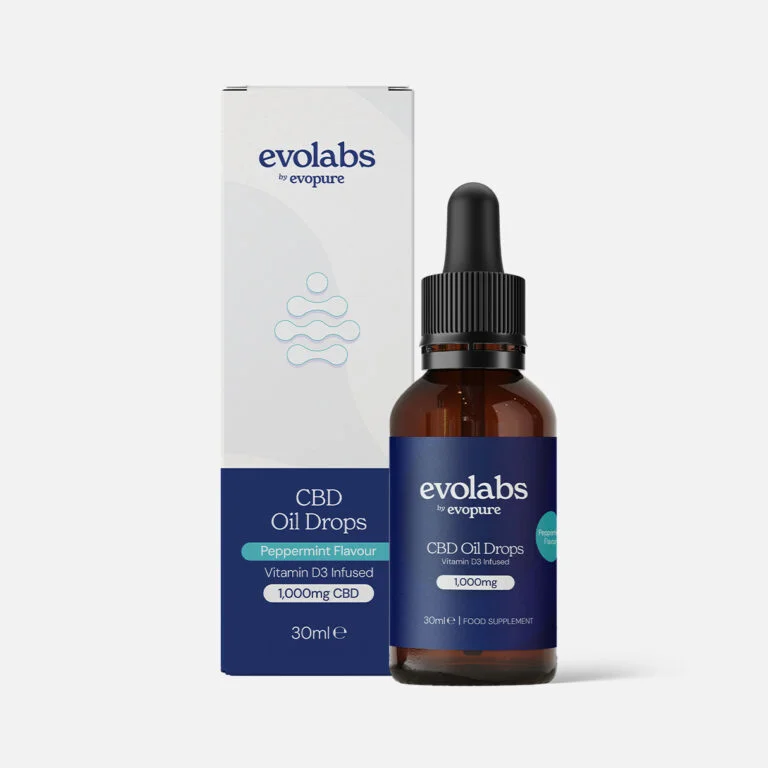
Our Evolabs Mint CBD Oil with vitamin D3 adds 10 micrograms (400 IU, 200% NRV) of vegan, algae-based D3 per half pipette, the NHS daily amount, to high-quality, tested CBD. Vitamin D contributes to the normal function of the immune system. Count it towards your daily total if you also take a separate vitamin D. You can read why we chose algae-based D3 and whether CBD oil is vegan in general.
The FSA’s 10mg a day figure is precautionary advice rather than a legal limit, set while longer-term safety research continues. At Evopure we think it is a very cautious figure, and many adults use more. If you go above it, increase slowly, and check with your GP or pharmacist first if you take any medication.
Our products are for adults (18+) only. We don’t recommend our products during pregnancy or breastfeeding.
Should you take vitamin D3 with K2?
For most people, no: K2 is optional. The NHS doesn’t advise taking K2 alongside vitamin D, and says you should be able to get all the vitamin K you need from a varied diet. Vitamin K contributes to normal blood clotting and to the maintenance of normal bones.
The pairing is sold on the idea that vitamin D helps you absorb calcium and vitamin K activates the proteins that handle it. Trials of the combination are limited and mixed: a two-year Danish trial of 720 micrograms of MK-7 plus vitamin D made no difference to heart valve calcification, and reviews in women after menopause found inconsistent results.
We now cover K2 in full, including K1 vs K2, MK-4 vs MK-7, the best food sources and what the trials show, in our vitamin K2 guide. For other pairings, see magnesium and vitamin D and magnesium and calcium together.
K2 and warfarin: who should avoid it
Vitamin K can stop warfarin working properly. The NHS says not to take vitamin K supplements while you’re taking warfarin, and many D3 and K2 products and multivitamins contain vitamin K, so check every label. If you take warfarin or any other anticoagulant, or have a heart, liver or kidney condition, ask your GP, pharmacist or anticoagulant clinic before taking a D3 and K2 product. Plain vitamin D3 contains no vitamin K. Full details are in the K2 and blood thinners section of our vitamin K2 guide.
How much vitamin D3 to take
The NHS advises everyone in the UK, including pregnant and breastfeeding women, to consider 10 micrograms of vitamin D a day in autumn and winter. That figure comes from the Scientific Advisory Committee on Nutrition’s 2016 review, which set 10 micrograms a day as the reference intake for everyone aged 4 and over.
- Upper limit for adults: no more than 100 micrograms (4,000 IU) a day, unless a doctor has advised more. Taking too much over a long time can cause calcium to build up in the body.
- Children: amounts and limits are lower and differ by age. Follow the NHS vitamin D guidance for babies and children. Our products are for adults only.
- Sunlight: you can’t overdose on vitamin D from the sun, but from October to March UK sunlight isn’t strong enough to make much.
Take it with a meal that contains some fat, at whatever time of day you’ll remember. For morning vs night, see the best time to take vitamin D. For the winter picture in full, see vitamin D in winter.
Micrograms vs IU
How many IU is 10 micrograms of vitamin D?
10 micrograms of vitamin D is 400 IU. The NHS conversion is 1 microgram = 40 IU, so multiply micrograms by 40 to get IU, or divide IU by 40 to get micrograms. 10 micrograms (400 IU) is the daily amount the NHS advises in autumn and winter, and 100 micrograms (4,000 IU) is the adult upper limit.
Labels use micrograms (µg or mcg), international units (IU), or both. Common strengths convert like this:
| Micrograms | IU | What it means |
|---|---|---|
| 10 micrograms | 400 IU | The NHS daily amount |
| 25 micrograms | 1,000 IU | A common “high strength” tablet |
| 50 micrograms | 2,000 IU | Higher strength |
| 100 micrograms | 4,000 IU | The daily upper limit for adults |
Add up every source: a vitamin D tablet, a multivitamin and fortified drinks or oils can stack up quickly.
Who needs vitamin D most
The NHS says these adults should take 10 micrograms every day all year round, not just in winter:
- people who are rarely outdoors, such as those who are frail or housebound
- people living in a care home
- people who usually cover most of their skin when outdoors
People with dark skin, such as those of African, African-Caribbean or South Asian background, may also not make enough from sunlight and should consider a supplement all year. The British Dietetic Association adds people over 65 to the higher-risk list.
Short days, less daylight and poor sleep are common reasons for feeling tired in the darker months, and low vitamin D is worth ruling out. See why you’re tired in winter, why am I always tired? and seasonal affective disorder. If you think you’re low, your GP can arrange a blood test.
What vitamin D does
These are the authorised health claims for vitamin D in Great Britain, in their official wording:
- Vitamin D contributes to the maintenance of normal bones.
- Vitamin D contributes to the maintenance of normal teeth.
- Vitamin D contributes to the maintenance of normal muscle function.
- Vitamin D contributes to the normal function of the immune system.
- Vitamin D contributes to normal absorption/utilisation of calcium and phosphorus.
- Vitamin D contributes to normal blood calcium levels.
D2 and D3 are both vitamin D, so these apply to either form. Be wary of any product promising more, such as better mood or weight loss. For the wider picture on bones and immunity, see calcium supplements, magnesium and bone health and how to support your immune system.
For what “natural” and “organic” mean on a vitamin label, read our guide to the best organic and natural supplements in the UK.
Mushrooms exposed to UV light make vitamin D2, and the amount varies widely, as our maitake mushroom nutrition table shows.
Related guides
- For winter bugs, see cold vs flu: symptoms and how long each lasts.
- Whichever form you choose, count every product towards the daily limit: see can you have too much vitamin D?
- Choosing a product? We compare tablets, sprays and vegan D3 from six UK brands in the best vitamin D supplement UK guide.
- For which foods contain D2 or D3, and how much, see what foods contain vitamin D.
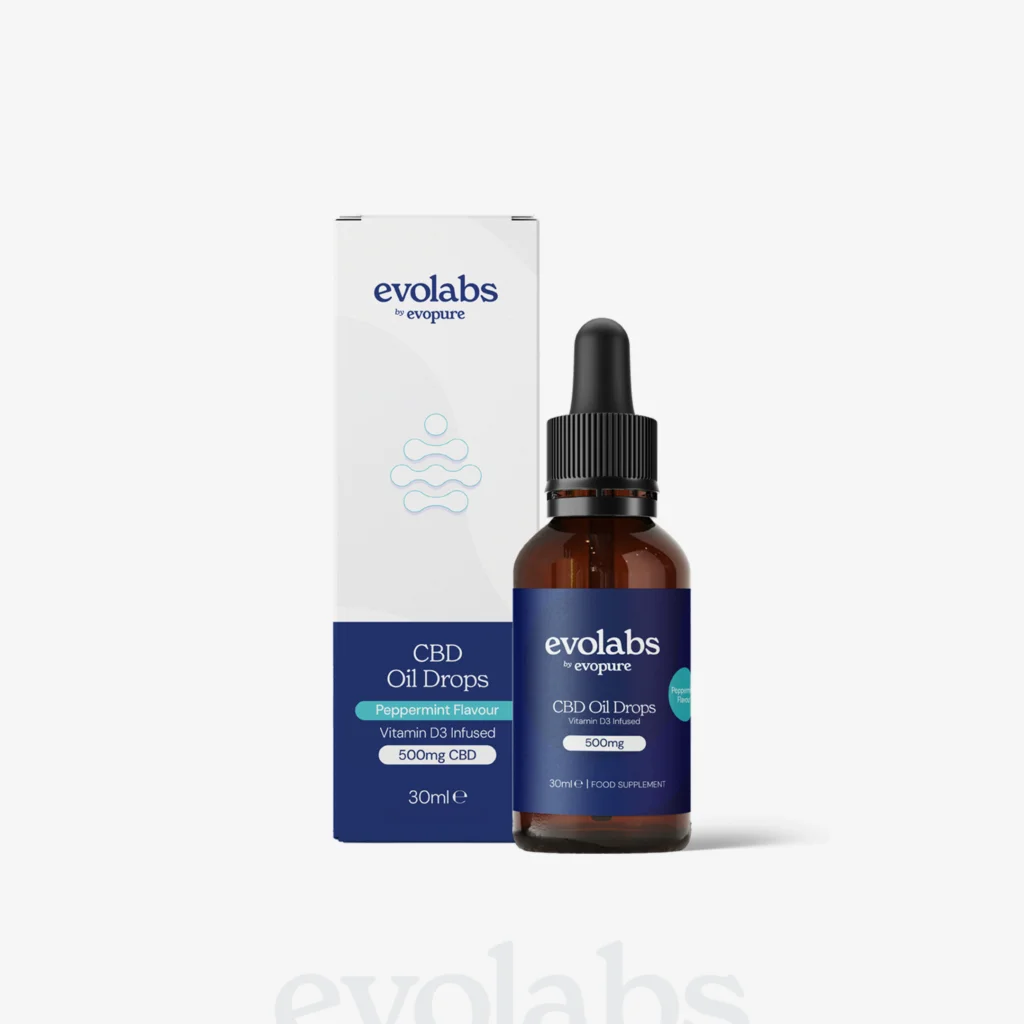
Next step
Mint CBD Oil With Vitamin D3 · Evolabs
A plain D3 supplement is the simple choice for most people. If you already take CBD, Evopure’s Mint CBD Oil + Vit D3 (Evolabs, 1,000mg, 30ml) gives 10µg (400 IU) of vegan, algae-based D3 per half pipette, 200% NRV. Vitamin D contributes to the normal function of the immune system.
Add Mint CBD Oil + Vit D3 1,000mg to bag
The FSA advises healthy adults to take no more than 10mg of CBD a day: about 0.3ml of this 1,000mg oil gives 10mg. Adults only. Subscribe and save 25% on your first order, then 20%. New to Evopure? Join our emails for 20% off a one-off first order. Free UK delivery over £45. If you take any regular medicines, check with your GP or pharmacist first. We don’t recommend our products during pregnancy or breastfeeding.
Subscribe from £13.49One-off from £17.99
View productSources 15
- NHS. Vitamin D and Vitamin K.
- NHS. Warfarin.
- NHS. How and when to take colecalciferol.
- Scientific Advisory Committee on Nutrition (2016). Vitamin D and health report. GOV.UK.
- Department of Health and Social Care. Great Britain nutrition and health claims (NHC) register. GOV.UK.
- British Dietetic Association. Vitamin D: food fact sheet.
- The Vegan Society. Vitamin D.
- Tripkovic L et al (2012). Comparison of vitamin D2 and vitamin D3 supplementation in raising serum 25-hydroxyvitamin D status: a systematic review and meta-analysis. American Journal of Clinical Nutrition.
- Tripkovic L et al (2017). Daily supplementation with 15 μg vitamin D2 compared with vitamin D3 to increase wintertime 25-hydroxyvitamin D status in healthy South Asian and white European women. American Journal of Clinical Nutrition.
- Mott A et al (2019). Effect of vitamin K on bone mineral density and fractures in adults: an updated systematic review and meta-analysis of randomised controlled trials. Osteoporosis International.
- Diederichsen ACP et al (2022). Vitamin K2 and D in patients with aortic valve calcification: a randomized double-blinded clinical trial. Circulation.
- Rusu ME et al (2024). Investigating the effects and mechanisms of combined vitamin D and K supplementation in postmenopausal women: an up-to-date comprehensive review of clinical studies. Nutrients.
- Brown EIG et al (2025). Effect of vitamin D2 supplementation on 25-hydroxyvitamin D3 status: a systematic review and meta-analysis of randomized controlled trials. Nutrition Reviews.
- Çobanoğlu G et al (2025). Exploring vitamin D3 profile of epiphytic lichen forming fungi in forest ecosystems: influence of habitat-dependent ecological variables. Fungal Biology.
- Theuwissen E et al (2013). Effect of low-dose supplements of menaquinone-7 (vitamin K2) on the stability of oral anticoagulant treatment. Journal of Thrombosis and Haemostasis.
This guide is general information, not medical advice. Evopure makes the Evolabs Mint CBD Oil with vitamin D3.