Last updated: October 2026
Muscle recovery after a workout usually takes 24 to 72 hours, depending on how hard you trained. The best-supported ways to recover faster are enough sleep, protein spread through the day, carbohydrate to refuel, water, light movement, and rest days. Foam rolling and cold water can ease soreness a little. Tart cherry juice has some of the better supplement evidence.
Below: how long recovery takes, 10 ways to recover faster, the best foods and supplements, soreness versus injury, and recovery for women and over-50s.
How long does muscle recovery take?
| Session | Typical recovery |
|---|---|
| Easy walk, jog or swim | Within a day |
| Moderate training | 24 to 48 hours |
| Hard or new training, lots of lowering movements | 48 to 72 hours, sometimes longer |
The stiffness that peaks a day or two after unfamiliar exercise is delayed onset muscle soreness (DOMS). It’s normal and eases as your body adapts.
Our pick
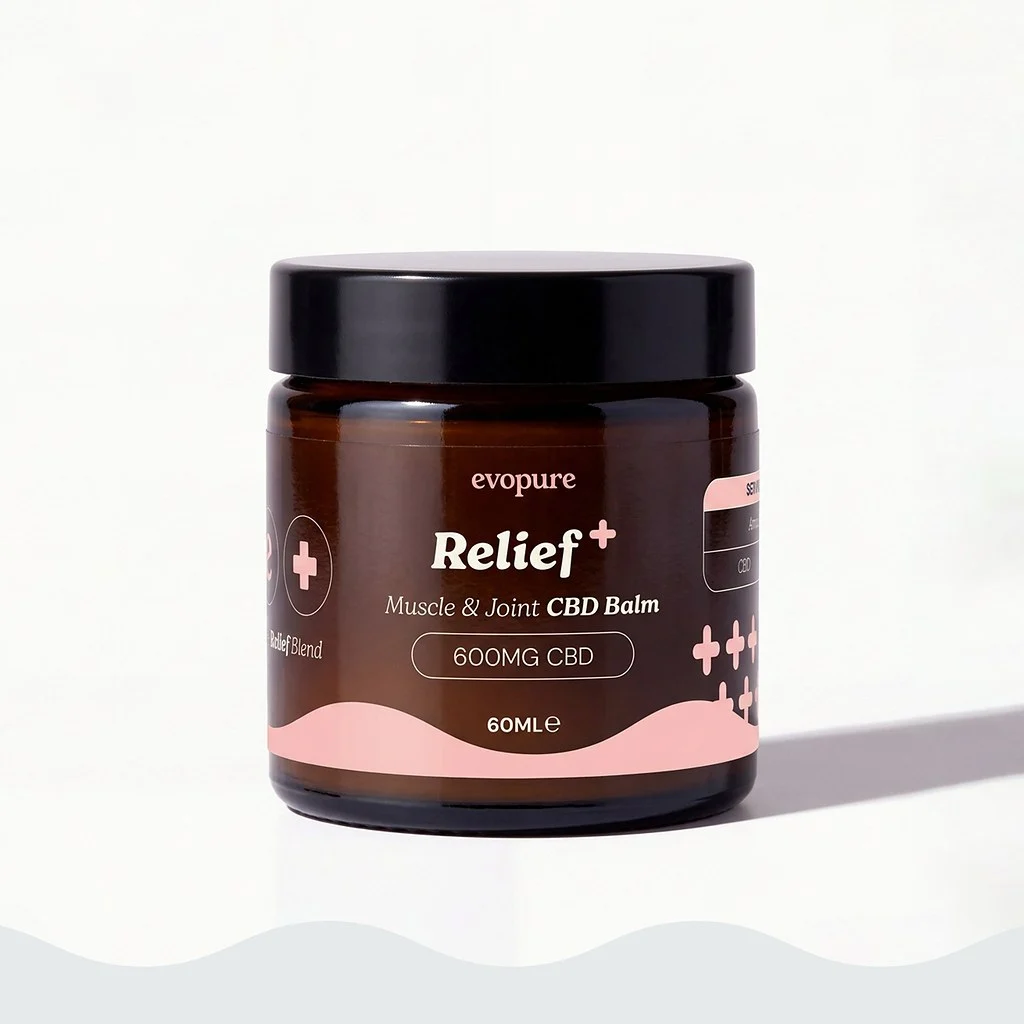
CBD Balm Muscle & Joint Support
CBD Balm is a cooling balm with 600mg of broad spectrum CBD, peppermint, eucalyptus and juniper. It is a cosmetic for massage, not a supplement.
Add CBD Balm to bag See ingredients and reviews
Broad spectrum with 0% THC, every batch third-party lab tested, made in the UK. For adults only. We don’t recommend our products during pregnancy or breastfeeding. Free UK delivery over £45.
Subscribe £29.99One-off £39.99
View product10 ways to recover faster
- Sleep 7 to 9 hours. Muscle repair happens largely while you sleep. See sleep hygiene.
- Eat protein at each meal, spread through the day.
- Refuel with carbohydrate after long or hard sessions.
- Rehydrate, and replace salts after heavy sweating. See electrolytes.
- Keep moving gently: a walk or easy cycle the day after.
- Plan rest days and vary which muscles you train.
- Build up gradually rather than jumping in hard.
- Go easy on alcohol, which disrupts sleep and rehydration.
- Try foam rolling or massage for soreness.
- Manage stress, which affects sleep and recovery.
Best foods for muscle recovery
| Food | Why |
|---|---|
| Eggs, chicken, fish, Greek yoghurt | High-quality protein |
| Beans, lentils, tofu, soya milk | Plant protein, plus fibre |
| Oats, rice, potatoes, wholegrain bread | Carbohydrate to refuel |
| Milk | Protein, carbohydrate and fluid together |
| Nuts, seeds, leafy greens | Magnesium. See foods high in magnesium |
| Tart cherry juice, berries | Polyphenols studied for soreness |
| Bananas, potatoes | Potassium |
Muscle recovery supplements ranked
| Supplement | Evidence |
|---|---|
| Protein powder | Useful if you can’t get enough protein from food |
| Tart cherry | A 2026 network meta-analysis found it the most consistent plant supplement for reducing soreness. See tart cherry for recovery |
| Creatine | Good for strength gains with training. See creatine |
| Magnesium | Magnesium contributes to normal muscle function, electrolyte balance and the reduction of tiredness and fatigue |
| CBD | Popular with athletes; placebo-controlled trials of CBD gels haven’t shown less soreness. See CBD for muscle recovery |
Our CBD Balm, Muscle and Joint Support is a massage balm many people use as part of a post-workout routine, and our Magnesium Glycinate Sleep Complex is an evening drink. See magnesium for athletes and CBD for athletes.
Foam rolling, cold water and massage
- Foam rolling: a meta-analysis found foam rolling after exercise slightly reduced soreness and the drop in performance.
- Cold water immersion: a 2026 review of 15 meta-analyses found 10 to 15 minutes at about 10 to 15°C can help recovery, but regular use may blunt strength gains, so save it for competitions or busy periods.
- Massage: feels good and may ease soreness.
Soreness or injury?
| Normal soreness | Possible injury: rest and get advice |
|---|---|
| A dull ache in both sides, 1 to 3 days after | Sharp pain during exercise |
| Eases as you warm up | Swelling, bruising or a joint that gives way |
| Gone within a few days | Pain that lasts more than a week or is getting worse |
Seek urgent help if you have very dark urine, severe muscle pain and weakness after extreme exercise, as this can be a sign of a rare but serious condition (rhabdomyolysis).
Related guides
- Sauna after a workout: does it help recovery?
- Swimming outdoors? See cold water swimming benefits and risks.
- Many people add magnesium flakes to a post-workout bath; here’s what the evidence says.
- If you ache all over and haven’t trained harder than usual, read why your body aches.
- Small trials have tested ginger for next-day muscle soreness; see ginger benefits.
- Beetroot juice for exercise: what the research shows.
- Sore knees after running or the gym? See knee pain when bending or on stairs and the exercises that help.
- Runners with heel pain on their first steps should read plantar fasciitis, including the strength exercise with trial evidence.
- If a shoulder is still sore weeks after training, our shoulder pain guide covers rotator cuff pain and a gentle routine.
- Elbow pain that lingers after lifting may be a tendon problem rather than soreness: see tennis elbow.
- For tight, tender spots that linger after training, see how to get rid of a muscle knot.
- Heel pain that lingers after training may be a tendon problem: see how long Achilles tendonitis lasts and what helps.
- For daily targets by body weight and goal, see how much protein you need a day.
- Wondering whether to take it before or after training? See creatine before or after a workout.
- If you lift and have wondered about CBD, see what the research says on CBD for weightlifting, including the anti-doping rules.
- If you’re a runner who tracks HRV, see our guide to CBD and HRV for runners.
- Curcumin has been studied around hard exercise: see what the turmeric research shows, including dose and safety.
- For massage balms, see does Tiger Balm have CBD, and how a CBD balm differs.
- If you’re comparing magnesium from sports brands, our Myprotein magnesium guide covers the forms, amounts and authorised wording.
- Thinking about a massage balm for after training? See our CBD muscle balm guide for how to use one and what the research shows.
- Buying for someone who trains? Our guide to gym gifts for him lists the recovery kit that gets used.
- CBD massage products are popular after training: see what is in the Lush CBD massage bar and our own CBD Balm.
- If you are shopping for a CBD muscle balm on the high street, see CBD balm at Boots, Superdrug and Tesco.
- Comparing CBD oil and balm? See which CBD format fits your routine, with the evidence on pain.
Sources 4
- Xu KX et al (2026). Comparative effects of plant-derived anthocyanin- and flavanol-rich supplements on recovery after exercise-induced muscle damage: a network meta-analysis. Frontiers in Nutrition.
- Wiewelhove T et al (2019). A meta-analysis of the effects of foam rolling on performance and recovery. Frontiers in Physiology.
- Berjisian E et al (2026). Strategic application of post-exercise cold-water immersion to enhance performance recovery and adaptation: an umbrella review. Sports Medicine Open.
- Naddafha S et al (2026). Creatine monohydrate for lean mass, strength, and bone density in postmenopausal women. Journal of the International Society of Sports Nutrition.
This guide is general information, not medical advice. Evopure makes the CBD Balm, Magnesium Glycinate Sleep Complex and Relief CBD Oil.