













Last updated: 12 November 2026
To get rid of a tension headache fast, take paracetamol, ibuprofen or aspirin as the pack directs (no aspirin for under-16s), drink water and eat something, then rest your eyes, loosen your neck and shoulders with massage, stretches or a warm or cold pack, and breathe slowly. Don’t rely on painkillers most days: that can cause rebound headaches.
A tension headache feels like pressure or a tight band on both sides of your head, sometimes spreading to your face or neck. Stress, poor sleep and caffeine are common causes. They aren’t a sign of anything serious, but see a GP if you get them several times a week or they’re severe.
Below: a step-by-step plan for right now, what works fastest, causes, prevention, tension headache vs migraine vs cluster headache, and when to get urgent help.
How to get rid of a tension headache
Most tension headaches ease with simple steps. Work through these in order, right now:
- Take a painkiller, following the pack. Paracetamol, ibuprofen or aspirin are all suitable for most adults. If you’re not sure which suits you, or you’re pregnant or take other medicines, ask a pharmacist.
- Drink a glass of water and have something to eat if you’ve skipped a meal. See how much water you need a day.
- Step away from screens for 10 minutes and get some fresh air. If your eyes feel gritty, see dry eyes.
- Use heat or cold on a stiff neck: a warm wheat bag or a cold pack wrapped in a tea towel.
- Massage your neck, shoulders and temples with slow, firm circles on any tender spots.
- Gentle stretches: slowly tilt your ear towards each shoulder, then roll your shoulders back. Our stiff neck guide has a 5-minute routine.
- Breathe slowly and drop your shoulders. Try box breathing or a short muscle relaxation routine.
- Unclench your jaw. Let your teeth part and your tongue rest. Clenching at night? See teeth grinding.
One thing not to do: sleep it off for hours. The NHS says sleeping more than you usually would can make a headache worse (more in our guide to oversleeping).
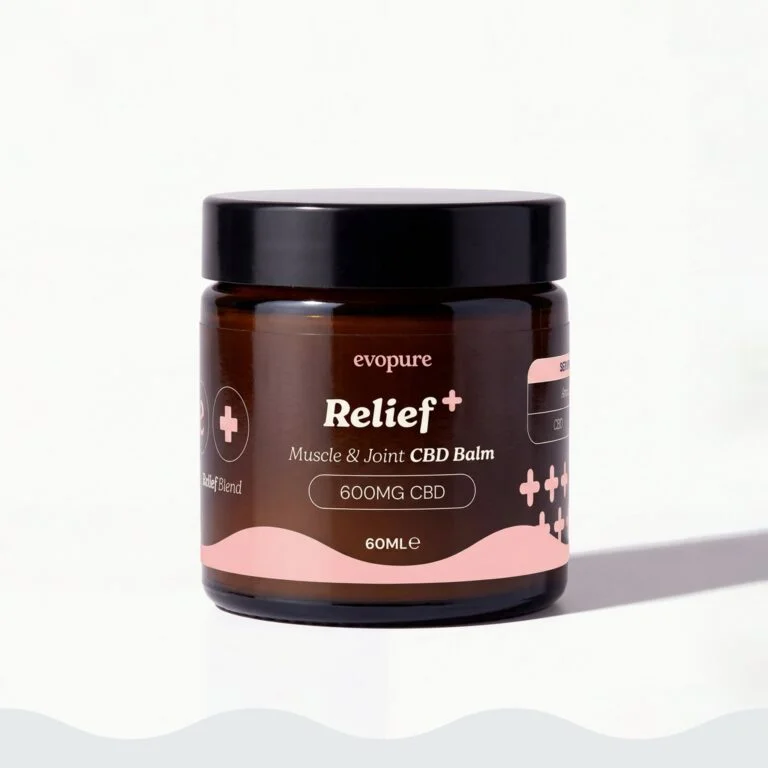
Many people make a slow neck and shoulder massage part of their wind-down. Our CBD Balm, Muscle and Joint Support is made for massage, with peppermint, eucalyptus and juniper for a cooling feel. See how to use CBD balm.
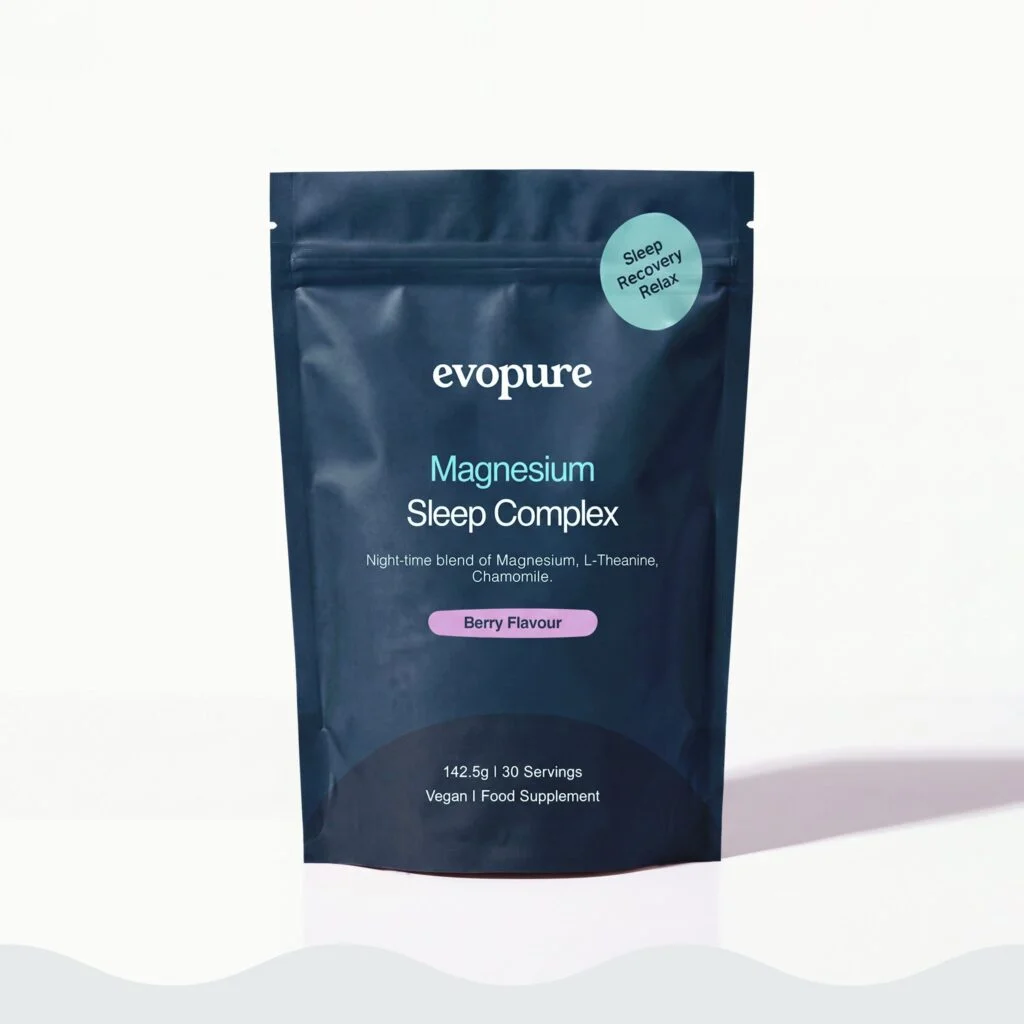
Our pick
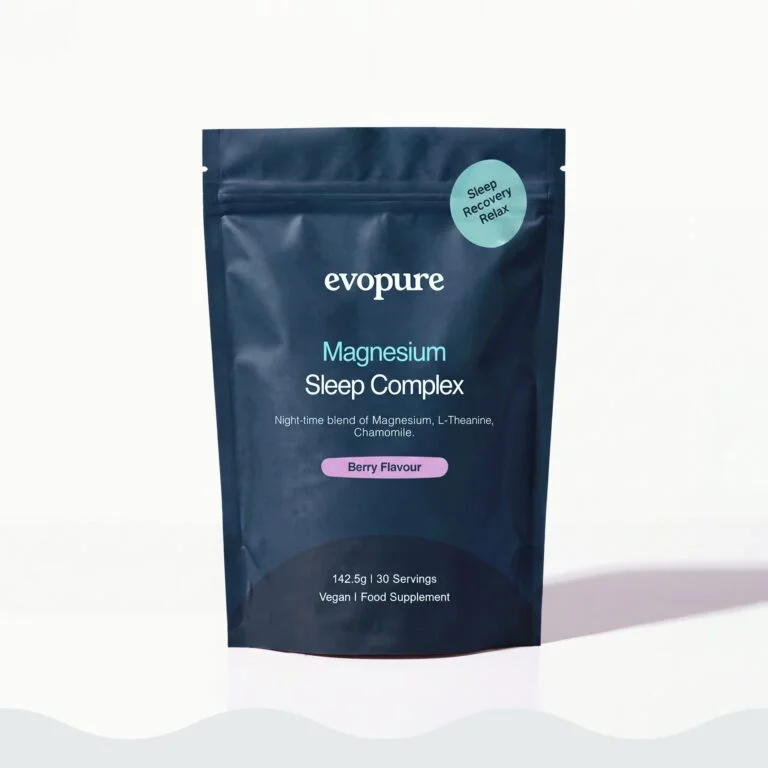
Magnesium Glycinate Sleep Complex
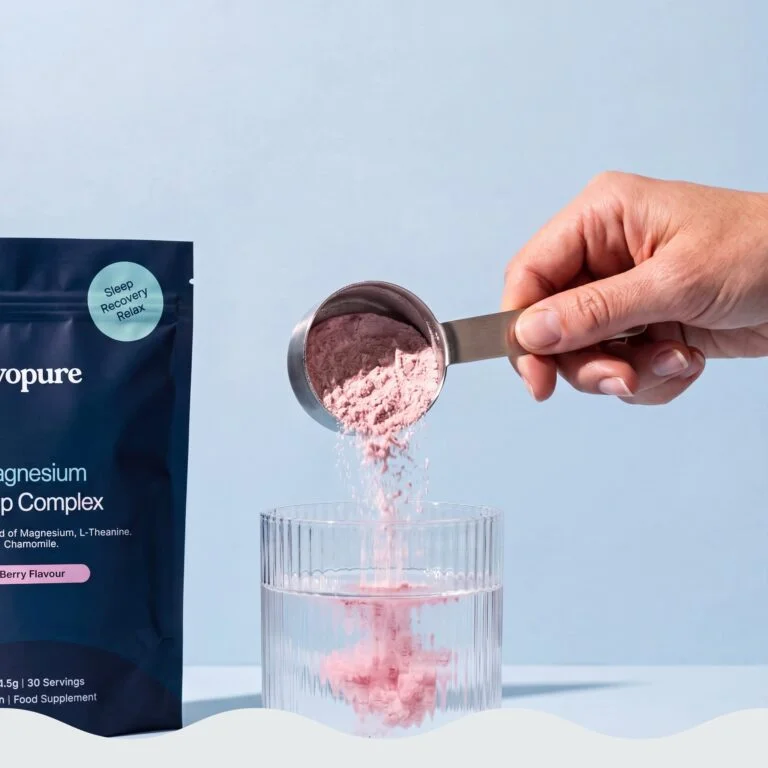
Magnesium Glycinate Sleep Complex is a berry drink powder with 290mg of magnesium a scoop from bisglycinate and citrate, plus glycine and L-theanine. Magnesium contributes to a reduction of tiredness and fatigue.
Add Magnesium Glycinate Sleep Complex to bag See ingredients and reviews
Vegan and made in the UK. Subscribe and save 25% on your first order, then 20%. New to Evopure? Join our emails for 20% off a one-off first order. Free UK delivery over £40. 14-day returns on unopened items.
Subscribe £17.99One-off £29.99
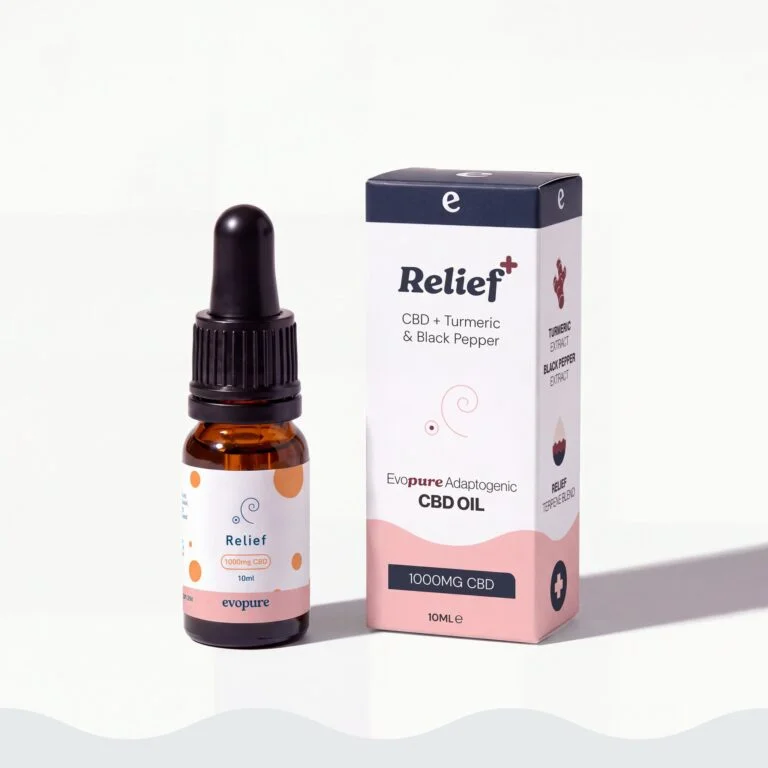
View productThe FSA’s 10mg a day figure for CBD is precautionary advice rather than a legal limit, set while longer-term safety research continues. At Evopure we think it is a very cautious figure, and many adults use more. If you go above it, increase slowly, and check with your GP or pharmacist first if you take any medication.
What works fastest?
Painkillers are the only option here that has been timed in trials, and those trials measure relief at two hours. The rest are low-risk, NHS-backed steps you can do at the same time.
| What to try | How fast it may help | Evidence and NHS notes |
|---|---|---|
| Paracetamol (1,000mg, usually two 500mg tablets, if the pack allows) | Trials measure at 2 hours | A Cochrane review found a small benefit at two hours for 1,000mg, and no clear difference from a dummy pill at one hour. 500 to 650mg did no better than placebo. |
| Ibuprofen | Trials measure at 2 hours | A 2024 review of trials ranked ibuprofen 400mg among the most effective simple painkillers for being pain free at two hours. The NHS says ibuprofen isn’t recommended in pregnancy. |
| Aspirin | Trials measure at 2 hours | NICE lists aspirin, paracetamol or an anti-inflammatory as the options for tension headaches. Never give aspirin to under-16s. |
| Water and food | Not well studied | The NHS says drink plenty of water and don’t skip meals. Not drinking enough and missing meals are both common headache causes. |
| Heat or cold pack, low firm pillow | Not well studied | The NHS suggests these if you have neck pain with your headaches. |
| Massage, yoga, exercise, relaxation | Not well studied for a single headache | The NHS lists these as ways to ease a tension headache yourself. |
| Screen break | Not well studied | The NHS advises not straining your eyes for a long time, for example at a screen. |
| Codeine-based painkillers | Not advised | NICE says opioids such as codeine shouldn’t be offered for tension headaches, and they can cause rebound headaches at fewer days a month than simple painkillers. |
Can stress cause headaches?
Yes. The NHS lists stress as a common cause of tension headaches and names stress and tiredness as migraine triggers too. Stress tightens neck, shoulder and jaw muscles and disturbs sleep, and both can feed a headache.
Stress headache relief
For a stress headache, the NHS suggests paracetamol, ibuprofen or aspirin (no aspirin for under-16s), relaxing activities such as exercise, yoga or massage, and better sleep habits. Good posture and screen breaks help too. To avoid medication overuse headaches, the Birmingham Headache Centre (an NHS clinic) advises using painkillers on no more than 2 to 3 days a week.
Call 999 for a sudden, extremely painful headache, or one with a stiff neck and high temperature, weakness or confusion; call NHS 111 for a severe headache with jaw pain or blurred vision (full list).
Tension headache symptoms
- Pain on both sides of your head, face or neck
- A feeling of pressure, or a tight band around your head
- Tender scalp, neck or shoulders: your head may hurt more when touched
- You can usually carry on with daily activities without making it worse
- Lasts at least 30 minutes, sometimes several days
What does a tension headache feel like?
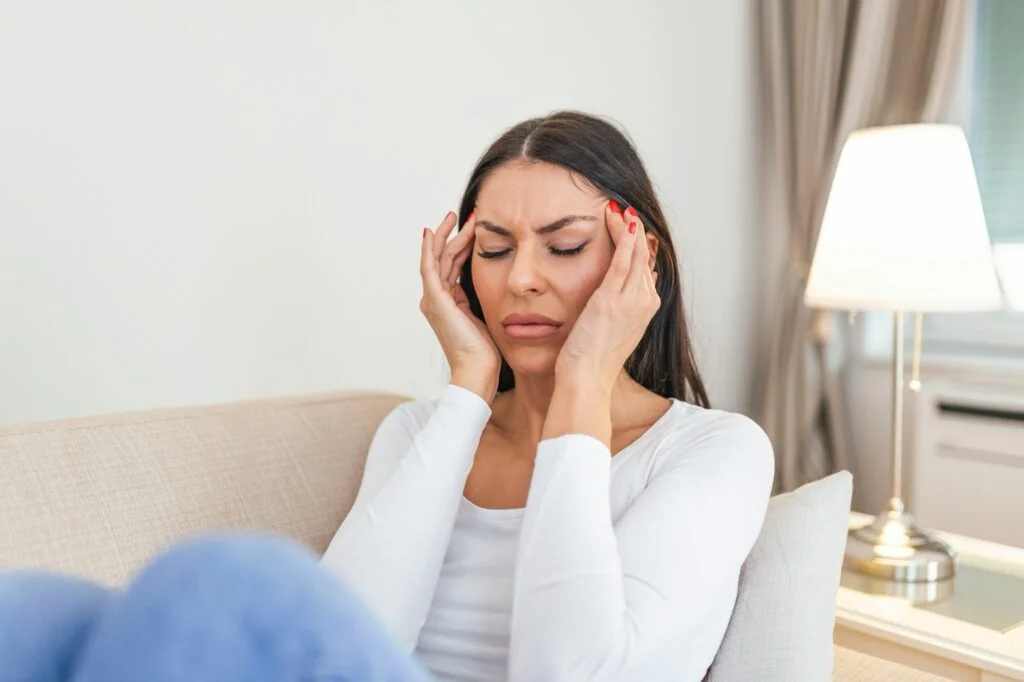
A tension headache feels like a tight band or steady pressure around your head, as if something is pressing on it. The NHS says the pain is on both sides of your head, face or neck, and your scalp may feel tender. It is a dull ache rather than throbbing, and you can usually carry on as normal.
Doctors call tension headaches on 15 or more days a month, for more than 3 months, “chronic” tension-type headache. Fewer than that is “episodic”. If yours are heading that way, it’s worth a GP visit. Tight, tender spots across the shoulders often come with them: see muscle knots and upper back pain.
Where is a stress headache felt?
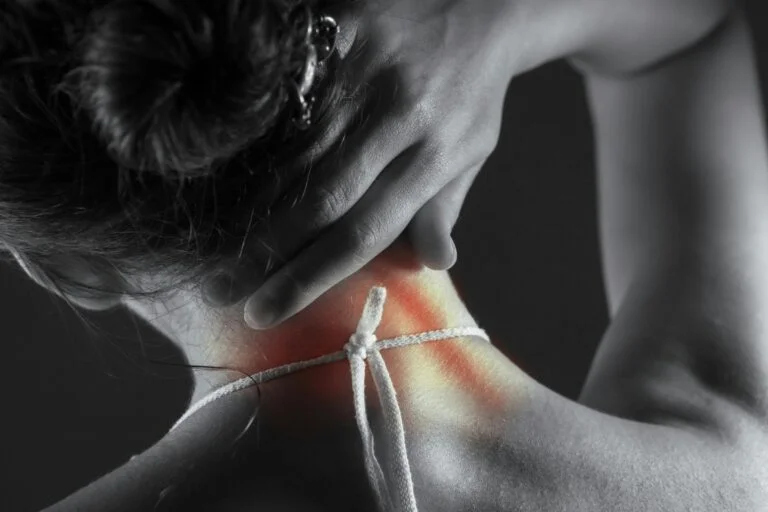
A stress headache is usually a tension headache. The NHS says the pain is on both sides of your head, face or neck, as if something is pressing on your head or tightening around it. That band is often felt across the forehead, at the temples and round the back of the head, where it meets the neck. The Migraine Trust adds that your neck or shoulder muscles may hurt too.
Throbbing pain on one side is more like migraine, and pain round one eye can be a cluster headache (see the comparison table). Call 999 or go to A&E for a headache that starts suddenly and is extremely painful, follows a head injury, or comes with a stiff neck and high temperature, weakness, confusion, or problems speaking or seeing. The full NHS list is in when to get urgent help.
What causes tension headaches?
The NHS names stress, sleep problems and caffeine as the common causes, plus taking painkillers too often. Its wider headache advice adds bad posture, eyesight problems, missed meals and not drinking enough. Researchers think frequent tension headaches may involve the nervous system becoming more sensitive to pain signals from tight head and neck muscles.
| Trigger | Read more |
|---|---|
| Stress, including at work | Stress symptoms and stress at work |
| Poor sleep or too little of it | Sleep deprivation and how to sleep better |
| Caffeine, or cutting it suddenly | Caffeine withdrawal and how long caffeine lasts |
| Tight neck and shoulders, often from desk work | Posture and desk set-up and shoulder pain |
| Screen time and eye strain | Blue light glasses |
| Jaw clenching | Jaw pain and TMD |
| Skipping meals and not drinking enough | How much water to drink |
| Taking painkillers too often | See below |
If you wake with the headache already there, the cause is often different (sleep, alcohol, teeth grinding or snoring): see waking up with a headache.
Painkillers and rebound headaches
What is a rebound headache?
A rebound headache, also called a medication overuse headache, is a headache on most days caused by taking painkillers too often. It can start if you take paracetamol, aspirin or ibuprofen on 15 or more days a month, or codeine, triptans or combination painkillers on 10 or more days, for 3 months or longer.
Taking painkillers too often or for a long time can cause “medication overuse” or rebound headaches. NICE tells doctors to look out for it when headaches started or got worse while someone was taking, for 3 months or more:
- paracetamol, aspirin or an anti-inflammatory such as ibuprofen (alone or combined) on 15 or more days a month, or
- opioids such as codeine, combination painkillers, or triptans on 10 or more days a month.
A simple rule: if you’re reaching for painkillers on more than a few days a week, or most weeks, talk to a GP or pharmacist about a plan. NICE says rebound headaches are treated by stopping the overused painkillers for at least a month, and headaches often get worse for a while before they improve, so do this with your GP’s support. Keeping a headache diary (how often, how bad, what you took) helps: use our printable headache diary. Don’t stop any prescribed medicine without talking to your GP. See also migraine.
Will ibuprofen help a headache?
Yes, for many headaches. The NHS lists headaches and migraines among the pains ibuprofen can ease, and suggests paracetamol, ibuprofen or aspirin for tension headaches. Take it with or after food, at the lowest dose that works: usually one or two 200mg tablets up to 3 times a day, at least 4 hours apart.
The NHS says ibuprofen may not be suitable if you:
- have had an allergic reaction to ibuprofen, aspirin or another anti-inflammatory
- have or have had a stomach ulcer
- have asthma or allergies such as hay fever
- have a heart, liver or kidney condition, problems with blood clotting, or have had a stroke
- are pregnant or trying to get pregnant (paracetamol is the first choice in pregnancy)
- take blood thinners, steroids, antidepressants or blood pressure medicines (check with a pharmacist first)
Don’t take ibuprofen tablets for more than 10 days unless a doctor advises it, and don’t take it alongside naproxen or aspirin. Using ibuprofen, paracetamol or aspirin on 15 or more days a month for 3 months can itself cause a medication overuse headache, so if you need painkillers most weeks, talk to a pharmacist or GP. NHS pages checked 12 November 2026.
Can you take naproxen for a headache?
Naproxen isn’t the usual first choice for an everyday headache. In the UK it’s an anti-inflammatory mostly given on prescription, and the naproxen tablets you can buy from a pharmacy are licensed for period pain in women aged 15 to 50. For a tension headache, the NHS suggests paracetamol, ibuprofen or aspirin instead. Ask a pharmacist if you’re unsure.
A GP may prescribe naproxen for some headaches; for example, NICE says a triptan can be combined with an anti-inflammatory such as naproxen for migraine. If you’ve been prescribed it, take it as your doctor or the leaflet says. A few safety points from the NHS:
- Don’t take naproxen with ibuprofen or aspirin: they’re all anti-inflammatories.
- Check with a pharmacist or GP first if you’ve had a stomach ulcer, have asthma, heart, kidney or liver problems, or take blood thinners, blood pressure tablets or some antidepressants.
- Avoid it in pregnancy unless a doctor advises it; paracetamol is usually preferred.
- If you bought it yourself, don’t take it for longer than 3 days.
- Like other painkillers, taking it on 15 or more days a month can cause the rebound headaches above.
Call 111 if you get black or bloody poo, are sick with blood, or have bad stomach pain while taking it. Our types of headaches guide helps you work out which kind you have.
How to prevent tension headaches
- Manage stress with regular exercise, yoga or relaxation. See how to relieve stress.
- Improve your sleep. See insomnia, and the best sleeping position for neck pain.
- Cut down on caffeine gradually: tea, coffee and cola. See how caffeine affects you.
- Check your posture and set your screen at eye level. Take a break every hour.
- Use a low, firm pillow if your neck is stiff in the morning.
- Eat regularly and drink water through the day.
- Keep a headache diary to spot triggers.
- Ask about acupuncture if your headaches are chronic. NICE suggests considering up to 10 sessions over 5 to 8 weeks for chronic tension-type headache.
What about magnesium?
To be straight with you: the research on magnesium and headaches is mostly about migraine, not tension headaches, and NICE’s headache guideline doesn’t recommend magnesium for either. The supplement NICE does mention is riboflavin, for some people with migraine. See magnesium for migraines. Taking magnesium as well as paracetamol, ibuprofen or aspirin? See magnesium and painkillers.
Magnesium contributes to normal muscle function and to a reduction of tiredness and fatigue. Our Magnesium Glycinate Sleep Complex is an evening drink many people use as part of a wind-down routine. It isn’t a headache treatment. For more, see magnesium and muscles.
Tension headache vs migraine vs cluster headache
| Tension headache | Migraine | Cluster headache | |
|---|---|---|---|
| Where | Both sides, like a tight band | Often one side | One side, around the eye |
| Feels like | Pressure or ache | Throbbing, worse when you move | Sharp, burning or piercing; you may feel restless |
| How long | 30 minutes to several days | Usually 4 hours to 3 days | 15 minutes to 3 hours, often several times a day for weeks or months |
| Other symptoms | Usually none | Feeling sick, sensitive to light and sound, sometimes aura | Red, watering eye, drooping eyelid, blocked or runny nose on the same side |
| Daily life | Can usually carry on | Often need to lie down | Very severe; can come at set times of day |
| Painkillers | Usually help | Can help; a GP can prescribe other medicines | Paracetamol and ibuprofen don’t work: see a GP |
Cluster headaches are rare. Specialists treat attacks with triptan injections or nasal sprays, or oxygen through a mask. If the ache sits behind your eyes, see headache behind the eyes. For migraine, see magnesium for migraines and what the research says on CBD and migraines.
When to see a GP or get urgent help
iSee a GP if headaches happen several times a week, are severe, don’t improve with painkillers and relaxation, throb on one side or at the front, or come with feeling sick or finding light or noise painful.
Get an urgent GP appointment or call NHS 111 for a severe headache with jaw pain when eating, blurred or double vision, or a sore scalp; or a headache that’s made worse by coughing, sneezing or bending down. For a child under 12, also call 111 for a headache that wakes them at night, is there when they wake up, keeps getting worse, or comes with vomiting.
Call 999 or go to A&E for a headache that came on suddenly and is extremely painful (sometimes called a thunderclap headache), or a headache:
- after a head injury
- with a very high temperature, a stiff neck, a rash that doesn’t fade under a glass, or bright lights bothering you
- with numbness or weakness in the body or face
- with problems speaking, remembering, balancing or walking
- with drowsiness or confusion, a seizure, or loss of vision
Don’t drive yourself to A&E. If you’ve been diagnosed with cluster headaches, the NHS also says call 999 if one eyelid droops or one pupil is smaller than the other for the first time.
Related guides
- Worried your headaches mean something serious? See health anxiety.
- Eye twitching with a headache: what it means and when to see a GP.
- Aching all over as well? See body aches.
- Short on sleep this week? See what sleep deprivation does to your body.
- Morning headaches with loud snoring can point to obstructive sleep apnoea, which is worth raising with a GP.
- Migraine: symptoms, triggers and how to get rid of one fast.
- Frequent headaches with tiredness and breathlessness? See can iron deficiency cause headaches?
- Pain somewhere else on your head? Our headache location chart explains what each spot usually means.
- Neck muscles can refer pain into the head: see SCM and trapezius muscle pain.
- What a cluster headache is and how it’s treated.
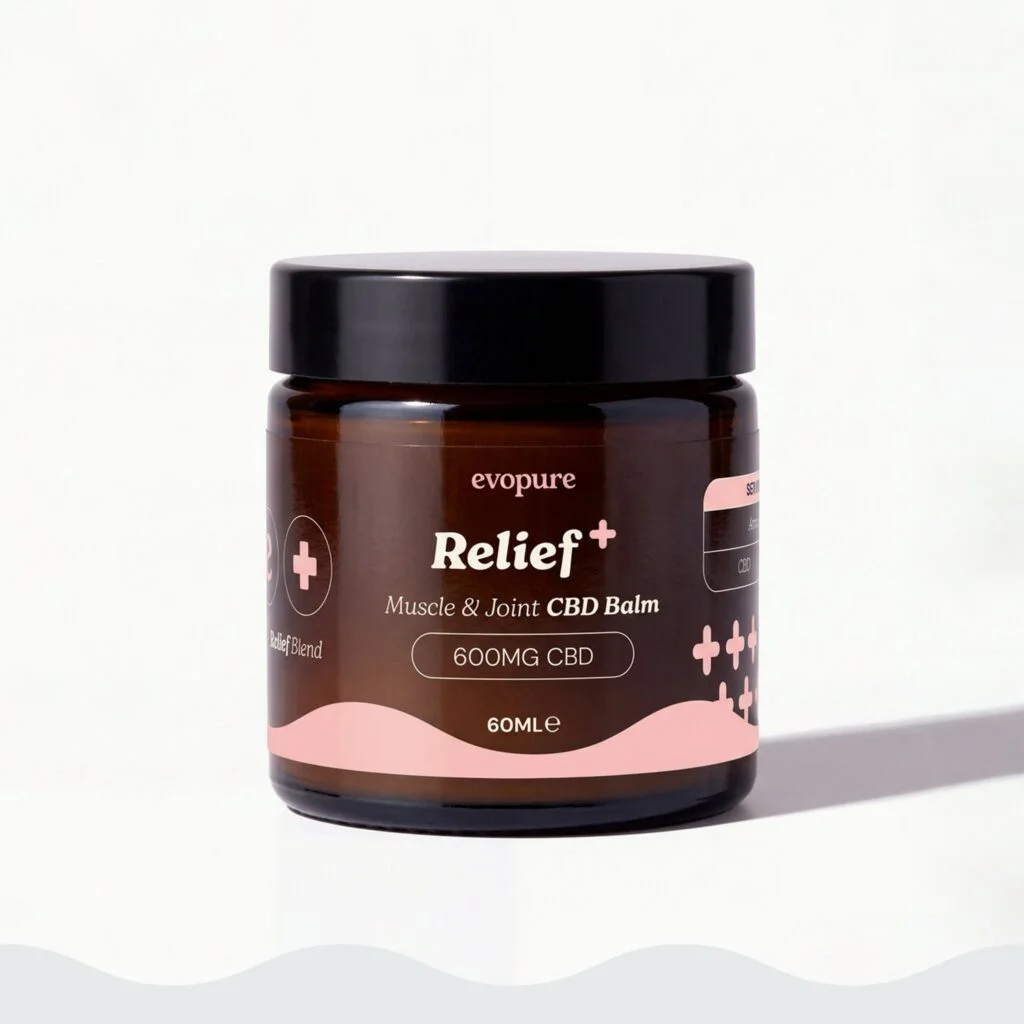
Next step
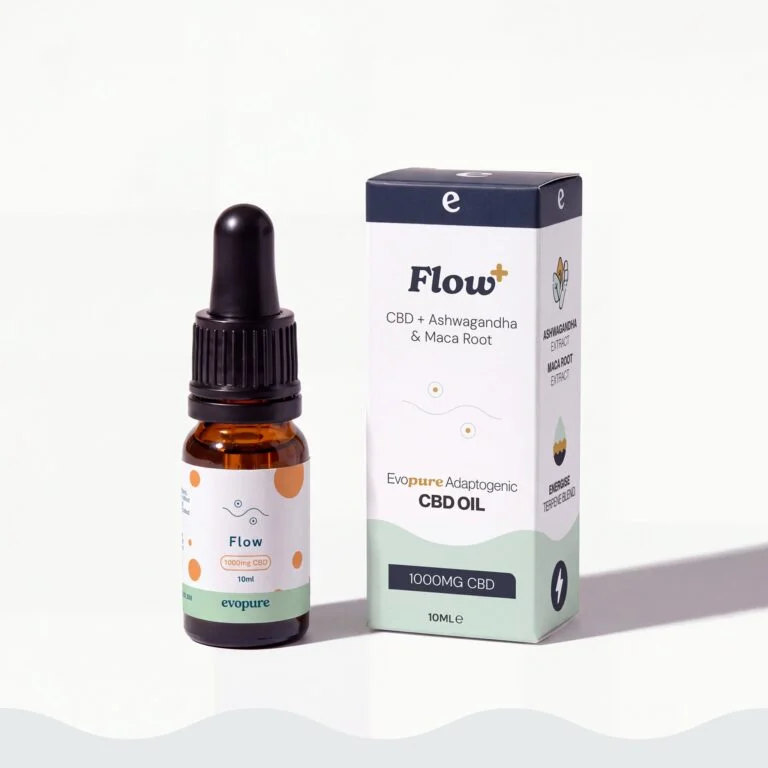
For a neck and shoulder massage, Evopure’s CBD Balm has 600mg of CBD per tub (20mg per 2ml), with peppermint, eucalyptus and juniper. It’s a cosmetic balm, not a headache treatment. Adults who already take CBD may prefer Flow CBD Oil (10mg in about 0.2ml of the 500mg).
Subscribe and save 25% on your first order, then 20%. New to Evopure? Join our emails for 20% off a one-off first order. Free UK delivery over £40. Adults only. Our balm’s product description mentions wintergreen oil, so ask a pharmacist first if you’re allergic to aspirin or take a blood thinner. If you take any regular medicines, check with your GP or pharmacist first.
Sources 13
- NHS. Tension headaches.
- Birmingham Headache Centre, University Hospitals Birmingham NHS Foundation Trust. Medication overuse headache information sheet.
- NHS. Headaches.
- NHS. Cluster headaches.
- NHS. Migraine.
- NHS. Naproxen.
- NHS. Ibuprofen for adults (reviewed 27 August 2025, checked 12 November 2026).
- The Migraine Trust. Tension-type headache.
- NICE (2012, updated 2025). Headaches in over 12s: diagnosis and management (CG150).
- Stephens G et al. (2016). Paracetamol (acetaminophen) for acute treatment of episodic tension-type headache in adults. Cochrane Database of Systematic Reviews.
- Xie R et al. (2024). Efficacy and safety of simple analgesics for acute treatment of episodic tension-type headache in adults: a network meta-analysis. Annals of Medicine.
- Bendtsen L (2000). Central sensitization in tension-type headache: possible pathophysiological mechanisms. Cephalalgia.
- NHS. Stress.
This guide is general information, not medical advice. Evopure makes the CBD Balm and Magnesium Glycinate Sleep Complex.