
Last updated: October 2026
Dry January is a month off alcohol from 1 to 31 January, run in the UK by the charity Alcohol Change UK. In a UK study, a month without alcohol lowered blood pressure, weight and insulin resistance in regular drinkers. People also report better sleep, more energy and money saved, and many drink less for months afterwards.
Below: the benefits backed by research, what to expect week by week, practical tips to get through it, the best alcohol-free swaps, and who should get advice before stopping.
What is Dry January?
Dry January started in 2013 and is now one of the UK’s biggest health challenges. In a Censuswide survey for Alcohol Change UK in November 2025, about a third of UK adults (32%) said they planned to take a month off alcohol in January 2026. A separate YouGov poll put the number planning to go completely teetotal at 10%, so plenty of people aim to cut down rather than stop.
The most common reasons people gave were saving money (21%), improving health (20%), losing weight (15%) and boosting mental wellbeing (11%).
Dry January benefits: what the research shows
| Benefit | Evidence |
|---|---|
| Lower blood pressure | In a study of 94 regular drinkers at the Royal Free Hospital in London, one month off alcohol cut systolic blood pressure by about 7%. |
| Better blood sugar control | The same study found insulin resistance fell by about a quarter. |
| Weight | Average weight fell by 1.5%. Alcohol is calorie-dense and often comes with snacking. |
| Drinking less afterwards | A study of 857 Dry January participants found they were drinking less 6 months later, even those who didn’t complete the month. |
| Feeling in control | Participants became more confident about turning down a drink, which helps keep drinking lower long term. |
| Better sleep | Alcohol disturbs the body’s overnight recovery in a dose-dependent way, in a study of over 4,000 people. Sleep is often the first thing people notice improving. |
| Money saved | Alcohol Change UK says its Try Dry app users have saved over £1.5 billion between them. |
A 2020 study comparing Dry January participants with the general population found participants tended to be heavier drinkers to start with, and were more likely to cut down afterwards. In other words, the people who stand to gain most are the ones taking part.
Dry January benefits timeline: week by week
Everyone is different, but this is what many people notice:
| When | What you might notice |
|---|---|
| Week 1 | Cravings at your usual drinking times, especially after work and at weekends. Sleep may feel unsettled for a few nights before it improves. |
| Week 2 | Deeper, less broken sleep and easier mornings. Fewer “3am wake-ups”. |
| Week 3 | More energy and focus; you may notice you’re snacking less in the evening. |
| Week 4 | Changes in blood pressure, weight and blood sugar, as seen in the study above. More money in your account. |
If you wake in the night a lot, see why you wake at 3am.
How to do Dry January (and make it easier)
- Decide your why. Money, sleep, health or a reset after Christmas. Write it down.
- Sign up and tell people. Alcohol Change UK’s free Try Dry app tracks your days, units and savings, and the charity says app users are twice as likely to complete the month.
- Clear the house of alcohol, or put it out of sight.
- Stock up on swaps you actually like (see below).
- Plan your danger times. Friday nights, birthdays and the first payday weekend. Have a drink order and an answer ready.
- Replace the ritual, not just the drink: a walk after work, a bath, a warm drink in your favourite mug.
- Watch the sugar. Swapping wine for fizzy drinks and puddings can undo some of the benefits.
- Count your wins: nights of good sleep, money saved, mornings without a hangover.
For more ideas, see the NHS tips on cutting down.
Best Dry January drinks
| Instead of | Try |
|---|---|
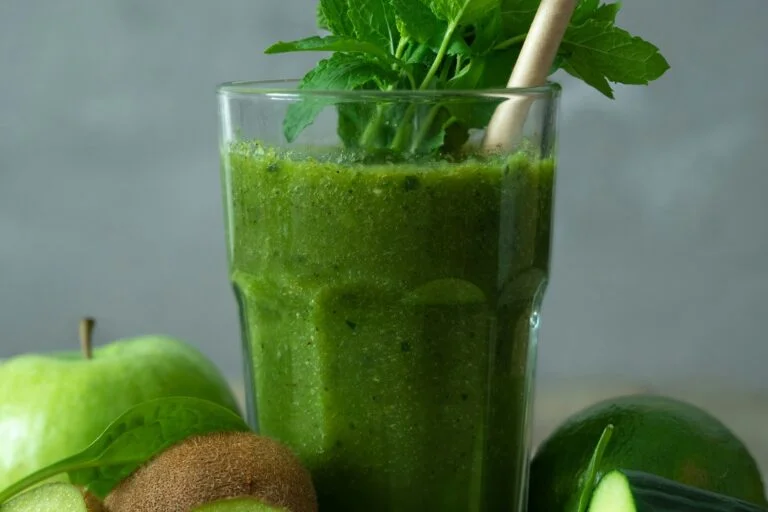
| An after-work beer | Alcohol-free beer or sparkling water with lime and bitters |
| A glass of wine with dinner | Kombucha, alcohol-free wine or a shrub (fruit vinegar) with soda |
| A G&T | An alcohol-free spirit with tonic, or tonic with cucumber and rosemary |
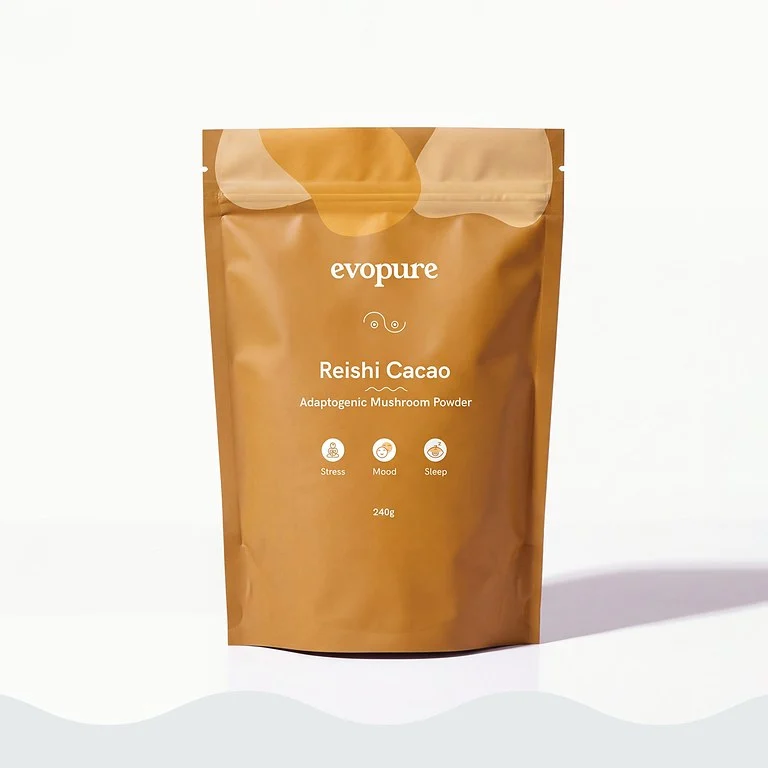
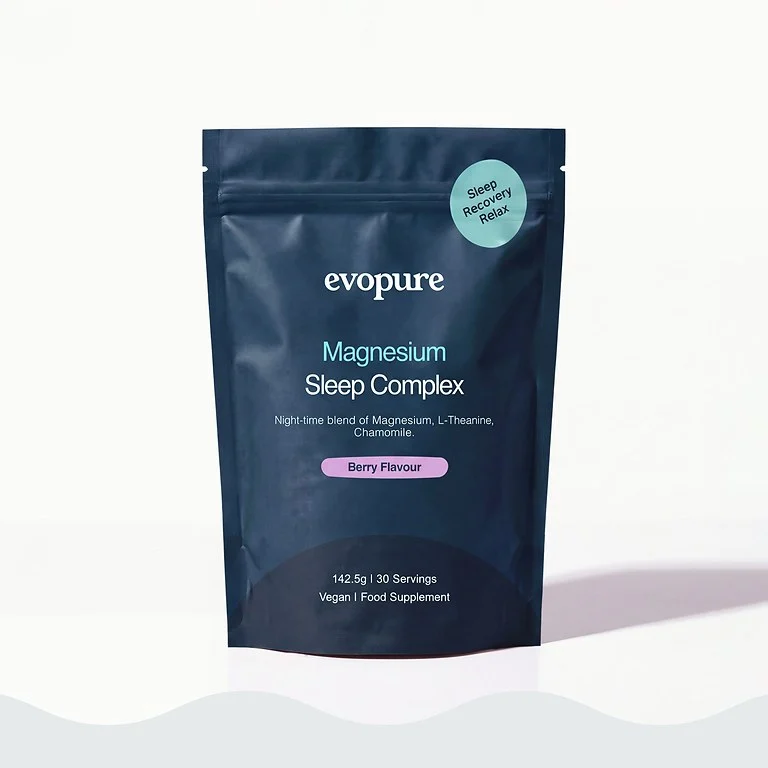
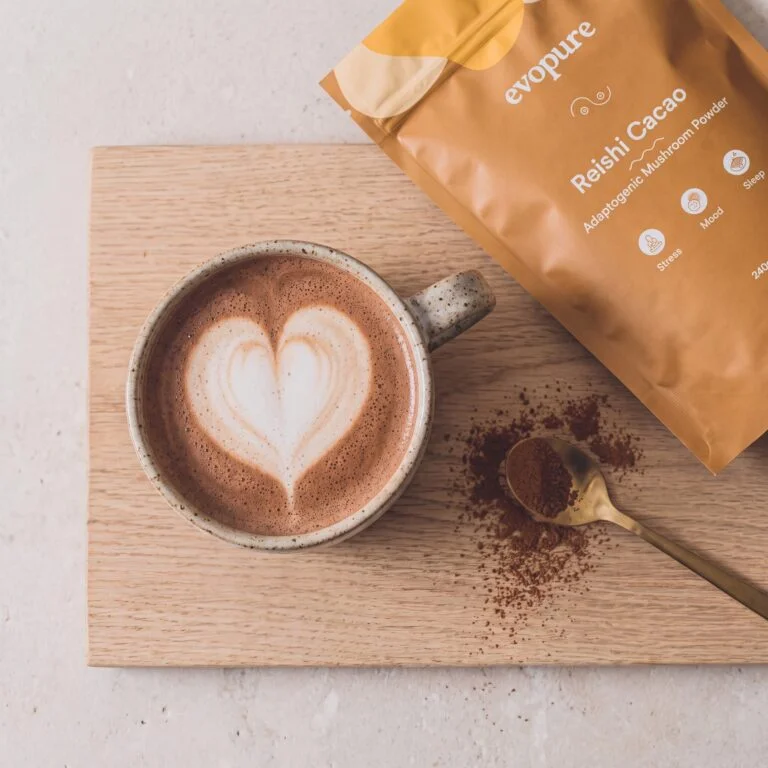
| A nightcap | A warm reishi cacao or a magnesium drink. See alcohol-free nightcaps and the sleepy girl mocktail |
Does alcohol-free beer count? It’s your challenge, so it’s your call. Under UK labelling guidance, “alcohol-free” means no more than 0.05% alcohol, “de-alcoholised” no more than 0.5%, and “low alcohol” no more than 1.2%. Some people find alcohol-free versions keep the habit going, so skip them if they make you want the real thing.
Magnesium contributes to the reduction of tiredness and fatigue, which can help if you’re adjusting to new evening routines. Our Reishi Mushroom Adaptogenic Complex and Magnesium Glycinate Sleep Complex are both vegan and alcohol-free.
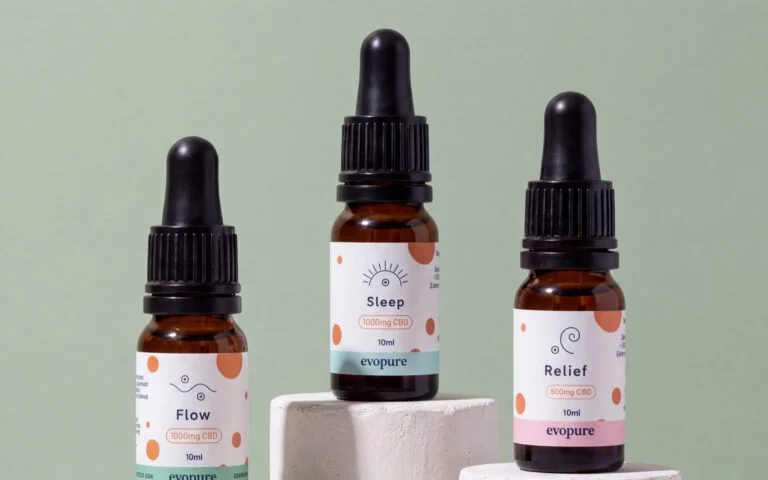
The FSA’s 10mg a day figure for CBD is precautionary advice rather than a legal limit, set while longer-term safety research continues. At Evopure we think it is a very cautious figure, and many adults use more. If you go above it, increase slowly, and check with your GP or pharmacist first if you take any medication.
What if you slip up?
Don’t give up. The 2016 study found that even people who didn’t make it through the whole month were drinking less 6 months later. Treat a slip as information: what was the situation, and what will you do differently next time? Then carry on from the next day.
After Dry January: keeping the benefits
- Don’t celebrate with a big night. Your tolerance will be lower, and so is your defence against hangxiety.
- Keep some drink-free days every week. The NHS advises no more than 14 units a week, spread over 3 or more days.
- Keep the swaps you liked and the habits that helped your sleep.
- Try “damp” drinking: drinking less and more mindfully. See how to cut down on alcohol without quitting.
Who should get advice before stopping
If you drink heavily every day, or get shaking, sweating, anxiety or sickness when you don’t drink, do not stop suddenly. Alcohol withdrawal can be dangerous, and Alcohol Change UK warns that people who are dependent on alcohol can die if they stop completely all at once. Speak to your GP first, who can help you cut down safely. The NHS lists free alcohol support services.
If you use CBD and drink, see CBD and alcohol. And if the run-up to January is stressful, see how to have a calmer Christmas.
Related guides
- Hangover cure: what actually works.
- See how to build healthy habits that stick.
- Blue Monday 2027 and how to beat the January blues.
- Want a head start before January? See Winter Arc 2026 rules and dates.
- What happens to your sleep when you stop drinking.
- Does kombucha contain alcohol? What UK labels mean
- Livelier dreams in the first week or two are common. See why you’re having vivid dreams.
- Buying for someone doing Dry January? See our hot chocolate gifts for people cutting down on sugar or alcohol.
FAQs
When does Dry January start?
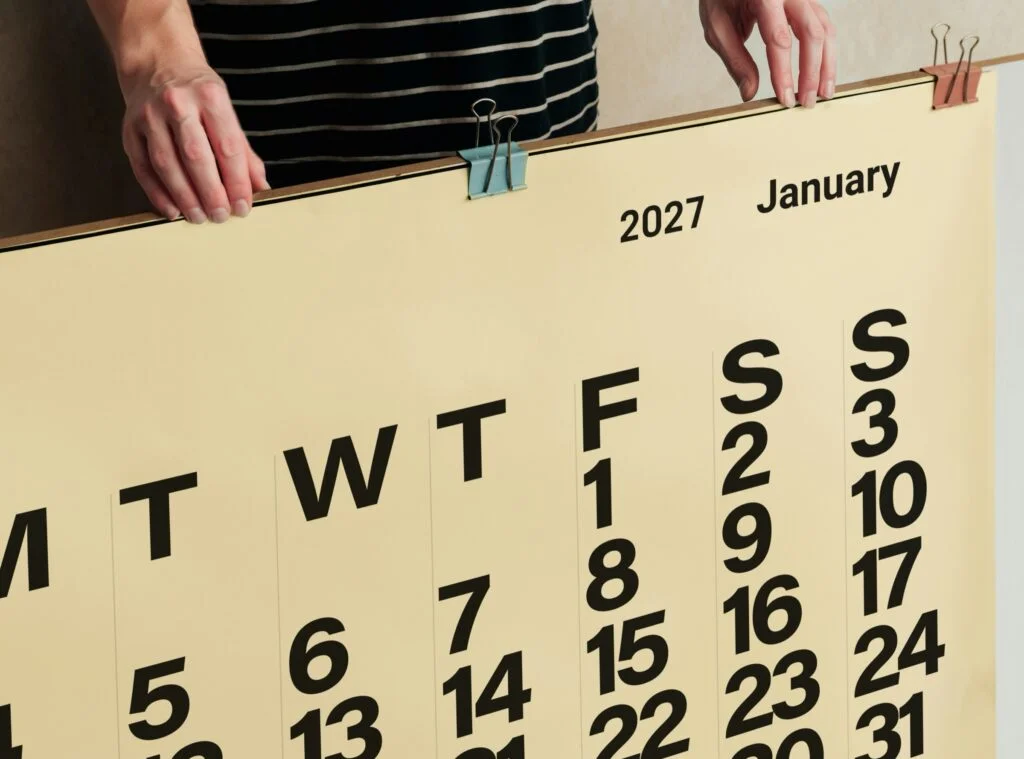
On 1 January, and it runs to 31 January. Dry January 2027 starts on Friday 1 January.
What are the benefits of Dry January?
In a UK study, a month off alcohol lowered blood pressure, weight and insulin resistance. People also report better sleep, more energy, money saved and drinking less afterwards.
Does Dry January actually work?
Research suggests so. Participants were drinking less 6 months later, even those who didn’t complete the month, and very few drank more afterwards.
Does alcohol-free beer count in Dry January?
Most people count drinks labelled alcohol-free (0.05% or less) as fine. If they make you crave the real thing, skip them.
Will I lose weight doing Dry January?
Possibly. Average weight fell by 1.5% in one study, but swapping alcohol for sugary drinks and snacks can cancel that out.
Is it safe for everyone to stop drinking suddenly?
No. If you drink heavily every day or get withdrawal symptoms, speak to your GP first, as stopping suddenly can be dangerous.
Sources
- Mehta G et al (2018). Short-term abstinence from alcohol and changes in cardiovascular risk factors, liver function tests and cancer-related growth factors: a prospective observational study. BMJ Open.
- de Visser RO et al (2016). Voluntary temporary abstinence from alcohol during “Dry January” and subsequent alcohol use. Health Psychology.
- de Visser RO, Piper R (2020). Short- and longer-term benefits of temporary alcohol abstinence during Dry January are not also observed among adult drinkers in the general population. Alcohol and Alcoholism.
- Pietilä J et al (2018). Acute effect of alcohol intake on cardiovascular autonomic regulation during the first hours of sleep. JMIR Mental Health.
- Alcohol Change UK. UK brings a Jan-do attitude to better health and wellbeing in 2026.
- YouGov. How many people intend to abstain from alcohol in January 2026?
- NHS. Alcohol support.
This guide is general information, not medical advice. Evopure makes the Reishi Mushroom Adaptogenic Complex and Magnesium Glycinate Sleep Complex.