Last updated: 11 November 2026
Blue Monday 2027 falls on Monday 18 January, the third Monday in January. It’s billed as the most depressing day of the year, but the idea began as a 2005 travel company PR campaign, not science. Last year’s was 19 January 2026. January blues are real for many people, though, and small daily habits help.
Below: the dates for 2026 to 2029, what Blue Monday is and where it came from, why January can feel hard, 10 practical ways to lift the January blues, a simple plan for the day itself, and when low mood needs more support. (Looking for the New Order song? This guide is about the date in January.)
When is Blue Monday 2027?
Blue Monday 2027 is Monday 18 January 2027, the third Monday in January. The date moves each year because it follows that rule rather than a fixed day. Samaritans marks the same Monday as Brew Monday, and the Mental Health Foundation says no scientific studies have ever backed Blue Monday up.
Here are the recent and upcoming dates, checked against the calendar:
| Year | Blue Monday (third Monday in January) |
|---|---|
| 2025 | Monday 20 January |
| 2026 | Monday 19 January |
| 2027 | Monday 18 January |
| 2028 | Monday 17 January |
| 2029 | Monday 15 January |
Is the Blue Monday date 2027 always 18 January? Not everyone uses the same rule. The first Blue Monday, announced in 2005, was 24 January, which was the fourth Monday that year, and a few calendars still pick the second or fourth Monday. Most UK media, charities and calendar sites now use the third Monday, so 18 January 2027 is the commonly cited date.
It lands around the time Christmas feels long gone, payday still feels far away and New Year resolutions start to slip. Samaritans’ Brew Monday falls on the same day (see below).
Is today Blue Monday?
Only if today is the third Monday in January. In 2027 that’s 18 January; any other day, it isn’t. Either way, feeling low isn’t tied to a date, and the support further down this page is there every day of the year.

Our pick
Magnesium Glycinate Sleep Complex
Magnesium Glycinate Sleep Complex is a berry drink powder with 290mg of magnesium a scoop from bisglycinate and citrate, plus glycine and L-theanine. Magnesium contributes to normal psychological function and to a reduction of tiredness and fatigue.
Add Magnesium Glycinate Sleep Complex to bag See ingredients and reviews
Vegan and made in the UK. Free UK delivery over £40, 14-day returns on unopened items. Subscribe and save 25% on your first order, then 20%. New to Evopure? Join our emails for 20% off a one-off first order.
Subscribe £22.49One-off £29.99
View productWhat is Blue Monday?
Blue Monday is the name given to a Monday in mid-January that is marketed as “the most depressing day of the year”. “Feeling blue” means feeling sad, and Mondays already have a reputation, so the name stuck.
It started in the UK in 2005, when the travel company Sky Travel, since closed, wanted to sell more holidays. A former university lecturer, Cliff Arnall, was asked to identify the year’s gloomiest day and came up with a “formula”.
The Blue Monday formula
The equation combined a handful of things:
- the weather
- levels of personal debt
- time since Christmas
- time since New Year resolutions were made (and broken)
- motivation levels
Put together, it pointed to the third Monday in January. The catch: none of these things can be measured in the same units or meaningfully added together, so the result is a number that doesn’t mean anything.
Is Blue Monday real?
No, not as a scientific fact. The “formula” was produced in 2005 for a travel company’s press campaign to encourage people to book holidays. The Mental Health Foundation calls Blue Monday a myth and points out that no scientific studies have ever backed it up. Scientists have dismissed the equation, and mental health charities point out that low mood can strike on any day.
Calling one day “the most depressing” can also be unhelpful. It can make people who struggle all winter feel dismissed, and it can make depression sound like “a bit of a Monday feeling” rather than a real health condition. That’s why Samaritans say there’s no such thing as Blue Monday and turned it into Brew Monday instead (see below).
Is Blue Monday a UK thing?
It began as a UK press release and is still mostly a UK media fixture each January, with brands, newspapers and charities all picking up on it. You’ll see it mentioned in other countries too, but it has no official status anywhere: it isn’t a recognised awareness day or a bank holiday. If CBD is on your list to try, see our guide to the best CBD oil for stress in the UK, which compares oils and capsules side by side.
Why January can feel hard
The date is made up, but the reasons January feels flat for many people are real enough:
- Short, dark days. Less daylight affects sleep, energy and mood, especially in the UK. See why you feel so tired in winter.
- Money. A long gap between December and January paydays, plus Christmas spending.
- The post-Christmas dip. After weeks of socialising, routines go back to normal overnight.
- Resolutions. Big, all-or-nothing goals can leave you feeling you’ve failed by mid-month. See how to get motivated when you have none.
- Winter bugs and spending more time indoors.
How do you beat the January blues?
The NHS Every Mind Matters advice for low mood is to stay a little active every day, talk to someone, get better sleep and do one helpful or enjoyable thing each day. Morning daylight, a regular wake time and 10 micrograms of vitamin D a day from October to March, as the NHS advises, help many people through January. Ten practical ideas:
- Get outside in daylight, ideally in the morning, even when it’s grey. A 20-minute walk counts.
- Keep a regular wake time. It anchors your body clock and makes dark mornings easier. See how to fall asleep fast.
- Move most days. Walking, swimming or a class: whatever you’ll actually do.
- Make a money plan for the rest of the month, so the payday gap feels manageable.
- See people. Book one thing a week to look forward to, even a coffee. If winter feels lonely, see how to feel more connected.
- Shrink your resolutions to small, specific habits, such as “a 10-minute walk after lunch”. Our guide to building healthy habits that stick has a 30-day plan.
- Take vitamin D. The NHS advises everyone to consider 10 micrograms a day from October to March. Vitamin D contributes to the normal function of the immune system. See vitamin D in winter.
- Go easy on alcohol. The NHS advises against using alcohol to cope with low mood. See Dry January.
- Eat regular meals with plenty of fruit, vegetables and protein. See food and mood.
- Plan some light: a weekend away, a day trip, brighter lamps at home, or a cosy, hygge-style evening to look forward to.
For more ideas, see our winter blues guide, winter wellness and the winter arc.
A simple plan for Blue Monday itself
If 18 January 2027 is already looking grey, a light plan for the day can help. None of this needs money or willpower:
| When | Try this | Why |
|---|---|---|
| Morning | Open the curtains straight away, get outside for 10 to 20 minutes, eat breakfast | Daylight and a regular start help set your body clock |
| Midday | Message or call one person; take a proper lunch break away from a screen | Connecting with others is the first of the NHS’s 5 steps to mental wellbeing |
| Afternoon | Pick one small task and finish it; a short walk if you’re flagging | Small, achievable goals beat a long to-do list |
| Evening | A warm drink, an early night, phone away; note one thing that went OK | A calm routine and paying attention to the present moment |
Little rituals help here. Some people like a mug of reishi hot chocolate as a warm, comforting evening drink. If you take magnesium, it contributes to normal psychological function and to a reduction of tiredness and fatigue, which is worth knowing in a long winter. For more ideas, see our 50 simple self-care ideas.
For the evening mug
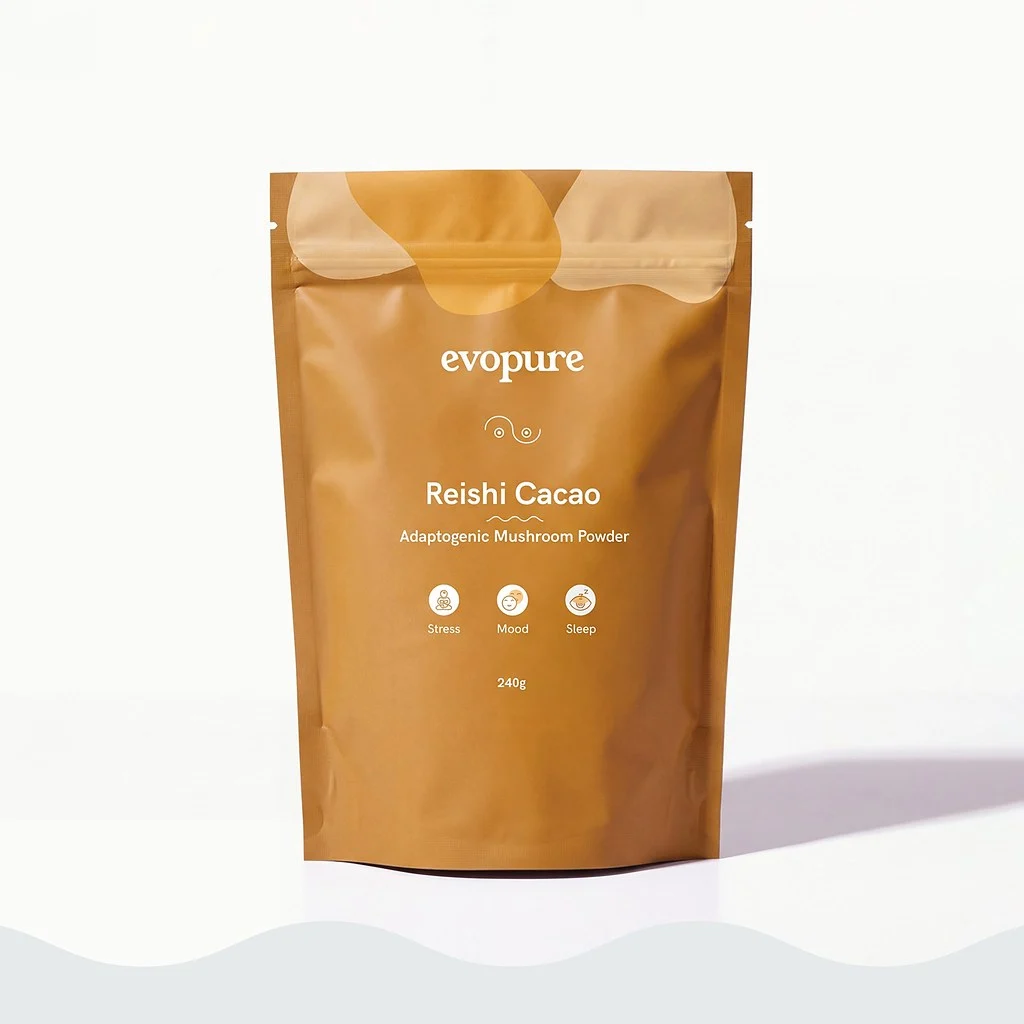
Reishi Mushroom Adaptogenic Complex
Reishi Mushroom Adaptogenic Complex is a reishi hot chocolate powder. Each 8g serving (2 teaspoons) has 0.5g reishi, 0.5g maca and 0.3g cinnamon, with cocoa, coconut sugar and stevia. It contains a little natural caffeine from the cocoa. Vegan and made in the UK.
Subscribe £22.49One-off £29.99
View productThe FSA’s 10mg a day figure for CBD is precautionary advice rather than a legal limit, set while longer-term safety research continues. At Evopure we think it is a very cautious figure, and many adults use more. If you go above it, increase slowly, and check with your GP or pharmacist first if you take any medication.
When is Brew Monday 2027?
Brew Monday 2027 is on Monday 18 January 2027, the same day as Blue Monday. Samaritans holds Brew Monday on the third Monday in January and says there’s no such thing as Blue Monday. The idea is simple: share a cuppa and a catch-up with someone you care about. Samaritans says you can hold one on any day that suits you.
Message a friend, invite a colleague for a tea, or call someone who might be finding winter tough. As Samaritans put it, if you’re sharing a cuppa, talking and listening, you’re doing it right. A warm drink and a proper chat do more than any formula.
Blue Monday at work
Many workplaces mark the day. The kindest versions skip the “most depressing day” message and simply make it easier for people to connect:
- Run a Brew Monday tea break, in person or on a video call for remote teams.
- Remind everyone where support is: your employee assistance programme if you have one, plus the NHS and Samaritans details below.
- Encourage a lunchtime walk in daylight rather than lunch at the desk.
- Managers: ask “how are you, really?” and leave space for the answer.
If you work from home, see working from home and mental health, and if January is when the pressure peaks, our guide to burnout symptoms may help.
Next step
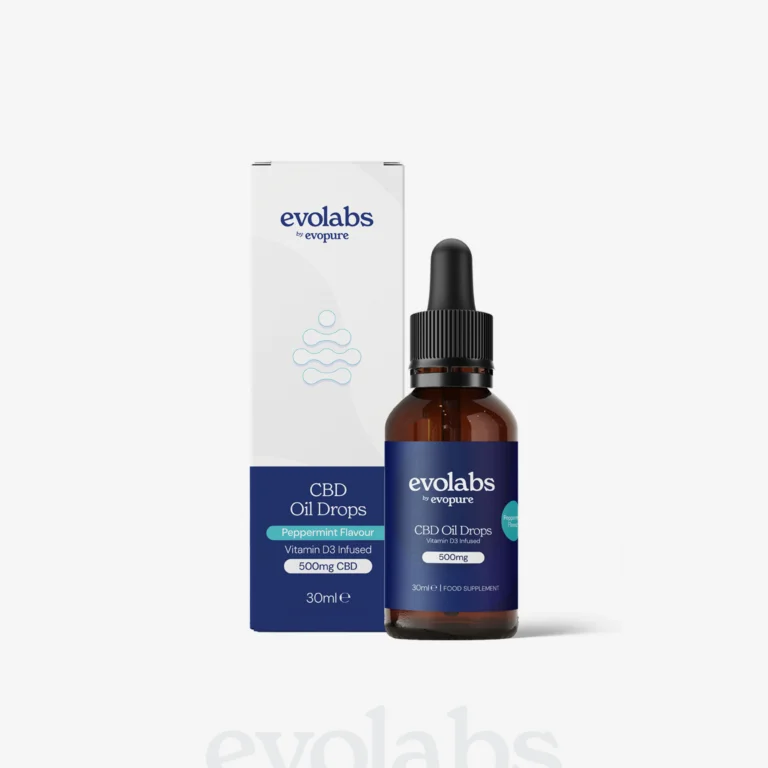
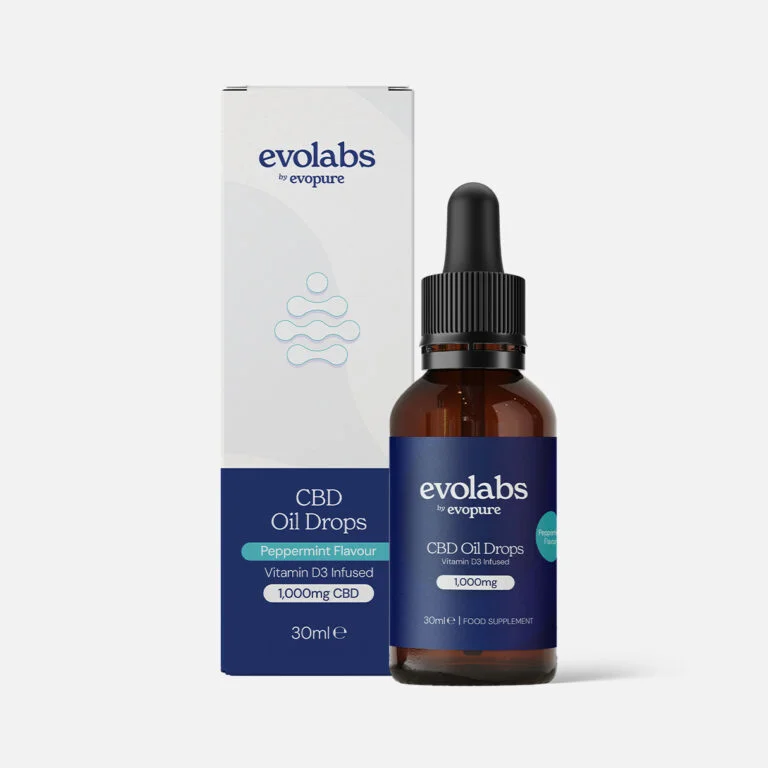
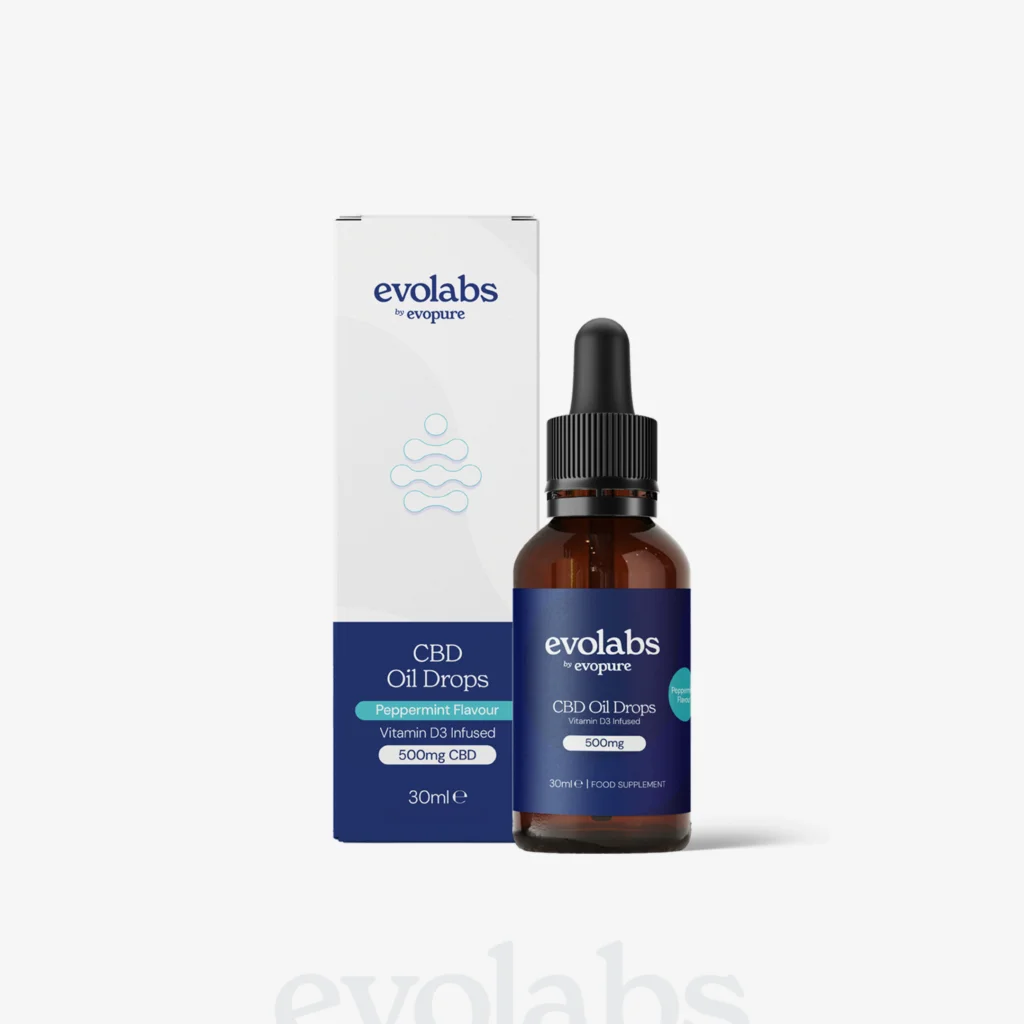
Mint CBD Oil With Vitamin D3 · Evolabs
If dark January days are part of the dip, the NHS suggests 10 micrograms of vitamin D a day in autumn and winter. Mint CBD Oil + Vit D3 (1,000mg, 30ml) gives 10mg CBD in about 0.3ml and 10µg vegan vitamin D3 (200% NRV) per half pipette, third-party lab tested. Vitamin D contributes to the normal function of the immune system. If you don’t use CBD, a plain 10 microgram vitamin D3 supplement covers the NHS advice on its own.
Add Mint CBD Oil + Vit D3 to bag See ingredients and reviews
Subscribe and save 25% on your first order, then 20%. New to Evopure? Join our emails for 20% off a one-off first order. Free UK delivery over £40. The FSA advises healthy adults to take no more than 10mg of CBD a day: about 0.3ml of the 1,000mg gives 10mg. Adults only. If you take any regular medicines, check with your GP or pharmacist first. We don’t recommend our products during pregnancy or breastfeeding.
Subscribe from £13.49One-off from £17.99
View productJanuary blues, SAD or depression?
Feeling flat in January is common. Seasonal affective disorder (SAD) is different: the NHS describes it as a type of depression that usually happens in winter.
| January blues | Seasonal affective disorder (SAD) | |
|---|---|---|
| How it feels | Flat, tired, less motivated | Persistent low mood, loss of interest, feeling hopeless or worthless, sleeping much more, eating more |
| How long | Comes and goes; lifts with plans and light | Returns each autumn or winter and lasts for weeks or months |
| Effect on life | Mild | Affects work, relationships and daily life |
| What helps | The tips above | See your GP: talking therapies, light therapy or antidepressants can help |
If you think you might have SAD, see our guide to seasonal affective disorder and SAD lamps. If you’re not sure whether what you feel is low mood or depression, low mood vs depression explains the signs.
When should you see a GP about low mood?
See a GP or call NHS 111 if low mood lasts longer than about 2 weeks, keeps coming back or is affecting daily life; the NHS says this may be a sign of depression. In England you can also refer yourself to NHS Talking Therapies. If you’re thinking about suicide, call Samaritans free on 116 123, or 999 in an emergency.
Low mood on Blue Monday, or any day, deserves to be taken seriously. Here’s where to turn:
- Self-help: the NHS Every Mind Matters site has a free Mind Plan quiz: 5 questions, under 5 minutes, and you get a personalised plan.
- Your GP: speak to them if low mood has lasted more than 2 weeks, you’re struggling to cope, or what you’re trying isn’t helping.
- NHS Talking Therapies (England): if you’re 18 or over (16 in some areas) and registered with a GP, you can refer yourself for low mood, depression or anxiety without seeing your GP first.
- Someone to talk to now: Samaritans are free on 116 123, day or night.
- Urgent help: call 111 and choose the mental health option, or use 111 online.
- Emergency: call 999 or go to A&E if someone’s life is at risk or you don’t feel you can keep yourself safe.
See also World Mental Health Day for more ways to look after your mental health, and 10 natural ways to boost serotonin.
For more on light therapy for the January blues, see our guide to using a SAD lamp.
Sources 10
- Samaritans. Brew Monday.
- Euronews. Blue Monday debunked: why a travel agency invented the most depressing day of the year.
- NHS. Low mood, sadness and depression.
- NHS. Seasonal affective disorder (SAD).
- NHS. NHS Talking Therapies for anxiety and depression.
- NHS. Where to get urgent help for mental health.
- NHS. Every Mind Matters.
- NHS Every Mind Matters. Low mood and depression.
- NHS. 5 steps to mental wellbeing.
- NHS. Vitamin D.
This guide is general information, not medical advice. Evopure makes the Magnesium Glycinate Sleep Complex and the Reishi Mushroom Adaptogenic Complex. Our products are for adults (18+) only.