Last updated: October 2026
There’s no proven hangover cure: only time clears one, as your body processes the alcohol and recovers. What helps is sipping water, eating something bland, resting and, if you need a painkiller, asking a pharmacist which suits you. Prevention works better: drink less, eat first and alternate every drink with water.
With Christmas party season coming, this guide covers what helps, painkillers, food and drink, how long a hangover lasts, hangover vs alcohol poisoning or withdrawal, and a party plan.
What actually helps a hangover
A 2022 review by researchers at King’s College London found only very low-quality evidence for any hangover remedy, so no product can honestly be called a cure. These steps make the wait more bearable:
| Symptom | What helps |
|---|---|
| Thirst, dry mouth | Water, soda water or an isotonic drink, sipped steadily |
| Headache, aches | Rest, water and, if needed, a painkiller that suits you. Ask a pharmacist (see below) |
| Nausea | Small amounts of bland food, a clear soup or broth, an antacid |
| Tiredness | Rest and sleep. Alcohol breaks up sleep, so you’re likely short of it |
| Shakiness, low energy | Toast, crackers, a banana or a sweet drink |
| Low mood or anxiety | Daylight, a gentle walk, an early night. See hangxiety |
An honest word on water: it eases thirst, but a 2024 review concluded that dehydration and hangover are separate effects of alcohol, and drinking water during a hangover didn’t change how bad people felt overall. Drink it for comfort, not as a cure.
Sleep matters more than most people think: studies link shorter, poorer sleep after drinking with worse hangovers. If you can, plan a lie-in or an early night.
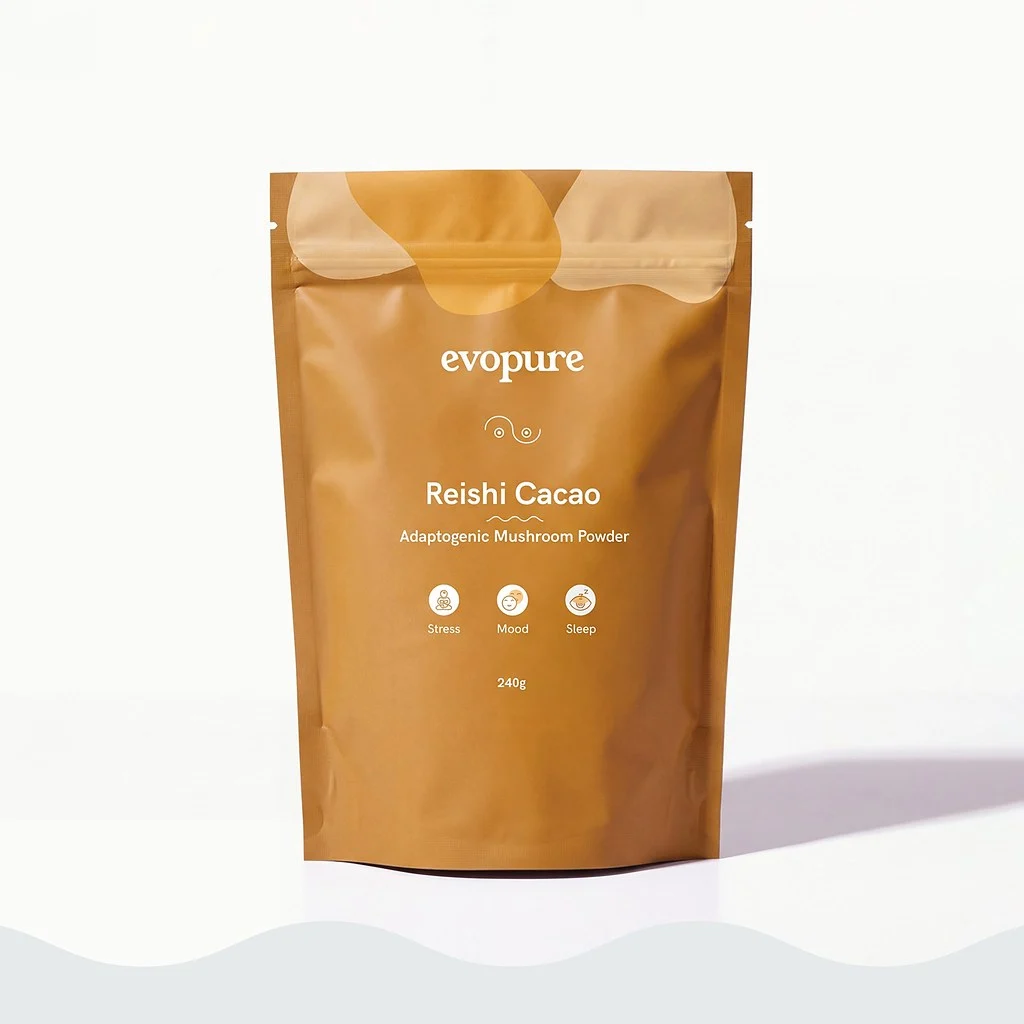
Our pick
Reishi Mushroom Adaptogenic Complex
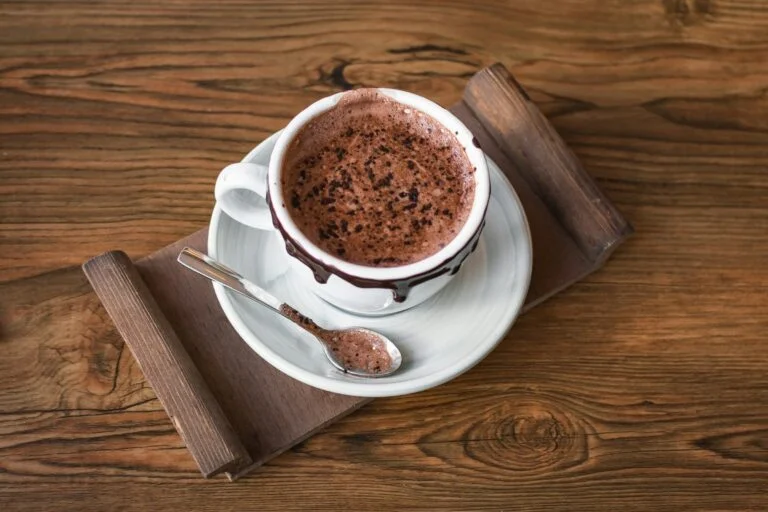
Reishi Cacao is a hot chocolate made with reishi mushroom, cacao and maca. It contains a little natural caffeine from the cacao, so it suits earlier in the evening.
Add Reishi Cacao to bag See ingredients and reviews
Vegan and made in the UK. Free UK delivery over £45, 14-day returns on unopened items.
Subscribe £22.49One-off £29.99
View productThe FSA’s 10mg a day figure for CBD is precautionary advice rather than a legal limit, set while longer-term safety research continues. At Evopure we think it is a very cautious figure, and many adults use more. If you go above it, increase slowly, and check with your GP or pharmacist first if you take any medication.
Which painkiller for a hangover?
The NHS doesn’t recommend a specific painkiller for hangovers, and each comes with a caution after heavy drinking:
| Painkiller | What the NHS says about alcohol | Worth knowing |
|---|---|---|
| Paracetamol | Fine with normal drinking, but check with a pharmacist or doctor before taking it if you binge drink or are dependent on alcohol | Don’t take more than the pack says, and don’t double up with cold and flu remedies that also contain paracetamol |
| Ibuprofen | Try to avoid drinking a lot of alcohol, as it can increase the risk of side effects | Can cause indigestion and stomach ache. Not suitable if you have or have had a stomach ulcer |
| Aspirin | Try to limit alcohol, as it can increase the risk of side effects | Can cause indigestion and stomach ache. Not suitable if you have or have had a stomach ulcer. Don’t take it with ibuprofen |
So after a heavy night, ask a pharmacist which painkiller suits you, especially if you take other medicines or have a liver, kidney or stomach condition. Follow the dose on the pack. Often water, food and rest are enough for a hangover headache. If headaches keep coming back the morning after, see our guides to waking up with a headache and a headache behind the eyes.
Best food and drink for a hangover
No food cures a hangover, and research on specific foods is thin. But something gentle is easier on your stomach than what most of us reach for: in a diary study of 605 young adults, people ate more chips and less fruit on worse hangover days.
| Food or drink | Why it’s a good choice | Watch out for |
|---|---|---|
| Water | Eases thirst and dry mouth | Sip little and often if you feel sick |
| Oral rehydration sachets or an isotonic drink | Replace fluid and salts, handy if you’ve been sick. See electrolytes | Sports drinks can be high in sugar |
| Toast, crackers, porridge | Bland carbohydrates that are easy on the stomach | Nothing, if you can face them |
| Eggs | Protein that keeps you full | A greasy fry-up can make nausea or acid reflux worse |
| Bananas | Easy to eat, with potassium | None |
| Clear soup or broth | Fluid, salt and something warm | Sip slowly if you feel sick |
| Ginger or peppermint tea | A gentle, warm drink when you feel queasy. See ginger for nausea | Sip slowly |
| Coffee or tea | Can perk you up if you’re used to it | Doesn’t sober you up; too much can upset your stomach |
| More alcohol (“hair of the dog”) | Nothing | Only delays the hangover |
For a sense of how much fluid you need on a normal day, and the signs you’re short of it, see how much water to drink a day.
Hangover myths
- “Hair of the dog”: more alcohol only delays the hangover.
- A big fry-up cures it: food helps if you can face it, but it won’t cancel out the alcohol.
- Coffee sobers you up: it may perk you up, but it doesn’t speed up how fast alcohol leaves your body, and too much can upset your stomach.
- Sweating it out: a hard workout can dehydrate you further.
- Clear drinks don’t give you a hangover: they do. In a US trial, people who drank bourbon reported worse hangovers than those who drank the same amount of vodka, but vodka still caused hangovers, and next-day performance was equally impaired after both. How much you drink matters far more than the colour.
How long does a hangover last?
Most hangovers clear within a day. In a survey of 578 Dutch students, the average hangover lasted about 18 hours after the last drink. A hangover starts when the alcohol in your blood approaches zero, so if you drank until the early hours, it may not really kick in until late morning or the afternoon.
The NHS says the average adult processes about one unit of alcohol an hour, though this varies. After a big night, alcohol can still be in your blood the next morning, so don’t drive until you’re sure you’re clear.
Why do I have a hangover for 2 days?
A hangover that seems to last two days usually has an ordinary explanation:
- You drank late, so it started later.
- You drank on several days in a row. In a study of young holidaymakers, hangovers got worse as the week of heavy drinking went on, and each drink had a bigger effect later in the week. A run of Christmas parties can do the same.
- You’re short of sleep. See why alcohol breaks up your sleep and how to recover from sleep deprivation.
- You’re run down or ill. Researchers note hangovers can follow less alcohol than usual when you’re unwell.
What about age? A Danish survey of 51,645 adults found severe hangovers after binge drinking were actually less common in older age groups, so how much you drink and how well you sleep are better places to look.
iIf you feel unwell for more than a day or two, or you get shakes, sweats or anxiety every time you stop drinking, it may not be a hangover. Read the two sections below, and speak to your GP if you’re unsure.
Hangover vs alcohol poisoning
A hangover is miserable but passes. Alcohol poisoning is an emergency: it happens when someone drinks faster than their body can process alcohol, usually after binge drinking.
| Hangover | Alcohol poisoning | |
|---|---|---|
| When | As alcohol leaves the body, usually the next morning | During or soon after heavy drinking, while drunk |
| Typical signs | Headache, thirst, tiredness, nausea, low mood | Confusion, slurred speech or being unable to speak, being unable to stand or walk, being sick, wetting or soiling themselves, pale or blue-tinged skin, slow or irregular breathing, a seizure, losing consciousness |
| Can they be woken and talk? | Yes | Sometimes not |
| What to do | Water, food, rest | Call 999 |
Call 999 if you think someone has alcohol poisoning, has had a seizure, has lost consciousness or has stopped breathing. On blue or brown skin, a blue tinge may be easier to see inside the lips, on the gums and under the fingernails. Don’t drive them to A&E yourself.
While you wait, the NHS advises:
- Stay with them, as they could choke on their own sick or stop breathing.
- Sit them up if they’re awake, or put them in the recovery position if they’ve passed out, and check they’re breathing properly.
- Give them water to sip only if they’re conscious, able to swallow and not being sick.
- Keep them warm with a coat or blanket.
And don’t: let them drink more alcohol, give them food (they could choke), give them coffee or caffeinated drinks, put them in a cold shower or bath, or try to make them sick.
Hangover vs alcohol withdrawal
If you drink heavily most days, morning symptoms can be alcohol withdrawal rather than a hangover. The NHS lists withdrawal symptoms as anxiety, difficulty sleeping, feeling and being sick, a racing heartbeat, sweating and shaking, and in severe cases confusion, seeing or hearing things that aren’t there, and seizures. They usually begin 6 to 12 hours after the last drink.
It’s more likely to be withdrawal if you regularly wake up anxious, shaky or sick, or find you need a drink in the morning.
If that sounds familiar, don’t stop suddenly on your own. The NHS warns it can be very dangerous to stop drinking suddenly if you’re dependent on alcohol. See your GP or a local alcohol service first. Call 999 or go to A&E for severe withdrawal symptoms such as shaking visibly, confusion, seeing things or a seizure.
If you’re worried about your own or someone else’s drinking, Drinkline is the free, confidential national alcohol helpline: call 0300 123 1110 (weekdays 9am to 8pm, weekends 11am to 4pm). Morning shakes have other causes too; our guide to shaky hands covers them.
Hangover supplements and “cures”: what the evidence says
Hangover kits, patches, pills and drinks are everywhere in the run-up to Christmas. The evidence behind them is weak:
- A 2005 BMJ systematic review of eight trials found no compelling evidence that any conventional or complementary remedy prevents or treats a hangover, and said moderation or not drinking is the most effective way to avoid one.
- A 2017 systematic review of six newer studies found a few products improved some symptoms, but none worked for all of them.
- The 2022 King’s College London review of 21 trials rated all the evidence as very low quality.
Nothing has been shown to reliably prevent or cure a hangover. Rehydration sachets are a reasonable way to replace fluid and salts if you’ve been sick, but they won’t stop a hangover.
That goes for our products too. Evopure doesn’t make a hangover cure, and we’d be wary of anyone who says they do. If you’re wondering about CBD and a night out, read CBD and alcohol first.
How to prevent a hangover: your Christmas party plan
The only reliable way to avoid a hangover is to drink less. The UK low-risk guideline is no more than 14 units a week on a regular basis, spread over 3 or more days, with several drink-free days each week. Drinking more than 8 units in a session for men, or more than 6 for women, counts as binge drinking.
Units add up quickly at a party. These figures are from the NHS:
| Drink | Units |
|---|---|
| Single small shot of spirits (25ml, 40%) | 1 |
| Standard glass of wine (175ml, 12%) | 2.1 |
| Large glass of wine (250ml, 12%) | 3 |
| Pint of higher-strength lager or cider (5.2%) | 3 |
| Bottle of wine (750ml, 13.5%) | 10 |
Three large glasses of wine at the office party is 9 units, over the binge-drinking threshold for both men and women. A simple plan for the night:
- Eat before you drink, and snack through the evening.
- Set a limit before you go, and tell a friend.
- Alternate every alcoholic drink with water or a soft drink.
- Drink slowly and skip rounds.
- Choose lower-strength drinks or alcohol-free options, and ask for small glasses of wine. See our alcohol-free nightcaps.
- Have a glass of water before bed.
- Plan the morning after: a lie-in and no early drive.
- Leave gaps between parties where you can.
If December is a busy month for you, our guide to Christmas stress has more on getting through it calmly. Thinking of cutting down for good? See damp drinking and Dry January.
Hangxiety and sleep
Feeling anxious or low the day after drinking is often called hangxiety, and alcohol breaks up sleep in the second half of the night. Our guide to hangxiety explains why and what to do. If the next day’s headache is more of a tight band, see tension headaches.
For the evening after, a warm, alcohol-free drink can be a nice ritual. Our Reishi Mushroom Adaptogenic Complex is a cosy reishi hot chocolate with cacao, maca and coconut milk. The cacao contains a little natural caffeine, so it isn’t caffeine-free. Our Magnesium Glycinate Sleep Complex is a berry bedtime drink. Magnesium contributes to electrolyte balance and to a reduction of tiredness and fatigue.
iOur products are for adults (18+) only. We don’t recommend our products during pregnancy or breastfeeding. If you take any medication, check with your GP or pharmacist first.
Sources 17
- NHS. Alcohol poisoning.
- NHS. Alcohol-use disorder.
- NHS. Alcohol support.
- NHS. The risks of drinking too much.
- NHS. Alcohol units.
- NHS. Paracetamol for adults, Ibuprofen for adults and Aspirin.
- Roberts E et al (2022). The efficacy and tolerability of pharmacologically active interventions for alcohol-induced hangover symptomatology: a systematic review of the evidence from randomised placebo-controlled trials. Addiction.
- Pittler MH, Verster JC, Ernst E (2005). Interventions for preventing or treating alcohol hangover: systematic review of randomised controlled trials. BMJ.
- Jayawardena R et al (2017). Interventions for treatment and/or prevention of alcohol hangover: systematic review. Human Psychopharmacology.
- Verster JC et al (2020). Updating the definition of the alcohol hangover. Journal of Clinical Medicine.
- Mackus M et al (2024). Alcohol hangover versus dehydration revisited: the effect of drinking water to prevent or alleviate the alcohol hangover. Alcohol.
- van Schrojenstein Lantman M et al (2017). Total sleep time, alcohol consumption, and the duration and severity of alcohol hangover. Nature and Science of Sleep.
- Devenney LE et al (2019). Sleep after heavy alcohol consumption and physical activity levels during alcohol hangover. Journal of Clinical Medicine.
- Hesse M, Tutenges S (2010). Predictors of hangover during a week of heavy drinking on holiday. Addiction.
- Tolstrup JS et al (2014). Does the severity of hangovers decline with age? Survey of the incidence of hangover in different age groups. Alcoholism: Clinical and Experimental Research.
- Rohsenow DJ et al (2010). Intoxication with bourbon versus vodka: effects on hangover, sleep, and next-day neurocognitive performance in young adults. Alcoholism: Clinical and Experimental Research.
- Morley KC et al (2022). Daily experiences of hangover severity and food consumption in young adults. British Journal of Health Psychology.
This guide is general information, not medical advice. Evopure makes the Reishi Mushroom Adaptogenic Complex and Magnesium Glycinate Sleep Complex.