
















Last updated: October 2026
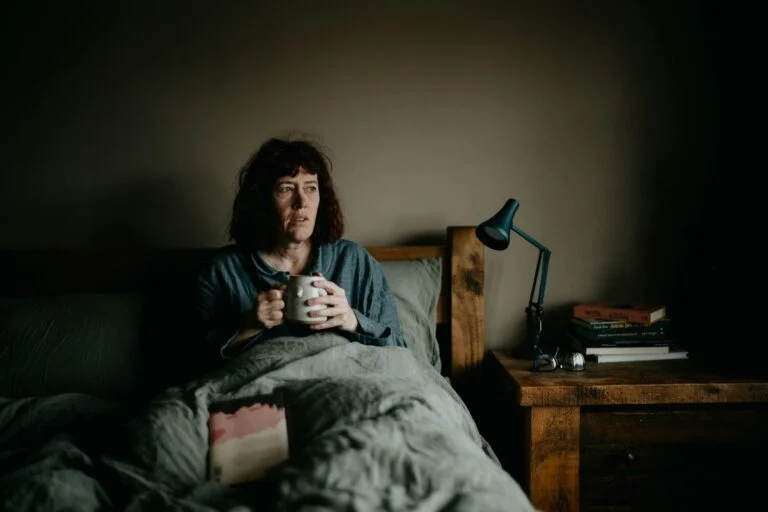
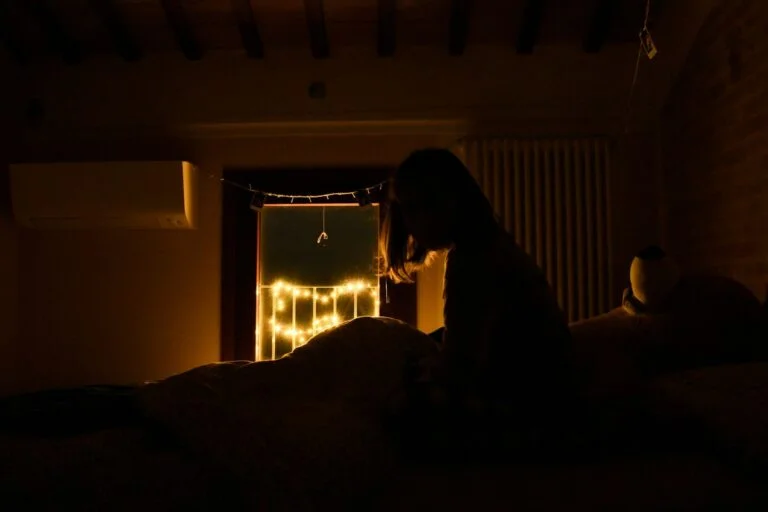
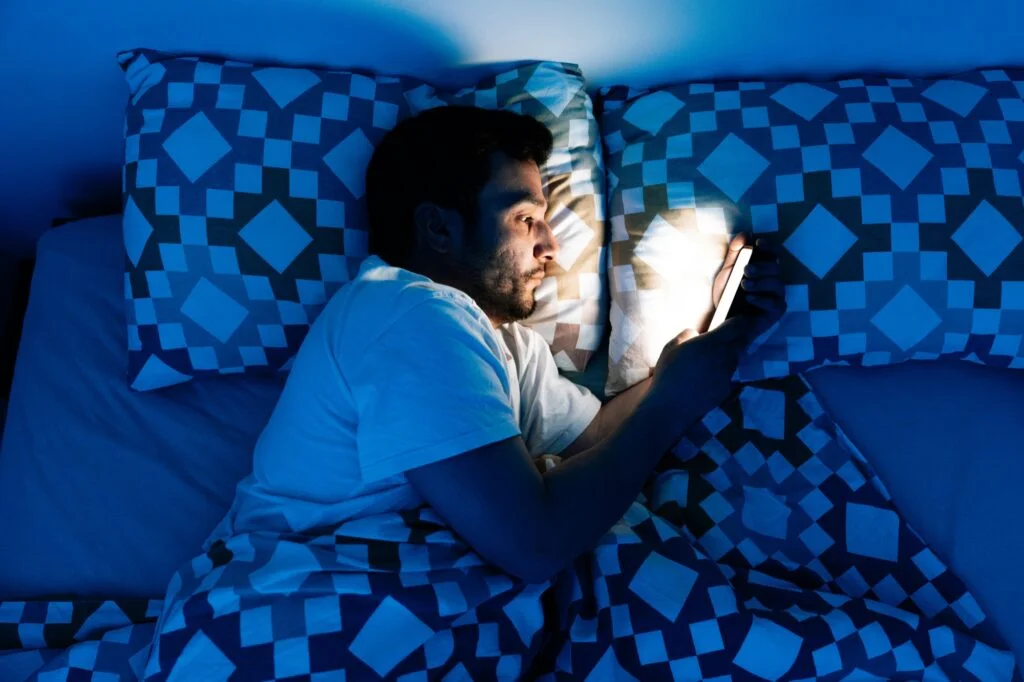
Revenge bedtime procrastination is staying up later than you meant to, usually scrolling or watching TV, to claw back “me time” after a busy day. It’s common when days are packed. To stop it, build free time into your evening, set a wind-down alarm, keep your phone out of the bedroom and protect a fixed wake time.
Below: what it is, why we do it, how it affects sleep and mood, a 7-step plan to stop, and when late nights point to something else.
What is revenge bedtime procrastination?
Researchers in the Netherlands first described “bedtime procrastination” in 2014 as failing to go to bed at the time you intended, even though nothing is stopping you. The “revenge” part came later, from social media: the idea that you’re taking back time the day stole from you.
It’s different from insomnia. With insomnia you go to bed and can’t sleep. With bedtime procrastination you could sleep, but you choose to stay up.
Why do we do it?
- No free time in the day. Long hours, commuting, childcare or caring leave the late evening as the only time that feels like yours.
- Tired self-control. The 2014 study found people with lower self-control were more likely to delay bedtime. After a long day, willpower is at its lowest.
- Endless content. Autoplay and infinite scroll are designed to keep you watching.
- Stress and avoidance. Going to bed means tomorrow comes sooner.
- Role overload. A 2026 study of military personnel found those with heavier workloads did more bedtime procrastination, and both were linked to worse day-to-day functioning.
Signs you’re doing it
- You regularly go to bed much later than you planned.
- You’re tired in the evening but don’t want the day to end.
- You lose an hour or more to your phone or TV after you meant to stop.
- You wake up groggy and promise yourself “not tonight”, then do it again.
What it does to your sleep and mood
In the 2014 study, people who procrastinated more at bedtime reported more insufficient sleep and more daytime tiredness. Over time, short sleep makes stress harder to handle, focus worse and cravings stronger, which can make the next evening feel even more like you “deserve” time back. It becomes a loop.
How to stop revenge bedtime procrastination
| Step | How |
|---|---|
| 1. Schedule “me time” earlier | Protect 30 to 60 minutes in the early evening for something you enjoy, so you don’t need to steal it at midnight |
| 2. Set a wind-down alarm | An alarm an hour before bed that means “screens down, start winding down” |
| 3. Charge your phone outside the bedroom | Use a cheap alarm clock instead |
| 4. Turn off autoplay | On streaming apps, and use app timers for social media. See dopamine detox |
| 5. Make winding down enjoyable | A book, a bath, a warm drink, music: a reward, not a chore |
| 6. Keep a fixed wake time | Even after a late night. It builds sleepiness for the next evening |
| 7. Fix the cause | If your days have no breathing space, that’s the real problem. See burnout symptoms |
Start small: go to bed 15 minutes earlier for a week, then another 15. See how to fall asleep fast.
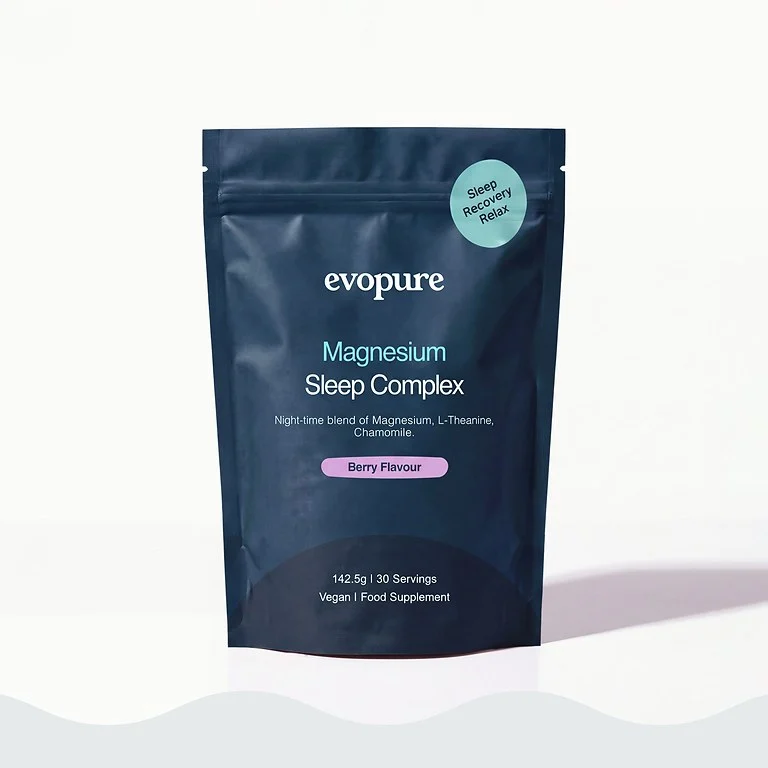
A warm drink can be a useful “the day is done” cue. Magnesium contributes to the reduction of tiredness and fatigue and to normal psychological function. See magnesium for sleep.
The FSA’s 10mg a day figure for CBD is precautionary advice rather than a legal limit, set while longer-term safety research continues. At Evopure we think it is a very cautious figure, and many adults use more. If you go above it, increase slowly, and check with your GP or pharmacist first if you take any medication.
Revenge bedtime procrastination and ADHD
Many people with ADHD describe this pattern, and sleep problems are common in ADHD. Difficulty switching between tasks, time blindness and a craving for stimulation can all make bedtime harder. External cues help most: alarms, a fixed routine, and screens out of reach. If you think you might have ADHD, or sleep problems are part of a wider pattern, talk to your GP.
When to get help
See your GP if you can’t sleep even when you go to bed on time, if you feel low or anxious most days, or if you’re exhausted despite enough time in bed. These can point to insomnia, depression or another sleep problem that needs a different approach. See also anxiety at night.
Related guides
- How to stop overthinking.
- Night owl? How to reset your body clock.
- Blue light and sleep.
- How to build healthy habits.
- See what regular late nights do in our guide to sleep deprivation.
- Doomscrolling.
- How to wake up early in the morning.
- How to build a bedtime routine for adults that you will actually stick to.
- ADHD and sleep: why it’s hard to switch off.
- Why you feel tired and wired at the same time.
- To see what time you really need to be in bed, use our bedtime calculator by wake-up time.
- If late nights have shifted your whole week, read how to fix your sleep schedule.
- If you are not sure what to aim for, here is the best time to go to bed and when most people in the UK actually do.
FAQs
What is revenge bedtime procrastination?
Staying up later than you intended, usually on your phone or watching TV, to claw back free time after a busy day.
Why do I stay up late when I’m tired?
Often because the late evening is the only time that feels like yours, and self-control is lowest at the end of a long day.
How do I stop revenge bedtime procrastination?
Schedule free time earlier, set a wind-down alarm, keep your phone out of the bedroom and keep a fixed wake time.
Is revenge bedtime procrastination linked to ADHD?
Many people with ADHD describe it, and sleep problems are common in ADHD. External cues like alarms and routines help most.
Is revenge bedtime procrastination the same as insomnia?
No. With insomnia you can’t sleep when you go to bed. With bedtime procrastination you delay going to bed.
Sources
- Kroese FM et al (2014). Bedtime procrastination: introducing a new area of procrastination. Frontiers in Psychology.
- Barrow et al (2026). The characterization of revenge bedtime procrastination in military servicemembers. Military Medicine.
- NHS. Sleep and tiredness.
- NHS. Insomnia.
This guide is general information, not medical advice. Evopure makes the Magnesium Glycinate Sleep Complex and Reishi Mushroom Adaptogenic Complex.