











Last updated: October 2026
Loneliness is the painful feeling that you lack the connection you need, whether you live alone or not. In England, about 7% of adults feel lonely often or always. Small steps help most: reaching out to one person, joining a regular group or class, volunteering, and talking about how you feel. It’s common, and it can change.
Below: signs of loneliness, why it matters for health, 12 ways to feel more connected, loneliness at Christmas, helping someone who’s lonely, and where to get support.
What is loneliness?
Loneliness is about how connected you feel, not how many people are around you. You can feel lonely in a busy office or a full house, and content living alone. It often comes with life changes: moving, a breakup, bereavement, becoming a parent, retiring, working from home, or health problems. Government figures for 2024 to 2025 found about 7% of adults in England felt lonely often or always.
Signs of loneliness
- Feeling left out, unseen or misunderstood
- Having no one to call when something good or bad happens
- Spending more time scrolling and less with people
- Low mood or anxiety. See anxiety symptoms
- Poor sleep. See how to sleep better
- Feeling tired and flat. See why am I always tired?
Why loneliness matters for your health
Feeling connected is good for both mind and body. A large review of studies following people over many years found that loneliness and social isolation were linked to a higher risk of dying early, on a par with other well-known lifestyle risks. Loneliness is also linked to low mood, anxiety and poor sleep. Connecting with others is one of the NHS’s 5 steps to mental wellbeing.
12 ways to feel less lonely
| Idea | How |
|---|---|
| 1. Reach out to one person | A message to an old friend: “Thought of you today” |
| 2. Make it regular | A weekly call or walk is easier than one-off plans |
| 3. Join a group | A class, club, choir, parkrun or walking group |
| 4. Volunteer | Helping others builds connection and purpose |
| 5. Say yes more | Accept invitations, even small ones |
| 6. Talk to people in passing | A neighbour, a barista, someone at the gym |
| 7. Spend less time scrolling | Social media can make you feel more left out. See dopamine detox |
| 8. Get outside | Daylight and nature help mood. See how to boost serotonin |
| 9. Move your body | Group exercise combines movement and company |
| 10. Be kind to yourself | Loneliness isn’t a personal failing. See self-care ideas |
| 11. Write it down | See journal prompts |
| 12. Talk about it | With someone you trust, your GP or a helpline |
Loneliness at Christmas
Christmas can make loneliness feel sharper, with everyone else seemingly surrounded by people. A few things help:
- Plan your days in advance so there’s something to look forward to.
- Volunteer on Christmas Day; many charities welcome helpers.
- Arrange calls or video chats with friends or family.
- Look for community events such as Christmas lunches or open church services.
- Limit social media, which can be full of picture-perfect moments.
- Keep a routine with walks, meals and decent sleep. See sleeping well at Christmas.
See also Christmas stress, the winter blues and seasonal affective disorder.
How to help someone who’s lonely
- Get in touch regularly, not just once.
- Invite them to something specific: “Fancy a walk on Saturday?”
- Listen more than you advise.
- Check in on older neighbours and relatives, especially in winter.
A thoughtful gift and a visit can mean a lot. See calming gift ideas.
Where to get support
If loneliness is affecting your mood, sleep or daily life, speak to your GP. Adults in England can refer themselves to NHS Talking Therapies. Samaritans are there day and night on 116 123. If you’re having thoughts of harming yourself, call NHS 111 and choose the mental health option, or 999 in an emergency.
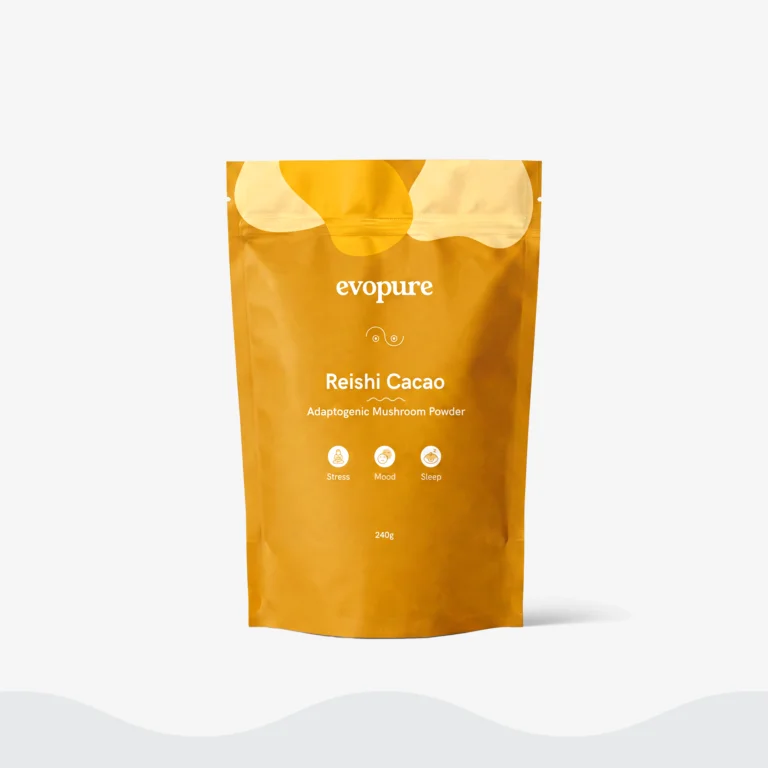
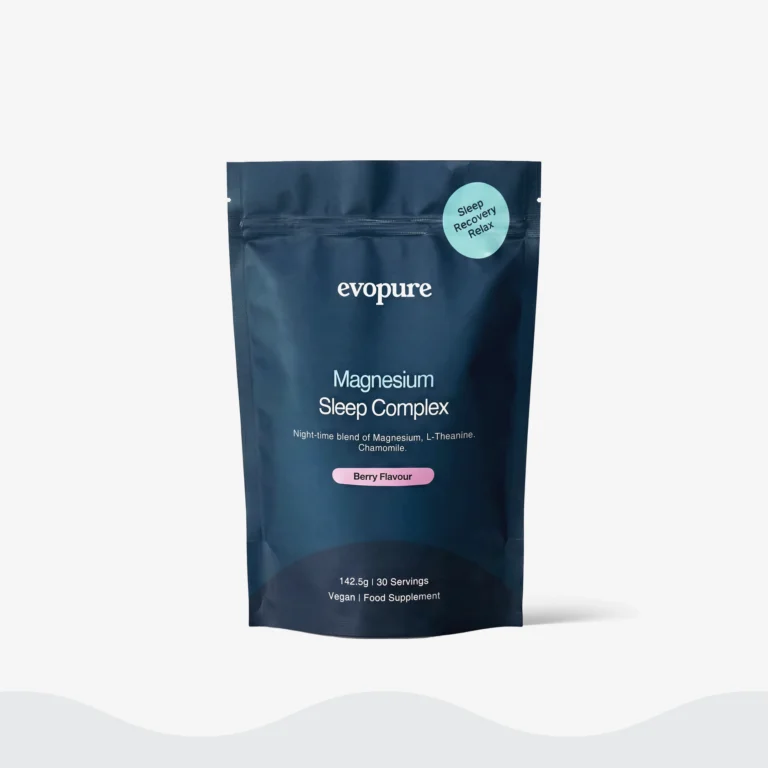
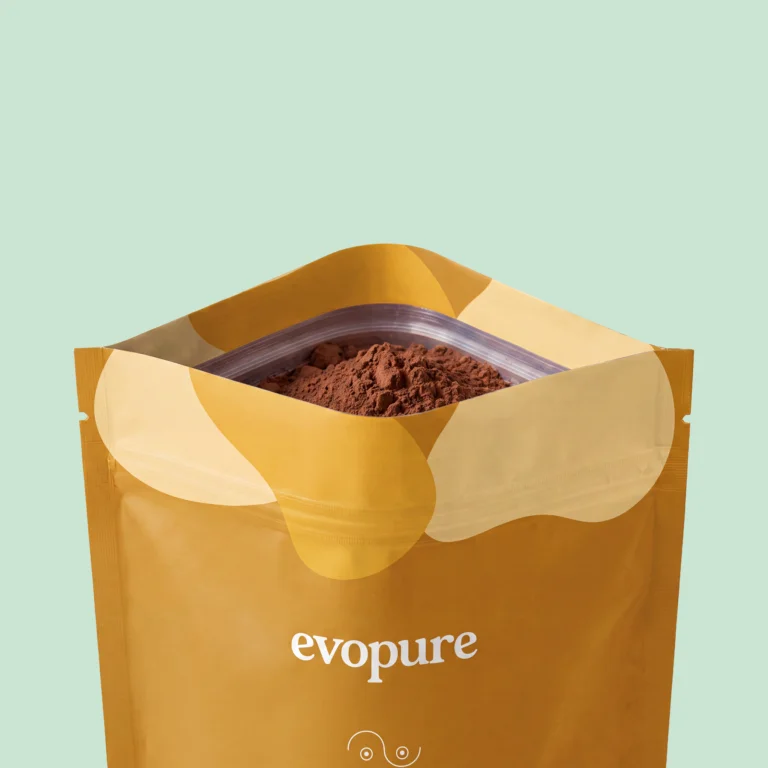
Looking after yourself matters too. A warm drink, a book and an early night make a simple evening ritual. Our Reishi Mushroom Adaptogenic Complex is a cosy hot chocolate, and our Magnesium Glycinate Sleep Complex is a bedtime drink. Magnesium contributes to normal psychological function.
FAQs
How do I stop feeling lonely?
Start small: message one person, make plans regular, join a group or class, volunteer, and spend less time scrolling.
Is loneliness bad for your health?
It can be. Long-term loneliness is linked to poorer mental and physical health, including a higher risk of early death.
How common is loneliness in the UK?
About 7% of adults in England say they feel lonely often or always, and many more feel lonely some of the time.
How can I cope with loneliness at Christmas?
Plan your days, volunteer, arrange calls, look for community events, limit social media and keep a routine.
Who can I talk to if I feel lonely?
Someone you trust, your GP, NHS Talking Therapies, or Samaritans on 116 123, day or night.
Sources
- GOV.UK. Community Life Survey 2024/25: loneliness and support networks.
- Holt-Lunstad J et al (2015). Loneliness and social isolation as risk factors for mortality: a meta-analytic review. Perspectives on Psychological Science.
- NHS Every Mind Matters. Loneliness.
- NHS. 5 steps to mental wellbeing.
This guide is general information, not medical advice. Evopure makes the Reishi Mushroom Adaptogenic Complex and Magnesium Glycinate Sleep Complex.