

Last updated: October 2026
The most common causes of joint pain are sprains and strains, osteoarthritis, and the drop in oestrogen during perimenopause and menopause, which the NHS says can cause aching joints. Staying active, strengthening exercise, a healthy weight and heat or cold help most. See a GP if pain lasts more than 2 weeks or a joint is hot and swollen.
Below: common causes and how to tell them apart, menopause joint pain, what helps, supplements with evidence, and when to get help.
What causes joint pain?
The NHS lists these possible causes and clues. Don’t self-diagnose; see a GP if you’re worried.
| Symptoms | Possible cause |
|---|---|
| Pain, swelling or bruising after intense or repetitive exercise | Sprain or strain |
| Pain that’s worse when walking and stiffness after activity, usually over 45 | Osteoarthritis |
| Warm, swollen joint that’s more painful when moved or pressed | Bursitis |
| Pain and stiffness on both sides of the body, worse after not moving | Rheumatoid arthritis |
| Hot, swollen big toe with sudden, very bad pain, often overnight | Gout. See gout |
| Hot, swollen joint that’s hard to move, with a high temperature | Joint infection: get urgent help |
Joint pain and menopause
The NHS notes that perimenopause and menopause can cause aching and painful joints because of lower oestrogen levels. Many women notice stiffness in the hands, knees, hips and shoulders, often worse in the morning, and broken sleep can make pain feel worse. HRT can help some women. Staying active and building muscle strength also matters more after menopause. See best supplements for menopause, creatine for women and perimenopause and sleep.
What helps joint pain
| Approach | Why |
|---|---|
| Strengthening and regular exercise | NICE recommends therapeutic exercise as a core treatment for osteoarthritis |
| Low-impact activity | Swimming, cycling and walking keep joints moving |
| A healthy weight | Less load on knees and hips |
| Heat or cold | Heat for stiffness, a cold pack for a new injury or swelling |
| Rest after a sprain | Then gradually return to activity |
| Sleep | Poor sleep makes pain feel worse. See insomnia |
| Physiotherapy | In many areas you can refer yourself to NHS musculoskeletal (MSK) services |
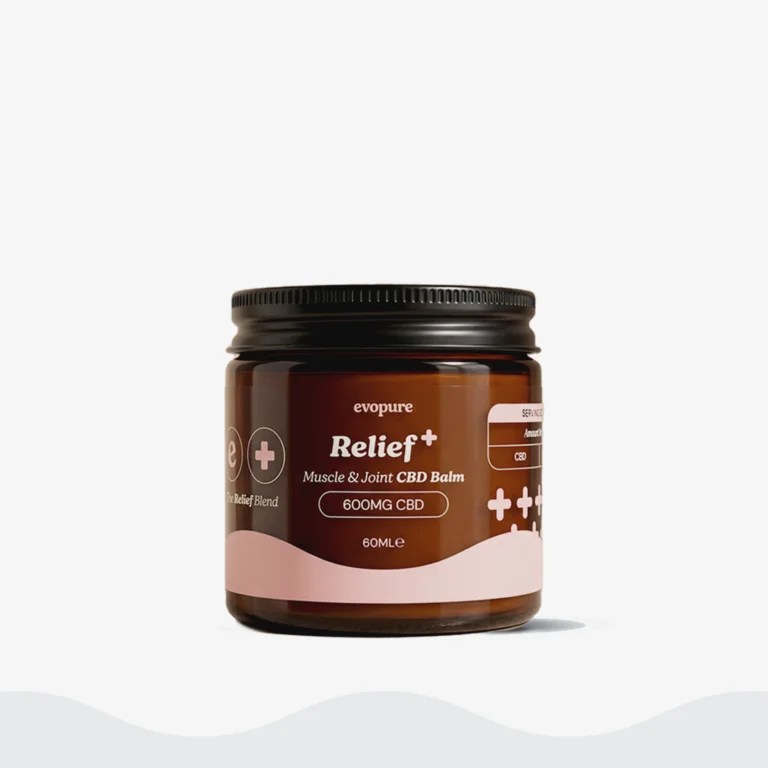
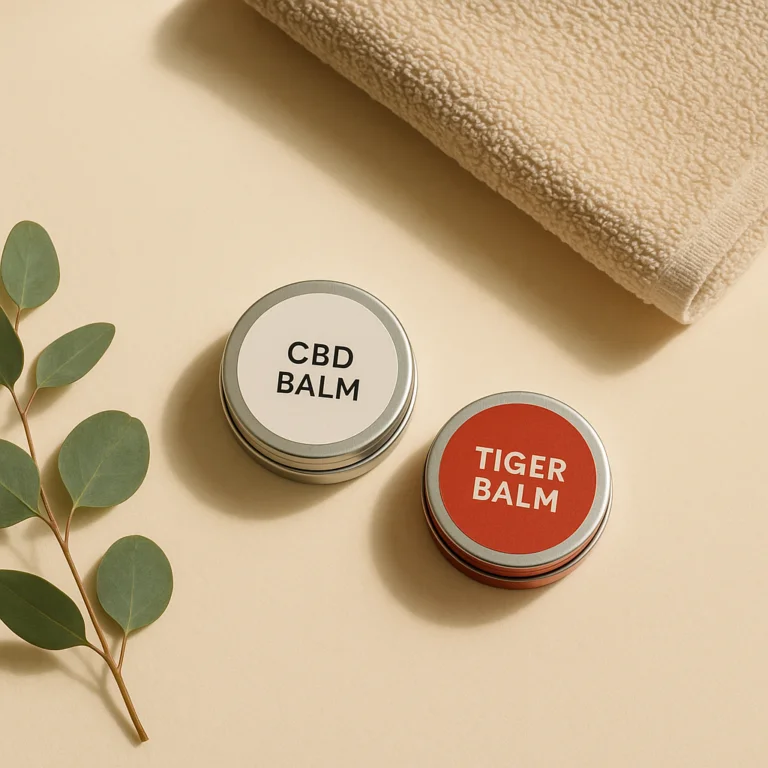
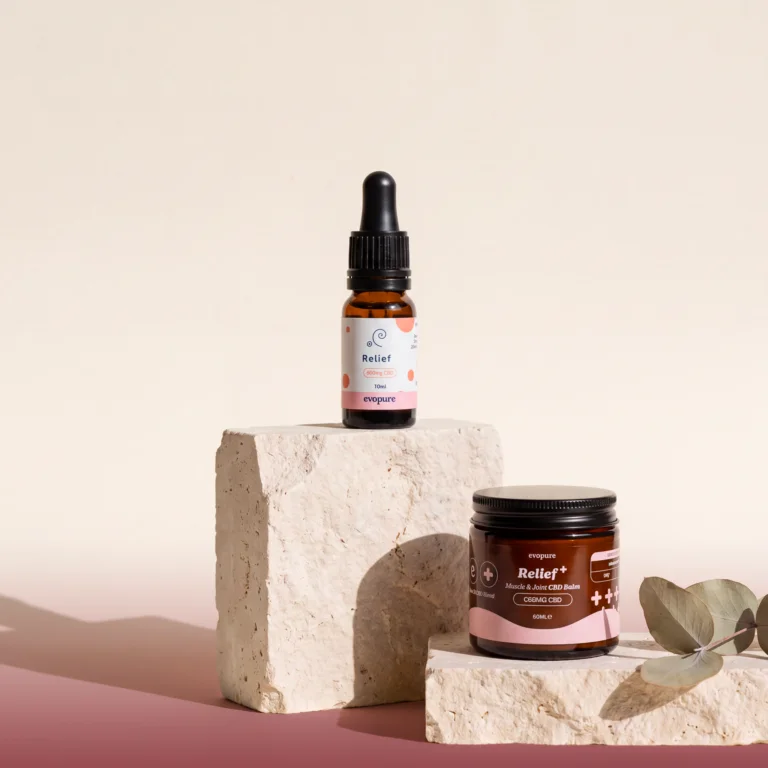
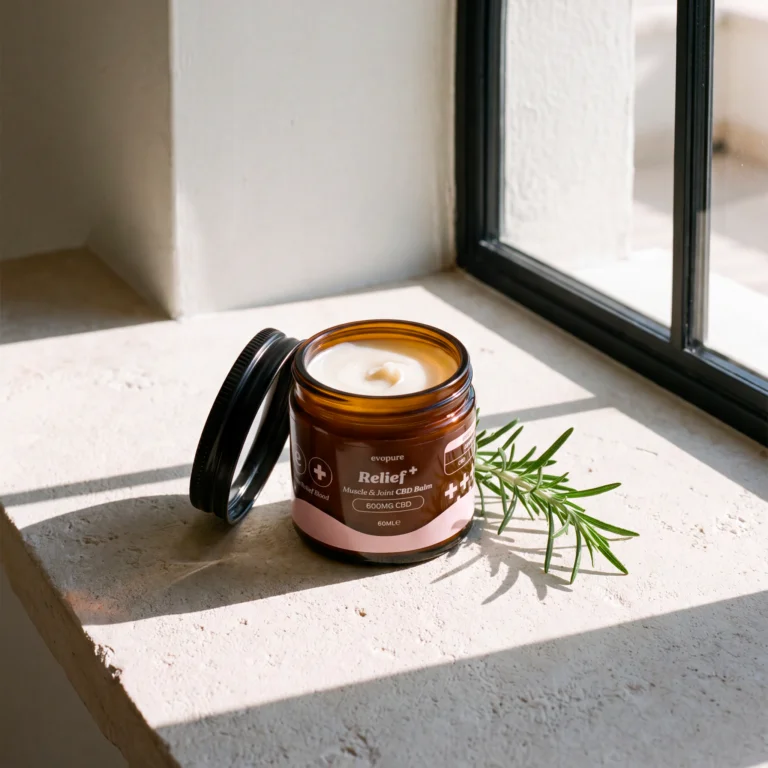
Many people also like a massage balm as part of their routine. Our CBD Balm, Muscle and Joint Support is made for massaging into knees, hands, shoulders and back. See CBD balm: how to use it.
Supplements for joint pain: the evidence
| Supplement | Evidence |
|---|---|
| Curcumin (from turmeric) | A 2022 meta-analysis of 12 trials in knee osteoarthritis found less pain and better function than placebo, but no better than standard treatments |
| Ginger | Small studies found less pain |
| Vitamin D | Helped pain and function in the same meta-analysis; worth taking in winter anyway |
| Omega-3 | No change in osteoarthritis symptoms |
| Glucosamine | NICE says there’s no strong evidence of benefit and advises against offering it for osteoarthritis |
| CBD | Limited human evidence. See CBD for arthritis |
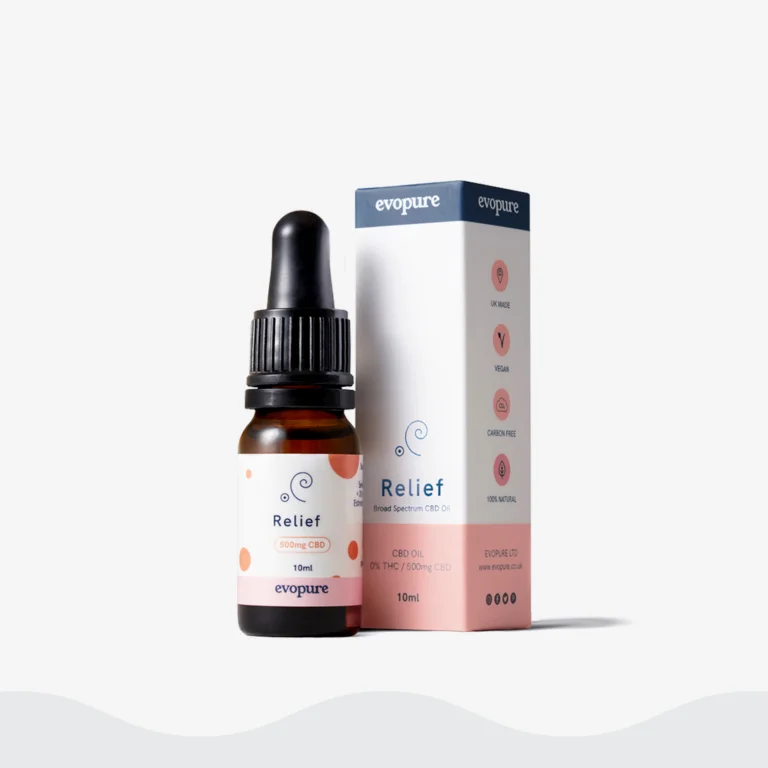
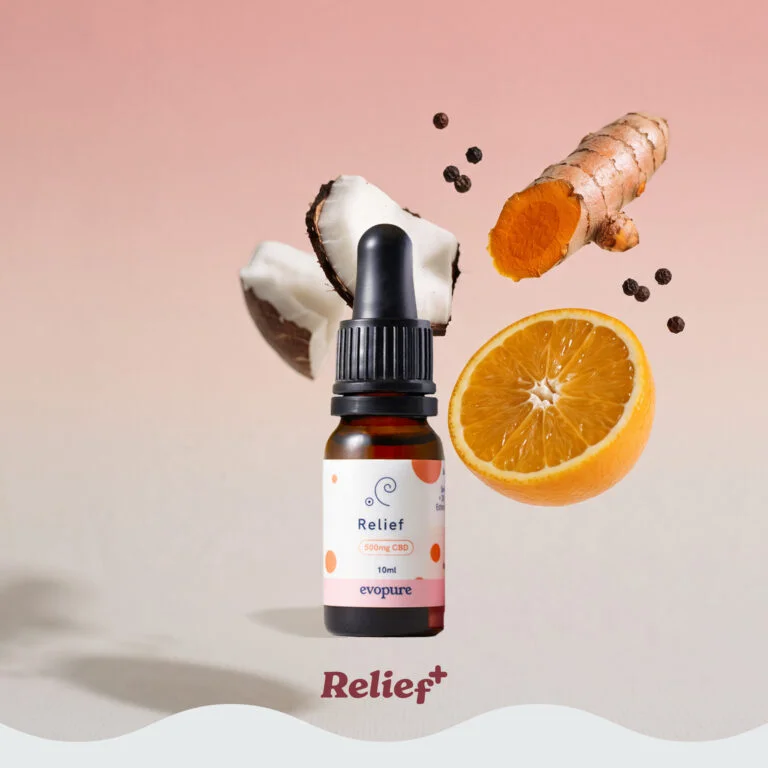
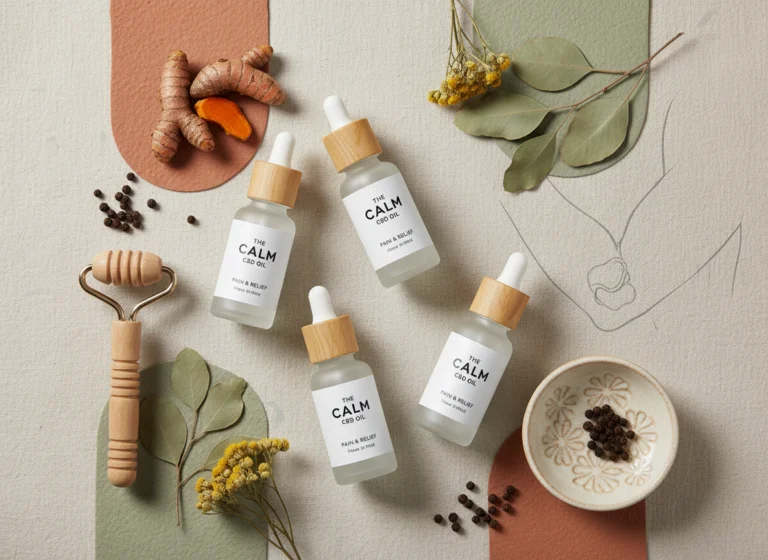
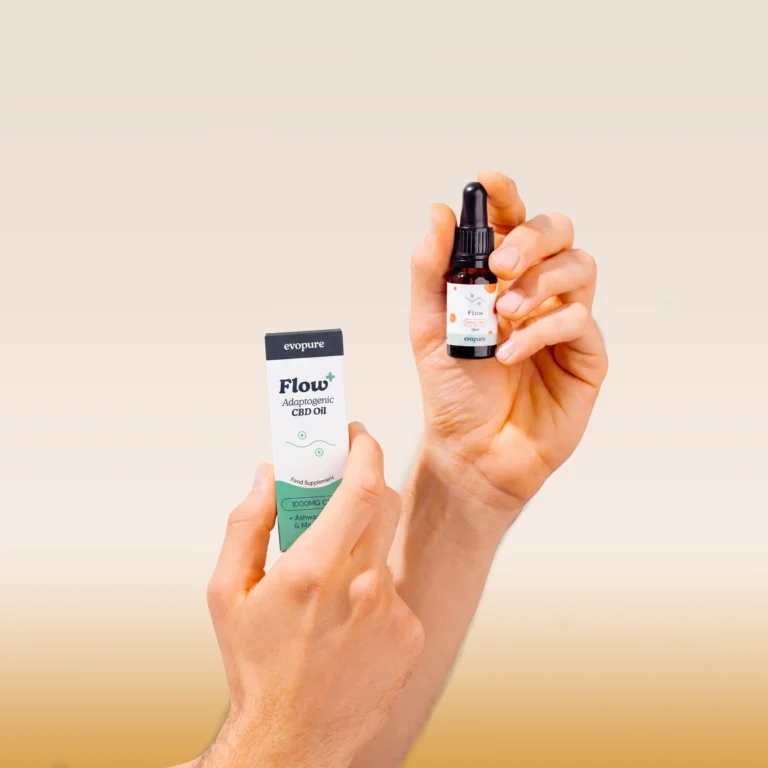
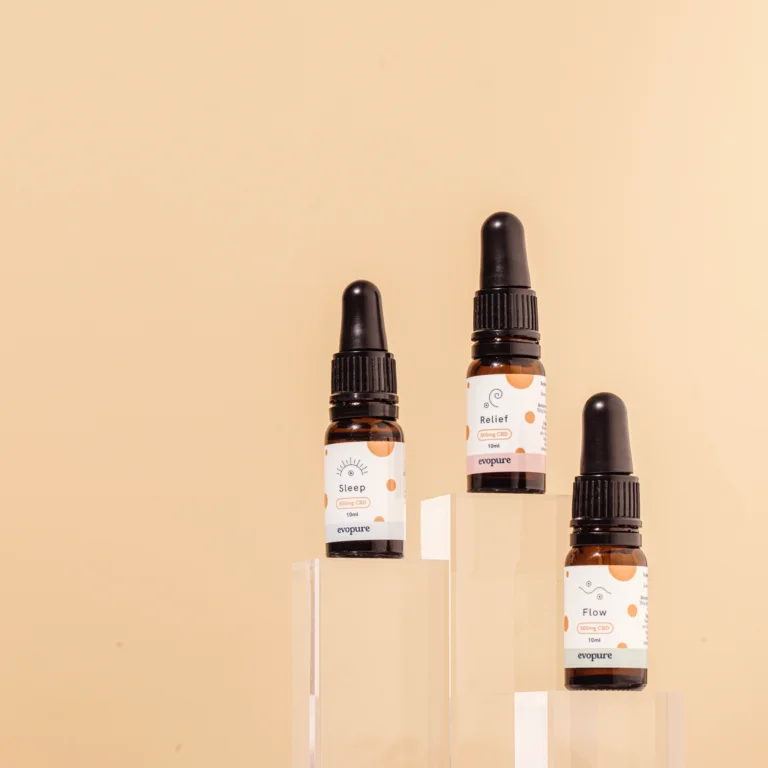
Our Relief CBD Oil blends broad spectrum CBD with turmeric and black pepper. The curcumin trials used concentrated extracts at much higher doses than you’d get in a blended oil, so we don’t claim it treats joint pain. See CBD and turmeric. The FSA’s 10mg a day figure for CBD is precautionary advice rather than a legal limit, set while longer-term safety research continues. At Evopure we think it is a very cautious figure, and many adults use more. If you go above it, increase slowly, and check with your GP or pharmacist first if you take any medication.
Joint pain or muscle pain?
| Joint pain | Muscle pain |
|---|---|
| Felt in or around the joint | Felt in the fleshy part of a muscle |
| Stiffness, swelling, clicking or reduced movement | Aching or tightness, often after exercise |
| Often worse after rest or first thing | Usually eases within a few days. See muscle recovery |
When to see a GP
The NHS advises seeing a GP if joint pain stops you doing normal activities or affects your sleep, is getting worse or keeps coming back, hasn’t improved after 2 weeks of home treatment, or your joints are stiff for more than 30 minutes after waking. Get urgent help if a joint is hot, swollen and hard to move with a high temperature, or after a bad injury.
Comparing CBD oils? See how to choose a CBD oil for pain in the UK.
FAQs
What causes joint pain?
Common causes include sprains, osteoarthritis, bursitis, rheumatoid arthritis, gout and the lower oestrogen levels of perimenopause and menopause.
Can menopause cause joint pain?
Yes. The NHS says perimenopause and menopause can cause aching and painful joints because of lower oestrogen.
What is the best thing for joint pain?
Regular exercise, especially strengthening, plus a healthy weight and heat or cold. See a GP or physio if it persists.
Does turmeric help joint pain?
Curcumin extracts reduced knee osteoarthritis pain compared with placebo in trials, but weren’t better than standard treatments.
When should I worry about joint pain?
If it lasts more than 2 weeks, stops normal activities, causes long morning stiffness, or the joint is hot and swollen with a fever.
Sources
- NHS. Joint pain.
- NICE. Osteoarthritis in over 16s: diagnosis and management (NG226).
- Mathieu S et al (2022). A meta-analysis of the impact of nutritional supplementation on osteoarthritis symptoms. Nutrients.
- NHS. Osteoarthritis.
This guide is general information, not medical advice. Evopure makes the CBD Balm and Relief CBD Oil. We don’t recommend our products during pregnancy or breastfeeding.