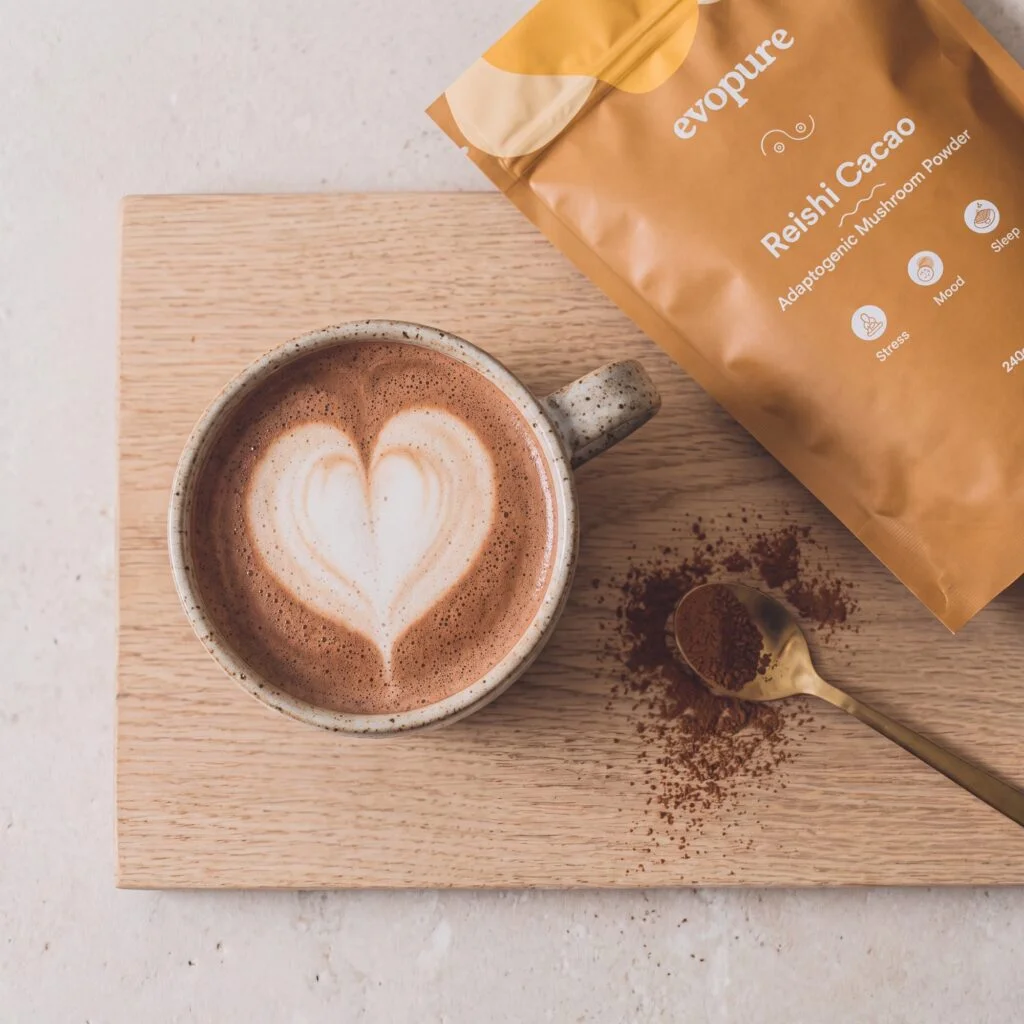
Last updated: 18 November 2026
Hot chocolate can be a good drink before bed. A mug made from a mix has about 5mg of caffeine and one made with cocoa powder about 23mg, far less than tea or coffee, and a warm drink is a useful wind-down cue. The catch is sugar: many café versions use up most of the NHS’s 30g daily limit.
Below: is hot chocolate good before bed, how much caffeine is in hot chocolate compared with tea and coffee, whether it helps a sore throat, what makes a hot chocolate healthy and low calorie, an easy recipe, a healthy mint hot chocolate, and reishi hot chocolate.
Is hot chocolate good before bed?
For most people, yes, if it’s not loaded with sugar. Here’s what works for and against it:
| Helps | Doesn’t help |
|---|---|
| A warm, comforting ritual that tells your brain the day is over | Large amounts of sugar, especially in café drinks with syrups and cream |
| Much less caffeine than tea or coffee | A big drink right before lights out can mean a trip to the loo at night |
| Milk adds protein and calcium | Very dark, strong cocoa contains more caffeine and theobromine, a related stimulant |
Have it 30 to 60 minutes before bed as part of a wind-down routine. See sleep hygiene and how to fall asleep fast.
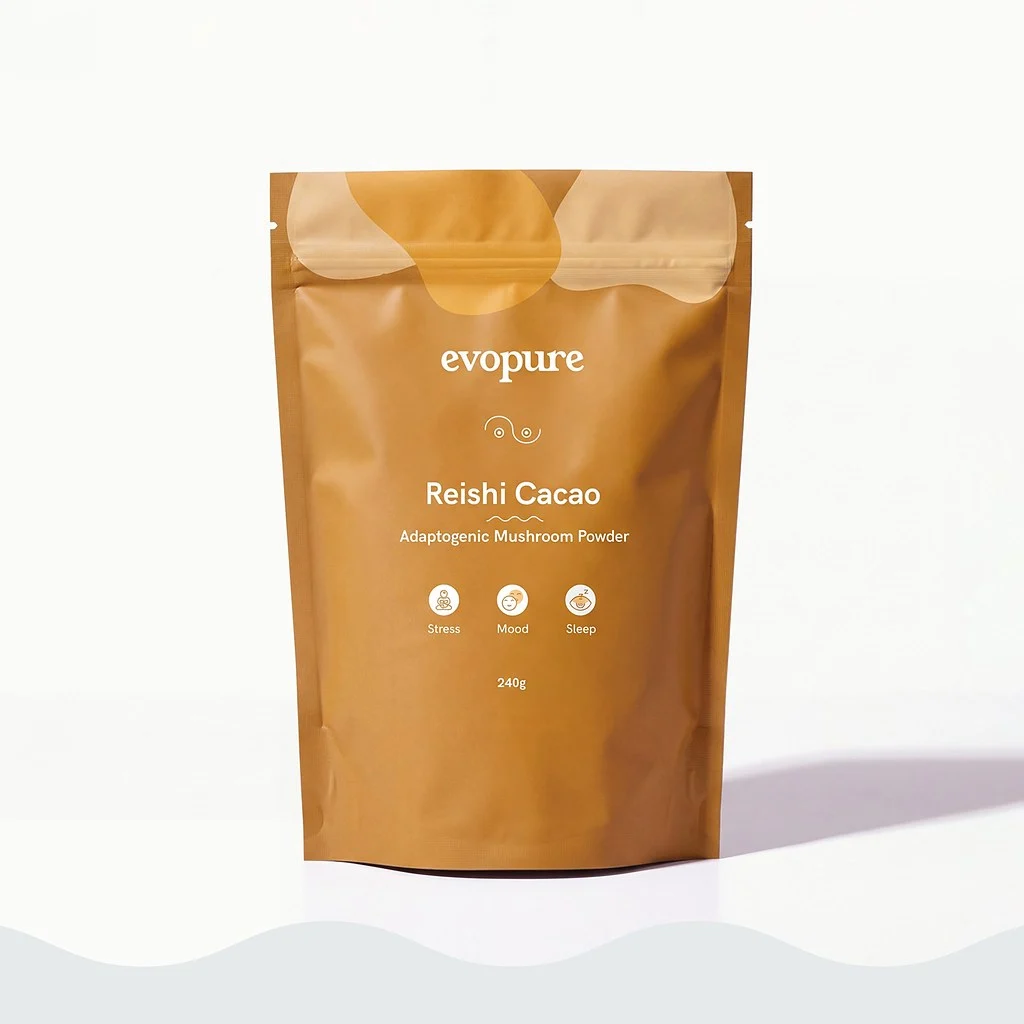
Our pick
Reishi Mushroom Adaptogenic Complex
Reishi Cacao is a hot chocolate made with cocoa, reishi mushroom and maca. It contains a little natural caffeine from the cocoa, so it suits earlier in the evening.
Add Reishi Cacao to bag See ingredients and reviews
Vegan and made in the UK. Subscribe and save 25% on your first order, then 20%. New to Evopure? Join our emails for 20% off a one-off first order. Free UK delivery over £40, 14-day returns on unopened items.
Subscribe £22.49One-off £29.99
View productHot chocolate vs tea and coffee in the evening
Cocoa naturally contains a little caffeine: about 5mg in a mug from a sweetened mix and about 23mg with 10g of cocoa powder, compared with about 75mg in a cup of tea and about 100mg in instant coffee, while white hot chocolate has none. That’s little enough for most people to enjoy a mug in the evening, but if you’re sensitive, have it earlier rather than in bed; our Reishi Cacao is made with cacao, so it contains a little natural caffeine too. For figures by brand, for children and in pregnancy, see our guide to how much caffeine is in hot chocolate.
Cacao before bed: caffeine and theobromine
Many people are fine with a small cup of cacao in the evening, but it isn’t caffeine-free. Plain cacao or cocoa powder has about 2.3mg of caffeine and about 21mg of theobromine per gram, so a 10g mug has roughly 23mg of caffeine. If caffeine affects you, have it earlier in the evening rather than in bed.
- Theobromine is the bigger part, at roughly 200mg in a 10g mug. In a small 2011 study, 700mg of theobromine didn’t raise alertness the way 120mg of caffeine did, but people vary.
- Portion matters. More powder means more caffeine. Ceremonial cacao servings are much bigger than a hot chocolate spoonful; see ceremonial cacao.
Is there a caffeine-free cacao drink with reishi and magnesium?
Not truthfully. Caffeine and theobromine occur naturally in cacao beans, so any drink made with cacao or cocoa can be low in caffeine but not caffeine-free. Our Reishi Cacao contains a little natural caffeine from the cocoa. The pack says it is not for people who are pregnant, breastfeeding or taking medication, and it’s for adults only.
For a caffeine-free evening drink with magnesium, choose one without cacao. Our Magnesium Glycinate Sleep Complex is a berry drink powder with 290mg of magnesium (77% NRV) per 4.75g serving and no cacao. Magnesium contributes to a reduction of tiredness and fatigue. If you take regular medicines or have kidney problems, check with your GP or pharmacist first.
Is hot chocolate good for a sore throat?
A warm mug can feel soothing, but hot chocolate won’t treat a sore throat or make it clear faster. There’s no evidence that chocolate or cocoa itself helps. If a hot chocolate is what you fancy, it’s fine to have one: keep it warm rather than very hot, go easy on the sugar, and keep drinking plenty of water too.
Why warm drinks feel good
Warm drinks are a traditional comfort when you’re under the weather. The NHS suggests a hot lemon and honey drink to soothe a sore throat with a cold, though it says the evidence for hot lemon and honey is limited. In a small study at Cardiff University’s Common Cold Centre, 30 people with a cold or flu reported quicker relief from symptoms including a sore throat after a hot fruit drink than after the same drink at room temperature. The researchers said part of the effect may be placebo, and the drink in the study wasn’t hot chocolate.
Does milk make mucus worse?
Probably not. It’s a common belief, but in a study of 60 adults given a cold virus, the amount of milk they drank wasn’t linked to more congestion or more mucus. Some people do notice a coating feeling in the mouth and throat after milk, but in a blinded trial a similar soya drink caused the same feeling, so it isn’t specific to dairy. Use whichever milk you like, unless you have a milk allergy or intolerance.
Making a throat-friendly mug
- Let it cool until it’s comfortably warm. A scalding drink won’t feel good on a sore throat.
- Keep the sugar down: use unsweetened cocoa and a teaspoon of honey if you like. Never give honey to babies under 12 months.
- Keep drinking water as well. The NHS self-care list for a sore throat includes plenty of water, cool or soft foods, rest and, for adults, gargling with warm salty water.
- For children: the NHS says not to give hot drinks to small children, so serve theirs just warm.
The NHS says a sore throat normally gets better by itself within a week. A pharmacist can help with pain relief. See a GP if it doesn’t improve after a week or you get sore throats often. Get urgent advice from a GP or NHS 111 if you have a very high temperature or signs of dehydration, and call 999 if you have difficulty breathing or can’t swallow.
For what actually helps, see our guide to sore throat remedies. You might also find how to sleep with a cold, cold or flu? and manuka honey useful.
What makes a hot chocolate healthy?
| Look for | Avoid |
|---|---|
| Cocoa or cacao as the first ingredient | Sugar as the first ingredient |
| Little added sugar, or sweeten it yourself | Syrups, whipped cream and marshmallows every night |
| Short ingredients list | Long lists of thickeners and flavourings |
| Your choice of milk: semi-skimmed, oat or soya | Large café sizes |
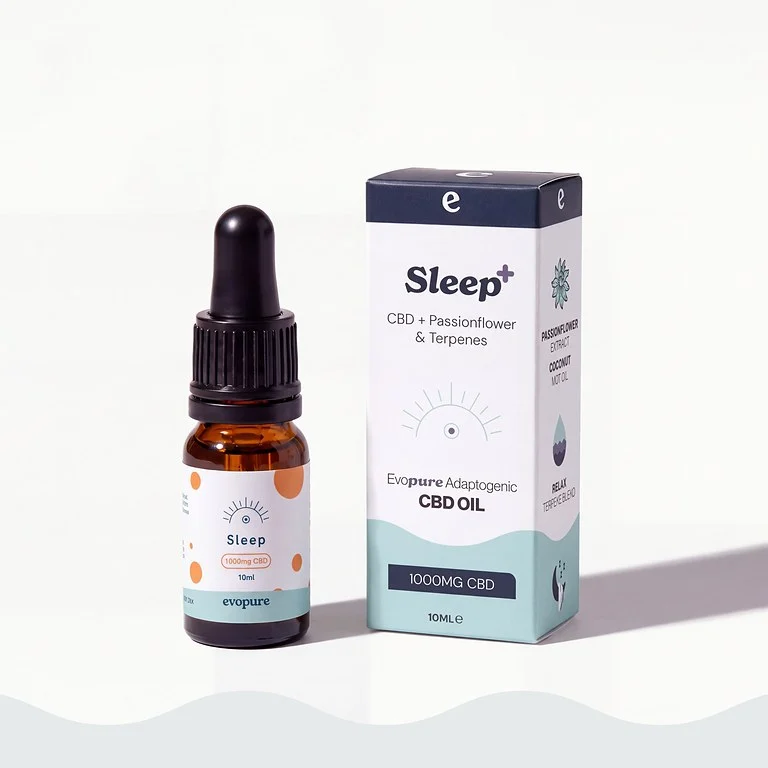
The NHS says adults should have no more than 30g of free sugars a day, about 7 sugar cubes. Some festive café hot chocolates contain more than that in one cup. The natural sugar in plain milk doesn’t count towards the 30g, but sugar in the powder or syrup does. Curious about CBD for your bedtime routine? Our guide to the best CBD oil for sleep UK compares oils and capsules side by side.
Cacao vs cocoa: cacao is usually less processed. Both come from the same bean, and both work in a healthy hot chocolate. Pick unsweetened.
Low calorie hot chocolate: how many calories?
Most of the calories in a homemade hot chocolate come from the milk and sugar, not the cocoa. Two heaped teaspoons (about 10g) of unsweetened cocoa add roughly 25 to 40 kcal, depending on the brand. These are our rough sums from typical UK labels for a 250ml mug with no sugar:
| Made with 250ml of | The milk alone | Mug with 10g cocoa |
|---|---|---|
| Whole milk | About 160 kcal | About 185 to 200 kcal |
| Semi-skimmed milk | About 115 to 125 kcal | About 140 to 165 kcal |
| Skimmed milk | About 85 kcal | About 110 to 125 kcal |
| Unsweetened soya drink | About 85 kcal | About 110 to 125 kcal |
| Unsweetened almond drink | About 35 kcal | About 60 to 75 kcal |
Each teaspoon of sugar adds about 16 kcal, and a teaspoon of honey about 20. “Light” instant sachets made with water are often around 40 kcal a mug, usually because they use sweeteners. A large café hot chocolate with cream and syrup can run to several hundred, so check the chain’s nutrition information. We haven’t given a figure for our Reishi Cacao because its product page doesn’t list calories; most of your mug’s calories will come from the milk you choose.
Protein and collagen hot chocolate
Protein hot chocolates add whey, milk or plant protein to the powder, and collagen versions add collagen peptides, usually from cows (bovine) or fish (marine). Either way, it’s hot chocolate with extra protein stirred in.
Before you buy, check the grams of protein per serving as made, the sugar and any sweetener, and where the collagen comes from: it’s made from animals, so it isn’t vegan or vegetarian. Collagen is digested into amino acids like any other protein. A 2025 review of 23 trials found its skin results mainly in industry-funded or lower-quality studies, and no collagen health claim is authorised in the UK. Our collagen supplements guide has the detail, and for a lower-sugar mug see our sugar-free hot chocolate guide.
Healthy hot chocolate recipe
Makes 1 mug. 5 minutes.
- Warm 250ml milk of your choice in a pan until steaming. Don’t boil it.
- In your mug, mix 2 heaped teaspoons of unsweetened cocoa or cacao powder with a splash of the warm milk to make a smooth paste.
- Add a teaspoon of honey or maple syrup, or a few drops of vanilla, to taste.
- Pour in the rest of the milk and whisk.
- Optional: a pinch of cinnamon, a little orange zest or a pinch of sea salt.
For a thicker drink, whisk in a teaspoon of nut butter. For a Sober October nightcap, try it with oat milk and cinnamon.
Reishi hot chocolate
Reishi is a mushroom traditionally taken in the evening in East Asia, and many people now add it to cacao as a night-time drink. In a controlled trial of 132 adults with long-term fatigue and poor sleep, a reishi extract improved fatigue and wellbeing more than placebo over 8 weeks. Human sleep trials are lacking, so think of it as a ritual rather than a sleep remedy.
Our Reishi Mushroom Adaptogenic Complex is a hot chocolate blend of cocoa powder, reishi mushroom, maca root and cinnamon, sweetened with coconut sugar and a little stevia. It’s vegan, and because of the cocoa it contains a little natural caffeine. Stir 2 teaspoons (8g) into warm, not boiling, milk in the evening. See reishi cacao benefits and reishi for sleep.
Healthy mint hot chocolate (with reishi)
You don’t need a ready-made mint hot chocolate powder: a drop of peppermint extract or a few fresh mint leaves does the job, and you control the sugar.
Makes 1 mug. 10 minutes.
- Warm 250ml milk until steaming, not boiling. For fresh mint, add 8 to 10 leaves, cover off the heat for 5 minutes, then strain.
- Reishi version: mix 2 teaspoons (8g) of our Reishi Mushroom Adaptogenic Complex with a splash of the milk to make a paste. It contains a little coconut sugar, so taste first.
- Plain cacao version: use 2 heaped teaspoons of unsweetened cocoa or cacao instead, plus honey to taste.
- Pour in the rest of the milk and whisk. If you didn’t use fresh mint, add 1 drop of food-grade peppermint extract, then taste.
Good to know:
- Both versions contain a little natural caffeine from the cacao, far less than a cup of tea.
- Use peppermint extract sold for baking. Peppermint oil isn’t food-grade unless labelled as safe to eat, and it’s far stronger than extract.
- Mint is for flavour and reishi for the ritual: neither is a sleep remedy.
For a candy cane peppermint mug and more, see the 11 hot chocolate variations in our recipe guide. Prefer reishi without the chocolate? Here’s how to make reishi tea. Or read what reishi cacao can and can’t do.
The FSA’s 10mg a day figure for CBD is precautionary advice rather than a legal limit, set while longer-term safety research continues. At Evopure we think it is a very cautious figure, and many adults use more. If you go above it, increase slowly, and check with your GP or pharmacist first if you take any medication.
Who should go easy
- People with reflux: chocolate can trigger heartburn for some people, especially late at night.
- Children: keep it low in sugar and not too close to bedtime.
- Anyone sensitive to caffeine: choose a milder cocoa or a smaller amount.
- Pregnancy: count hot chocolate towards the NHS limit of 200mg of caffeine a day.
- Reishi: avoid with blood thinners or before surgery unless your doctor agrees. If you take any medication, check with your GP or pharmacist first. We don’t recommend our products during pregnancy or breastfeeding, and they’re for adults (18+) only.
If you’d rather skip chocolate, try a sleepy girl mocktail or a magnesium evening drink. Magnesium contributes to normal psychological function and the normal functioning of the nervous system.
Related guides
- Hygge.
- Is eating before bed bad?
- CBD tea recipes for another warm evening drink.
- How to make ceremonial cacao, the pure, unsweetened version.
- For more evening snacks and drinks, see foods that help you sleep (and foods to avoid before bed).
- For more evening swaps, see what to drink instead of coffee.
- Chocolate is a common heartburn trigger for some people: see acid reflux at night.
- Prefer a bar to a mug? Our guide to the health benefits of dark chocolate covers how much a day and how to choose one.
- For how much cinnamon is safe and the difference between Ceylon and cassia, read our guide to cinnamon.
- CBD brownies with a dose chart per square.
- For 11 more ways to make it, from s’mores to white hot chocolate, see our hot chocolate recipe guide.
- A tin of reishi cacao and a good mug makes a cosy present; see more wellness gifts for Christmas.
- Want an evening drink without the caffeine in cacao? Our guide to magnesium drinks for sleep compares powders, tablets and the forms worth choosing.
- For what the research says about reishi itself, including side effects, see our reishi mushroom guide.
- A jar of homemade mix makes one of the best stocking fillers under £10.
- A warm evening drink is day 7 of our free wellness advent calendar.
- Does the Spacegoods hot chocolate have caffeine?
- Does DIRTEA Cacao have caffeine?
- For present ideas, from gift sets to a homemade jar, see our hot chocolate gifts guide.
- What’s in Rheal’s Coco Dream hot chocolate.
- Prefer malt to chocolate? See does Horlicks help you sleep? for its caffeine and sugar per mug.
- If you’re choosing a warm drink for bedtime, see also our look at lettuce tea for sleep.
- Functional hot chocolates vary in caffeine; see our label check of Ancient and Brave Cacao + Collagen for one worked example.
- Baking with it? Try Charlotte’s vegan pumpkin chocolate protein cake made with Reishi Cacao.
- If you want a mix with mushrooms already in it, our guide to the best mushroom hot chocolate in the UK explains what to check on the label.
- If you avoid milk, see our dairy-free hot chocolate guide for label checks, plant milks and an easy vegan recipe.
- A hot chocolate kit and a good mug make a cosy present on a small budget; see our Secret Santa gifts guide for more ideas under £10 to £20.
- If you’d rather avoid cacao’s natural caffeine late at night, see the best caffeine-free teas for sleep.
- Prefer a plain brew? Here’s how to make mushroom tea and how long to steep each type.
- Not sure which to buy? See cocoa powder vs hot chocolate powder for the sugar in each, from UK labels.
- Making mugs for a crowd? See our hot chocolate station ideas for toppings and quantities.
- For a mug-by-mug breakdown, including Starbucks UK sizes, see how much caffeine is in hot chocolate.
- For a reishi and cacao version of your evening mug, see our Black Friday supplement deals, which run from 20 to 30 November. Our early access list can shop it now: join and your private link arrives straight away.
- Best instant hot chocolate UK: seven mixes compared on sugar, calories and water vs milk.
Next step
Reishi Mushroom Adaptogenic Complex
If you’d like a reishi hot chocolate without buying each ingredient, Reishi Cacao gives 0.5g reishi mushroom, 0.5g maca and 0.3g cinnamon per 8g serving (2 teaspoons), with cocoa, coconut sugar and stevia, and 30 servings a pouch. It contains a little natural caffeine from the cocoa.
Add Reishi Cacao to bag See ingredients and reviews
Subscribe and save 25% on your first order, then 20%. New to Evopure? Join our emails for 20% off a one-off first order. Free UK delivery over £40. If you take any regular medicines, check with your GP or pharmacist first. We don’t recommend our products during pregnancy or breastfeeding.
Subscribe £22.49One-off £29.99
View productSources 12
- NHS. Sugar: the facts.
- NHS. Foods to avoid in pregnancy (caffeine content of drinks).
- NHS. How to fall asleep faster and sleep better.
- NHS. Sore throat.
- NHS. Common cold (hot lemon and honey drink).
- NHS. Cough (evidence for hot lemon and honey).
- USDA. FoodData Central: cocoa, dry powder, unsweetened (FDC ID 169593); chocolate, dark, 70 to 85% cacao solids (170273); cocoa mix, powder (174122); white chocolate (167571). Caffeine and theobromine per 100g.
- Sanu A, Eccles R (2008). The effects of a hot drink on nasal airflow and symptoms of common cold and flu. Rhinology. PMID 19145994.
- Pinnock CB et al (1990). Relationship between milk intake and mucus production in adult volunteers challenged with rhinovirus-2. American Review of Respiratory Disease. PMID 2154152.
- Pinnock CB, Arney WK (1993). The milk-mucus belief: sensory analysis comparing cow’s milk and a soy placebo. Appetite. PMID 8452378.
- Tang W et al (2005). A randomized, double-blind and placebo-controlled study of a Ganoderma lucidum polysaccharide extract in neurasthenia. Journal of Medicinal Food.
- Mitchell ES et al (2011). Differential contributions of theobromine and caffeine on mood, psychomotor performance and blood pressure. Physiology and Behavior. PMID 21839757.
This guide is general information, not medical advice. Evopure makes the Reishi Mushroom Adaptogenic Complex and Magnesium Glycinate Sleep Complex.