Last updated: October 2026
Sugar cravings usually come from skipped meals, poor sleep, stress, habit, or meals low in protein and fibre. To curb them, eat regular balanced meals, sleep well, keep sweet foods out of easy reach, and plan a smaller treat rather than banning sugar. The NHS advises adults to have no more than 30g of free sugars a day.
Below: why you crave sugar, stress eating, cravings at night and before periods, 10 ways to stop sugar cravings, healthier swaps, and when to get help.
Why do I crave sugar?
| Cause | What happens |
|---|---|
| Skipped or late meals | Hunger builds and you reach for the quickest energy |
| Low-protein, low-fibre meals | Energy rises and falls quickly, then you want more |
| Poor sleep | In a small study, two short nights raised hunger hormones and appetite for sweet, starchy foods |
| Stress | Many people turn to comfort food when stressed |
| Habit and cues | A biscuit with every cuppa, dessert after dinner, sweets at your desk |
| Caffeine crashes | The afternoon dip sends you looking for a pick-me-up. See coffee crash |
| Alcohol | Lowers willpower and often leads to late-night snacking |
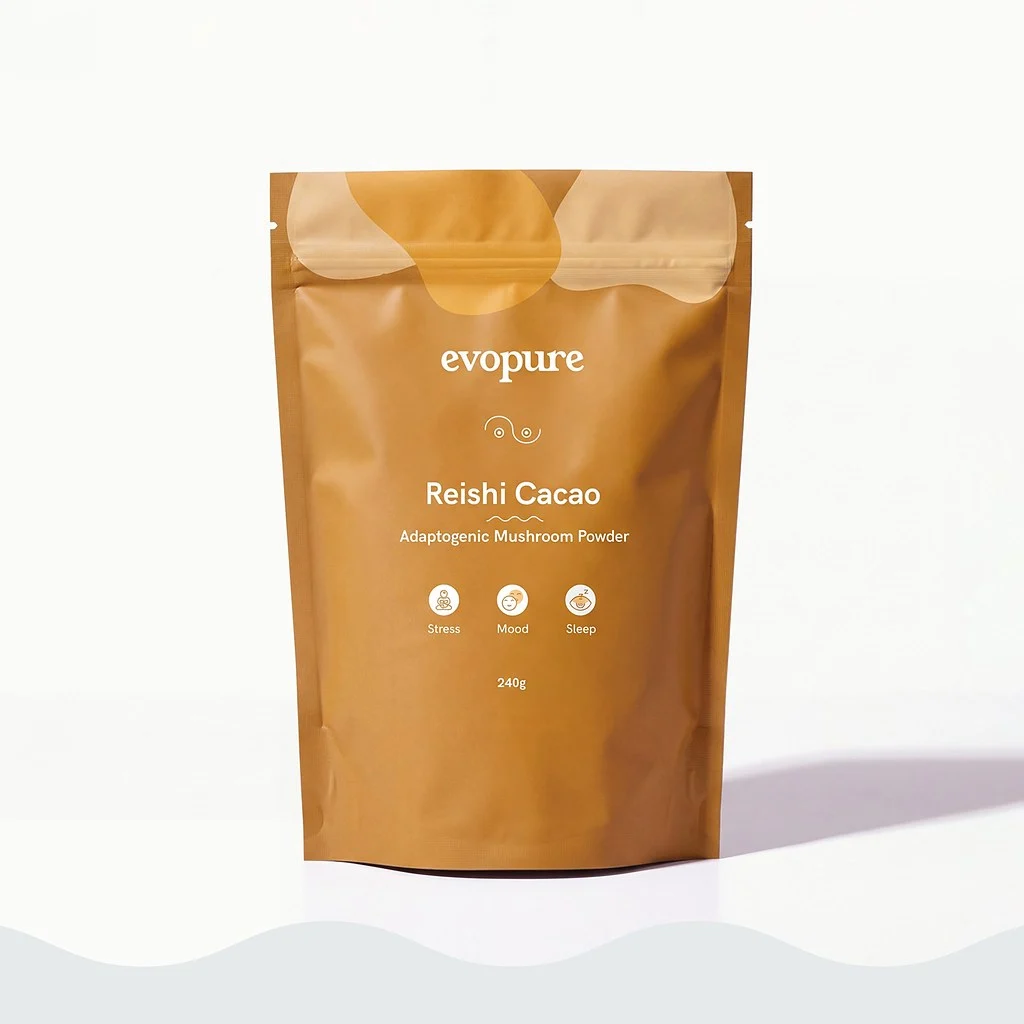
Our pick
Reishi Mushroom Adaptogenic Complex
Reishi Cacao is a hot chocolate made with reishi mushroom, cacao and maca. It contains a little natural caffeine from the cacao, so it suits earlier in the evening.
Add Reishi Cacao to bag See ingredients and reviews
Vegan and made in the UK. Free UK delivery over £45, 14-day returns on unopened items.
Subscribe £22.49One-off £29.99
View productStress eating
When you’re stressed or tired, sweet, high-fat comfort foods feel especially rewarding, and eating them becomes a quick way to cope. The food isn’t the problem; using it as your only coping tool can be. Notice the pattern (when, where, what feeling), then add other ways to decompress, such as a walk, a call, a bath or slow breathing. See stress symptoms, how to relieve stress and stress and cortisol in women.
Cravings at night and before periods
- At night: often from eating too little earlier in the day, tiredness, or boredom while scrolling. A proper evening meal and an earlier bedtime help. See revenge bedtime procrastination.
- Before periods: many women notice stronger cravings in the week before a period, and during perimenopause. See perimenopause symptoms.
- In winter: shorter days and lower mood can increase cravings. See tired in winter.
10 ways to stop sugar cravings
- Eat every 3 to 4 hours, as the NHS suggests for steady energy.
- Add protein and fibre to each meal: eggs, yoghurt, beans, wholegrains, vegetables.
- Have a proper breakfast.
- Sleep 7 to 9 hours. See how to sleep better.
- Drink water first; thirst can feel like hunger.
- Keep sweets out of sight and out of easy reach.
- Plan a treat rather than banning sugar completely.
- Wait 10 minutes when a craving hits. Many pass.
- Move: a short walk can ease a craving.
- Cut down gradually, for example less sugar in tea and coffee each week.
Healthier swaps
| Instead of | Try |
|---|---|
| Milk chocolate | A couple of squares of dark chocolate |
| Biscuits with a cuppa | A handful of nuts, or an oatcake with nut butter |
| Sugary hot chocolate | A homemade cocoa or cacao drink. See healthy hot chocolate |
| Fizzy drinks | Sparkling water with fruit |
| Dessert every night | Greek yoghurt with berries |
| Energy drinks | Water and a walk. See energy drinks |
Our Reishi Mushroom Adaptogenic Complex is an cocoa drink with reishi, lightly sweetened with coconut sugar, which many people enjoy as an evening treat instead of a sugary hot chocolate. Check the label for the sugar per serving.
Do chocolate cravings mean low magnesium?
It’s a popular idea, as cocoa contains magnesium, but there’s no good evidence that chocolate cravings are a sign of deficiency. Cravings are much more often about habit, mood, stress or hormones. If you’re worried about low magnesium, see signs of magnesium deficiency and foods high in magnesium. Magnesium contributes to a reduction of tiredness and fatigue, and our Magnesium Glycinate Sleep Complex is sweetened with stevia rather than sugar.
The FSA’s 10mg a day figure for CBD is precautionary advice rather than a legal limit, set while longer-term safety research continues. At Evopure we think it is a very cautious figure, and many adults use more. If you go above it, increase slowly, and check with your GP or pharmacist first if you take any medication.
When to get help
See a GP if you have constant thirst, need to wee a lot, feel very tired or are losing weight without trying, as these can be signs of diabetes. Also speak to your GP if you feel out of control around food, eat in secret, or feel guilty and distressed after eating, as support for eating problems is available.
Related guides
- Emotional eating: why it happens and how to stop.
- Why sugary or carb-heavy meals can leave you sleepy.
- Stress eating and cortisol belly.
- Berberine for blood sugar and weight.
- How poor sleep drives cravings and weight gain.
- Does apple cider vinegar lower blood sugar after meals?
- How much sugar is in a spoonful of manuka honey.
- Choosing a darker bar? Our guide to dark chocolate: benefits, how much a day and what to look for compares the sugar in 70% and milk chocolate.
- Can cinnamon help with blood sugar? Read cinnamon benefits: what the evidence really shows.
- A filling chia pudding is an easy swap for a sugary snack: see our chia seeds guide.
- How much sugar is in kombucha?
- For what magnesium can and can’t do for appetite and weight, see magnesium for weight loss.
- If stress is behind your cravings, our guide to how to reduce cortisol covers the habits with the best evidence.
- Is honey good for gut health?
- Cravings before a period often come with low energy too; read why you feel tired before and during your period.
- Swapping a sweet mug for one made with plain cocoa cuts the added sugar: see cocoa powder vs hot chocolate powder.
Sources 4
- NHS. Sugar: the facts.
- Spiegel K et al (2004). Sleep curtailment in healthy young men is associated with decreased leptin levels, elevated ghrelin levels, and increased hunger and appetite. Annals of Internal Medicine.
- NHS. Self-help tips to fight tiredness.
- NHS. Diabetes.
This guide is general information, not medical advice. Evopure makes the Reishi Mushroom Adaptogenic Complex and Magnesium Glycinate Sleep Complex.