

Last updated: October 2026
Stress symptoms can affect your body, mind and behaviour. Physical signs include headaches, dizziness, tense or painful muscles, stomach problems, a racing heart and poor sleep. Mentally you may feel overwhelmed, worried, forgetful or unable to concentrate. You might snap at people, eat or drink more, or avoid things. Most stress eases with simple changes.
Below: physical, mental and behavioural signs of stress, stress in women and men, stress vs anxiety vs burnout, what helps, and when to get help.
Physical symptoms of stress
Stress triggers your body’s fight-or-flight response, releasing hormones such as adrenaline and cortisol. In the short term that’s useful. When it goes on for weeks, you may notice:
| Body | Symptoms |
|---|---|
| Head | Headaches, dizziness |
| Muscles | Tension, aches and pains, especially in the neck, shoulders and jaw |
| Stomach | Indigestion, bloating, diarrhoea or constipation |
| Heart | A racing heartbeat or chest pain. Get chest pain checked |
| Sleep | Sleeping much more or much less than usual |
| Energy | Feeling tired all the time. See why am I always tired? |
| Sex | Lower sex drive or other sexual problems |
Mental and emotional symptoms
- Feeling overwhelmed
- Constantly worrying. See how to stop overthinking
- Finding it hard to concentrate or make decisions
- Being forgetful
- Feeling irritable, tearful or low
Changes in behaviour
- Snapping at people
- Eating much more or much less than usual
- Drinking or smoking more. See hangxiety
- Avoiding people or places
- Putting things off or working longer and longer hours
Stress vs anxiety vs burnout
| Stress | Anxiety | Burnout | |
|---|---|---|---|
| What it is | A reaction to pressure | Worry that continues even without a clear trigger | Exhaustion after long-term stress, usually from work |
| Main feeling | Under pressure, overwhelmed | Fear, dread, on edge | Empty, detached, drained |
| Eases when | The pressure lifts | Often needs support or treatment | With rest, boundaries and changes at work |
See anxiety symptoms and burnout symptoms.
Stress symptoms in women and men
The symptoms are the same, but patterns differ. Women may notice stress alongside hormonal changes, such as before periods or during perimenopause. Men are more likely to show stress through irritability, drinking more or working longer, and less likely to talk about it. See stress and cortisol in women and stress in men.
What helps
- Talk to someone you trust.
- Move every day: a brisk walk counts.
- Breathe slowly with a longer out-breath for a few minutes.
- Break big tasks into small steps and plan ahead for busy days.
- Protect your sleep. See sleep hygiene.
- Don’t lean on alcohol or smoking to cope.
- Make time for yourself. See self-care ideas.
See 15 ways to relieve stress.
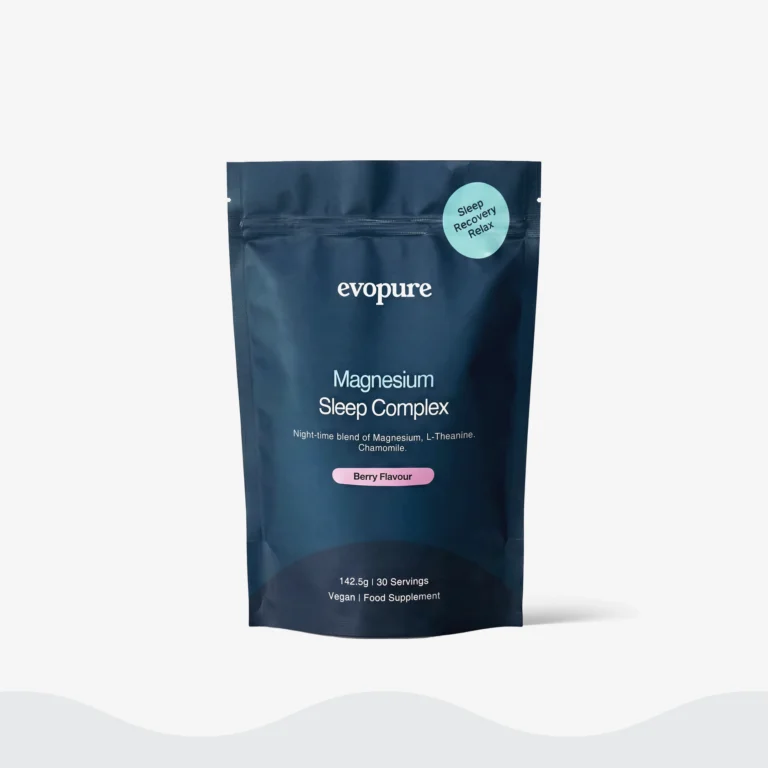
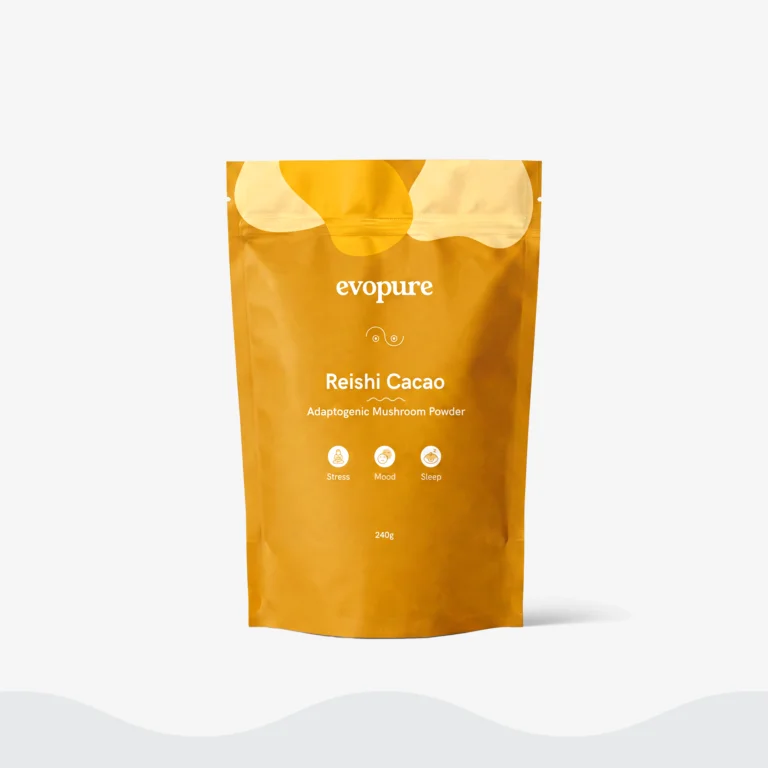
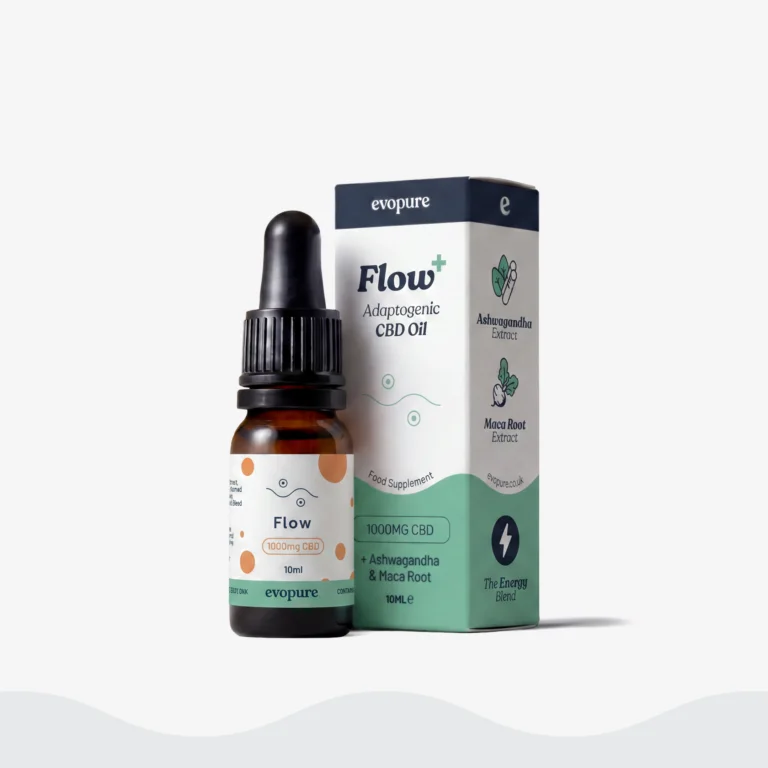
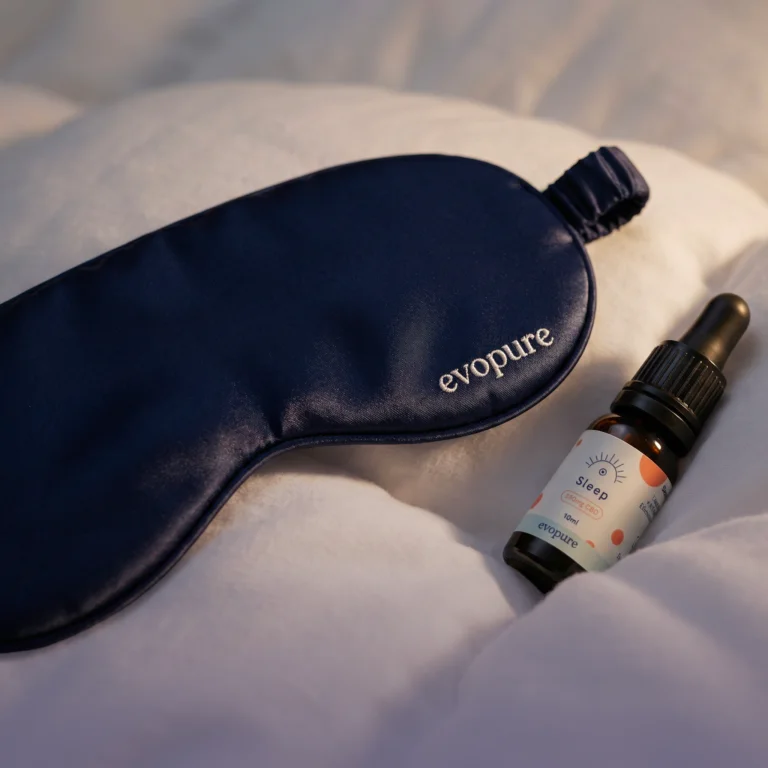
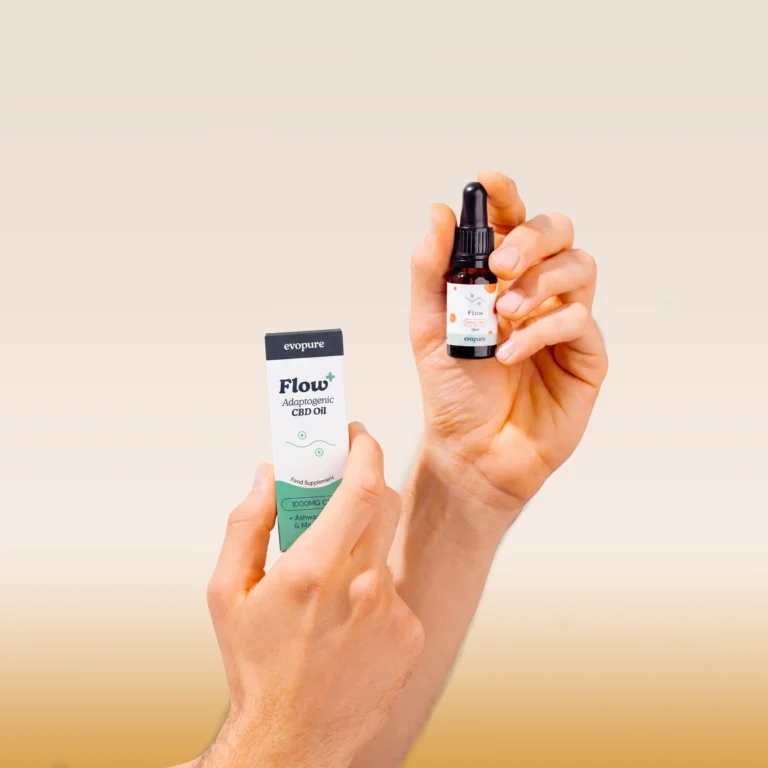
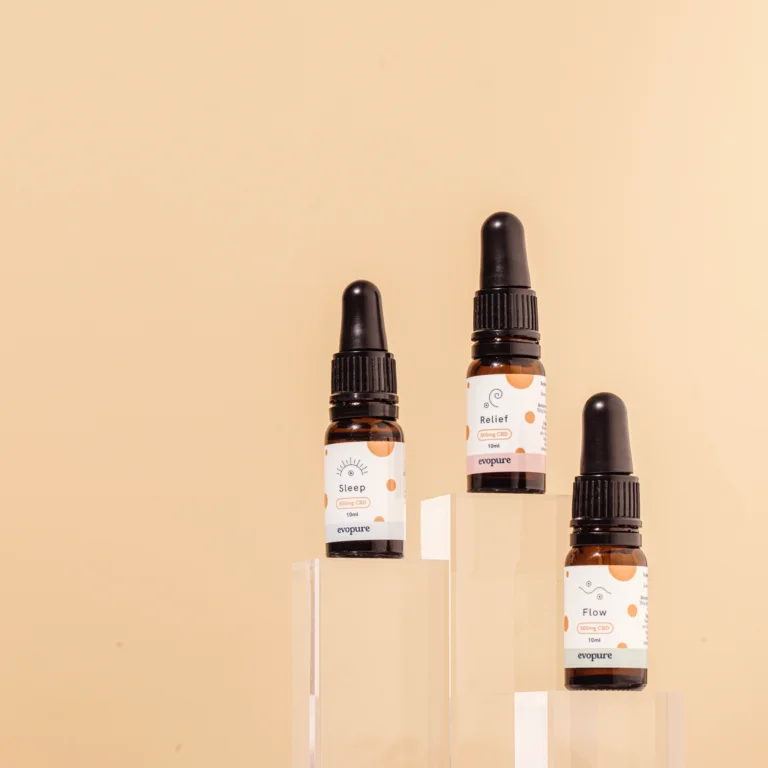
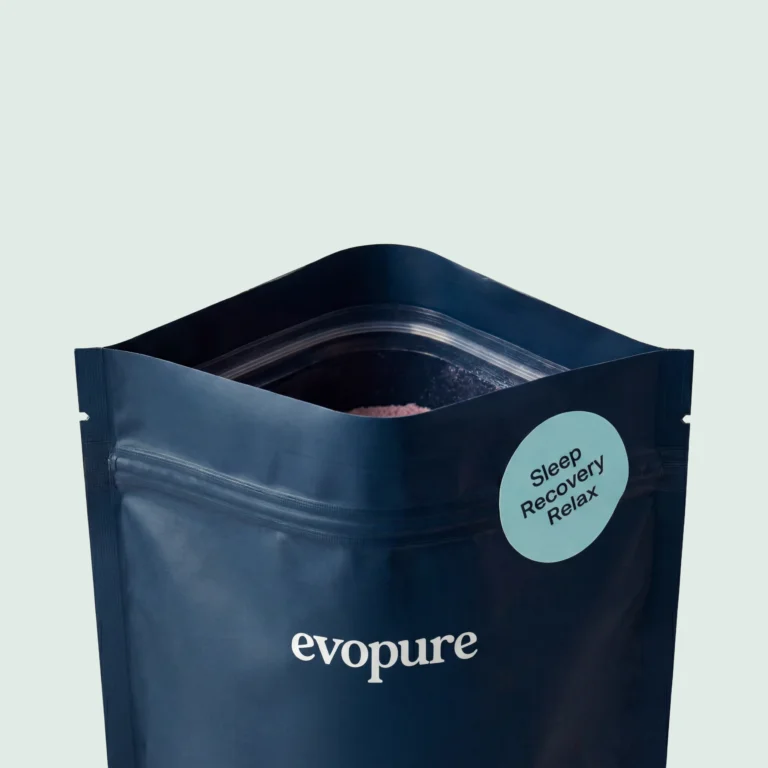
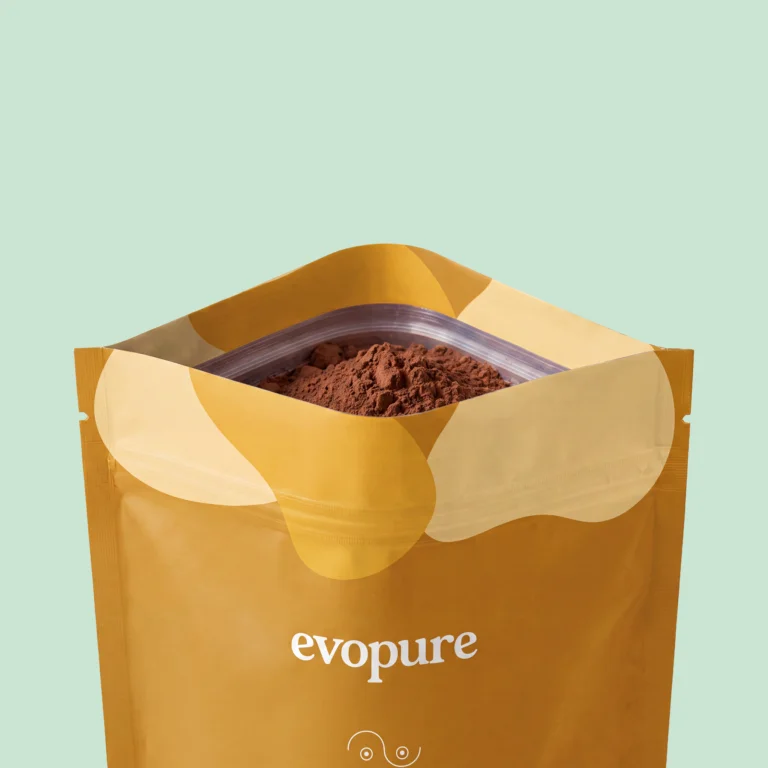
Many people also build a calming daily routine. Magnesium contributes to normal psychological function and the normal functioning of the nervous system. Our Magnesium Glycinate Sleep Complex is an evening drink, the Reishi Mushroom Adaptogenic Complex is a cosy hot chocolate, and our Flow CBD Oil combines broad spectrum CBD with ashwagandha and maca for daytime routines.
The FSA’s 10mg a day figure for CBD is precautionary advice rather than a legal limit, set while longer-term safety research continues. At Evopure we think it is a very cautious figure, and many adults use more. If you go above it, increase slowly, and check with your GP or pharmacist first if you take any medication.
When to get help
See a GP if you’re struggling to cope or self-help isn’t working. Adults can refer themselves to NHS Talking Therapies. If you need help urgently, call NHS 111. Call 999 or go to A&E if someone’s life is at risk. You can talk to Samaritans any time on 116 123.
See also the mental load.
FAQs
What are the physical symptoms of stress?
Headaches, dizziness, muscle tension, stomach problems, a racing heart, poor sleep, tiredness and lower sex drive.
What are the first signs of stress?
Often poor sleep, irritability, tense shoulders or jaw, headaches, and finding it hard to switch off or concentrate.
Can stress make you feel ill?
Yes. Long-term stress can cause headaches, stomach problems, aches and tiredness. See a GP if symptoms worry you.
What is the difference between stress and anxiety?
Stress is a reaction to pressure and usually eases when it lifts. Anxiety is worry that continues even without a clear trigger.
How do I know if I’m too stressed?
If stress is affecting your sleep, health, work or relationships, or you’re drinking more to cope, it’s time to make changes or speak to a GP.
Sources
- NHS. Stress.
- NHS. 10 stress busters.
- Munro NR et al (2026). Effect of exercise on depression and anxiety symptoms: systematic umbrella review with meta-meta-analysis. British Journal of Sports Medicine.
This guide is general information, not medical advice. Evopure makes the Magnesium Glycinate Sleep Complex, Reishi Mushroom Adaptogenic Complex and Flow CBD Oil. We don’t recommend our products during pregnancy or breastfeeding.