




Last updated: October 2026
Rosacea is a common long-term skin condition that causes flushing, persistent redness, visible blood vessels and sometimes spots on the cheeks, nose, chin and forehead. There’s no cure, but avoiding your triggers, gentle skincare, daily sun protection and treatment from a GP usually keep it under control.
About 1 in 20 adults have rosacea, according to a review of 32 studies covering more than 26 million people. Winter is a common time for flare-ups: cold weather, indoor heat and hot drinks are all on the NHS trigger list. Below: the types, what causes it, triggers, how to tell it from acne, what you can buy and what a GP can prescribe.
What is rosacea and who gets it?
Rosacea (you may see it called “acne rosacea”) is a long-term inflammatory skin condition that mainly affects the centre of the face: the cheeks, nose, chin and middle of the forehead. It tends to come and go, with flare-ups and calmer spells.
- Who: the NHS says it’s more common in women and people with lighter skin, but symptoms can be worse in men.
- Age: NICE guidance says it usually starts between 30 and 50, and the large prevalence review found it mostly affected people aged 45 to 60.
- Darker skin: redness is harder to see on brown or black skin, so rosacea may be under-diagnosed. Burning, stinging, bumps and dryness can be better clues.
- Not your fault: rosacea isn’t caused by poor hygiene and it isn’t contagious.
The British Association of Dermatologists (BAD) notes that the redness can lead to embarrassment, low confidence, anxiety and even depression. If that’s you, tell your GP.
Symptoms and types of rosacea
Rosacea usually starts with a tendency to blush easily. Over time the redness can stay and other features can appear. Most people have more than one type, and the mix can change over time.
| Type | What you notice | Good to know |
|---|---|---|
| Flushing and persistent redness | Flushes of heat and redness, often with burning or stinging, then redness that stays on the cheeks and nose; tiny visible blood vessels | A flush usually lasts under 5 minutes and can spread to the neck and chest |
| Papules and pustules | Small red bumps and pus-filled spots on a red background | Often mistaken for adult acne, but there are no blackheads |
| Phymatous (thickened skin) | Skin thickens, most often on the nose, which can become bulbous and red (rhinophyma) | Usually after many years; more common in men |
| Ocular (eye) rosacea | Gritty, dry, burning, watery or itchy eyes, sore or crusty eyelids, light sensitivity, blurred vision | NICE estimates it affects more than half of people with skin rosacea, and it can happen without skin signs. See a GP or optician |
Dry, tight skin and some swelling around the eyes are common too. If your eyes feel gritty, our dry eyes guide covers lid care and drops, the first step for mild eye rosacea.
What causes rosacea on the face?
Nobody knows exactly. The NHS says the cause isn’t known, and the BAD says it isn’t fully understood. What the research does point to:
- Genes. Rosacea seems to run in some families. In a study of 275 pairs of twins, genetics accounted for about half (46%) of rosacea severity scores, with age and lifetime sun exposure also linked.
- Blood vessels, nerves and the immune system. NICE lists an overactive immune and inflammatory response and problems with blood vessels and nerves in the skin. Triggers make the small blood vessels in the face widen, which is why you flush.
- Demodex mites. These are tiny mites that live in the hair follicles of the skin. A review of 23 studies found people with rosacea were about nine times more likely to have them, and in higher numbers. The authors say this doesn’t prove the mites cause rosacea, but they may play a part.
- Not gut bacteria (as far as we know). The BAD says the theory that rosacea is caused by bacteria on the skin or in the gut hasn’t been proven.
One cause worth knowing: steroid creams. NICE notes that steroid creams used on the face can cause a rash that looks like rosacea, mainly with the stronger ones.
Common rosacea triggers
Triggers don’t cause rosacea, but they set off flushing and flare-ups. Everyone’s list is different. The NHS, NICE and the BAD all name these:
| Trigger | What to try |
|---|---|
| Sunlight | SPF 30 or higher on your face every day, all year; a wide-brimmed hat; no sunbeds |
| Heat and humidity | Avoid hot baths, saunas and sitting close to fires or radiators |
| Cold and wind | Cover your face with a scarf in cold weather (an NHS tip that matters in winter) |
| Hot drinks | Let tea and coffee cool down before you drink them |
| Alcohol | Cut down or try a month off and watch your diary (see below) |
| Spicy food | Notice which dishes set you off rather than cutting out whole food groups |
| Hard aerobic exercise | Shorter or cooler sessions: exercise indoors with a fan, swim, or walk instead of running |
| Stress | See the stress section below |
| Some skincare | Skip perfumed soap, scrubs and harsh acne products |
| Some medicines | The BAD says some medicines can make blushing worse. Ask your GP or pharmacist; never stop a prescribed medicine yourself |
Keep a rosacea diary. For two to four weeks, note what you ate and drank, the weather, exercise, stress and any new products, then score your redness each evening. Both NICE and the BAD suggest a diary to pin down your own triggers.
Winter brings several triggers at once. Our winter wellness guide and dry skin guide cover keeping skin comfortable when the heating goes on.
Rosacea vs acne
Rosacea can cause spots, so it’s often mistaken for adult acne. The quickest clue: acne has blackheads and whiteheads, rosacea doesn’t.
| Rosacea | Acne | |
|---|---|---|
| Blackheads and whiteheads | No | Yes |
| Flushing and lasting redness | Yes, often the main feature | Not usually |
| Visible blood vessels | Often | No |
| Eye symptoms | Common | No |
| Usual age | Often starts at 30 to 50 | Usually teenagers and young adults |
| Where | Centre of the face | Face, chest and back |
The difference matters, because the BAD says some acne treatments can irritate skin that’s prone to rosacea. If you get breakouts at stressful times, see stress acne.
Other lookalikes include perioral dermatitis, seborrhoeic dermatitis, the butterfly rash of lupus and stress-related blotchy flushing (see stress rash). Menopausal hot flushes come with heat and sweating rather than a red centre of the face. A GP can usually tell them apart by looking at your skin.
Over-the-counter options and skincare
The best over-the-counter approach is gentle skincare plus daily sun protection. These steps come from the BAD patient leaflet and NICE guidance:
- Cleanse gently. Use a soap-free cleanser or a soap substitute (emollient) and lukewarm water. Pat dry. Don’t rub or scrub.
- Moisturise. A fragrance-free, non-oily moisturiser if your skin is dry or sensitive.
- SPF 30 or higher, every day. Apply it to your face every morning, even in winter, and reapply often when you’re outdoors.
- Cover the redness if you want to. Green- or yellow-tinted primers and make-up help tone down redness. Changing Faces runs a free skin camouflage service, and your GP can refer you to a local one.
Avoid steroid creams on your face unless a dermatologist recommends them. The BAD warns they can make rosacea worse, and that includes mild steroid creams such as hydrocortisone.
A pharmacist is a good first stop for choosing gentle skincare and sunscreen, and can tell you when to see a GP. The creams and gels that NICE recommends for rosacea itself (below) are prescription medicines.
What about natural remedies?
Be wary of home remedies that involve rubbing, scrubbing or perfumed products, which the BAD says can make rosacea worse. CBD isn’t a treatment for rosacea; our guide to CBD for skin sets out what the research does and doesn’t show for other skin problems.
GP treatments for rosacea
NICE guidance for GPs matches treatment to the features you have, and you may be offered more than one. The aim is clear skin where possible. The BAD says creams can take at least 8 weeks to work, so give each one a fair trial.
| Main problem | What a GP may offer |
|---|---|
| Persistent redness | Brimonidine gel, which narrows blood vessels for a few hours (redness returns as it wears off) |
| Mild to moderate spots | Ivermectin cream first, or metronidazole or azelaic acid as alternatives |
| Moderate to severe spots | A cream plus an antibiotic tablet such as doxycycline; lymecycline and others are alternatives |
| Frequent flushing | Sometimes a beta-blocker tablet such as propranolol |
| Eye symptoms | Lid cleaning, warm compresses and lubricating eye drops; referral to an eye specialist if they don’t settle or are severe |
Antibiotics for rosacea are used for their anti-inflammatory effect rather than to kill an infection, and courses often last several weeks. Some medicines aren’t suitable in pregnancy or breastfeeding, so tell your GP if either applies.
Specialist treatments
If GP treatment hasn’t worked or the diagnosis is uncertain, you may be referred to a dermatologist. Options there include isotretinoin tablets for severe spots, and laser or intense pulsed light (IPL) treatment for persistent redness and visible blood vessels. A thickened nose can be reshaped by a dermatologist or plastic surgeon. If you look at laser or IPL privately, ask about the practitioner’s training and how many sessions you’ll need.
Can rosacea be cured?
No. The NHS and the BAD both say rosacea can’t be cured, but treatment can control it, and the NHS warns it can get worse if it isn’t treated.
The honest picture is better than “no cure” sounds. NICE describes rosacea as a condition of flare-ups and remissions. In a study of 234 people treated in dermatology clinics and followed for a median of about 17 months, 61.5% had a partial remission and 20.9% a complete remission. People who only had spots did better than those with redness or mixed types.
Staying on top of it means avoiding your triggers, keeping up gentle skincare and SPF, and going back to your GP if a flare doesn’t settle.
Rosacea and alcohol
Alcohol is one of the best-known triggers, and the NHS advice for rosacea is simply not to drink it. It may matter beyond flare-ups too. In a US study that followed 82,737 women for 14 years, the more they drank, the higher their risk of developing rosacea. Women in the highest group (30g of alcohol or more a day) had about a 50% higher risk than non-drinkers, and white wine and spirits showed the clearest links. This kind of study shows a link, not proof of cause.
If you’ve been doing Sober October, or are thinking about a dry month, it’s a useful experiment: keep your rosacea diary going and see whether your skin calms down. Our guide to cutting down on alcohol without quitting has practical swaps, and alcohol and sleep explains another reason to keep evening drinks low.
Stress and rosacea
Stress is on the NHS, NICE and BAD trigger lists, and the NHS includes managing stress in its rosacea advice. It works both ways: a flare can make you feel self-conscious, which adds to the stress. Simple tools help, such as box breathing when you feel a flush coming on, and our guide to how to calm down. If you’re not sure how much stress is affecting you, stress symptoms lists the physical and mental signs.
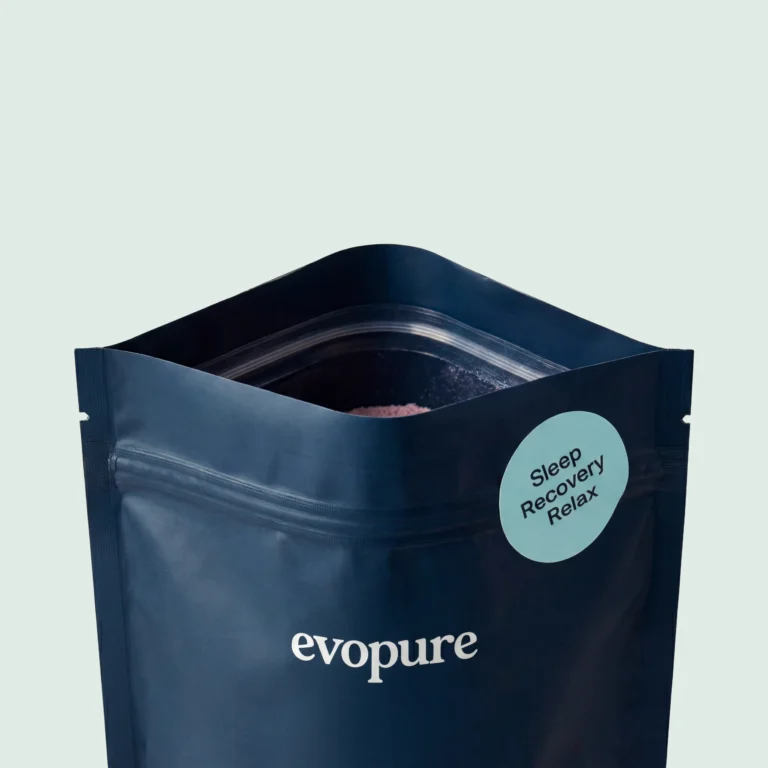
Some people like a calming evening routine. Our Magnesium Glycinate Sleep Complex is a berry-flavoured powder you stir into water. Magnesium contributes to normal psychological function and to a reduction of tiredness and fatigue. Our products aren’t a treatment for rosacea, and this one isn’t a skin product.
Our products are for adults only. We don’t recommend our products during pregnancy or breastfeeding. If you take any medication, check with your GP or pharmacist first.
When to see a GP
Book a routine GP appointment if
- you think you have rosacea: the NHS says to see a GP if you have symptoms, as it can get worse without treatment
- redness, spots or flushing are getting worse or not settling with skincare
- it’s affecting your confidence or mood
- your flushing lasts a long time, spreads over your whole body, or comes with sweating, diarrhoea, wheezing or tummy pain, as other causes need ruling out
Get an urgent GP appointment or call 111 if
- your eye is painful or red
- your vision is blurred
- light hurts your eyes
- your eye feels gritty
The NHS says these eye symptoms could be keratitis, which can be serious if it isn’t treated quickly.
Related guides
- Red, scaly patches with a clear edge are more likely to be psoriasis: see our guide to psoriasis types and what helps.
- Dry, itchy, flaky patches around the eyes or on the body are more often eczema: see our eczema types and triggers guide.
- Flushing that comes with raised, itchy welts may be hives rather than rosacea.
FAQs
Can rosacea be cured?
No, but it can be controlled. Avoiding triggers, gentle skincare, daily SPF and GP treatment keep most people’s rosacea under control, and many have long spells of partial or complete remission.
What causes rosacea on the face?
The exact cause isn’t known. Genes, an overactive immune response, blood vessels that widen easily and Demodex skin mites may all play a part. Triggers such as sun, heat, alcohol, hot drinks and stress set off flare-ups.
What is the best over-the-counter treatment for rosacea?
There isn’t one cream that treats it. The best approach is a gentle soap-free cleanser, a fragrance-free moisturiser, SPF 30 or higher every day and a green-tinted primer for redness. Treatments for rosacea itself need a prescription.
Is rosacea the same as acne?
No. Rosacea causes flushing, lasting redness and sometimes spots, but not blackheads or whiteheads. It usually starts at 30 to 50, while acne is most common in teenagers and young adults.
How long does it take to get rosacea under control?
Prescription creams can take at least 8 weeks to work, and NICE suggests ivermectin cream for 8 to 12 weeks before reviewing it. Avoiding your triggers is something you can start straight away.
Does alcohol make rosacea worse?
Yes, alcohol is a common trigger, and the NHS advises people with rosacea not to drink it. A large US study also linked higher alcohol intake with a higher risk of developing rosacea.
Can rosacea affect your eyes?
Yes. Ocular rosacea causes gritty, dry, sore or watery eyes and sore eyelids. A painful red eye, blurred vision or light sensitivity needs an urgent GP appointment or a call to 111.
Sources
- NHS. Rosacea.
- NICE Clinical Knowledge Summaries. Rosacea (last revised October 2025), including management, differential diagnosis and prognosis.
- British Association of Dermatologists. Rosacea patient information leaflet (2022).
- Hampton PJ et al. British Association of Dermatologists guidelines for the management of people with rosacea 2021. Br J Dermatol, 2021.
- Gether L et al. Incidence and prevalence of rosacea: a systematic review and meta-analysis. Br J Dermatol, 2018.
- Aldrich N et al. Genetic vs environmental factors that correlate with rosacea: a cohort-based survey of twins. JAMA Dermatol, 2015.
- Chang YS, Huang YC. Role of Demodex mite infestation in rosacea: a systematic review and meta-analysis. J Am Acad Dermatol, 2017.
- Li S et al. Alcohol intake and risk of rosacea in US women. J Am Acad Dermatol, 2017.
- Changing Faces. Skin camouflage service.
This guide is general information, not medical advice. Evopure makes the Magnesium Glycinate Sleep Complex, which is not a skin product or a treatment for rosacea.