Last updated: 10 November 2026
The fastest way to get rid of a cold is to rest, drink plenty of fluids and ease the symptoms with paracetamol or ibuprofen while your body clears the virus. There is no cure, and the NHS says you should begin to feel better in about 1 to 2 weeks. A pharmacist can help with a blocked nose.
iBelow: what actually helps a cold get better faster, what a pharmacist can sell you, what the evidence says about zinc, vitamin C, honey and steam, the rules for children’s medicines, and when to see a GP or call 111.
How to get rid of a cold fast
To get rid of a cold as fast as possible, rest, drink plenty of fluids, eat when you can and take paracetamol or ibuprofen for aches or a high temperature. Breathe in steam from a hot shower for a blocked nose and gargle salt water for a sore throat. Antibiotics won’t help, because colds are caused by viruses.
| What to do | Why it helps | Good to know |
|---|---|---|
| Rest and sleep | Your immune system does the work | A blocked nose wrecks sleep: see tips below |
| Drink plenty of fluids | Avoids dehydration, loosens mucus | Water, warm drinks, lemon and honey |
| Paracetamol or ibuprofen | Eases aches, headache and fever | Follow the leaflet; don’t double up with cold remedies |
| Steam from a hot shower | Can ease a blocked nose for a while | No steam bowls for children (scald risk) |
| Salt water gargle | Soothes a sore throat | Adults only |
| Don’t smoke | Smoking can make symptoms worse | Avoid other people’s smoke too |
If a blocked nose keeps you awake, our guide on how to sleep with a cold covers pillow height, sleeping position and bedtime drinks. For a cough that’s worse at night, see cough at night.
Can you get rid of a cold in 24 hours?
No. A cold is a viral infection that has to run its course, usually over 1 to 2 weeks. Nothing you can buy clears it overnight. Taking zinc lozenges within a day of the first symptoms may shorten a cold by about 2 days, but the evidence is low certainty. What you can do in 24 hours is feel more comfortable.
Cold medicines: what a pharmacist can help with
A pharmacist can recommend paracetamol or ibuprofen for aches and fever, and decongestant sprays, drops or tablets for a blocked nose. The NHS says not to use decongestant nasal sprays for more than a week, as they can make a blocked nose worse, and decongestants are not for children under 6.
| Medicine | Helps with | The rules |
|---|---|---|
| Paracetamol | Aches, headache, high temperature | No more than the leaflet dose; many cold remedies already contain it |
| Ibuprofen | Aches, sore throat, high temperature | Take with food; check with a pharmacist if you have asthma, stomach ulcers or kidney or heart problems |
| Decongestant nasal spray | Blocked nose | No more than 7 days; not for under 6s |
| Decongestant tablets | Blocked nose | Ask a pharmacist if you have high blood pressure or take other medicines |
| Cold and flu remedies | Several symptoms at once | Don’t take with separate paracetamol or ibuprofen tablets |
The NHS warns that taking paracetamol or ibuprofen tablets alongside a cold and flu remedy can mean taking more medicine than you should. Our guide to cold and flu tablets explains what’s in Lemsip, Beechams and supermarket versions, and whether phenylephrine works.
iIn England, Pharmacy First lets pharmacists assess and treat some conditions without a GP appointment, including sinusitis in people aged 12 and over and sore throat in people aged 5 and over. For a sore throat, see our sore throat remedies.
Do antibiotics get rid of a cold?
No. The NHS says GPs don’t recommend antibiotics for colds because they won’t relieve your symptoms or speed up your recovery. Antibiotics only work on bacteria, and colds are caused by viruses. Taking them when they aren’t needed also adds to antibiotic resistance. If you are on antibiotics for another reason, see do antibiotics make you tired?
Cold remedies: what the evidence shows
No supplement or home remedy cures a cold. The best evidence is for honey easing a cough and for zinc possibly shortening a cold by about 2 days if started early, both with uncertainty. Vitamin C taken every day before a cold makes colds slightly shorter, but starting it once a cold begins shows no clear benefit.
| Remedy | What the best reviews found | Verdict |
|---|---|---|
| Zinc lozenges | Cochrane 2024: may shorten a cold by about 2 days when taken for treatment; more nausea and bad taste | Possible small effect, low certainty |
| Vitamin C | Cochrane 2013: taken daily beforehand, colds about 8% shorter in adults; no consistent effect once a cold starts | Small effect, only if taken regularly |
| Honey | 14 studies: eased cough frequency and severity compared with usual care | Reasonable for a cough (never under 1s) |
| Steam or humidified air | Cochrane 2017: no consistent benefit in trials | Comforting at best; scald risk |
| Echinacea | Cochrane 2014: no clear benefit for treating a cold | Not worth relying on |
| Vitamin D | 2021 review: small protective effect against chest and airway infections, mainly with daily doses | For prevention, not treatment |
Zinc and vitamin C supplements aren’t harmless at high doses: the NHS says adults shouldn’t take more than 25mg of zinc a day from supplements unless advised by a doctor, and more than 1,000mg of vitamin C a day can cause stomach pain and diarrhoea. Our guides to zinc, vitamin C, manuka honey, echinacea and elderberry cover each one in more detail.
How to treat a cold in children
Children get more colds than adults, as their immune systems are still meeting these viruses for the first time. Treat a child’s cold with rest, fluids and children’s paracetamol or ibuprofen if they are uncomfortable. Never give aspirin to under 16s or honey to babies under 12 months, and don’t give over-the-counter cough and cold medicines to children under 6.
- Paracetamol: children’s paracetamol can be given from 2 months; follow the dose on the pack for your child’s age.
- Ibuprofen: from 3 months, if your baby weighs more than 5kg.
- Cough and cold medicines: the MHRA says they shouldn’t be used in children under 6. For 6 to 12 year olds, they are sold only in pharmacies, with advice.
- Decongestants: not for under 6s.
- Steam: the NHS says don’t let children breathe in steam from a bowl of hot water.
- Hot drinks: no hot drinks for small children.
iTrust your instincts: speak to a GP or call 111 if you’re worried about your child, and call 999 if they are struggling to breathe or are unusually drowsy and hard to wake.
How long does a cold last?
A cold usually comes on over 2 to 3 days, and most people start to feel better in about 1 to 2 weeks. The NHS says you are infectious until all your symptoms have gone. A cough can hang on for a few weeks after the other symptoms clear.
Not sure whether it’s a cold or flu? Flu comes on within hours, with a high temperature, aches and exhaustion. Our guide to cold vs flu has a symptoms table, how long each lasts and how long you are contagious. If you are eligible for a free flu vaccine this winter, see flu jab side effects.
When to see a GP or call 111 with a cold
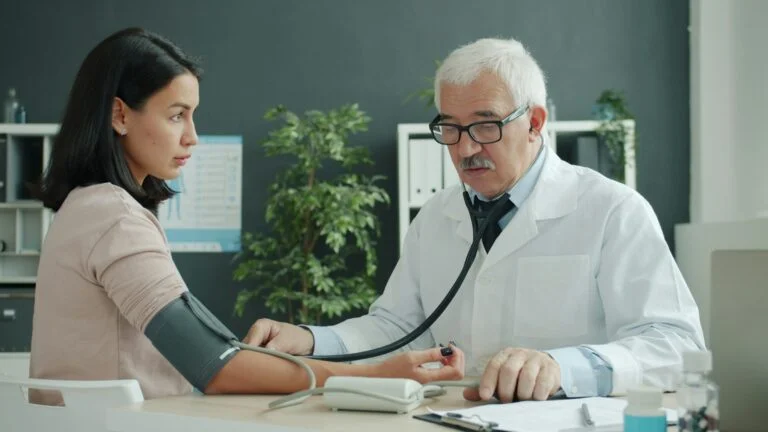
Most colds don’t need a GP. The NHS says to see a GP if your symptoms don’t improve after 10 days, get worse, or you have a high temperature for more than 3 days. Also see a GP if you feel short of breath or have chest pain, have a long-term condition or a weakened immune system, or a cough lasts more than 3 weeks.
iSee a GP if:
- your cold symptoms don’t get better after 10 days, or they get worse
- you have a high temperature for more than 3 days
- your temperature is very high, or you feel hot, cold or shivery
- you feel short of breath or have chest pain
- you have a cough for more than 3 weeks
- you have a long-term medical condition or a weakened immune system
- you’re worried about your child’s symptoms
If you can’t get a GP appointment, call 111 or use NHS 111 online. Call 999 or go to A&E if someone is struggling to breathe, is coughing up blood, or has chest pain that could be a heart attack.
How to avoid catching a cold
Colds spread through droplets from coughs and sneezes and from hands that touch contaminated surfaces. The best ways to avoid catching one are washing your hands often with warm water and soap, not touching your eyes and nose, and binning used tissues quickly. Sleep, activity and a varied diet support your immune system generally.
- Wash your hands: often, for at least 20 seconds, especially before eating.
- Vitamin D in winter: the NHS advises everyone to consider 10 micrograms of vitamin D a day from October to March. Vitamin D contributes to the normal function of the immune system. See vitamin D in winter.
- Sleep: regular, enough sleep matters. See tired in winter for why winter feels harder.
- Stay home when you’re ill: you’re infectious until your symptoms have gone.
Our guide to how to boost your immune system explains what the evidence supports, and winter wellness brings the seasonal advice together.
Next step
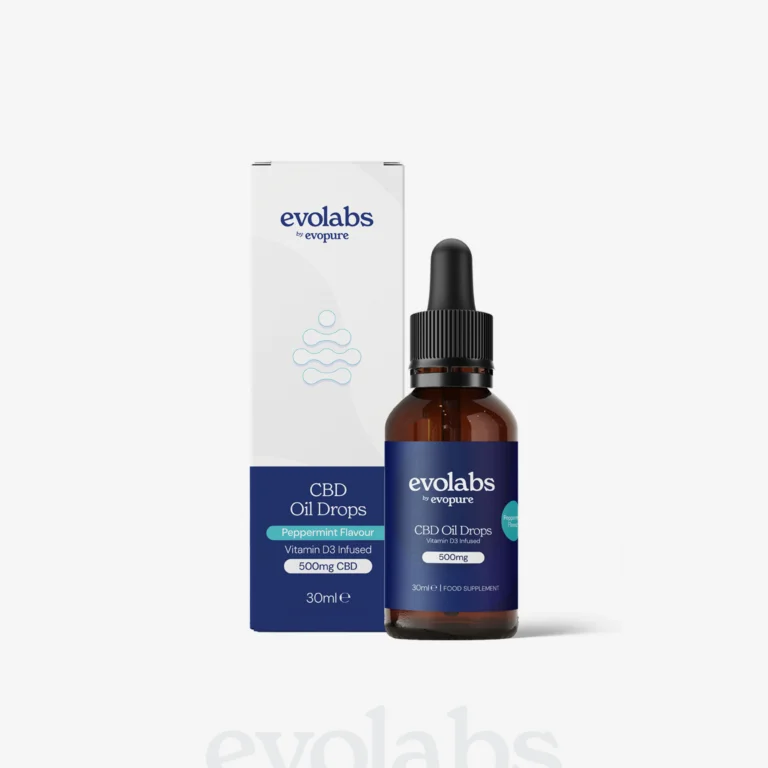
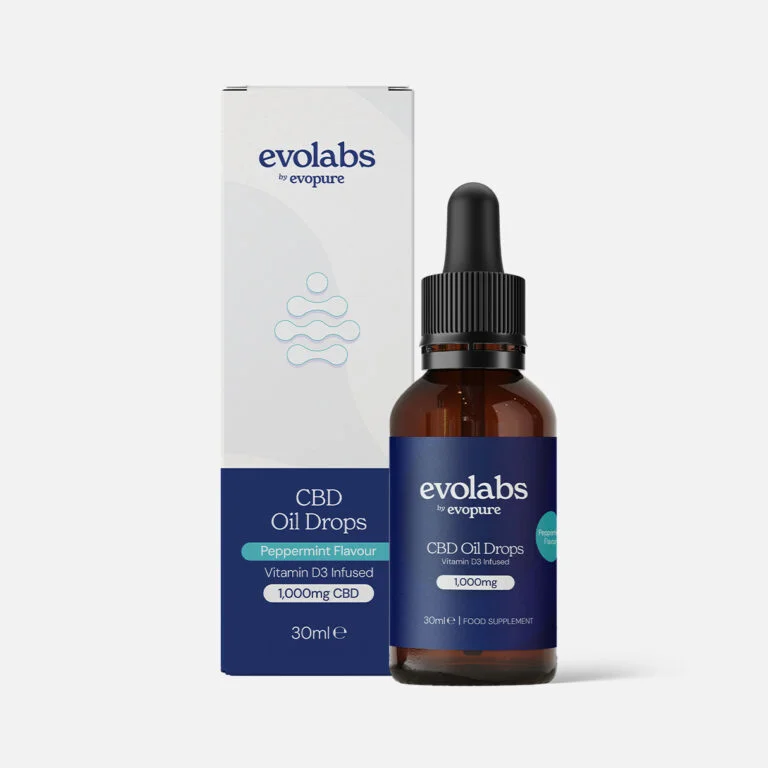
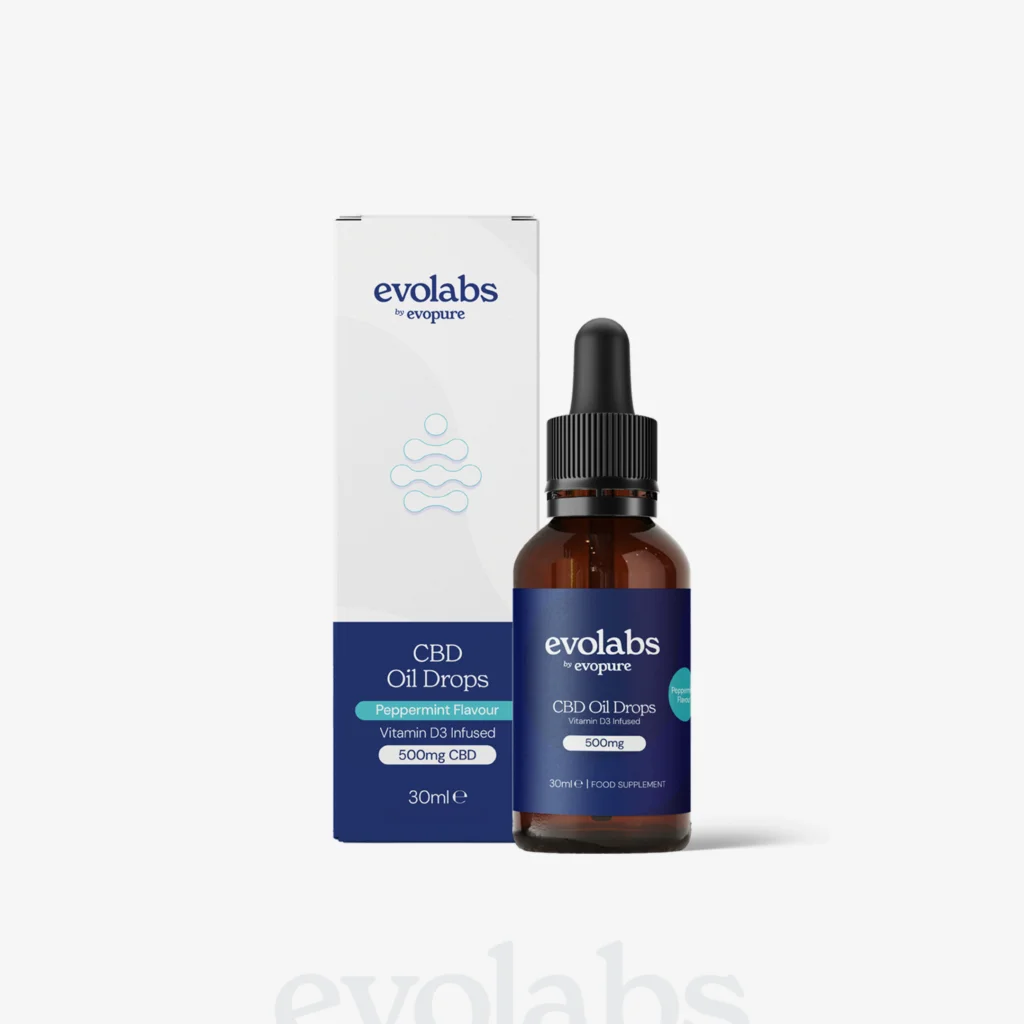
For winter vitamin D, Evopure’s Mint CBD Oil + Vit D3 is a 1,000mg, 30ml broad spectrum CBD oil with vegan vitamin D3: 10mg of CBD is about 0.3ml, and a half pipette gives 10µg of vitamin D3 (200% NRV). Vitamin D contributes to the normal function of the immune system. It won’t treat a cold. If you don’t use CBD, a plain 10 microgram vitamin D supplement covers the NHS advice.
Add Mint CBD Oil + Vit D3 to bag See ingredients and reviews
Run down after a cold? Our Magnesium Glycinate Sleep Complex is a berry drink powder with 290mg of magnesium (77% NRV) per 4.75g serving. Magnesium contributes to a reduction of tiredness and fatigue.
Add Magnesium Glycinate Sleep Complex to bag
Adults only. If you take any regular medicines, including cold and flu remedies, check with your GP or pharmacist first. We don’t recommend our products during pregnancy or breastfeeding. Subscribe and save 25% on your first order, then 20%. New to Evopure? Join our emails for 20% off a one-off first order. Free UK delivery over £45.
The FSA advises healthy adults to take no more than 10mg of CBD a day: about 0.3ml of the 1,000mg Mint oil gives 10mg.
The FSA’s 10mg a day figure is precautionary advice rather than a legal limit, set while longer-term safety research continues. At Evopure we think it is a very cautious figure, and many adults use more. If you go above it, increase slowly, and check with your GP or pharmacist first if you take any medication.
Sources 11
- NHS. Common cold.
- NHS Business Services Authority. NHS Pharmacy First Service.
- NHS. Vitamin D, Vitamin C and Others (zinc).
- MHRA. Over-the-counter cough and cold medicines for children. GOV.UK.
- Nault D et al (2024). Zinc for prevention and treatment of the common cold. Cochrane Database of Systematic Reviews.
- Hemilä H, Chalker E (2013). Vitamin C for preventing and treating the common cold. Cochrane Database of Systematic Reviews.
- Abuelgasim H et al (2021). Effectiveness of honey for symptomatic relief in upper respiratory tract infections. BMJ Evidence-Based Medicine.
- Singh M et al (2017). Heated, humidified air for the common cold. Cochrane Database of Systematic Reviews.
- Karsch-Völk M et al (2014). Echinacea for preventing and treating the common cold. Cochrane Database of Systematic Reviews.
- Jolliffe DA et al (2021). Vitamin D supplementation to prevent acute respiratory infections. Lancet Diabetes and Endocrinology.
- FSA. Cannabidiol (CBD) guidance.
This guide is general information, not medical advice. We make the Evopure products mentioned in this guide; they don’t treat or prevent colds.