Last updated: October 2026
Leg cramps at night are common and usually harmless. To stop one, stretch and massage the muscle, or stand up and put your weight on that leg. To prevent them, the NHS recommends calf stretches three times a day, the last just before bed. Ageing, exercise, pregnancy, dehydration and some medicines can all cause them.
iBelow: how to stop a leg cramp fast, the NHS stretch routine, causes, whether magnesium helps, cramps in pregnancy, and when to see a GP.
How to stop a leg cramp fast
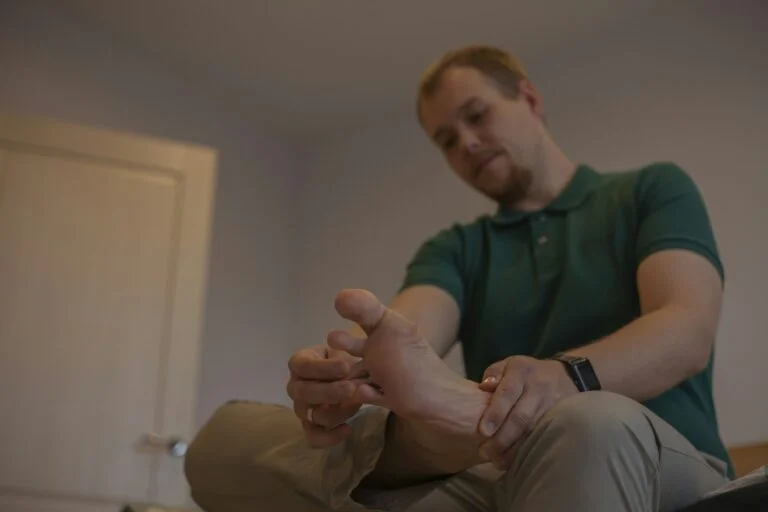
- Stretch the muscle. For a calf cramp, straighten your leg and pull your toes up towards your shin.
- Stand up and put your weight on the affected leg.
- Massage the tight muscle firmly.
- Walk around for a minute once it eases.
A cramp can last from a few seconds to 10 minutes, and the muscle may feel sore for up to 24 hours. Paracetamol or ibuprofen can ease the soreness afterwards, but they work too slowly to help during the cramp itself.
How much water should you drink a day? Our guide gives the NHS guidance and simple signs you are getting enough.
Our pick
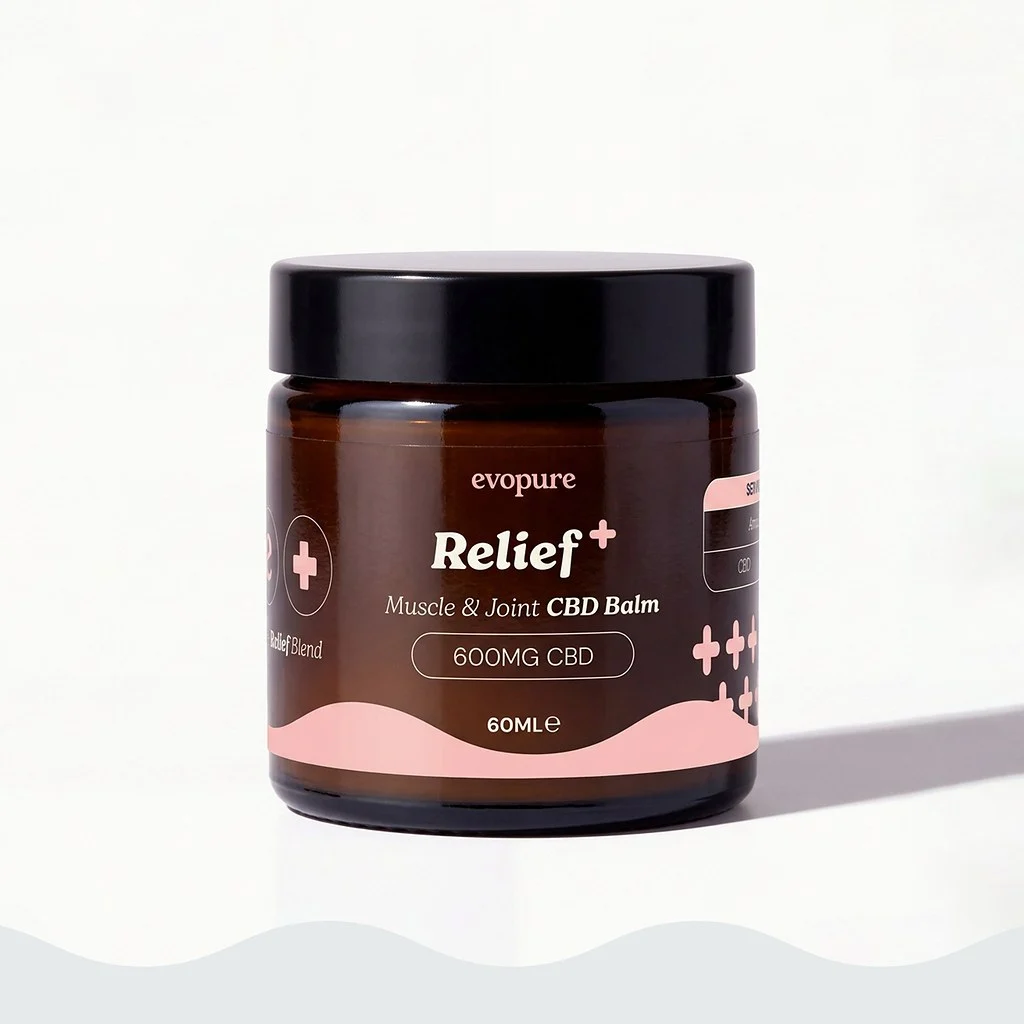
CBD Balm Muscle & Joint Support
CBD Balm is a cooling balm with 600mg of broad spectrum CBD, peppermint, eucalyptus and juniper. It is a cosmetic for massage, not a supplement.
Add CBD Balm to bag See ingredients and reviews
Broad spectrum with 0% THC, every batch third-party lab tested, made in the UK. For adults only. We don’t recommend our products during pregnancy or breastfeeding. Free UK delivery over £45.
Subscribe £29.99One-off £39.99
View productHow to prevent leg cramps at night
The NHS calf stretch
- Stand facing a wall and put your hands on it.
- Step one foot back, keeping both heels flat on the floor.
- Lean forward until you feel the stretch in the back calf. Hold for a few seconds.
- Repeat for about 5 minutes, 3 times a day, with the last session just before bed.
Stretching may reduce cramps but might not stop them completely. If they become less frequent, you may only need to stretch once or twice a day.
Other habits that help
- Drink enough fluids through the day, especially after exercise or in hot weather. See electrolytes.
- Keep bedcovers loose around your feet so your toes aren’t pointed all night.
- Warm up and cool down properly when you exercise. See muscle recovery.
- Go easy on alcohol.
What causes leg cramps at night?
| Cause | Notes |
|---|---|
| Ageing | Cramps become more common as you get older |
| Exercise | Muscle strain, especially in hot or humid weather |
| Pregnancy | Particularly in the later stages |
| Medicines | Such as statins and diuretics. Don’t stop a medicine without talking to your GP |
| Dehydration | Not drinking enough |
| Heavy drinking | Liver disease from alcohol |
| Unknown | Often no clear cause is found |
Does magnesium help leg cramps?
Magnesium is a popular choice for night cramps, but the evidence is weak. A Cochrane review found magnesium is unlikely to make a meaningful difference to cramps in older adults, and results in pregnancy were mixed. Magnesium does contribute to normal muscle function, so it makes sense if your diet is low in it, but stretching should come first. Keep supplements to 400mg a day or less. See magnesium for cramps and foods high in magnesium.
Many people also like to massage tight calves with a balm before bed. Our CBD Balm, Muscle and Joint Support is made for massage, and our Magnesium Glycinate Sleep Complex is an evening magnesium drink.
The FSA’s 10mg a day figure for CBD is precautionary advice rather than a legal limit, set while longer-term safety research continues. At Evopure we think it is a very cautious figure, and many adults use more. If you go above it, increase slowly, and check with your GP or pharmacist first if you take any medication.
Leg cramps in pregnancy
iLeg cramps are common later in pregnancy. The same stretches help. Speak to your midwife or GP before taking any supplement while pregnant. We don’t recommend our products during pregnancy or breastfeeding.
Cramps or restless legs?
| Leg cramp | Restless legs |
|---|---|
| Sudden, painful tightening of a muscle | An urge to move your legs, with crawling or tingling feelings |
| The muscle feels hard | No hard muscle |
| Eases with stretching | Eases briefly with moving, then returns |
See restless legs.
When to see a GP
The NHS advises seeing a GP if cramps disturb your sleep, last longer than 10 minutes, or come with numbness or swelling in your legs. A GP will look for a cause and may suggest stretching. If that doesn’t help, they may discuss quinine tablets, which aren’t suitable for everyone. Get urgent help if one calf is swollen, red, warm and painful, as this can be a sign of a blood clot.
Related guides
- Our comparison of magnesium glycinate, citrate and threonate.
- Does magnesium help you sleep? Our evidence-led UK guide.
- If your calves or thighs flicker rather than cramp, see muscle twitching in the legs.
- If the pain is in your heel and arch when you first get out of bed, it may be plantar fasciitis rather than cramp.
- Morning stiffness at the back of the heel is a different problem: see Achilles tendonitis symptoms.
- A quick kick or jolt as you drift off, with no pain, is more likely a hypnic jerk than a cramp.
- If you have seen magnesium sprays sold for night cramps, our guide to magnesium spray explains what the evidence shows.
- If it’s an urge to move rather than a painful knot, read restless legs at night: causes and what helps.
- If you try magnesium, our guide on magnesium before bed covers timing, food and medicine gaps.
- Cramps alongside bone pain or weak thigh muscles are worth checking with your GP; see low vitamin D symptoms.
- If you decide to try magnesium, our magnesium supplement buying guide explains which forms absorb well.
- Which type of magnesium to take, from glycinate to citrate.
- If you like to massage tight calves before bed, our guide to CBD balm covers how to use one and patch testing.
- If you try magnesium for cramps, read magnesium side effects first, as diarrhoea is the usual sign of too much.
- Night cramps are common in later life; our guide to magnesium for older adults explains what magnesium can and can’t do.
Sources 3
- NHS. Leg cramps.
- Garrison SR et al (2020). Magnesium for skeletal muscle cramps. Cochrane Database of Systematic Reviews.
- NHS. Vitamins and minerals: magnesium.
This guide is general information, not medical advice. Evopure makes the CBD Balm and Magnesium Glycinate Sleep Complex.