














Last updated: October 2026
A coffee crash is the drop in energy a few hours after caffeine, as it wears off and the tiredness it was masking returns. To avoid it, have coffee with food, keep to moderate amounts, stop about 6 hours before bed, and fix your sleep. Swapping some coffee for tea, which contains L-theanine, can smooth the ups and downs.
Below: why coffee crashes happen, how to avoid them, coffee alternatives for steady energy, how to cut down without withdrawal, and how much caffeine is too much.
Why do you crash after coffee?
| Reason | What’s happening |
|---|---|
| Masked tiredness | Caffeine blocks adenosine, the brain chemical that builds sleepiness. When it wears off, the built-up tiredness hits |
| Sleep debt | If you’re short of sleep, coffee only papers over it |
| Sugar | Sweet coffees, syrups and pastries can add a blood sugar dip |
| An empty stomach | Coffee without food can leave you jittery, then flat |
| Daily withdrawal | Regular drinkers can feel mild withdrawal between cups: tiredness, headache, poor concentration |
| Late caffeine | Disturbs sleep, so tomorrow’s crash is worse |
How to avoid a coffee crash
- Have coffee with or after food, ideally with protein.
- Spread smaller amounts through the morning rather than one huge mug.
- Skip the syrups and pastries, or have them with a proper meal.
- Stop about 6 hours before bed. In a sleep study, caffeine taken 6 hours before bedtime still noticeably reduced sleep.
- Drink water too.
- Pair caffeine with L-theanine, as tea does naturally. A 2026 review found the combination gave small improvements in attention. See L-theanine benefits.
- Try a “coffee nap”: a coffee then a 15 to 20 minute nap, early afternoon. See power nap.
- Fix your sleep. See sleep hygiene.
Coffee alternatives for steady energy
| Swap | Why |
|---|---|
| Green tea or matcha | Less caffeine than coffee, plus L-theanine |
| Black tea | Moderate caffeine, plus L-theanine |
| Half-caf or decaf | Keeps the ritual with less caffeine |
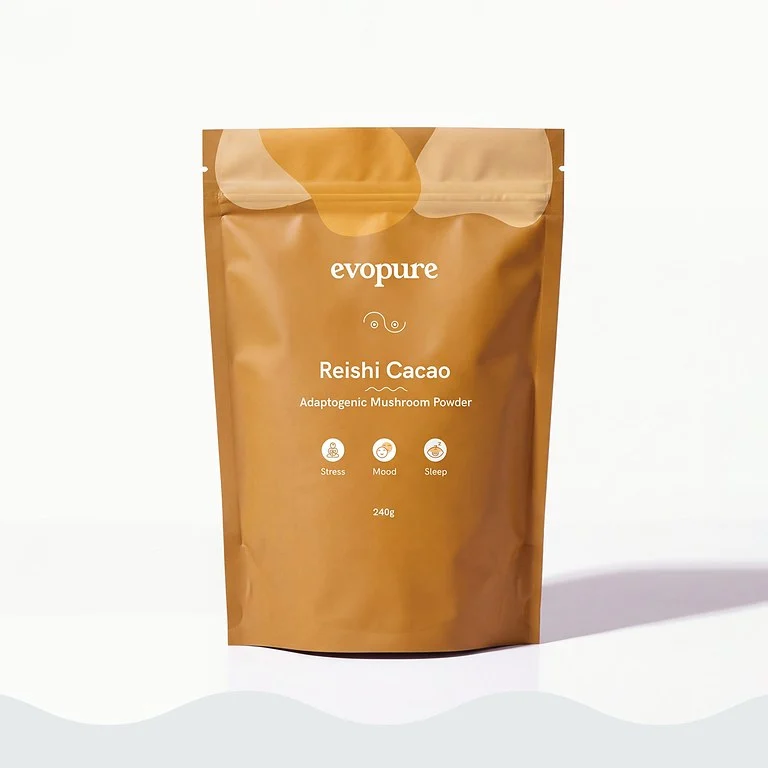
| Cacao or hot chocolate made with cacao | A comforting ritual with far less caffeine than coffee. See reishi cacao |
| Mushroom coffee | Usually half coffee, half mushroom extract. See functional mushrooms |
| A brisk walk | Free, caffeine-free and reliably energising |
How to cut down on caffeine
Stopping suddenly can cause withdrawal. A major review found symptoms such as headache, tiredness, low mood, poor concentration and irritability usually start 12 to 24 hours after the last dose, peak at 20 to 51 hours and last 2 to 9 days. Even 100mg a day, about one mug of coffee, can be enough to cause them. So:
- cut down by about one cup every few days
- swap one coffee for tea or decaf, then another
- drink plenty of water and keep active
- plan the first few days for a calmer week
How much caffeine is too much?
The NHS advises pregnant women to have no more than 200mg of caffeine a day. For other healthy adults, up to about 400mg a day is generally considered safe by European food safety experts. As a rough guide from the NHS, a cup of instant coffee has about 100mg (filter and coffee-shop coffee can contain more), a cup of tea about 75mg, a 250ml energy drink about 80mg and a can of cola about 40mg. Some supplements contain caffeine too, so it adds up. Cut down if you get palpitations, jitters, anxiety or poor sleep.
Related guides
- Reaching for cans instead? See energy drinks: are they bad for you?
- For a caffeine-free wake-up, try a cold shower finish.
- Coffee on an empty stomach.
- Ceremonial cacao vs coffee: caffeine and theobromine.
- How to stop feeling tired after eating.
- Caffeine withdrawal and waking up with a headache.
- Thinking of switching? See matcha benefits, side effects and matcha vs coffee.
- How too much coffee can make your eye twitch.
- Looking for a gentler lift? See 12 coffee alternatives for energy without the jitters.
- Switching to decaf coffee in the afternoon.
- Having coffee with food rather than instead of it helps: see breakfast for energy.
- Green tea benefits and caffeine content.
- If you want steadier energy without more caffeine, see which vitamins for energy have authorised claims.
FAQs
Why do I crash after coffee?
Caffeine masks tiredness by blocking adenosine. When it wears off, the built-up tiredness returns, especially if you’re short of sleep.
How do I avoid a caffeine crash?
Have coffee with food, spread smaller amounts through the morning, avoid sugary extras, stop about 6 hours before bed and fix your sleep.
What is the best alternative to coffee for energy?
Green tea or matcha give gentler energy with L-theanine. A brisk walk is the best caffeine-free option.
How long does caffeine withdrawal last?
Symptoms usually start 12 to 24 hours after stopping, peak within 2 days and last 2 to 9 days. Cutting down gradually helps.
How late can I drink coffee?
Aim to stop about 6 hours before bed. A study found caffeine taken 6 hours before bedtime still disrupted sleep.
Sources
- Drake C et al (2013). Caffeine effects on sleep taken 0, 3, or 6 hours before going to bed. Journal of Clinical Sleep Medicine.
- Juliano LM, Griffiths RR (2004). A critical review of caffeine withdrawal: empirical validation of symptoms and signs, incidence, severity, and associated features. Psychopharmacology.
- Cotter J, Kilpatrick HE (2026). Effects of L-theanine on cognition, mood and sleep: evidence from human trials. Frontiers in Nutrition.
- NHS. Foods to avoid in pregnancy (caffeine).
This guide is general information, not medical advice. Evopure makes the Reishi Mushroom Adaptogenic Complex and Flow CBD Oil.