










Last updated: October 2026
Imposter syndrome is the persistent feeling that you’re not as capable as others think, and that you’ll be “found out”, despite evidence you’re doing well. It’s very common, especially after a new job or promotion. Name the feeling, keep a record of your achievements, talk to people you trust, and challenge perfectionism.
Below: signs of imposter syndrome, the 5 common types, what causes it, 10 ways to overcome it, imposter syndrome at work, and when to get support.
Signs of imposter syndrome
- Putting success down to luck, timing or other people
- Fear of being “found out” as not good enough
- Downplaying praise or feeling uncomfortable with it
- Perfectionism, and over-preparing for everything
- Not applying for jobs or promotions unless you meet every requirement
- Comparing yourself with colleagues and always coming up short
- Overthinking mistakes long afterwards. See how to stop overthinking
The 5 types of imposter syndrome
Writer Valerie Young describes 5 common patterns:
| Type | Belief |
|---|---|
| The perfectionist | “If it’s not flawless, I’ve failed” |
| The expert | “I should know everything before I start” |
| The natural genius | “If I have to work hard at it, I must not be good” |
| The soloist | “Asking for help means I’m a fraud” |
| The superhero | “I must excel at every role: work, home, friends” |
The superhero pattern often goes hand in hand with carrying the mental load at home.
What causes imposter syndrome?
It’s very common. A review of 62 studies found rates ranging from 9% to 82%, depending on the group and how it was measured, and it was found in men and women alike. Common triggers include starting a new job or course, a promotion, being one of few people like you in a room, high-pressure workplaces, and growing up with high expectations or constant comparison.
10 ways to overcome imposter syndrome
- Name it. “This is imposter syndrome talking” puts some distance between you and the thought.
- Keep a “wins” file of praise, results and things you’ve learned. Read it on hard days.
- Separate feelings from facts. Feeling like a fraud isn’t evidence that you are one.
- Talk about it. You’ll often find colleagues feel the same.
- Swap perfect for good enough. Set a finish line before you start.
- Accept praise with a simple “thank you”.
- Ask for help early. It’s a skill, not a weakness.
- Find a mentor who can give honest, balanced feedback.
- Write it down. See journal prompts.
- Look after the basics: sleep, movement and breaks make self-doubt easier to manage. See how to relieve stress.
Imposter syndrome at work
- Before a big meeting: prepare 3 key points, then stop. A few slow breaths help. See box breathing.
- In a new role: remind yourself you were hired for your potential, not to know everything on day one.
- After a mistake: fix it, learn the lesson, and move on.
- For managers: share your own early-career doubts and give specific praise.
See also how to focus better and social anxiety.
Imposter syndrome, anxiety and burnout
The same review linked imposter feelings with anxiety, low mood and burnout, often through overworking to avoid being “found out”. If you’re working longer and longer hours, sleeping badly or feeling constantly on edge, see burnout symptoms, anxiety symptoms and stress symptoms.
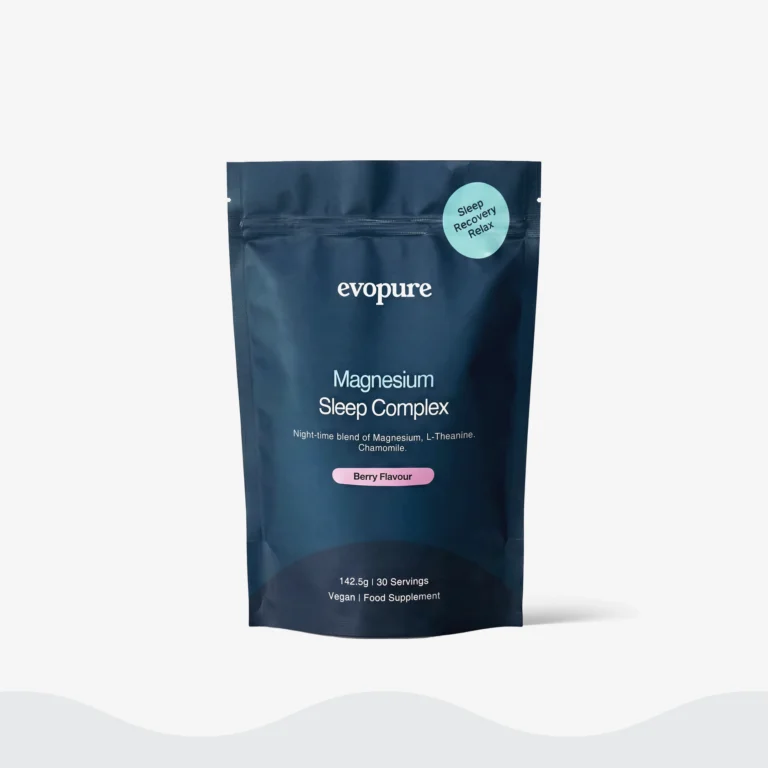
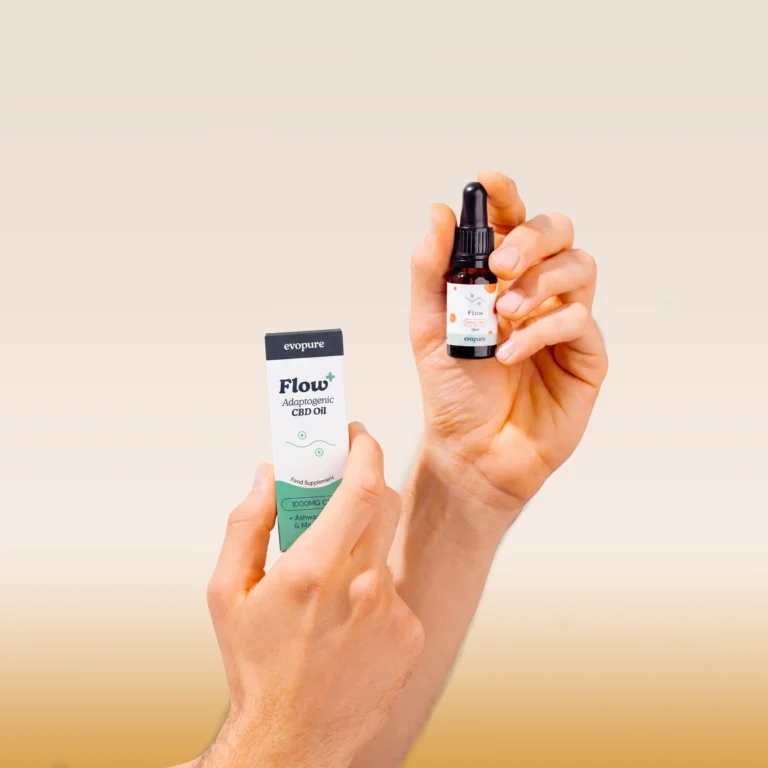
Many people build small calming rituals into busy days. Our Flow CBD Oil combines broad spectrum CBD with ashwagandha and maca for daytime routines, and our Magnesium Glycinate Sleep Complex is an evening drink. Magnesium contributes to normal psychological function. The FSA’s 10mg a day figure for CBD is precautionary advice rather than a legal limit, set while longer-term safety research continues. At Evopure we think it is a very cautious figure, and many adults use more. If you go above it, increase slowly, and check with your GP or pharmacist first if you take any medication.
When to get support
If self-doubt is affecting your sleep, work or mood, talk to your GP. CBT can help change the thinking patterns behind imposter feelings, and adults in England can refer themselves to NHS Talking Therapies. Many workplaces also offer an employee assistance programme.
FAQs
What is imposter syndrome?
The persistent feeling that you’re not as capable as others believe and will be “found out”, despite evidence of your success.
How common is imposter syndrome?
Very common. A review of 62 studies found rates from 9% to 82%, depending on the group studied.
How do I stop feeling like an imposter?
Name the feeling, keep a record of your wins, talk to people you trust, swap perfectionism for good enough, and ask for help early.
Is imposter syndrome a mental illness?
No, it isn’t a medical diagnosis, but it’s linked with anxiety, low mood and burnout. Speak to your GP if it’s affecting your life.
Do men get imposter syndrome?
Yes. Research finds it in men and women alike.
Sources
- Bravata DM et al (2020). Prevalence, predictors, and treatment of impostor syndrome: a systematic review. Journal of General Internal Medicine.
- NHS. Raising low self-esteem.
- NHS. Stress.
- NHS Every Mind Matters. Anxiety.
This guide is general information, not medical advice. Evopure makes Flow CBD Oil and the Magnesium Glycinate Sleep Complex. We don’t recommend our products during pregnancy or breastfeeding.