








Last updated: October 2026
In the UK, the NHS advises everyone to consider 10 micrograms (400 IU) of vitamin D a day in autumn and winter, because from October to early March the sun is too weak for your skin to make enough. Some people should take it all year. Adults should not take more than 100 micrograms (4,000 IU) a day.
This guide explains why winter matters for vitamin D, exactly how much to take, who needs it all year, micrograms vs IU, D3 vs D2, food sources, and the signs you may be low.
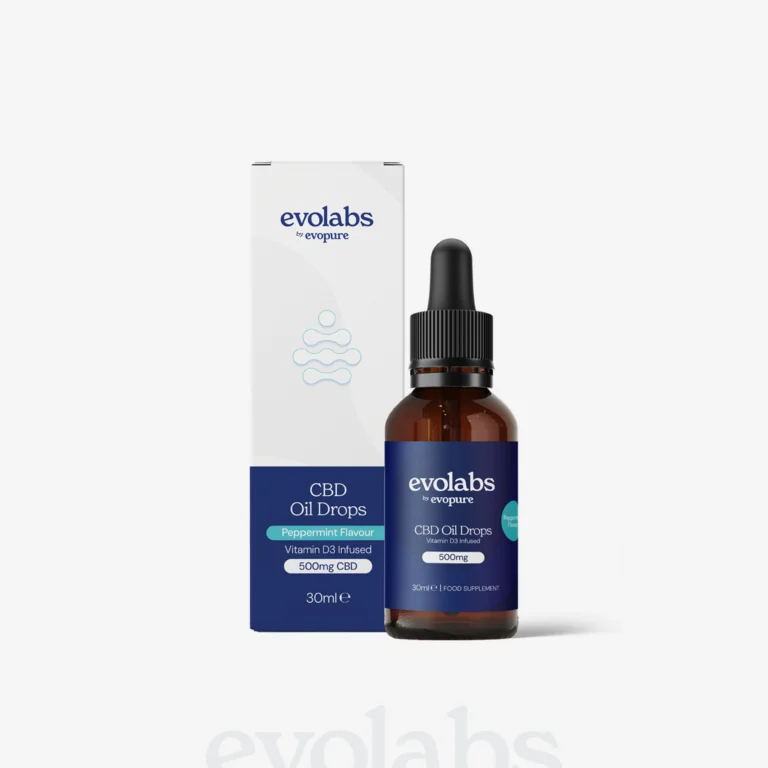
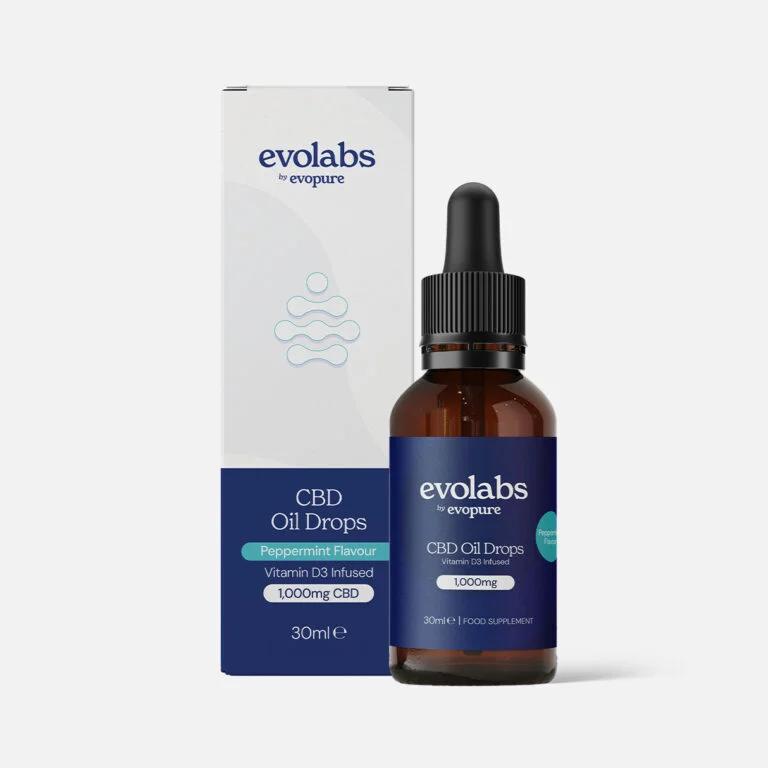
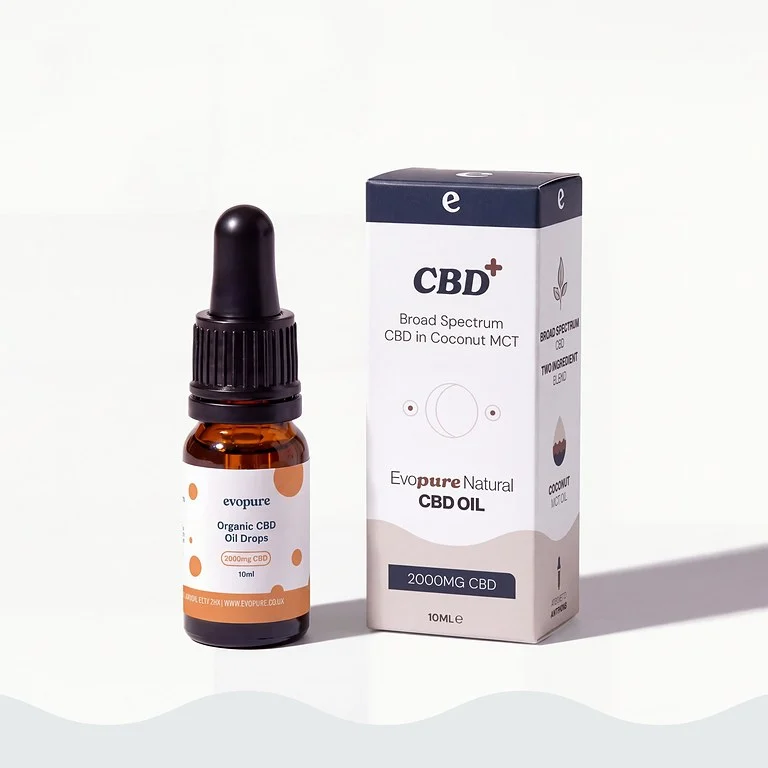
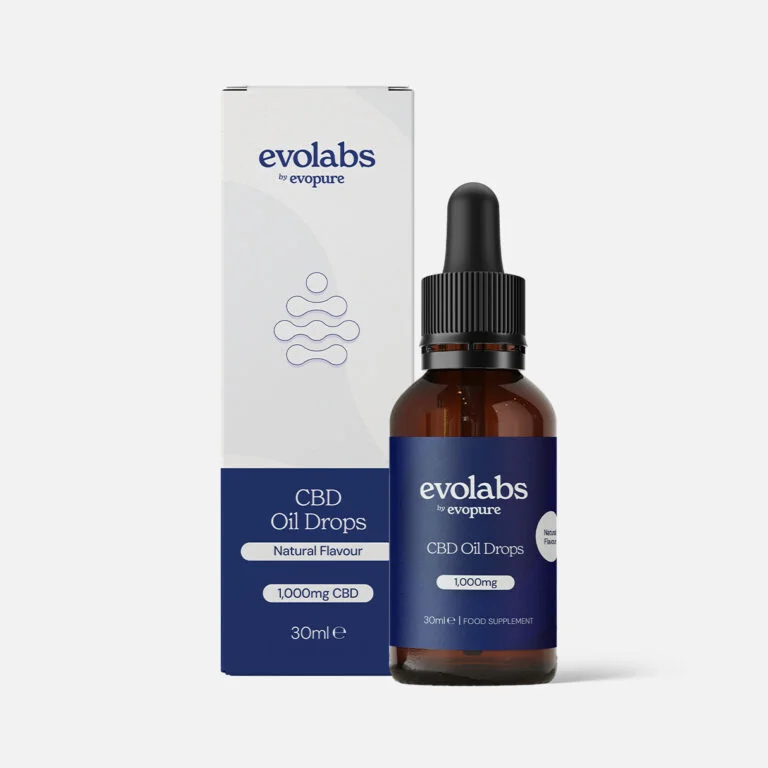
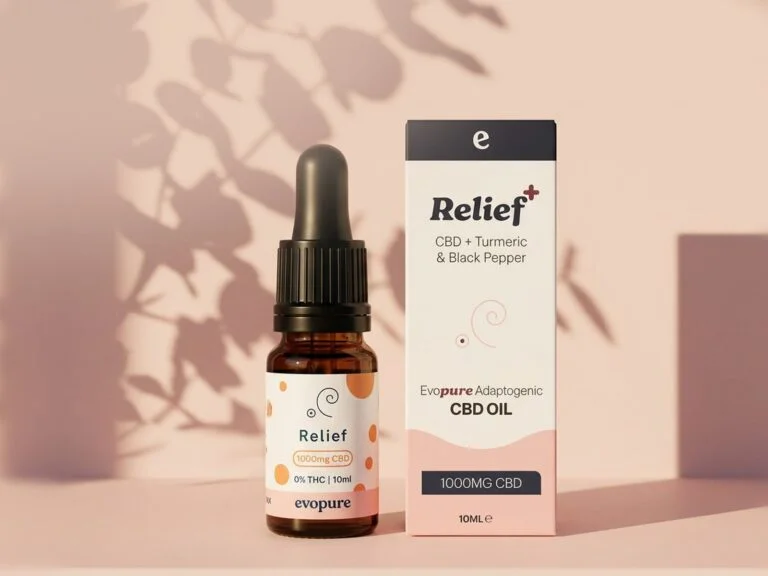
Our vitamin D option: Evolabs Mint CBD Oil with Vitamin D3 gives 5µg of vegan, algae-based vitamin D3 per half pipette (100% of the daily reference intake) alongside broad spectrum CBD. Vitamin D contributes to the normal function of the immune system and to the maintenance of normal bones and muscle function. Vegan, made in the UK and tested by ISO 17025 accredited labs.
Why vitamin D matters in winter
Your body makes most of its vitamin D from sunlight on your skin. The NHS says that from about late March or early April to the end of September, most people can make all the vitamin D they need this way. But between October and early March, we do not make enough from sunlight in the UK, and only a small number of foods contain it.
Vitamin D contributes to the maintenance of normal bones, teeth and muscle function, and to the normal function of the immune system. That is why the government advises a daily supplement through the darker months.
How much vitamin D should I take in the UK?
| Who | NHS daily amount | Do not exceed |
|---|---|---|
| Adults, including pregnant and breastfeeding women | 10 micrograms (400 IU) | 100 micrograms (4,000 IU) |
| Children aged 1 to 4 | 10 micrograms, all year | 50 micrograms (2,000 IU) for ages 1 to 10 |
| Babies up to 1 year | 8.5 to 10 micrograms (unless having more than 500ml of formula a day) | 25 micrograms (1,000 IU) |
For most adults, 10 micrograms a day from October to March is enough. Higher doses are only for people a doctor has advised, for example after a blood test shows a deficiency.
Who should take vitamin D all year?
The NHS advises a daily 10 microgram supplement throughout the year if you:
- are not often outdoors, for example if you are frail, housebound or live in a care home
- usually wear clothes that cover most of your skin when outside
- have dark skin, for example if you have an African, African-Caribbean or south Asian background
All children aged 1 to 4, and babies (unless they have more than 500ml of formula a day), should also have a daily supplement all year.
Micrograms vs IU explained
Labels show vitamin D in either micrograms (mcg or µg) or International Units (IU). The conversion is simple: 1 microgram = 40 IU.
- 10 micrograms = 400 IU (the NHS daily amount)
- 25 micrograms = 1,000 IU
- 100 micrograms = 4,000 IU (the upper limit for adults)
A microgram is a thousand times smaller than a milligram, so don’t confuse mcg with mg.
Vitamin D3 vs D2: which is better?
There are two main forms in supplements:
- Vitamin D3 (cholecalciferol): the form your skin makes. Usually from lanolin (sheep’s wool), but vegan D3 from lichen or algae is also available.
- Vitamin D2 (ergocalciferol): from plants and fungi, and always vegan.
A 2012 review led by researchers at the University of Surrey found that D3 generally raised vitamin D levels in the blood more effectively than D2, especially when given in larger, less frequent doses. With daily doses the difference was smaller. For most people, a daily D3 supplement is a sensible choice.
Food sources of vitamin D
Only a few foods contain vitamin D, which is why diet alone rarely covers winter needs. The NHS lists:
- oily fish, such as salmon, sardines, herring and mackerel
- red meat and liver
- egg yolks
- fortified foods, such as some fat spreads and breakfast cereals
Pregnant women should avoid liver and liver products because of their high vitamin A content.
Signs you may be low in vitamin D
Many people with low vitamin D have no obvious symptoms. Over time, a lack of vitamin D can lead to bone pain and muscle weakness, and in children it can cause rickets. Symptoms such as tiredness, low mood, hair loss or weight gain are searched for a lot, but they have many causes and are not reliable signs on their own.
If you are worried, speak to your GP, who can arrange a blood test if needed. Don’t start high-dose vitamin D without medical advice.
Feeling flat as the nights draw in is common. See our guide to the winter blues for practical ways to feel better.
Can you take too much vitamin D?
Yes, from supplements. The NHS warns that taking too much over a long period can cause too much calcium to build up in the body (hypercalcaemia), which can weaken bones and damage the kidneys and heart. You cannot get too much vitamin D from sunlight.
Add up every product that contains vitamin D, including multivitamins and fortified drinks, and stay at 100 micrograms (4,000 IU) a day or less unless a doctor advises otherwise. Some medical conditions mean you may not be able to take as much, so check with your GP if that applies to you.
How to take vitamin D
- Take it with a meal. Vitamin D is fat-soluble, so it is absorbed better with food that contains some fat.
- Any time of day works. Pick a time you will remember, such as breakfast.
- Start in October and carry on until March.
- Choose a format you will actually take: tablets, sprays, drops or an oil you already use.
- Pairing with magnesium is fine. Many people take both in winter. See magnesium and vitamin D together.
Our Mint CBD Oil with Vitamin D3 provides 5 micrograms (200 IU) of algae-based, vegan vitamin D3 per half pipette (100% of the nutrient reference value) alongside broad spectrum CBD. That is half the NHS 10 microgram figure, so check the label and your other sources to reach the amount you want. If you take another vitamin D product too, count both towards your daily total. Read why we added vitamin D3 to our mint oil.
Related guides
- Caught a cold anyway? See how to sleep with a cold.
- Blue Monday 2027 and the January blues.
- Vitamin D deficiency symptoms, tests and treatment.
- Building better habits this winter? Our Winter Arc plan puts vitamin D alongside sleep, training and daylight.
- The best time to take vitamin D, including morning vs night and taking it with food.
- Note that a SAD lamp won’t give you vitamin D, because light boxes are UV-free.
- For where vitamin D fits alongside omega-3, B12 and the rest, see supplements for men over 40 and 50.
- Do you need a multivitamin as well as vitamin D?
- Calcium and vitamin D: do you need a calcium supplement?
- If you like to have your winter supplements in before the dark months, read whether Black Friday is a good time to stock up.
- Flu jab side effects (UK).
- For a side-by-side table of the two forms, vegan options and whether to add K2, see vitamin D vs D3.
FAQs
How much vitamin D should I take a day in the UK?
The NHS advises adults to consider 10 micrograms (400 IU) a day in autumn and winter, and all year if they are at higher risk of low vitamin D. Do not take more than 100 micrograms (4,000 IU) a day unless a doctor advises it.
When should I start taking vitamin D in the UK?
From October, carrying on until March. Between October and early March the sun in the UK is not strong enough for your skin to make enough vitamin D.
Is vitamin D3 the same as vitamin D?
Vitamin D3 is one form of vitamin D, the same form your skin makes from sunlight. Most supplements use D3. The other form, D2, comes from plants and fungi.
How much is 10 micrograms of vitamin D in IU?
10 micrograms is 400 IU. One microgram of vitamin D equals 40 IU.
Can I get vitamin D from the sun in winter in the UK?
Not enough. Between October and early March the UK sun is too weak for your skin to make the vitamin D you need, which is why the NHS advises a supplement.
How much vitamin D is too much?
For adults, more than 100 micrograms (4,000 IU) a day from supplements could be harmful over time. Add up every product you take that contains vitamin D.
Should I take vitamin D with K2?
The NHS does not advise taking K2 with vitamin D. Most people only need the standard 10 micrograms of vitamin D in autumn and winter.
Sources
- NHS. Vitamin D.
- Tripkovic L et al (2012). Comparison of vitamin D2 and vitamin D3 supplementation in raising serum 25-hydroxyvitamin D status: a systematic review and meta-analysis. American Journal of Clinical Nutrition.
This guide is general information, not medical advice.