
Last updated: October 2026
Echinacea (purple coneflower) is a daisy-family plant sold in the UK as tablets, drops and teas for colds. The best reviews suggest it may slightly lower your chance of catching a cold, but it hasn’t been shown to shorten one. It isn’t suitable for children under 12 or anyone allergic to daisy-family plants.
Below: what echinacea is, what the research really shows, how it’s sold in the UK, how people take it, side effects, who should avoid it, and what actually helps when you have a cold.
The short version: echinacea is one of the best-studied herbal remedies, and the results are underwhelming. At most, it might trim your odds of catching a cold. Once you’ve got one, rest, fluids and simple pharmacy remedies are still your best bet.
What is echinacea?
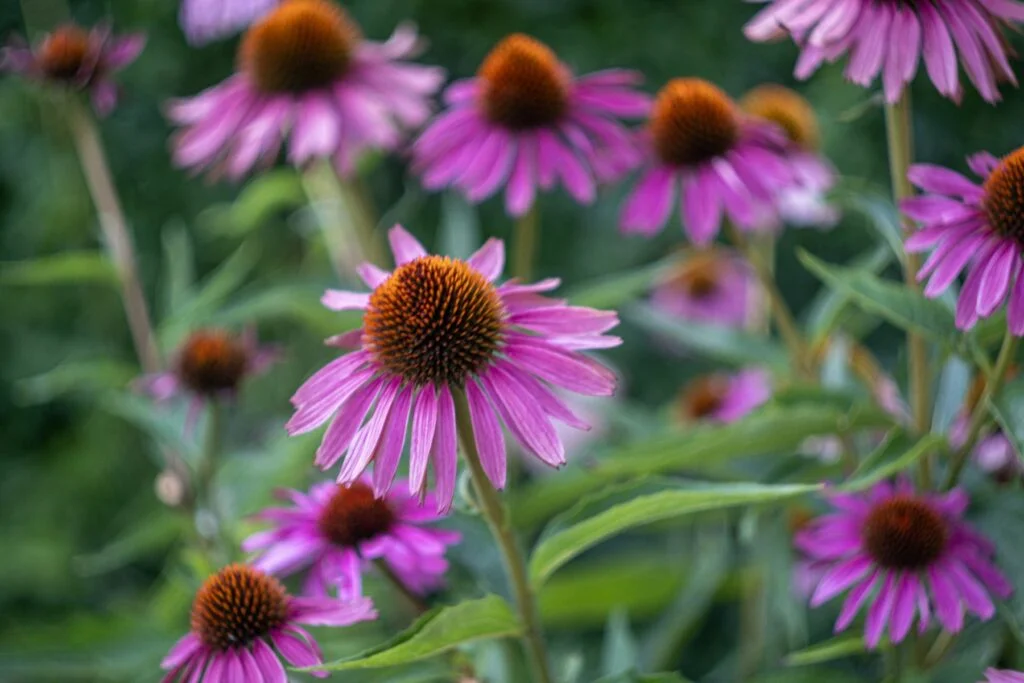
Echinacea is a group of flowering plants from North America, part of the daisy family (Asteraceae). The coneflowers in many UK gardens are the same plant. Three species are used in remedies:
- Echinacea purpurea (purple coneflower): the most widely used and studied. Products use the flowering tops, the root, or both.
- Echinacea angustifolia (narrow-leaved coneflower): mainly the root.
- Echinacea pallida (pale purple coneflower): mainly the root.
It’s sold as tablets, capsules, alcohol-based drops (tinctures), pressed juice and teas. The Cochrane review authors point out that products sold as “echinacea” differ a lot, because of the species, the plant part and the extraction method used. That’s one reason research results are so mixed: two echinacea products can be quite different things.
Does echinacea work for colds?
Probably not much. Here’s what the main reviews found.
- Cochrane review (2014). 24 double-blind trials with 4,631 people. None of the 12 prevention comparisons found a clear difference on its own, but pooled together they suggested a 10 to 20% lower relative risk of catching a cold. For treatment, only 1 of 7 trials found colds were shorter. The authors concluded echinacea hasn’t been shown to help treat colds, with at most a weak benefit for prevention of questionable clinical relevance.
- Meta-analysis (2019). Pooling placebo-controlled trials, it found about 22% fewer upper respiratory infections with echinacea, but no effect on how long they lasted. The authors said users “should not be confident” commercial products will shorten or prevent infections.
- A large US treatment trial (2010). In 719 people with a new cold, illness lasted 6.34 days with blinded echinacea and 6.87 days with placebo. The difference wasn’t statistically significant.
An earlier 2007 meta-analysis of 14 studies was far more positive, reporting 58% lower odds of a cold and colds 1.4 days shorter. The later, larger reviews found much smaller effects. The NHS sums it up: there’s little evidence that supplements such as vitamin C, echinacea or garlic prevent colds or help you get better faster. Our cold vs flu guide explains how to tell the two apart.
Echinacea evidence by use
| Use | What the research shows | Strength of evidence |
|---|---|---|
| Preventing colds | Pooled trials suggest a small drop in risk (roughly 10 to 22%). Individual trials are mostly not significant | Weak to moderate; benefit may be too small to notice |
| Shortening a cold | Most trials found no clear difference in how long colds last | Not shown |
| Easing cold symptoms | A 719-person trial found only a small, non-significant trend | Weak |
| Colds in children | A 2003 trial in 2 to 11 year olds found no benefit and more rashes. A 2025 review was more positive but flagged more side effects and possible bias | Mixed; not advised for under 12s in the UK |
| “Boosting immunity” in general | No authorised health claim in Great Britain. Human trials have focused on colds and other respiratory infections | Very weak |
| Small skin wounds (ointment) | Accepted in Europe as a traditional use, based on long use rather than trials | Traditional use only |
For a wider look at what does and doesn’t support your defences, see how to boost your immune system.
How echinacea is sold in the UK
Echinacea is sold in two main ways in the UK:
- As a registered traditional herbal medicine. These carry a THR number and can say they are used “to relieve the symptoms of the common cold and influenza type infections, based on traditional use only”. The MHRA’s list of registrations (October 2025) includes 19 that contain echinacea, mostly E. purpurea root or herb extracts for cold and flu symptoms.
- As a food supplement or tea. These are sold as foods, so they can’t claim to prevent or treat a cold. Echinacea has no authorised health claim on the Great Britain nutrition and health claims register.
What the THR logo means
THR stands for Traditional Herbal Registration, run by the MHRA (the UK medicines regulator). A registered product has a THR number on the pack and may show the THR certification mark. It means:
- The MHRA has checked its safety, quality and patient information.
- It has been used traditionally for its stated purpose for at least 30 years.
- It is only for minor conditions that don’t need a doctor, such as a cold.
It does not mean it has been proven to work. The MHRA says THR indications are based on traditional use rather than proven efficacy.
If you do buy echinacea, a THR product at least gives you a checked, consistent dose and a patient leaflet with safety warnings. Ask your pharmacist if you take any other medicines.
How to take echinacea and for how long
- Follow the leaflet. Doses differ hugely between juices, root extracts and tinctures, so they aren’t interchangeable.
- Start at the first signs of a cold if you’re using it as a treatment.
- Keep it short. The European herbal monograph for E. purpurea says not to use it for more than 10 days. See a doctor or pharmacist if symptoms last longer than that.
- Teas make a pleasant warm drink, but you can’t tell how much echinacea you’re getting. A warm chamomile tea or honey and lemon does the same soothing job.
Can you take echinacea every day? Some prevention trials have used it daily for months. A 755-person trial at Cardiff University’s Common Cold Centre gave it for 4 months and reported fewer cold episodes, and a 2016 safety review found no toxic effects in studies of up to 6 months. But registered UK products are labelled for short-term use, and the overall benefit for prevention is small, so we wouldn’t take it year-round.
Echinacea side effects
Most people tolerate echinacea well in the short term. In the Cochrane review, people taking it didn’t drop out because of side effects more often than those on placebo. Possible side effects include:
- Digestive upset: stomach pain and nausea are the most common.
- Allergic reactions: rash, hives, itching and facial swelling.
- Rare severe allergic reactions: asthma attacks, severe skin reactions and anaphylaxis have been reported, especially in people prone to allergies.
Stop taking it and get medical help straight away if you have swelling of the lips or tongue, wheezing or trouble breathing. You can report suspected side effects from herbal medicines to the MHRA’s Yellow Card scheme.
Who should avoid echinacea
- Anyone allergic to daisy-family plants, such as ragweed, chrysanthemums, marigolds or daisies.
- People with asthma, eczema or hay fever (atopic conditions) should check with their doctor first, because of the higher risk of severe allergic reactions. See dust mite allergy if you’re unsure whether you’re atopic.
- Autoimmune conditions such as lupus, rheumatoid arthritis or multiple sclerosis, and other progressive illnesses that affect the whole body. The European monograph doesn’t recommend it.
- People with a weakened immune system or on immunosuppressants, for example after a transplant. Echinacea isn’t recommended in immunosuppression, and an interaction with these medicines is possible.
- Children under 12. In 2012 the MHRA advised parents not to give oral echinacea products to under 12s because of the risk of allergic reactions. It said there’s no need to worry if you’ve given it in the past; ask a pharmacist or GP if you’re concerned.
- Pregnancy and breastfeeding. There isn’t enough safety data, so the European monograph doesn’t recommend it unless a doctor advises it. We don’t recommend our products during pregnancy or breastfeeding either.
- Anyone on regular medicines. Evidence on liver-processed medicines is conflicting, so check with your pharmacist first.
What actually helps a cold
Colds usually clear up on their own in 1 to 2 weeks. The NHS advises:
- Rest and get some early nights. See how to sleep with a cold.
- Drink plenty of fluids, such as water, to avoid dehydration.
- Eat healthy food.
- Soothe a sore throat with salt-water gargles (adults only) or hot lemon and honey. See sore throat remedies.
- Try steam for a blocked nose (not for children, because of the scalding risk).
- Ask a pharmacist about paracetamol or ibuprofen for aches and fever, and decongestants for a blocked nose (not for children under 6). If coughing keeps you up, see cough at night.
See a GP if you have a high temperature for more than 3 days, your symptoms don’t improve after 10 days, you’ve had a cough for more than 3 weeks, you’re struggling to breathe, or you have a long-term condition or a weakened immune system. Antibiotics don’t work on colds.
What about other popular cold remedies? Our honest guides cover vitamin C, zinc and probiotics, and winter wellness pulls the basics together.
Vitamin D: the winter supplement the NHS does advise
Unlike echinacea, vitamin D has an authorised UK health claim: vitamin D contributes to the normal function of the immune system. The NHS advises everyone to consider a daily supplement of 10 micrograms of vitamin D during autumn and winter, roughly October to March. Read vitamin D in winter and the best time to take vitamin D.
If you already use CBD oil, our Evolabs Mint CBD Oil with vitamin D3 combines broad spectrum CBD with 5 micrograms of vegan, algae-based vitamin D3 per half pipette. The CBD itself has no authorised health claims: CBD isn’t a treatment for colds, and we make no claim that this oil prevents or treats colds or flu. Vegan, UK-made, adults only.
The FSA’s 10mg a day figure is precautionary advice rather than a legal limit, set while longer-term safety research continues. At Evopure we think it is a very cautious figure, and many adults use more. If you go above it, increase slowly, and check with your GP or pharmacist first if you take any medication.
Related guides
- Elderberry is the other herbal cold remedy people ask about: see our guide to elderberry for colds and flu.
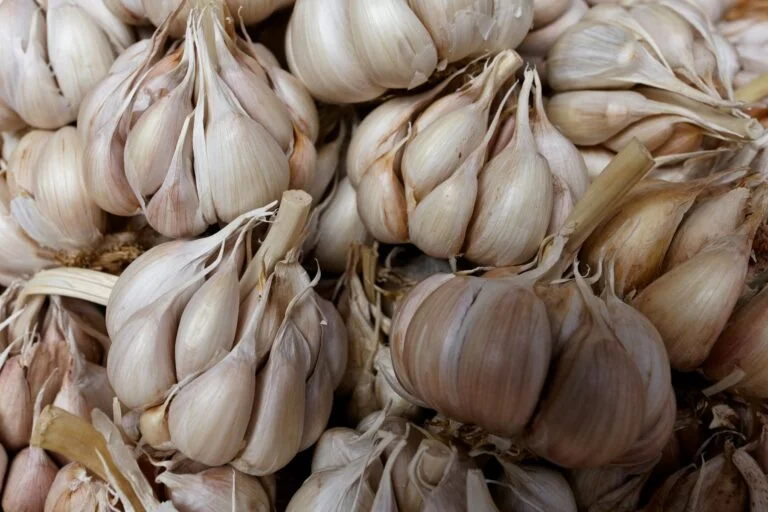
- See also our guide to garlic benefits and side effects.
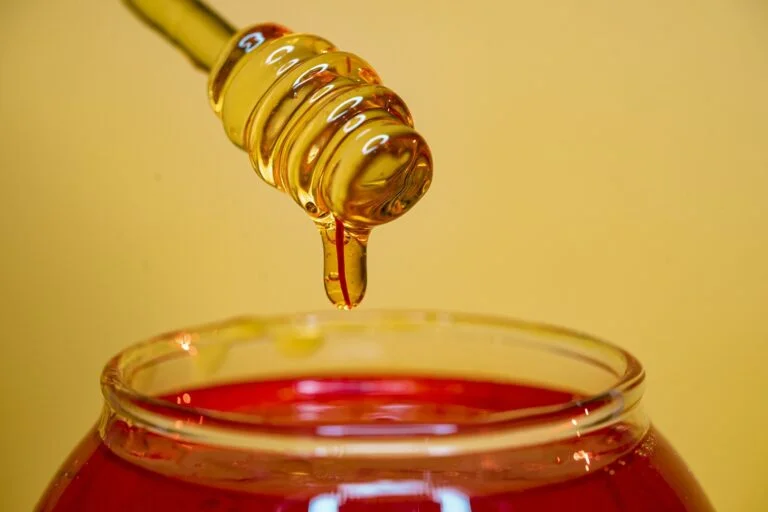
- Is manuka honey worth it?
FAQs
Does echinacea really work for colds?
Not much. The best reviews suggest it may slightly lower your chance of catching a cold, but it hasn’t been shown to shorten a cold or ease symptoms. The NHS says there’s little evidence it helps.
Can I take echinacea every day?
Some trials used it daily for up to a few months without safety problems, but UK registered products are labelled for short-term use. The European monograph says not to use it for more than 10 days at a time.
What are the side effects of echinacea?
Usually mild: stomach pain, nausea and skin rashes. Allergic reactions can occasionally be severe, especially in people with asthma, eczema or hay fever.
Who should not take echinacea?
Children under 12, people allergic to daisy-family plants, people with autoimmune conditions or a weakened immune system, anyone on immunosuppressants, and pregnant or breastfeeding women unless a doctor advises it.
Can children take echinacea?
The MHRA advises not giving oral echinacea to children under 12 because of the risk of allergic reactions. Ask a pharmacist about cold remedies suitable for your child’s age.
What does THR mean on echinacea?
Traditional Herbal Registration. The MHRA has checked the product’s safety, quality and leaflet, and it has a long history of use. It doesn’t mean it has been proven to work.
Sources
- Karsch-Völk M et al (2014). Echinacea for preventing and treating the common cold. Cochrane Database of Systematic Reviews.
- David S, Cunningham R (2019). Echinacea for the prevention and treatment of upper respiratory tract infections: a systematic review and meta-analysis. Complementary Therapies in Medicine.
- Barrett B et al (2010). Echinacea for treating the common cold: a randomized trial. Annals of Internal Medicine.
- Shah SA et al (2007). Evaluation of echinacea for the prevention and treatment of the common cold: a meta-analysis. Lancet Infectious Diseases.
- Taylor JA et al (2003). Efficacy and safety of echinacea in treating upper respiratory tract infections in children. JAMA.
- Pham TP et al (2025). Efficacy and safety of Echinacea purpurea in treating upper respiratory infections and otitis media in children. Clinical Nutrition ESPEN.
- Jawad M et al (2012). Safety and efficacy profile of Echinacea purpurea to prevent common cold episodes. Evidence-Based Complementary and Alternative Medicine.
- Ardjomand-Woelkart K, Bauer R (2016). Review and assessment of medicinal safety data of orally used echinacea preparations. Planta Medica.
- European Medicines Agency (HMPC). Echinaceae purpureae herba (purple coneflower herb) and EU herbal monograph.
- MHRA. Herbal medicines granted a traditional herbal registration (THR) and Apply for a traditional herbal registration.
- MHRA Drug Safety Update. Herbal medicines: new help available when advising patients about safe use.
- MHRA Drug Safety Update. Herbal products: safety update (Yellow Card reporting).
- NutraIngredients (2012). UK warns under-12s off echinacea over allergy concerns (report of MHRA advice).
- NHS. Common cold and Vitamin D.
- NCCIH. Echinacea.
This guide is general information, not medical advice. Evopure doesn’t sell echinacea. Evopure makes the Evolabs Mint CBD Oil with vitamin D3.