Last updated: 16 November 2026
The best supplements for energy are the ones that fix a shortfall. Iron and vitamin B12 matter most if a blood test shows you’re low. Magnesium, vitamin C and several B vitamins have authorised claims for tiredness. Evopure’s Magnesium Glycinate Sleep Complex gives 290mg magnesium (77% NRV) per 4.75g serving, and magnesium contributes to a reduction of tiredness and fatigue. CoQ10 has moderate evidence, while rhodiola and ginseng are mixed. Sleep, food and movement still matter more.
Below: the ranking, who should test first, the vitamins with official tiredness claims, and picks for women, men and over 50s.

Where we fit
Magnesium Glycinate Sleep Complex is a berry drink powder with magnesium bisglycinate and citrate (290mg of magnesium, 77% NRV, per 4.75g serving), taken in the evening. Magnesium contributes to a reduction of tiredness and fatigue. Prefer a warm drink? Our Reishi Mushroom Adaptogenic Complex is reishi mushroom with cocoa and maca (it contains a little natural caffeine from the cacao). Vegan and made in the UK.
Add Magnesium Glycinate Sleep Complex to bag See ingredients and reviews
Subscribe and save 25% on your first order, then 20%. Free UK delivery over £40, 14-day returns on unopened items. New to Evopure? Join our emails for 20% off a one-off first order.
Best supplements for energy, ranked by evidence
Energy supplements at a glance: nine nutrients have an authorised GB claim for tiredness and fatigue (iron, B2, B3, B5, B6, B12, folate, vitamin C and magnesium).
| Supplement | Best for | Evidence | GB tiredness claim? |
|---|---|---|---|
| 1. Iron | People with low iron | Good when levels are low. In a BMJ trial of 144 women with unexplained tiredness but no anaemia, fatigue fell by 29% with iron versus 13% with placebo, only in those with low or borderline iron stores. Take only after a blood test | Yes |
| 2. Vitamin B12 | Vegans, older adults, people on metformin or acid-reducing medicines | Good when deficient. Vitamin B12 contributes to the reduction of tiredness and fatigue | Yes |
| 3. Magnesium | Low intake, stress, poor sleep | Magnesium contributes to a reduction of tiredness and fatigue and to normal energy-yielding metabolism. See magnesium for energy | Yes |
| 4. Vitamin C, folate and B2, B3, B5, B6 | Diets short on fruit, veg or wholegrains | Each has an authorised tiredness claim (see the vitamins table). Extra won’t help if you already get enough | Yes |
| 5. Caffeine plus L-theanine | Short-term focus without jitters | A 2026 review found L-theanine gives small improvements in attention, especially with caffeine. See L-theanine benefits | No |
| 6. Coenzyme Q10 | Fatigue, often in people with health conditions | Moderate: a 2022 meta-analysis of 13 trials (1,126 people) found less fatigue than with placebo | No |
| 7. Vitamin D | Everyone in the UK in winter | No tiredness claim and doesn’t boost energy directly, but low levels are common October to March. See vitamin D in winter | No |
| 8. Creatine | Strength or high-intensity training | Good for muscle and performance with training; not an everyday pick-me-up. See creatine for women | No |
| 9. Rhodiola | Mental fatigue under stress | Mixed: 3 of 5 trials positive for mental fatigue, but all had flaws | No |
| 10. Ginseng | Fatigue | Weak: a 2023 meta-analysis of 19 trials found no significant overall reduction in fatigue, with small effects in some subgroups | No |
| 11. Maca, cordyceps | Energy, stamina | Limited. See maca root and cordyceps | No |
| 12. Ashwagandha | Stress, sleep | Studied for stress, not energy. See side effects | No |
Check for a deficiency first
If you’ve been tired for a few weeks and don’t know why, the NHS advises seeing your GP rather than self-diagnosing. A blood test can check for iron deficiency anaemia, low B12 or folate, thyroid problems and diabetes, all common causes of tiredness that need proper treatment. See why am I always tired?
- Iron: most likely to be low with heavy periods, pregnancy or a meat-free diet. Don’t take iron unless a test shows you need it, as too much is harmful. See iron deficiency symptoms.
- Vitamin B12: extreme tiredness and a lack of energy are classic signs. Vegans without fortified foods, older adults and people taking metformin or acid-reducing medicines are more at risk. See vitamin B12 deficiency symptoms.
- Vitamin D: Between October and early March we don’t make enough from sunlight, so the NHS advises everyone to consider 10 micrograms a day.
Extreme tiredness lasting 3 months or more is worth asking about specifically; see chronic fatigue syndrome (ME/CFS).
Where Evopure fits
If your bloods are fine and you want a simple routine, these are the products we make:
- Magnesium Glycinate Sleep Complex: our magnesium choice for tiredness. It’s a berry drink powder you take in the evening, with magnesium bisglycinate and citrate (290mg of magnesium per serving), glycine, L-theanine, oat straw, hops, chamomile and passionflower. Magnesium contributes to a reduction of tiredness and fatigue. Why glycinate? See magnesium glycinate explained.
- Reishi Mushroom Adaptogenic Complex: a hot chocolate style drink with cocoa, reishi mushroom, maca, cinnamon and coconut sugar. It contains a little natural caffeine from the cacao.
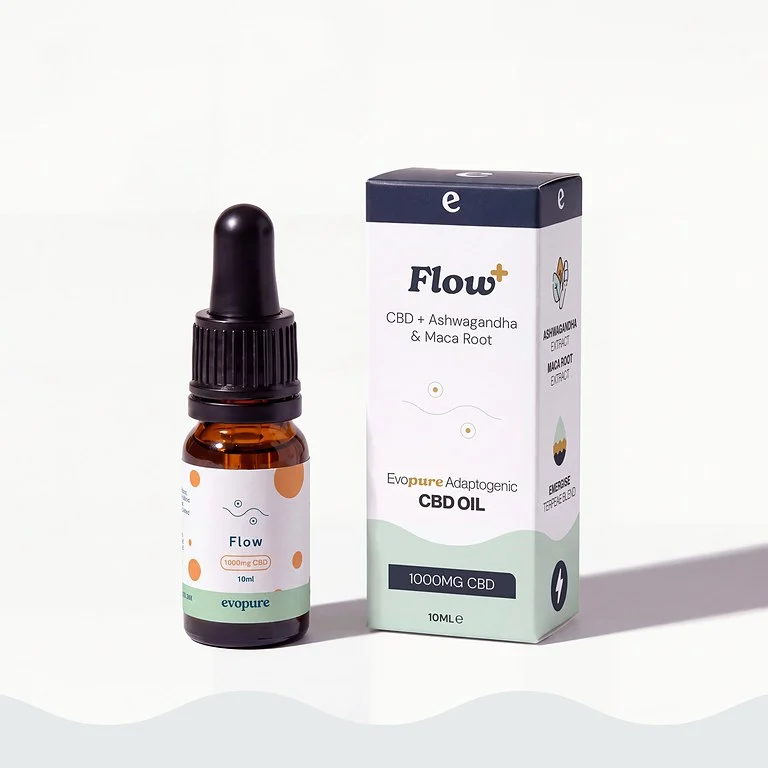
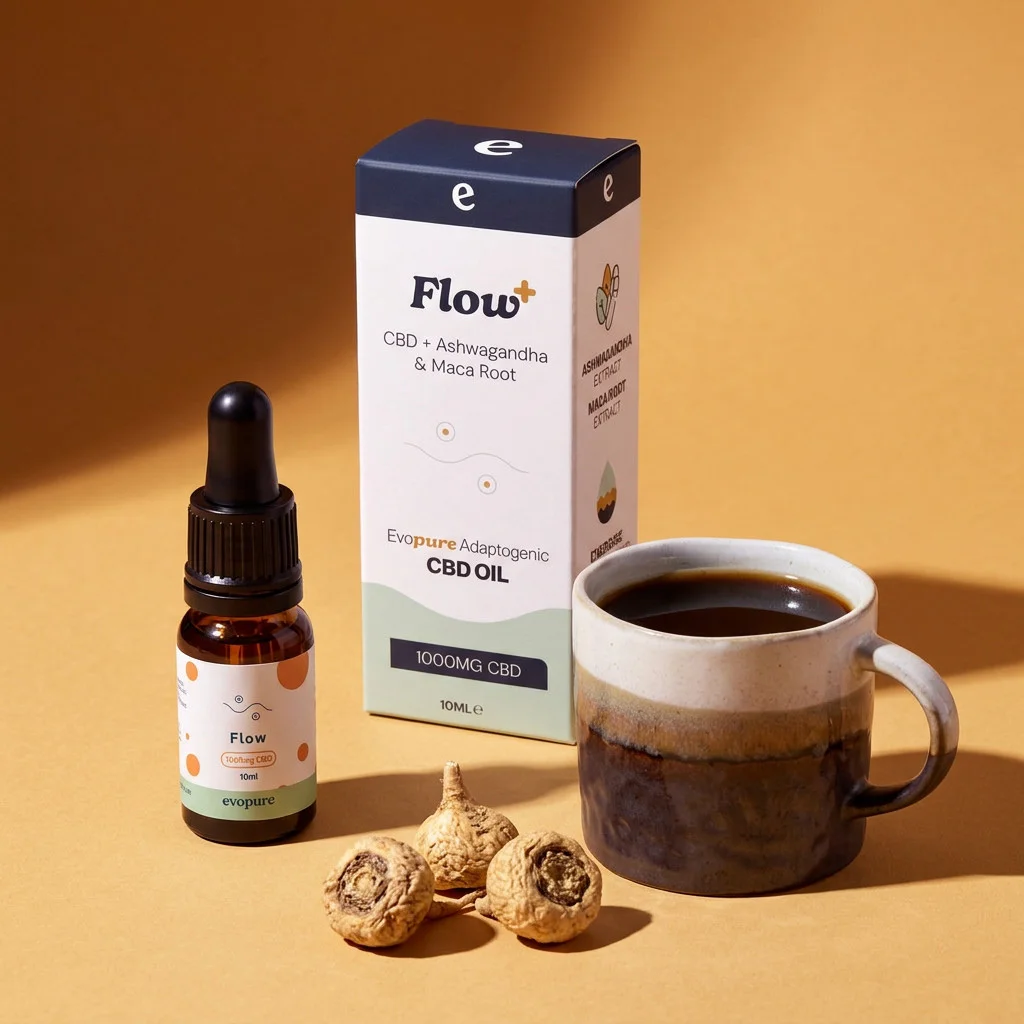
- Flow CBD Oil: broad spectrum CBD with 35mg ashwagandha root extract and 35mg maca root extract per half pipette (no energy claim for any of them).
The FSA’s 10mg a day figure is precautionary advice rather than a legal limit, set while longer-term safety research continues. At Evopure we think it is a very cautious figure, and many adults use more. If you go above it, increase slowly, and check with your GP or pharmacist first if you take any medication.
iOur products are for adults (18+) only. We don’t recommend our products during pregnancy or breastfeeding. If you take any medication, check with your GP or pharmacist first.
Vitamins for energy and tiredness
In the UK only some nutrients are allowed to say they help with tiredness. These have an authorised claim that they contribute to the reduction of tiredness and fatigue (for magnesium the wording is “a reduction”):
| Nutrient | Good food sources |
|---|---|
| Iron | Red meat, beans, lentils, fortified cereals, dark green vegetables. See who needs iron tablets |
| Vitamin B12 | Meat, fish, eggs, dairy, fortified plant milks. See B12 tablets and sprays |
| Folate (B9) | Leafy greens, chickpeas, fortified foods |
| Vitamins B2, B3, B5 and B6 | Wholegrains, meat, eggs, dairy, nuts |
| Vitamin C | Citrus fruit, peppers, berries, broccoli |
| Magnesium | Nuts, seeds, wholegrains, leafy greens. See foods high in magnesium |
A B-complex or multivitamin covers several at once, but extra won’t add energy if you already get enough. Vitamin D isn’t on this list. See magnesium and vitamin D. Comparing magnesium products? Our best magnesium supplement UK guide ranks the forms.
Do energy supplements really work?
Mostly when you’re low in something. Putting right low iron or vitamin B12 can make a real difference, as the iron trial shows. If your levels are already fine, more is unlikely to add energy, which is why what “really works” for one person does nothing for the next.
Caffeine is the exception that works for almost everyone in the short term: low to moderate doses improve alertness, attention and reaction time. But it blocks adenosine receptors in the brain, so it hides tiredness rather than fixing the cause, and taken late it costs you sleep. In one study, 400mg of caffeine taken 6 hours before bed still significantly disrupted sleep. See how long caffeine lasts, the coffee crash and energy drinks.
Which supplements have evidence for tiredness and fatigue?
The best evidence for tiredness and fatigue is for iron and vitamin B12 when a blood test shows you’re low. In a BMJ trial of 144 tired women without anaemia, fatigue fell 29% with iron against 13% with placebo. CoQ10 has moderate evidence; natural options such as rhodiola, ginseng and ashwagandha are weak or mixed.
Energy supplements without caffeine
Iron, B12, the other B vitamins, vitamin C and magnesium are all caffeine-free, and so are creatine (useful for strength or high-intensity training; see creatine) and herbs such as rhodiola, ginseng and ashwagandha. Our Reishi Mushroom Adaptogenic Complex contains a little natural caffeine from the cacao, so it isn’t a caffeine-free option. If you’re cutting back, see coffee alternatives.
Supplements for energy and focus
For focus, the best-supported options are moderate caffeine, ideally with L-theanine, plus enough sleep. Magnesium contributes to normal psychological function. “Nootropic” stacks usually run well ahead of the evidence; see nootropics UK, how to focus better, brain fog and magnesium for focus.
Herbs, adaptogens and mushrooms for energy
Adaptogens are herbs and mushrooms traditionally used to help the body cope with stress. None has an authorised health claim, and the research is mostly small and mixed:
Moringa is often sold as an energy powder, but it has no authorised claim and only small trials: see moringa: benefits, nutrients and side effects.
- Rhodiola: traditionally used for mental fatigue; the trials contradict each other. See adaptogens for energy and ashwagandha vs rhodiola.
- Ashwagandha: mostly studied for stress and sleep rather than energy, and the FSA is reviewing its safety. See what ashwagandha does, KSM-66 ashwagandha and ashwagandha side effects.
- Maca: a Peruvian root traditionally used for energy; human evidence is limited.
- Cordyceps: a few small studies on exercise tolerance. See adaptogenic mushrooms.
Energy supplements for women, men and over 50s
Best energy supplements for women
The best energy supplements for women are iron (only after a blood test) and folate while periods are heavy, plus vitamin D in winter. The NHS says women aged 19 to 49 need 14.8mg of iron a day, and 400 micrograms of folic acid from trying for a baby until 12 weeks of pregnancy.
In pregnancy, avoid vitamin A (retinol) supplements and ask your midwife first. Periods, pregnancy and a vegetarian diet make low iron more likely, so ask for a ferritin check if you’re tired. Women need 270mg of magnesium a day. In your 40s and 50s, broken sleep in perimenopause is a big energy drain, and low iron becomes less likely after periods stop. See magnesium for women, perimenopause and sleep, magnesium for menopause, best supplements for menopause and hormonal imbalance symptoms.
Men
Men rarely need iron, so avoid iron tablets without a blood test. Men need 300mg of magnesium a day. If you train hard, creatine has the best evidence for strength. Tiredness with low mood, a low sex drive or erection problems is worth raising with your GP. See stress in men and magnesium for active people.
Energy supplements for working professionals
For working professionals, the best energy boost is enough sleep (the NHS suggests 6 to 9 hours), then well-timed caffeine. EFSA says up to 400mg a day is safe for most adults, but stop by early afternoon: 400mg taken 6 hours before bed still disrupted sleep in a trial. Add B12 if you’re vegan and magnesium if your diet is low.
Over 50 and older adults
- Vitamin B12: low levels get more common with age (about 1 in 10 people aged 75 or over). Ask your GP about a blood test.
- Vitamin D: the NHS advises 10 micrograms a day all year if you’re not often outdoors or live in a care home.
- Medicines: tiredness is a side effect of many medicines, so ask your pharmacist to review them.
What works better than supplements
| Habit | Why |
|---|---|
| Regular exercise | A meta-analysis found regular exercise increased feelings of energy and reduced fatigue |
| Consistent sleep | The biggest single driver of daytime energy; the NHS suggests 6 to 9 hours. See sleep hygiene |
| Regular meals | Steady blood sugar avoids peaks and crashes |
| Morning daylight | Sets your body clock for daytime alertness, which matters most in the dark months. See why you’re so tired in winter |
| Less alcohol | Even moderate drinking disrupts sleep |
| A short nap | 10 to 20 minutes early in the afternoon. See power nap |
Safety
- Count all your supplements so you don’t double up, especially on iron and vitamin D.
- The NHS says 400mg a day or less of magnesium from supplements is unlikely to cause harm. See magnesium side effects.
- Check with your GP or pharmacist if you take medicines; some herbs and minerals interact.
- The FSA advises healthy adults to take no more than 10mg of CBD a day (see our note above).
- We don’t recommend our products during pregnancy or breastfeeding, and they’re for adults only.
Related guides
- Adrenal fatigue supplements.
- Why you feel tired after eating.
- Rhodiola rosea trials for fatigue.
- Is shilajit worth taking for energy?
- Vitamin B6 and why more isn’t better.
- Supplements for women over 40.
- Are multivitamins worth it for tiredness?
- What ginseng trials show for fatigue.
- Beetroot juice benefits and side effects.
- Spirulina and the evidence for energy.
- Do B vitamins give you energy?
- Best supplements for focus.
- Magnesium for sleep.
- For tiredness linked to your cycle, read period fatigue: causes, what helps and when to see a GP.
- If your tiredness mostly hits after lunch, start with our guide to beating the afternoon slump.
- If tiredness has crept in alongside changing periods, read perimenopause tiredness and other symptoms before reaching for a supplement.
- Men in their 50s and 60s can check NHS daily amounts for B12, vitamin D and magnesium in our guide to vitamins for men over 50.
- Tired since starting semaglutide? Check does Wegovy make you tired? before reaching for a supplement.
- CoQ10 (coenzyme Q10): 100mg vs 200mg, ubiquinol vs ubiquinone, and what the fatigue trials show.
- NAD supplements: NMN vs NR, what human trials show and UK legal status.
- L-carnitine: does it boost energy?.
Next step
Magnesium Glycinate Sleep Complex
Bloods fine? Evopure’s Magnesium Glycinate Sleep Complex gives 290mg of magnesium (77% NRV) per 4.75g evening drink. Magnesium contributes to a reduction of tiredness and fatigue.
Add Magnesium Glycinate Sleep Complex to bag See ingredients and reviews
Subscribe and save 25% on your first order, then 20%. Free UK delivery over £40. New to Evopure? Join our emails for 20% off a one-off first order. Adults only. If you take any regular medicines, check with your GP or pharmacist first. We don’t recommend our products during pregnancy or breastfeeding.
Subscribe £22.49One-off £29.99
View productSources 18
- Verdon F et al (2003). Iron supplementation for unexplained fatigue in non-anaemic women: double blind randomised placebo controlled trial. BMJ.
- Cotter J, Kilpatrick HE (2026). Effects of L-theanine on cognition, mood and sleep: evidence from human trials. Frontiers in Nutrition.
- Tsai IC et al (2022). Effectiveness of coenzyme Q10 supplementation for reducing fatigue: a systematic review and meta-analysis. Frontiers in Pharmacology.
- Ishaque S et al (2012). Rhodiola rosea for physical and mental fatigue: a systematic review. BMC Complementary and Alternative Medicine.
- Li X et al (2023). Ginseng and ginseng herbal formulas for symptomatic management of fatigue: a systematic review and meta-analysis. Journal of Integrative and Complementary Medicine.
- McLellan TM, Caldwell JA, Lieberman HR (2016). A review of caffeine’s effects on cognitive, physical and occupational performance. Neuroscience and Biobehavioral Reviews.
- Drake C et al (2013). Caffeine effects on sleep taken 0, 3, or 6 hours before going to bed. Journal of Clinical Sleep Medicine.
- Kreider RB et al (2017). International Society of Sports Nutrition position stand: safety and efficacy of creatine supplementation in exercise, sport, and medicine. Journal of the International Society of Sports Nutrition.
- Puetz TW et al (2006). Effects of chronic exercise on feelings of energy and fatigue: a quantitative synthesis. Psychological Bulletin.
- NHS. Tiredness and fatigue.
- NHS. Iron.
- NHS. Pregnancy vitamins and supplements.
- EFSA. Caffeine.
- NHS. Vitamin B12 or folate deficiency anaemia.
- NHS. Vitamin D.
- NHS. Vitamins and minerals: others (magnesium).
- Department of Health and Social Care. Great Britain nutrition and health claims register.
- Food Standards Agency. Cannabidiol (CBD) guidance.
This guide is general information, not medical advice. Evopure makes the Magnesium Glycinate Sleep Complex, Flow CBD Oil and Reishi Mushroom Adaptogenic Complex.