














Last updated: October 2026
Burnout is exhaustion caused by long-term work stress that hasn’t been managed. The World Health Organization describes three signs: feeling drained, becoming cynical or detached from your job, and getting less done. Recovery is possible but usually takes months. It means reducing the stress at its source, not just resting, plus sleep, support and help from your GP or employer.
Below: the symptoms of burnout, how it differs from stress and depression, the stages people describe, a realistic recovery plan, how to prevent burnout, autistic and ADHD burnout, and when to get help.
What is burnout?
The World Health Organization’s disease classification (ICD-11) describes burnout as a syndrome resulting from chronic workplace stress that has not been successfully managed. It sits in ICD-11 under code QD85, in the chapter on factors influencing health status, and the WHO says it is not classified as a medical condition but as an “occupational phenomenon”. It refers specifically to work. People also use the word for caring, parenting or study, and the experience can feel very similar.
It’s common. The Health and Safety Executive estimates that 964,000 workers in Great Britain had work-related stress, depression or anxiety in 2024/25, with 22.1 million working days lost.
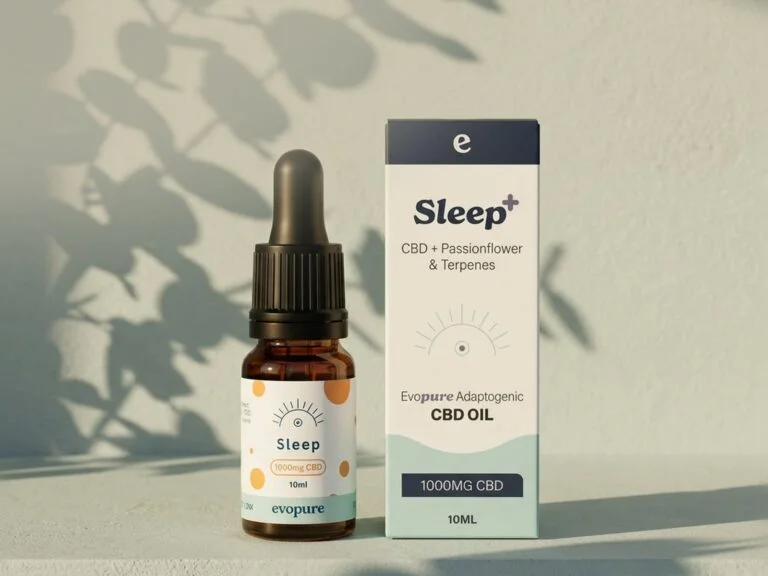
The FSA’s 10mg a day figure for CBD is precautionary advice rather than a legal limit, set while longer-term safety research continues. At Evopure we think it is a very cautious figure, and many adults use more. If you go above it, increase slowly, and check with your GP or pharmacist first if you take any medication.
Burnout symptoms
| WHO sign | What it can feel like |
|---|---|
| 1. Exhaustion | Tired all the time, even after a weekend or holiday; dreading Monday; getting ill more often |
| 2. Mental distance and cynicism | Feeling detached, numb or negative about work; irritability with colleagues or customers |
| 3. Reduced effectiveness | Struggling to concentrate, making mistakes, feeling you’re achieving nothing |
Other common signs include poor sleep, headaches, brain fog, relying more on caffeine or alcohol, and pulling away from friends. See brain fog, anxiety at night and why am I always tired?
Burnout vs stress vs depression
| Stress | Burnout | Depression | |
|---|---|---|---|
| Feels like | Too much: urgency, pressure, overdrive | Not enough: empty, drained, detached | Persistent low mood and loss of interest in most things |
| Linked to | Any pressure | Work (or another long-term role) | Life generally, not just work |
| Improves with a break? | Usually | Briefly, then returns | Often not |
| Needs | Better stress management | Changes at work, rest and support | A GP; it’s a treatable medical condition |
They often overlap. If low mood spreads beyond work or lasts more than 2 weeks, talk to your GP.
The stages of burnout
You’ll often see burnout described in stages. These models come from psychology writing rather than the WHO definition, but many people recognise themselves in them:
- Enthusiasm: high energy, taking on lots, working long hours.
- Mounting stress: some days feel harder; sleep and exercise start to slip.
- Chronic stress: constant tiredness, irritability, more caffeine or alcohol, withdrawing from people.
- Burnout: exhaustion, cynicism, feeling you can’t cope; physical symptoms.
- Habitual burnout: it becomes your normal, with a real risk to mental and physical health.
These describe how burnout builds up. The stages of getting better look different, and are covered in burnout recovery stages below. The earlier you act, the easier recovery tends to be.
What causes burnout?
- a workload that’s too high for too long
- little control over how or when you work
- lack of support or recognition
- unclear expectations or constant change
- poor relationships or conflict at work
- work that clashes with your values
- no recovery time: always on, emails at night, skipped holidays
How to recover from burnout
There’s no quick fix, and a week off on its own rarely does it, because the pressure is usually still waiting when you go back. Recovery works best as a plan: take some load off, look after the basics, and change what caused it. These are the steps that matter most.
| Step | What it looks like |
|---|---|
| 1. Name it | Admit to yourself, and someone you trust, that you’re burnt out |
| 2. Reduce the load | Talk to your manager about workload, deadlines and priorities. Rest alone won’t fix it if nothing changes |
| 3. Protect sleep | A fixed wake time and a proper wind-down. See how to fall asleep fast |
| 4. Set boundaries | A clear finish time, notifications off in the evening, a real lunch break. See the Sunday scaries |
| 5. Move every day | Walking counts. Exercise is one of the best-proven ways to handle stress |
| 6. Reconnect | Time with people and activities that have nothing to do with work |
| 7. Calm your body | Short breathing breaks during the day. See nervous system regulation |
| 8. Cut the crutches | Ease off late caffeine and evening alcohol. See caffeine and anxiety |
Research on people off work with burnout backs up the “change the load” step. In a review of return-to-work studies, the one intervention aimed at the workplace itself (rather than only at the person) did best: 89% of that group were back at work 18 months later, compared with 73% of the comparison group. The authors say the evidence is still limited, so treat that as encouraging rather than proven. Another review linked a quicker return to good communication at work, more control over the job, unbroken sleep and a phased, part-time return.
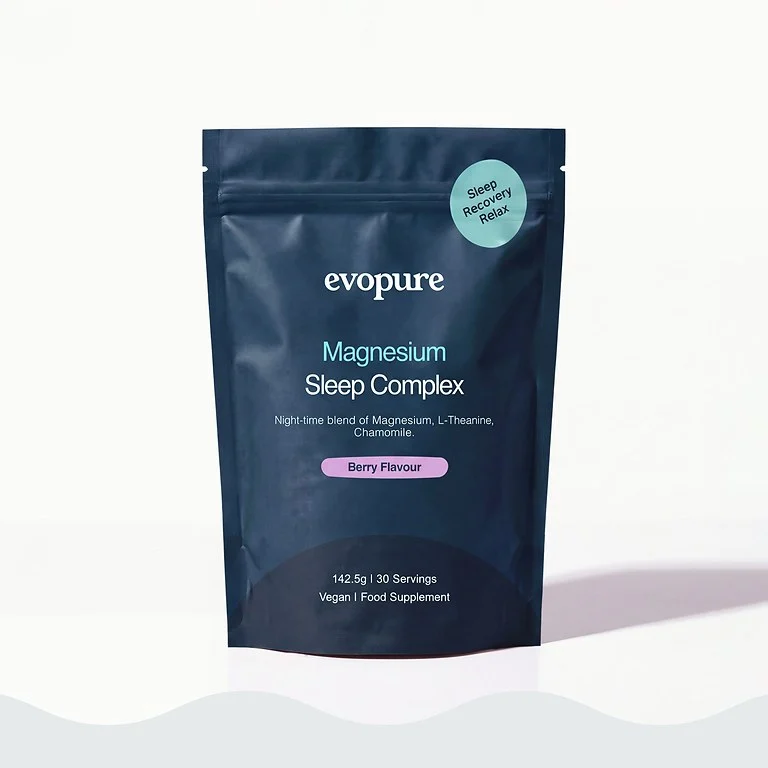
Food and supplements play a supporting role only. Magnesium contributes to the reduction of tiredness and fatigue and to normal psychological function. Our supplements are for adults, and we don’t recommend our products during pregnancy or breastfeeding. See how to lower cortisol naturally and stress in men.
Burnout recovery stages
There is no official set of burnout recovery stages. The WHO doesn’t define any, and the “stages” you see online are ways of describing the process rather than a medical model. Still, studies that follow people over years describe a similar pattern: a long period of low-effort rest first, then gradually more active recovery, then adjusting to a new way of working. One Swedish study of people previously treated for severe stress-related exhaustion called it “a long and rocky road”, with ups and downs rather than a straight line.
| Phase | What it often looks like | What helps |
|---|---|---|
| 1. Stopping and stabilising | Deep tiredness, poor sleep, low tolerance for noise, people or decisions. Often the hardest part to accept | Reducing demands, time off if needed, seeing your GP, regular sleep and meals |
| 2. Rebuilding | Good days and bad days. Energy slowly returns, but pushing too hard sets you back | Gentle movement, short walks, time with people, small doses of things you enjoy |
| 3. Returning | Going back to work or full routines, ideally in steps | A phased return, adjusted duties, clear priorities agreed with your manager |
| 4. Staying well | Spotting early warning signs and acting before they build | Boundaries, regular recovery time and the prevention habits below |
How long does it take? Commonly months rather than weeks, and longer if burnout went on for a long time or the causes at work don’t change. Severe cases can take years: in one Swedish follow-up of 217 people treated for stress-related exhaustion, almost half still reported fatigue and about a third were still clinically judged to have exhaustion 7 years after first seeking care. That isn’t meant to alarm you. It’s a reason to take early signs seriously and to get support sooner rather than later.
Can burnout be cured?
There’s no single cure or quick fix, and no tablet or supplement that reverses it. But recovery is very possible. Most of the work is changing the conditions that caused it, giving yourself enough recovery time, and getting help for anything that has built up alongside it, such as anxiety, depression or sleep deprivation. Some people find they need to keep protecting their energy for a while afterwards, and many end up with better boundaries than before.
How to prevent burnout
Preventing burnout means catching chronic stress before it settles in. Burnout usually starts as ordinary stress at work that never gets a chance to ease. The habits that protect you:
- Keep your workload realistic. Say early when you have too much on, and ask which tasks can wait. Agreeing priorities is easier before you’re exhausted.
- Set boundaries. A clear finish time, notifications off in the evening and a real lunch break. If saying no is hard, see people pleasing.
- Build in recovery time. Evenings and weekends that are genuinely off, and holidays you actually take. Notice the Sunday scaries as an early warning sign.
- Protect your sleep. Short sleep makes everything feel harder. A fixed wake time helps more than a lie-in.
- Stay connected. Talk to friends, family or colleagues, and get support before things pile up.
- Watch the thinking traps. Perfectionism, overthinking and high-functioning anxiety can keep you running long after you should stop.
What your employer should do. In Great Britain, the Health and Safety Executive says employers have a legal duty to protect employees from stress at work by doing a risk assessment and acting on it. Its Management Standards cover six areas of work that, if not properly managed, are linked to stress:
| HSE area | What it covers |
|---|---|
| Demands | Workload, work patterns and the work environment |
| Control | How much say you have in the way you do your work |
| Support | Encouragement and resources from managers and colleagues |
| Relationships | Positive working, dealing with conflict and unacceptable behaviour |
| Role | Understanding your role and not having conflicting roles |
| Change | How change is managed and communicated |
For a weekly checklist, see how to improve your work-life balance.
Autistic burnout and ADHD burnout
These terms are widely used by autistic people and people with ADHD, and they aren’t the same as the work-related burnout the WHO describes.
Autistic burnout
In the first research study to define it, autistic adults described autistic burnout as chronic exhaustion, loss of skills and reduced tolerance to stimulus such as noise, light or social contact. The National Autistic Society describes it as typically lasting 3 months or more. People linked it to the build-up of everyday pressures: masking autistic traits, expectations that outweigh what they can manage, environments not designed for autistic people and big life changes. The researchers concluded it appears to be distinct from occupational burnout and from clinical depression.
What people said helped with recovery: acceptance and support from others, time off or reduced expectations, and being able to unmask and do things in an autistic way. The study also found autistic burnout can seriously affect mental health, including suicidal thoughts, so please reach out using the support numbers below if you’re struggling. The National Autistic Society has more information, and your GP can help with support and adjustments.
ADHD burnout
ADHD burnout isn’t a formal diagnosis. People use it for the exhaustion that can come from the constant extra effort of keeping on top of time, organisation and focus, often while masking difficulties at work. Research is at an early stage: one study of 171 employees found those with ADHD reported higher job burnout, and that difficulties with managing time and with organisation and problem-solving explained much of the link.
If you think you have ADHD or your symptoms have changed, speak to your GP. ADHD UK has information and support. Sleep problems are common with ADHD, which can add to exhaustion: see ADHD and sleep.
Talking to your employer
- In Great Britain, the HSE says employers have a legal duty to protect workers from stress at work by assessing the risks and acting on them.
- Ask for a meeting with your manager, HR or occupational health. Bring specific examples and suggestions, such as a lighter workload, clearer priorities or flexible hours.
- Check whether your employer has an employee assistance programme (EAP), which often includes free counselling.
- If you need time off, you’ll need a fit note after 7 days of sickness. These can be issued by doctors, nurses, pharmacists, physiotherapists and occupational therapists, and can suggest changes to help you return. See being signed off work with stress for fit notes and sick pay.
When to see your GP
See your GP if you’re struggling to function, sleeping badly for weeks, feeling low or anxious most days, or relying on alcohol or other substances to cope. Many people also notice physical signs; see stress symptoms. See also World Mental Health Day.
If you need support now
- Samaritans: call 116 123 to talk to someone, any time.
- NHS 111: call 111 and select the mental health option for urgent help.
- NHS Talking Therapies (England): you can refer yourself if you’re 18 or over (16 or 17 in some areas). You don’t need a diagnosis.
- 999: call 999 or go to A&E if someone’s life is at risk or you don’t feel you can keep yourself safe.
Related guides
- If you’re weighing up CBD, see how to choose a CBD oil for anxiety.
- See our Stress Awareness Week ideas for workplaces.
- Overworking to prove yourself? See imposter syndrome.
- Why am I so irritable?
- Lost all motivation? See how to get motivated.
- If burnout has tipped into not coping at all, see signs of a nervous breakdown and what to do.
- Stress and hair loss.
- Adrenal fatigue vs burnout.
- Gentle somatic exercises for stress.
- Doing a self-improvement challenge? See how to keep a Winter Arc realistic.
- Stress rash on the face, neck and chest.
- Rhodiola for stress and fatigue: what the research shows.
- Decision fatigue vs burnout, and how to tell a hard day from something longer term.
- How burnout differs from chronic fatigue syndrome.
- Stress and high cholesterol: is there a link?.
- Can stress and burnout turn your hair grey?
FAQs
What are the symptoms of burnout?
The WHO describes three: exhaustion, feeling detached or cynical about work, and reduced effectiveness. Poor sleep, brain fog and irritability are common too.
Is burnout a medical condition?
Not officially. The WHO lists burnout in ICD-11 (code QD85) as an occupational phenomenon, in the chapter on factors influencing health status, and says it is not classified as a medical condition. In the UK, though, your GP can still sign you off with a fit note if stress or its effects mean you can’t work, and burnout can lead to anxiety or depression, which are medical conditions.
How long does it take to recover from burnout?
Commonly months rather than weeks. It depends on how long you’ve been burnt out and whether the causes at work change. Severe cases can take a year or more, so it’s worth acting early.
What are the stages of burnout recovery?
There are no official stages. Many people describe a pattern of stopping and stabilising, slowly rebuilding energy, returning to work in steps, and then staying well by spotting early warning signs. Progress usually has ups and downs.
Can burnout be cured?
There’s no quick fix or single cure, but recovery is very possible. It mostly comes from reducing the load that caused it, getting enough recovery time and support, and getting help from your GP for any anxiety, low mood or sleep problems.
How can you prevent burnout?
Keep your workload realistic and say early when it isn’t, set clear boundaries, take real breaks and holidays, protect your sleep and stay connected with people. Employers in Great Britain also have a legal duty to assess and act on the risks of work-related stress.
What is autistic burnout?
Autistic adults describe it as chronic exhaustion, loss of skills and reduced tolerance to stimulus, typically lasting 3 months or more. It is linked to masking and to everyday demands outweighing what someone can manage, and research suggests it is different from work burnout and depression.
What is ADHD burnout?
It isn’t a formal diagnosis. People use it for exhaustion from the constant extra effort of managing ADHD, often while masking. If you think you have ADHD or your symptoms have changed, speak to your GP.
Can you get signed off work for burnout?
Yes. Your GP can give you a fit note if stress or its effects mean you can’t work, or suggest changes to help you stay in or return to work. You need a fit note after 7 days of sickness.
What is the difference between burnout and depression?
Burnout is tied to work and often eases with changes there. Depression affects all areas of life and needs a GP’s help.
Sources
- World Health Organization (2019). Burn-out an “occupational phenomenon”: International Classification of Diseases.
- Health and Safety Executive. Work-related stress, depression or anxiety statistics in Great Britain, 2025.
- Health and Safety Executive. Work-related stress.
- NHS Every Mind Matters. Stress.
- NHS. 5 steps to mental wellbeing.
- World Health Organization. Burn-out an “occupational phenomenon” (ICD-11 FAQ).
- Health and Safety Executive. What are the Management Standards?
- Lambreghts C, et al. (2023). Return-to-work interventions for sick-listed employees with burnout: a systematic review. Occupational and Environmental Medicine. PMID 37500536.
- Kärkkäinen R, et al. (2017). Systematic review: Factors associated with return to work in burnout. Occupational Medicine. PMID 28898968.
- Glise K, et al. (2020). Long-term follow-up of residual symptoms in patients treated for stress-related exhaustion. BMC Psychology. PMID 32188513.
- Aronsson I, et al. (2024). Exploring the process of long-term recovery in people previously diagnosed with exhaustion disorder. BMC Psychology. PMID 38711137.
- Raymaker DM, et al. (2020). Defining autistic burnout. Autism in Adulthood. PMID 32851204.
- National Autistic Society. Understanding autistic burnout.
- Turjeman-Levi Y, et al. (2024). Executive function deficits mediate the relationship between employees’ ADHD and job burnout. AIMS Public Health. PMID 38617412.
- NHS. Where to get urgent help for mental health.
- NHS. Find an NHS Talking Therapies service.
- GOV.UK. Fit note.
This guide is general information, not medical advice. Evopure makes the Magnesium Glycinate Sleep Complex and Reishi Mushroom Adaptogenic Complex.