









Last updated: October 2026
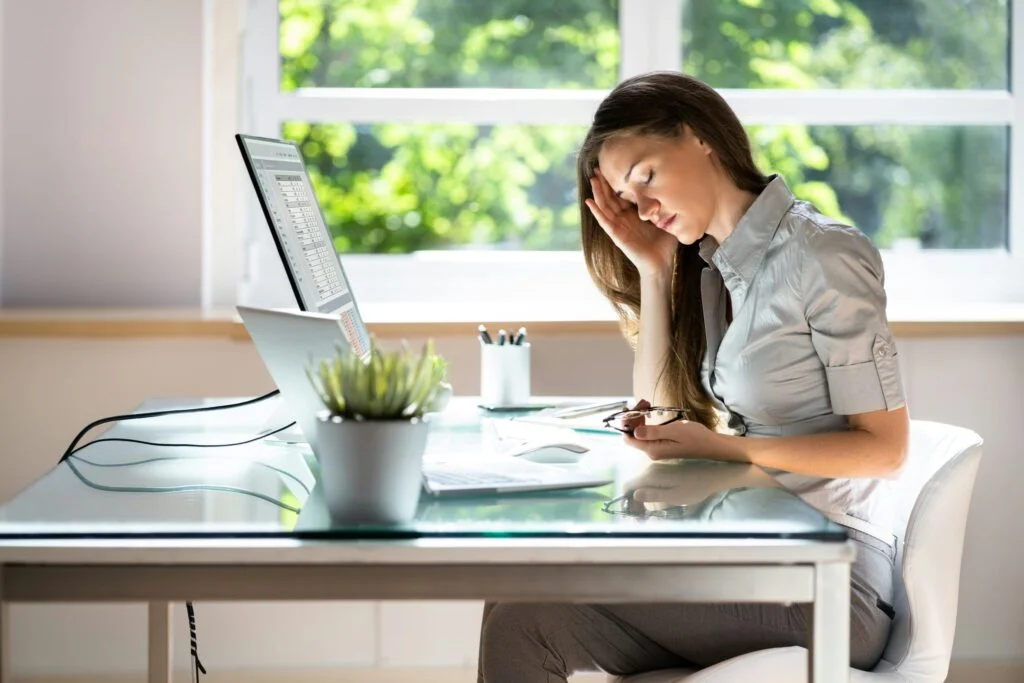
The afternoon slump is the dip in energy and focus many people feel between about 1pm and 4pm. It’s partly your body clock’s natural dip, made worse by short sleep, a heavy lunch and sitting still. A short walk in daylight, a lighter lunch, water and a 10 to 20 minute nap all help.
Below: what causes the afternoon slump, 10 ways to beat it, what to eat at lunch, smarter caffeine use, and when afternoon tiredness is a sign of something else.
What causes the afternoon slump?
| Cause | What’s happening |
|---|---|
| Your body clock | Alertness naturally dips in the early afternoon, the “post-lunch dip”, even if you skip lunch |
| Short or poor sleep | Sleep debt shows up most during the natural dip |
| A big, carb-heavy lunch | Large meals and quick sugars can leave you sluggish |
| Sitting still | Hours at a desk without moving lower alertness |
| Dehydration | Even mild dehydration can make you feel tired and foggy |
| The caffeine wear-off | Morning coffee fades by early afternoon |
| Lunchtime alcohol | Studies show alcohol is more sedating in the early afternoon |
10 ways to beat the afternoon slump
- Walk outside after lunch, even for 10 minutes. Daylight and movement both lift alertness.
- Eat a lighter lunch with protein, fibre and vegetables (see below).
- Drink a glass of water before you reach for another coffee.
- Take a 10 to 20 minute power nap if you can. See power nap.
- Stand up and move every 30 to 60 minutes: stairs, stretches, a walk to a colleague.
- Get bright light: sit near a window or step outside. A workplace study found brighter light helped alertness during the post-lunch dip.
- Schedule easier tasks for mid-afternoon and do your hardest thinking in the morning.
- Breathe: a minute of slow, deep breathing can reset a foggy head. See nervous system regulation.
- Talk to someone. A short conversation is a quick pick-me-up.
- Fix your nights. A regular sleep schedule is the long-term cure. See sleep hygiene.
What to eat to avoid the slump
| Try | Go easy on |
|---|---|
| Wholegrain bread, brown rice or pasta | White bread, big pasta portions |
| Protein: chicken, fish, eggs, beans, lentils, tofu | Sugary drinks, pastries, sweets |
| Plenty of vegetables or salad | Large, rich meals |
| Fruit, nuts or yoghurt as a mid-afternoon snack | Alcohol at lunch |
Nuts, seeds, wholegrains and leafy greens are also good sources of magnesium, which contributes to the reduction of tiredness and fatigue. See signs of magnesium deficiency.
Caffeine: friend or foe?
A coffee or tea at lunchtime can help, but caffeine stays in your system for hours, so a 4pm coffee may cost you sleep, and worse sleep means a bigger slump tomorrow. Try to have your last caffeine by early afternoon. A “coffee nap” (a coffee then a 15 to 20 minute nap) works well for many people. Pairing caffeine with L-theanine, found naturally in tea, may help focus without the jitters. See does caffeine cause anxiety? and L-theanine benefits.
When it’s more than a slump
A mild afternoon dip is normal. See your GP if you’re exhausted most of the day, struggle to stay awake while driving or in meetings, fall asleep without warning, or snore loudly with pauses in breathing. These can point to sleep apnoea, anaemia, thyroid problems, diabetes or depression. See why am I always tired? and best supplements for energy.
Related guides
- Cold showers for energy.
- If you work from home, see how to stay well working from home.
- Can’t get going? See 12 ways to get motivated.
- Try a 10-minute yoga nidra (NSDR) instead of more caffeine.
- If the dip hits straight after every meal, see why you feel tired after eating.
- If you reach for caffeine after lunch, see the best time to drink matcha.
- Is sleep debt behind your afternoon slump?
- Swapping your afternoon coffee? See our coffee alternatives guide.
- How to cut down on caffeine without the crash.
- A steadier afternoon often starts in the morning: see the best breakfasts for energy.
- The best time to drink green tea.
- A short walk is one of the simplest fixes. See how many steps a day for ideas to fit more into a desk day.
- Eyes feel heavy and tired in the afternoon?
- For snacks, see what food is highest in magnesium: pumpkin seeds and almonds come near the top.
FAQs
Why do I get so tired in the afternoon?
Your body clock has a natural dip in the early afternoon. Short sleep, a heavy lunch, dehydration and sitting still make it worse.
How do I stop the afternoon slump?
Walk outside after lunch, eat a lighter lunch with protein, drink water, move regularly and take a short nap if you can.
What should I eat to avoid an afternoon energy crash?
Wholegrains, protein and vegetables at lunch, with fruit, nuts or yoghurt as a snack. Go easy on sugary foods and big portions.
Is it OK to have coffee in the afternoon?
Early afternoon is usually fine, but caffeine lasts for hours, so late-afternoon coffee can disrupt your sleep.
Is the afternoon slump normal?
Yes, a mild dip is normal. Extreme sleepiness or falling asleep without warning is not, and worth discussing with your GP.
Sources
- Carskadon MA, Dement WC (1992). Multiple sleep latency tests during the constant routine. Sleep.
- Horne JA, Gibbons H (1991). Effects on vigilance performance and sleepiness of alcohol given in the early afternoon (“post lunch”) vs. early evening. Ergonomics.
- Askaripoor T et al (2019). Effects of light intervention on alertness and mental performance during the post-lunch dip: a multi-measure study. Industrial Health.
- Brooks A, Lack L (2006). A brief afternoon nap following nocturnal sleep restriction: which nap duration is most recuperative? Sleep.
- NHS. Tiredness and fatigue.
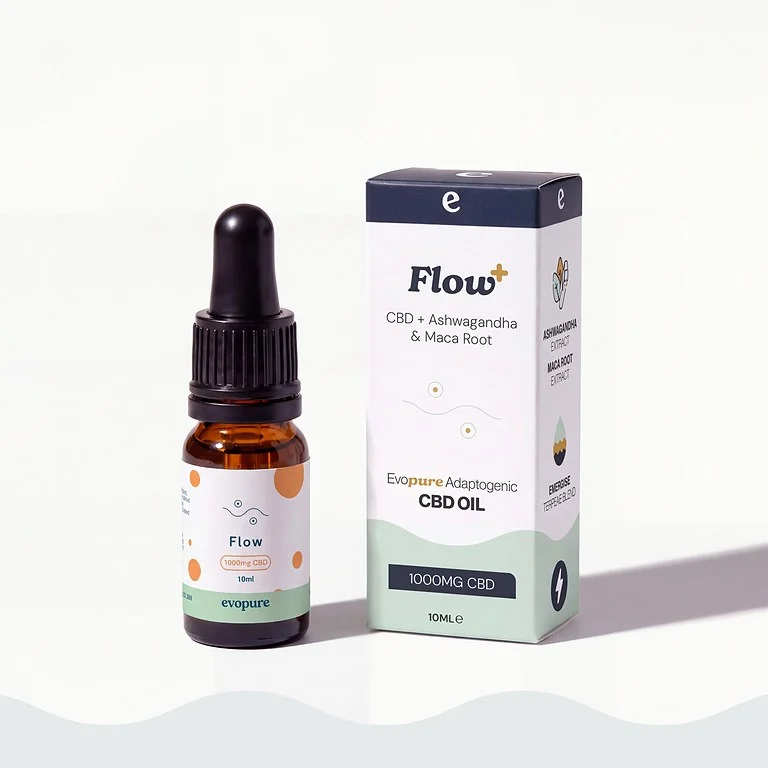
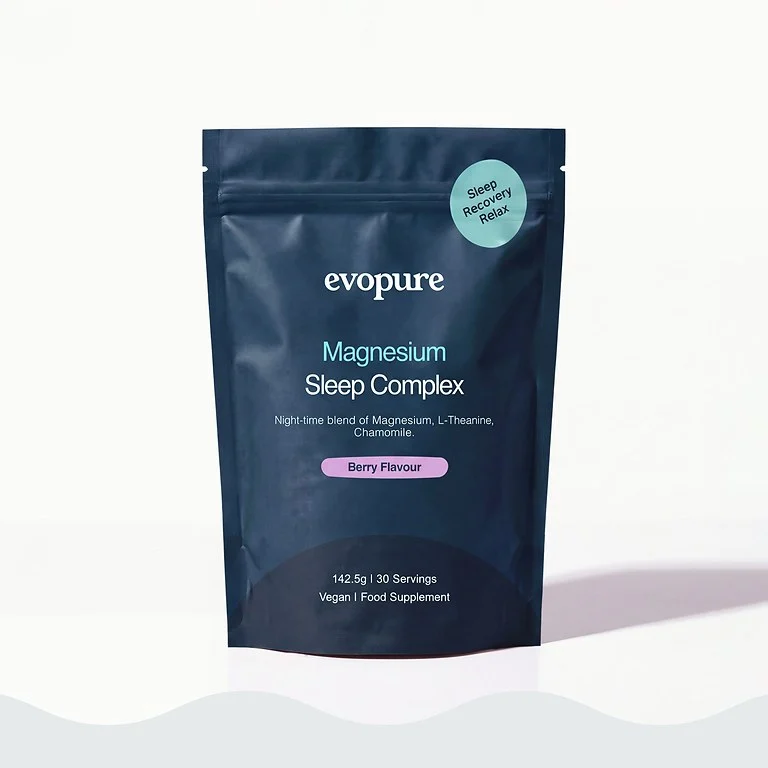
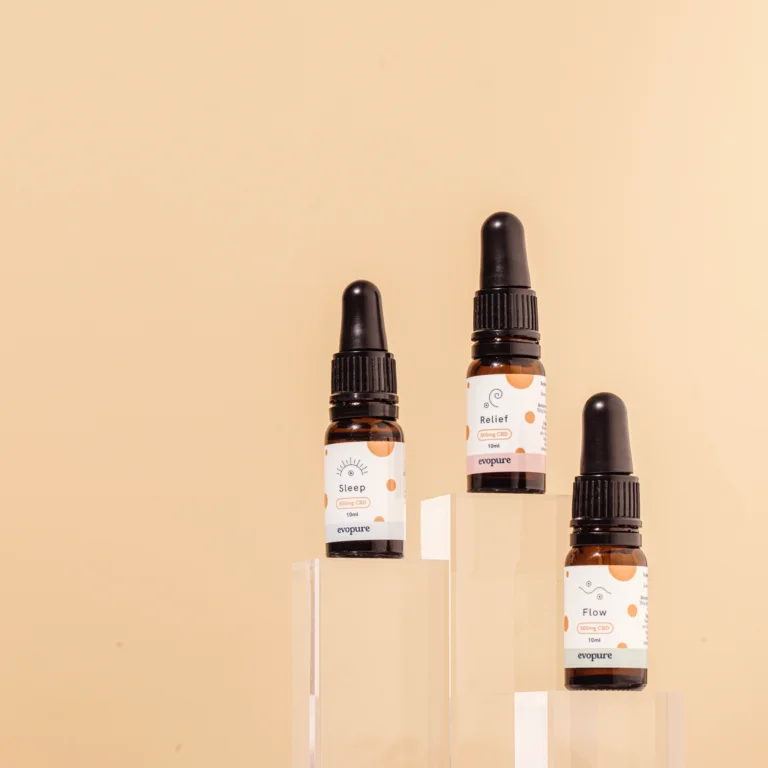
This guide is general information, not medical advice. Evopure makes the Flow CBD Oil and Magnesium Glycinate Sleep Complex.