








Last updated: October 2026
The foods highest in magnesium are pumpkin seeds (165mg in a 30g handful), mackerel (97mg per fillet), quinoa, almonds, chia seeds, cashews, spinach and brown rice, with dark chocolate, beans and wholegrains close behind. UK adults need 300mg (men) or 270mg (women) a day, and most people can get that from a varied diet.
Below: 25 foods ranked by magnesium per typical UK portion, the best sources by food group, a day of meals that passes 300mg (plus a vegan day), how cooking changes it, and who may need to check their levels.
Foods high in magnesium: top 25 ranked
Ranked by magnesium in a typical UK portion. Figures are from USDA FoodData Central (per 100g, multiplied up to the portion shown and rounded). The last column is the share of a man’s 300mg and a woman’s 270mg daily need.
| Food | Portion | Magnesium | % of 300mg / 270mg |
|---|---|---|---|
| 1. Pumpkin seeds, roasted | 30g handful | 165mg | 55% / 61% |
| 2. Mackerel, cooked | 100g fillet | 97mg | 32% / 36% |
| 3. Quinoa, cooked | 150g | 96mg | 32% / 36% |
| 4. Almonds, roasted | 30g handful | 84mg | 28% / 31% |
| 5. Chia seeds | 2 tbsp (24g) | 80mg | 27% / 30% |
| 6. Cashews, roasted | 30g handful | 78mg | 26% / 29% |
| 7. Brown rice, cooked | 180g | 70mg | 23% / 26% |
| 8. Spinach, boiled | 80g | 70mg | 23% / 26% |
| 9. Swiss chard, boiled | 80g | 69mg | 23% / 25% |
| 10. Shredded wheat | 2 biscuits (45g) | 59mg | 20% / 22% |
| 11. Tofu, firm | 100g | 58mg | 19% / 21% |
| 12. Dark chocolate, 70 to 85% | 25g (4 squares) | 57mg | 19% / 21% |
| 13. Brazil nuts | 3 nuts (15g) | 56mg | 19% / 21% |
| 14. Black beans, cooked | 80g (3 tbsp) | 56mg | 19% / 21% |
| 15. Porridge oats | 40g (dry) | 55mg | 18% / 20% |
| 16. Wholemeal bread | 2 slices (72g) | 54mg | 18% / 20% |
| 17. Peanuts, roasted | 30g handful | 53mg | 18% / 20% |
| 18. Edamame beans | 80g | 51mg | 17% / 19% |
| 19. Peanut butter | 2 tbsp (30g) | 50mg | 17% / 19% |
| 20. Baked potato with skin | 1 medium (180g) | 50mg | 17% / 19% |
| 21. Soya milk, unfortified | 200ml glass | 50mg | 17% / 19% |
| 22. Salmon, cooked | 140g fillet | 42mg | 14% / 16% |
| 23. Chickpeas, cooked | 80g (3 tbsp) | 38mg | 13% / 14% |
| 24. Banana | 1 medium | 32mg | 11% / 12% |
| 25. Plain low-fat yoghurt | 150g pot | 26mg | 9% / 10% |
For comparison: half an avocado, a 200ml glass of semi-skimmed milk and 180g of white rice each give about 22mg, 80g of broccoli 17mg, an apple 9mg and an egg 5mg. Brands and recipes vary, so check the label on cereals and plant milks.
What food is highest in magnesium?
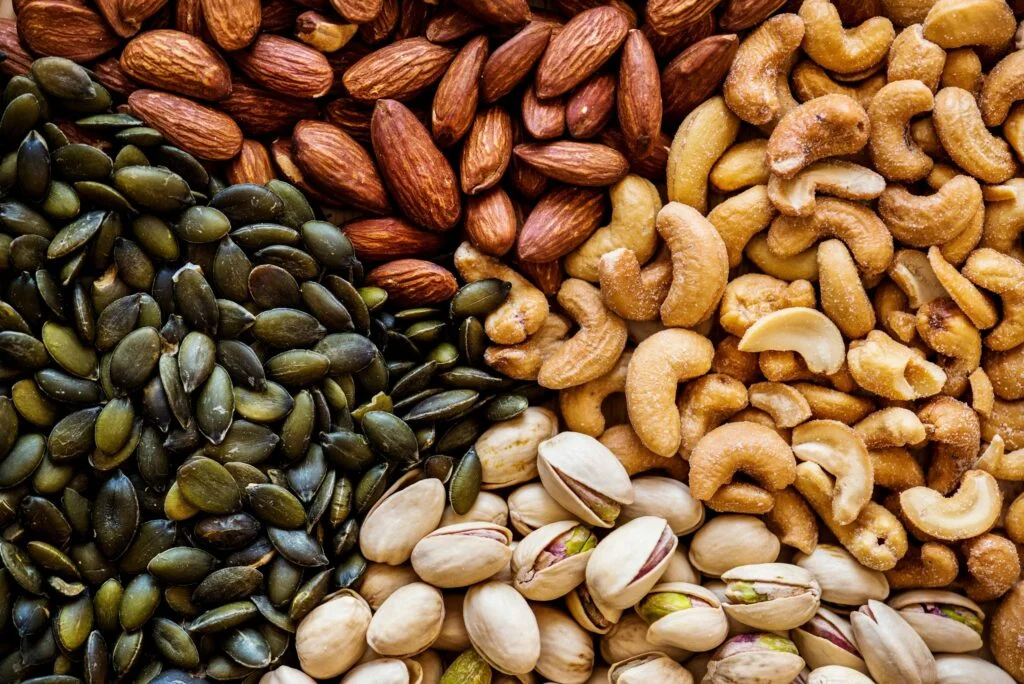
Pumpkin seeds. Roasted pumpkin seeds contain about 550mg of magnesium per 100g, so a 30g handful gives around 165mg, more than half of an adult’s daily need. Gram for gram, only unsweetened cocoa powder comes close (about 500mg per 100g), but you use it a teaspoon at a time.
Next come Brazil nuts (about 375mg per 100g), sesame seeds, chia seeds, almonds and cashews (roughly 260mg to 350mg per 100g). By portion, though, a mackerel fillet or a bowl of quinoa beats most nuts, because you eat more of it. See pumpkin seeds benefits for the full nutrition picture.
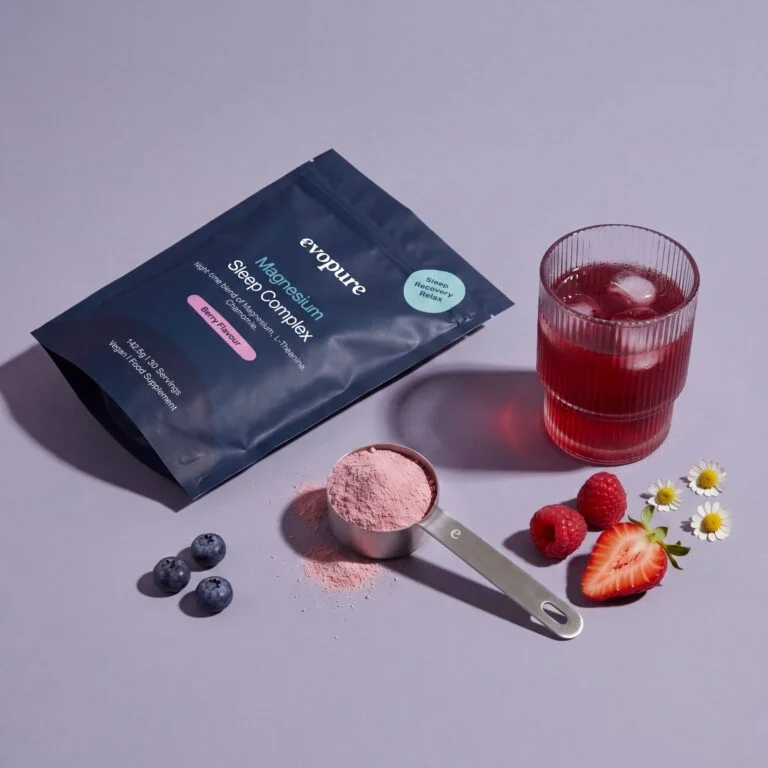
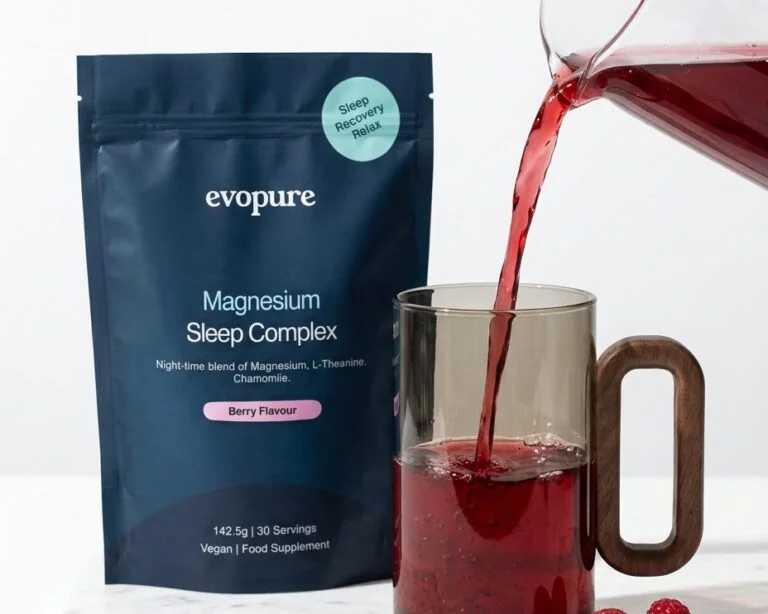
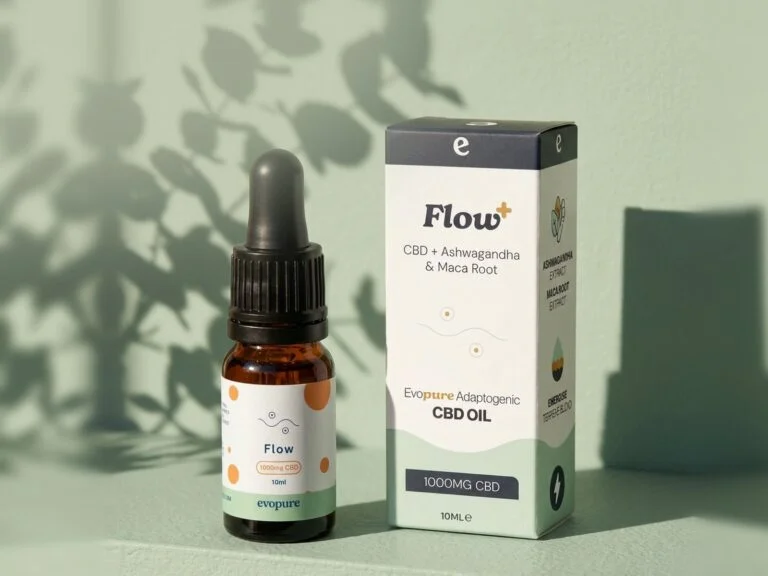
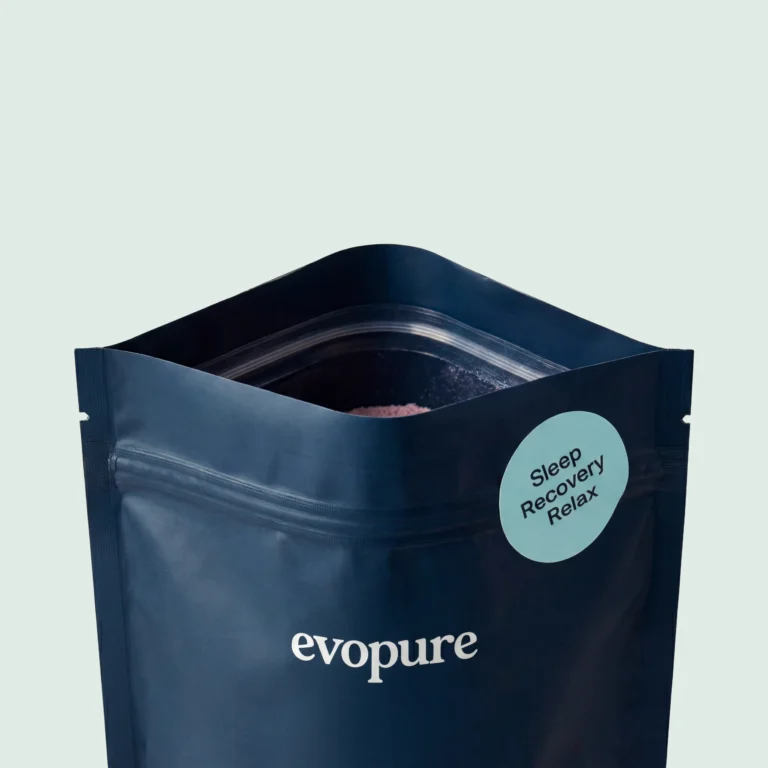
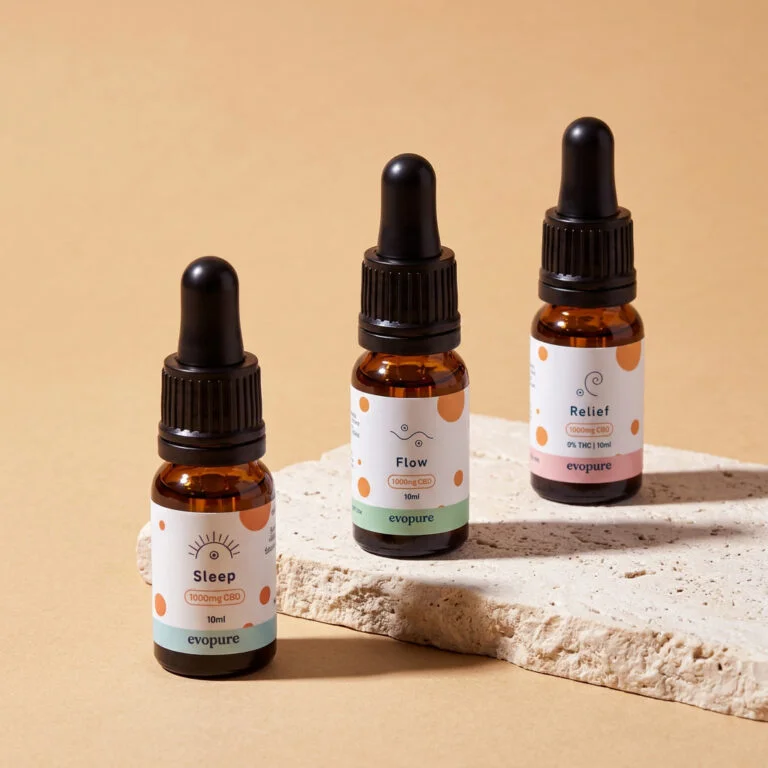
Food comes first. If you want a top-up, our Magnesium Glycinate Sleep Complex is a berry drink powder with 148mg of magnesium per serving from magnesium bisglycinate and citrate, plus glycine and L-theanine. Magnesium contributes to a reduction of tiredness and fatigue. Our Reishi Mushroom Adaptogenic Complex is a reishi hot chocolate made with organic cacao, maca and coconut milk, and contains a little natural caffeine. Flow CBD Oil combines broad spectrum CBD with ashwagandha and maca in MCT oil.
The FSA’s 10mg a day figure is precautionary advice rather than a legal limit, set while longer-term safety research continues. At Evopure we think it is a very cautious figure, and many adults use more. If you go above it, increase slowly, and check with your GP or pharmacist first if you take any medication.
All our products are for adults (18+) only. We don’t recommend our products during pregnancy or breastfeeding.
How much magnesium do you need?
| Who | Magnesium per day (UK) |
|---|---|
| Men aged 19 and over | 300mg |
| Women aged 19 and over | 270mg |
| Teenagers 15 to 18 | 300mg |
Magnesium contributes to a reduction of tiredness and fatigue, normal muscle function, normal psychological function and the maintenance of normal bones and teeth. Children need less: see magnesium for kids.
Labels use a different figure: 375mg, the nutrient reference value (NRV) for Great Britain, one number for everyone. So “20% NRV” on a pack means 75mg. Plan your diet around the NHS figures above. For a full breakdown by age, sex and supplement dose, see how much magnesium per day.
Magnesium-rich foods by food group
Seeds and nuts
The richest group. Pumpkin, chia, sesame, sunflower and flax seeds, plus almonds, cashews, peanuts and Brazil nuts. Keep Brazil nuts to a few at a time: three nuts also give nearly 300mcg of selenium, several times the daily need. A tablespoon of chia seeds gives about 40mg (see chia seeds nutrition), and ground flaxseed works well in porridge (see flaxseed benefits).
Beans, pulses and soya
Black beans, chickpeas, kidney beans, lentils, edamame, tofu and soya milk. Tinned beans are cheap and count: add them to chilli, stews and salads.
Wholegrains
Quinoa, brown rice, porridge oats, shredded wheat and wholemeal bread. Refining strips out the bran and germ: 180g of brown rice gives about 70mg, the same amount of white rice about 22mg. Many of the same foods top our lists of high fibre foods and iron-rich foods.
Leafy greens and vegetables
Spinach and Swiss chard are the stars, at about 70mg per 80g portion, which counts as one of your 5 a day. Kale and broccoli give less (around 17mg to 20mg), and potatoes add a useful amount when you eat the skin.
Dark chocolate and cocoa
Dark chocolate with 70% to 85% cocoa has about 228mg per 100g, so four squares (25g) give 57mg. It also brings sugar, fat and a little caffeine, so treat it as a bonus rather than a main source. See dark chocolate benefits and ceremonial cacao.
Fish, meat and dairy
Mackerel is the standout at about 97mg per 100g fillet. Salmon gives around 42mg per fillet and tinned sardines about 35mg per 90g tin. Chicken, milk and yoghurt each add 20mg to 35mg a portion.
Fruit
Fruit is fairly low. A banana gives about 32mg and half an avocado about 22mg (see avocado benefits and does a banana before bed help you sleep?). Dried figs give about 17mg in three.
Water
Water counts too. The magnesium in tap and bottled water ranges from about 1mg to more than 120mg per litre depending on the source, and the label on bottled mineral water tells you how much yours has.
A day of meals that hits 300mg
Totals are added up from the ranked table above.
| Meal | Everyday day | Vegan day |
|---|---|---|
| Breakfast | 2 shredded wheat, 200ml semi-skimmed milk, a banana (113mg) | 40g porridge oats made with 200ml soya milk, 1 tbsp chia seeds (145mg) |
| Lunch | Wholemeal sandwich with 2 tbsp peanut butter (104mg) | 150g quinoa salad with 80g chickpeas (134mg) |
| Dinner | Salmon fillet, 180g brown rice, 80g broccoli (129mg) | 100g tofu stir-fry with 180g brown rice (128mg) |
| Total | about 346mg | about 407mg |
A 30g handful of almonds as a snack adds another 84mg. Easy swaps: seeds on porridge or yoghurt, brown rice for white, a tin of beans in chilli, and nuts instead of crisps. More ideas in breakfast for energy and brain foods for memory and focus.
Vegan sources of magnesium
Most of the richest sources are plants, so a vegan diet usually makes it easier, not harder, to reach your target. Seeds, nuts, beans, lentils, tofu, soya milk, quinoa, wholegrains and leafy greens do the heavy lifting, as the vegan day above shows. If you eat a lot of wholegrains and beans, the absorption points below are worth a look.
Does cooking or processing change magnesium?
Yes, and your body absorbs only part of what you eat, typically 30% to 40%. What makes a difference:
- Boiling. Heat doesn’t destroy magnesium, but it leaches into cooking water. A Japanese analysis found cooked foods kept on average about 60% to 70% of their minerals, with the biggest losses from vegetables boiled and squeezed. Steaming, stir-frying, using less water and eating the liquid in soups and stews all help.
- Refining. White rice and white flour lose most of their magnesium with the bran and germ: brown rice has about three times as much as white.
- Phytates in wholegrains and bran. In a small Swiss study, adding phytic acid to white bread at the level found in wholemeal bread cut magnesium absorption from about 33% to 13%. That isn’t a reason to avoid wholegrains, which start with far more magnesium. A mix of foods across the day evens it out.
- Very high-dose zinc supplements can interfere with magnesium absorption; food amounts are not a concern. See magnesium vs zinc and sources of zinc.
- Alcohol increases the amount of magnesium lost in urine.
- Calcium and vitamin D work alongside magnesium; see magnesium and calcium and magnesium and vitamin D.
Food or supplements?
Food first. The NHS says you should be able to get all the magnesium you need from a varied and balanced diet. If you do take a supplement, the NHS says 400mg a day or less from supplements is unlikely to cause any harm; higher doses for a short time can cause diarrhoea.
A supplement can make sense if your diet is limited or you are in one of the groups below. If your diet already covers your needs, one may add little: see whether you need a magnesium supplement at all. Our guides to types of magnesium, magnesium glycinate, magnesium glycinate powder, magnesium citrate and magnesium taurate compare the forms, and magnesium side effects covers what to watch for. Many people look at magnesium for sleep, energy or cramps; those guides explain what the research shows.
Magnesium supplements can affect how some medicines are absorbed, including some antibiotics and osteoporosis tablets, so speak to your GP or pharmacist first if you take any medication.
Who may be low in magnesium?
Many people in the UK fall short from food alone. An analysis of the UK National Diet and Nutrition Survey found that 19% of adults in their twenties had intakes below the lower reference nutrient intake, an amount that is enough for only a small minority of people. Women’s intakes were lower than men’s.
Groups more likely to run low include:
- Older adults, who can absorb less.
- People with type 2 diabetes.
- People with gut conditions such as inflammatory bowel disease.
- People who drink a lot of alcohol.
- People on long-term acid-reducing tablets (PPIs) such as omeprazole, and some diuretics. The MHRA has warned that PPIs can lower magnesium, mostly after a year or more of use.
If you are in one of these groups or have symptoms such as muscle twitches or ongoing tiredness, see your GP rather than guessing: a blood test can check. See signs of magnesium deficiency, and our guides to magnesium for women and magnesium for men.
Related guides: foods that help you sleep and sea moss, which is often promoted as a mineral source but gives little magnesium per spoonful.
FAQs
What food is highest in magnesium?
Pumpkin seeds: a 30g handful has about 165mg, more than half of an adult’s daily need. Mackerel, quinoa, almonds, chia seeds, cashews and spinach are also very high.
How can I get 300mg of magnesium a day from food?
Combine a wholegrain breakfast, a handful of nuts or seeds, beans or lentils and leafy greens. For example, shredded wheat with milk and a banana, a peanut butter sandwich on wholemeal bread, and salmon with brown rice comes to about 346mg.
Which foods contain magnesium in the UK?
Everyday UK foods with useful amounts include pumpkin and chia seeds, almonds, cashews, peanuts and peanut butter, shredded wheat, porridge oats, wholemeal bread, baked potatoes in their skins, spinach, tinned beans, tofu, soya milk, mackerel and yoghurt.
Which fruit is high in magnesium?
Bananas (about 32mg each) and avocado (about 22mg in half) are the best common fruit sources, but nuts, seeds and beans contain much more.
Is dark chocolate high in magnesium?
Yes. Dark chocolate with 70% to 85% cocoa has about 57mg in four squares (25g). It is also high in sugar and fat, so nuts and seeds are better everyday sources.
Which foods are high in both magnesium and potassium?
Beans and pulses, nuts and seeds, bananas and fish such as mackerel and salmon give you useful amounts of both.
Does cooking destroy magnesium?
No. Heat doesn’t destroy magnesium, but boiling lets some of it leach into the water. Steaming, cooking in less water or eating the cooking liquid in soups and stews keeps more of it.
Do I need a magnesium supplement?
Most people can get enough from food. A supplement may help if your diet is limited or you take medicines that lower magnesium. The NHS says 400mg a day or less from supplements is unlikely to cause harm.
Sources
- US Department of Agriculture. FoodData Central (SR Legacy, magnesium per 100g; portions calculated by Evopure).
- US National Institutes of Health, Office of Dietary Supplements. Magnesium fact sheet for health professionals.
- NHS. Vitamins and minerals: others (magnesium).
- British Nutrition Foundation. Nutrient requirements.
- legislation.gov.uk. Regulation (EU) No 1169/2011 as retained, Annex XIII: reference intakes (magnesium NRV 375mg).
- MHRA. Proton pump inhibitors in long-term use: reports of hypomagnesaemia.
- Healthdirect Australia. Foods high in magnesium (groups at risk, zinc and absorption).
- Bohn T, et al. Phytic acid added to white-wheat bread inhibits fractional apparent magnesium absorption in humans. Am J Clin Nutr, 2004. PMID 14985216.
- Kimura M, Itokawa Y. Cooking losses of minerals in foods and its nutritional significance. J Nutr Sci Vitaminol, 1990. PMID 2081985.
- Derbyshire E. Micronutrient intakes of British adults across mid-life: a secondary analysis of the UK National Diet and Nutrition Survey. Front Nutr, 2018. PMID 30073167.
This guide is general information, not medical advice. Evopure makes the Magnesium Glycinate Sleep Complex.