












Last updated: October 2026
The most common reasons for feeling tired all the time are not enough or poor-quality sleep, stress, low mood, an unhealthy diet, too little exercise, alcohol and caffeine. Medical causes include iron deficiency anaemia, thyroid problems, diabetes and sleep apnoea. If you’ve been tired for a few weeks and don’t know why, the NHS advises seeing a GP.
Below: the everyday and medical causes of tiredness, a symptom checker table, what you can do yourself, the nutrients that genuinely help with tiredness, and when to see your GP.
Everyday reasons you’re always tired
| Cause | Clues | What helps |
|---|---|---|
| Not enough sleep | Under about 7 hours most nights, late nights, lie-ins | A fixed wake time and earlier bedtime. See revenge bedtime procrastination |
| Poor-quality sleep | Waking often, at 3am, or unrefreshed | See why you wake at 3am |
| Stress and burnout | Wired but tired, dreading work | See burnout symptoms |
| Low mood or anxiety | Flat, no motivation, worrying | Talk to someone; see your GP if it lasts |
| Caffeine | Relying on coffee, energy drinks | Cut down gradually; none after midday |
| Alcohol | Drinking most evenings | Alcohol-free nights. See Dry January |
| Diet | Skipping meals, lots of sugar or ultra-processed food | Regular meals with protein, fibre, fruit and vegetables |
| Too little activity | Sitting most of the day | A daily walk, building up gradually |
| Dark winter days | Worse from October to March | Morning daylight. See winter blues |
Medical causes of tiredness
The NHS lists these conditions as possible causes, with clues to look for. Don’t self-diagnose: see a GP if you’re worried.
| Other symptoms | Possible cause |
|---|---|
| Loud snoring, gasping or choking at night, sleepy in the day | Sleep apnoea |
| Lack of energy, palpitations, shortness of breath, pale skin | Iron deficiency anaemia |
| Very thirsty, peeing more (especially at night), weight loss | Diabetes |
| Restless, nervous, anxious, irritable, muscle weakness | Overactive thyroid |
| Extreme fatigue for at least 3 months, problems thinking, flu-like symptoms | ME/CFS |
Other causes include an underactive thyroid, low vitamin B12 or vitamin D, depression, some medicines, and the after-effects of illnesses such as glandular fever or COVID-19.
Why am I so tired? Women and men
- Women: heavy periods can lead to iron deficiency anaemia; hormonal changes in pregnancy, perimenopause and menopause commonly disrupt sleep and energy. See perimenopause and sleep and magnesium for women.
- Men: sleep apnoea is more common in men, especially with a larger neck or after drinking. Stress and long hours are frequent drivers. See stress in men.
What you can do about tiredness
The NHS suggests:
- sticking to the same sleep times and aiming for 6 to 9 hours
- relaxing for a couple of hours before bed and keeping the bedroom dark, quiet and not too warm
- no food, caffeine or exercise in the couple of hours before sleep, and no screens in the last hour
- a healthy diet and regular exercise
- not smoking and not drinking too much alcohol
It sounds odd, but moving more is one of the best ways to feel less tired. Start with a 10-minute walk and build up. For bedtime help, see how to fall asleep fast.
Nutrients that help with tiredness
Several vitamins and minerals have an authorised health claim that they contribute to the reduction of tiredness and fatigue, including magnesium, iron, vitamin B12, vitamin B6, folate and vitamin C. That’s only helpful if you’re not getting enough of them, so a balanced diet comes first.
| Nutrient | Good food sources |
|---|---|
| Magnesium | Wholegrains, nuts, seeds, green leafy vegetables, beans |
| Iron | Red meat, beans, lentils, dark greens, fortified cereals |
| Vitamin B12 | Meat, fish, eggs, dairy; fortified foods or a supplement if you’re vegan |
| Vitamin C | Citrus fruit, peppers, berries, broccoli |
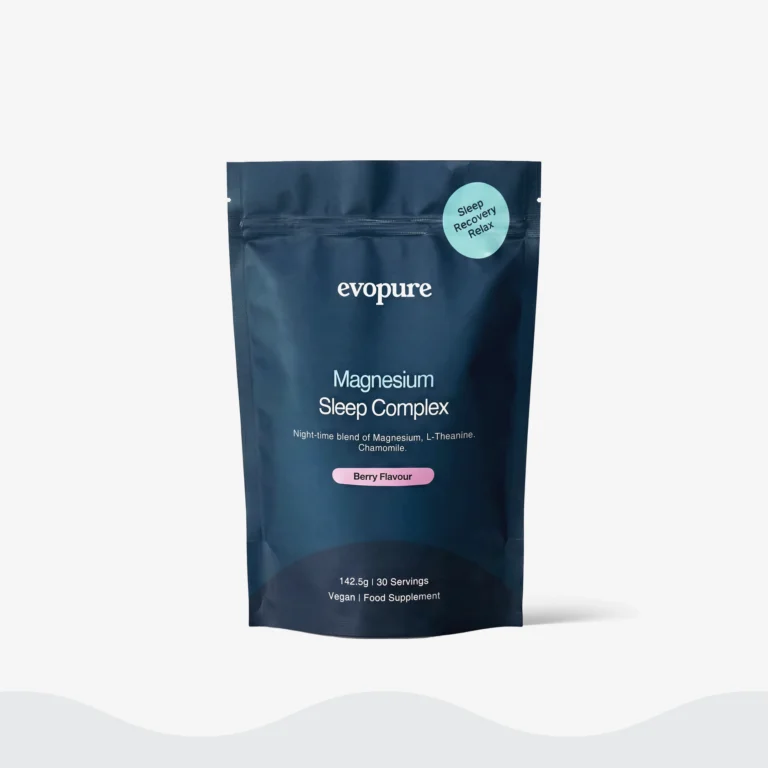
Don’t take iron supplements unless a blood test shows you need them, as too much is harmful. Our Magnesium Glycinate Sleep Complex is an evening drink: magnesium contributes to the reduction of tiredness and fatigue. See signs of magnesium deficiency and magnesium and vitamin D.
When to see your GP
The NHS advises seeing a GP if you’ve felt tired for a few weeks and don’t know why, if tiredness is affecting your daily life, or if you’ve lost weight without trying. Your GP may suggest blood tests to check for anaemia, thyroid problems, diabetes and vitamin levels. Keep a two-week diary of your sleep, energy, food and mood to take along.
FAQs
Why am I always tired even when I sleep a lot?
Poor-quality sleep, sleep apnoea, stress, low mood, anaemia, thyroid problems or low activity can all leave you tired despite long nights. See a GP if it lasts weeks.
What deficiency makes you tired all the time?
Iron deficiency anaemia is the most common. Low vitamin B12, folate or vitamin D can also cause tiredness. A GP can check with a blood test.
Does magnesium help with tiredness?
Magnesium contributes to the reduction of tiredness and fatigue, which helps if you’re not getting enough from food.
When should I worry about being tired all the time?
See a GP if you’ve been tired for a few weeks without a clear reason, it affects daily life, or you have other symptoms like weight loss or breathlessness.
How much sleep do adults need?
The NHS suggests aiming for 6 to 9 hours. Most adults feel best on around 7 to 9.
Sources
- NHS. Tiredness and fatigue.
- NHS. Iron deficiency anaemia.
- NHS. Vitamins and minerals: others (magnesium).
- NHS. Sleep apnoea.
This guide is general information, not medical advice. Evopure makes the Magnesium Glycinate Sleep Complex and Reishi Mushroom Adaptogenic Complex.