





Last updated: October 2026
The main symptoms of iron deficiency are tiredness and lack of energy, shortness of breath, heart palpitations, paler skin and headaches, according to the NHS. Less common signs include hair loss, a sore tongue, restless legs and craving ice. Heavy periods and pregnancy are common causes in women. A GP blood test confirms it.
Below: the full list of symptoms, the severe signs that need urgent help, headaches, dizziness and pale eyelids, restless legs, why women are more at risk, how it’s diagnosed and treated, the best foods for iron deficiency, and how much iron you need.
Iron deficiency symptoms
| Common symptoms | Less common symptoms |
|---|---|
| Tiredness and lack of energy | Ringing or buzzing in the ears (tinnitus) |
| Shortness of breath | Food tasting strange, a sore tongue |
| Noticeable heartbeats (palpitations) | Hair loss, itchiness |
| Paler than usual skin | Craving non-food items such as ice or paper (pica) |
| Headaches | Spoon-shaped nails, sores at the corners of the mouth, difficulty swallowing |
| Restless legs. See restless legs and low iron |
Source: NHS. Iron deficiency anaemia is the most common type of anaemia. See why am I always tired? If you’re also losing more hair than usual, see why is my hair falling out?
Severe iron deficiency symptoms
There isn’t a separate list of “severe” symptoms. As iron levels fall further, the usual signs, such as tiredness, breathlessness and a fast or pounding heartbeat, tend to become stronger and harder to ignore. The NHS says that untreated iron deficiency anaemia can make you more prone to illness and infection, and may increase the risk of heart or lung complications such as an abnormally fast heartbeat (tachycardia) or heart failure.
When to get urgent help
- Call 999 or go to A&E if you have heart palpitations that don’t go away, or palpitations with chest pain, shortness of breath, or feeling faint or fainting (NHS).
- Call 999 if you have chest pain and feel sweaty, sick, light-headed or short of breath.
- If these symptoms have stopped, ask your GP surgery for an urgent appointment or contact NHS 111.
For milder symptoms that have built up over weeks, such as tiredness and breathlessness on the stairs, book a routine GP appointment and ask for a blood test. Palpitations on their own are common and usually harmless. See heart palpitations at night.
Can iron deficiency cause headaches or dizziness?
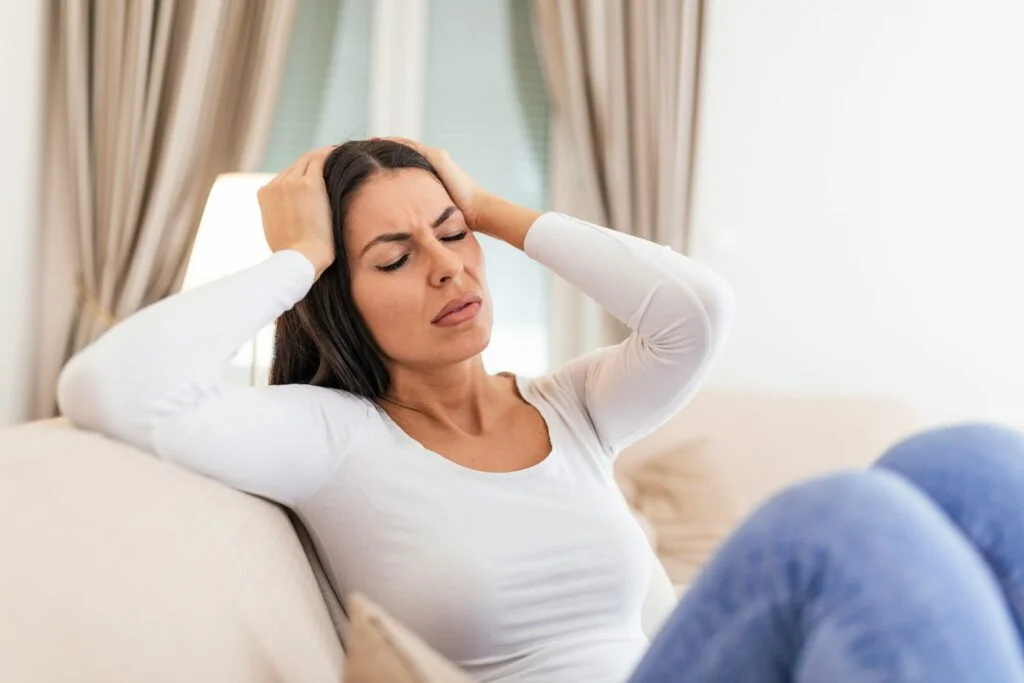
Yes, both. Headaches are one of the five main symptoms on the NHS iron deficiency anaemia page. The NHS dizziness page lists iron deficiency anaemia among the conditions that can make you feel dizzy, light-headed or faint, and says dizziness often goes away once the underlying problem is treated.
Headaches and dizziness have many other causes, including dehydration, missed meals, poor sleep, tension, anxiety and low blood pressure, so neither on its own means you’re low in iron. They point more towards iron deficiency when they come with tiredness, breathlessness or paler skin. If you feel dizzy, the NHS advice is to lie down until it passes, then get up slowly. See a GP if dizziness keeps happening or comes with fainting, changes to your pulse, headaches or feeling sick.
For other causes, see tension headaches, headache behind the eyes and anxiety and dizziness. Low vitamin B12 or folate can cause similar tiredness; see our guide to B vitamins.
Iron deficiency and your eyelids
Doctors sometimes gently pull down your lower eyelid to look at its inner lining (the conjunctiva). This is normally pink to red. In anaemia it can look pale, which is called conjunctival pallor. It’s one of several places, along with the palms, nail beds and tongue, that clinicians check for paleness.
It isn’t a reliable home test, though. A 2023 systematic review of 14 studies found that checking the inner eyelid for pallor picked up anywhere from 19% to 97% of people with anaemia, depending on the study, and that no single check was better than the others. In a hospital study, two observers examining the same patients barely agreed on whether their eyelids looked pale. Pale inner eyelids make anaemia more likely, but normal-looking ones don’t rule it out. Only a blood test can tell you.
Dark circles under the eyes are a different thing. See can iron deficiency cause dark circles?
Restless legs and low iron (ferritin)
Restless legs syndrome is on the NHS list of less common iron deficiency anaemia symptoms. The NHS says the condition is thought to be linked to levels of iron and the brain chemical dopamine, and that you may need iron supplements if a blood test shows low iron.
Iron stores (ferritin) matter here, not just haemoglobin. International restless legs guidelines say oral iron is possibly effective for people with restless legs whose ferritin is 75 micrograms per litre or lower, so if you have restless legs, ask your GP what your ferritin result actually was rather than just whether it was “normal”. Don’t take iron without a test, as too much is harmful.
For everything else that can cause restless legs at night, and what to try, see our full guide to restless legs. Magnesium contributes to normal muscle function; see magnesium for restless legs.
Iron deficiency in women
Women aged 19 to 49 need nearly twice as much iron as men (14.8mg versus 8.7mg a day) because of blood lost through periods. The NHS notes that women with heavy periods are at higher risk and may need iron supplements. Pregnancy also increases iron needs. In a BMJ trial of 144 women with unexplained tiredness but no anaemia, iron tablets reduced fatigue more than placebo, mainly in those with low iron stores. If you’re always tired, ask your GP about a ferritin test. See best supplements for energy.
Diagnosis and treatment
- Your GP will usually arrange a full blood count, and may check your iron stores (ferritin).
- If the cause isn’t clear, they may check for blood loss, for example with a stool test, or refer you.
- Treatment is usually iron tablets for about 6 months, plus treating the cause, such as heavy periods. See our guide to iron tablets for types and timing.
- Iron tablets can cause constipation, nausea and stomach pain. The NHS says drinking orange juice with them may help absorption.
Best foods for iron deficiency
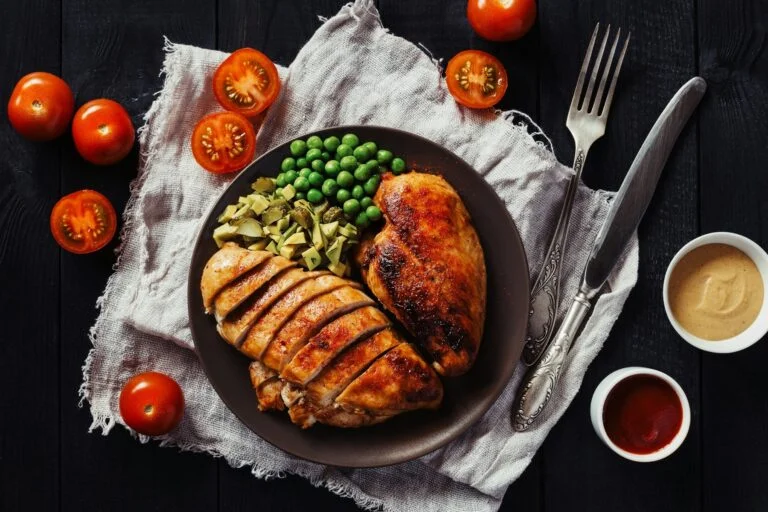
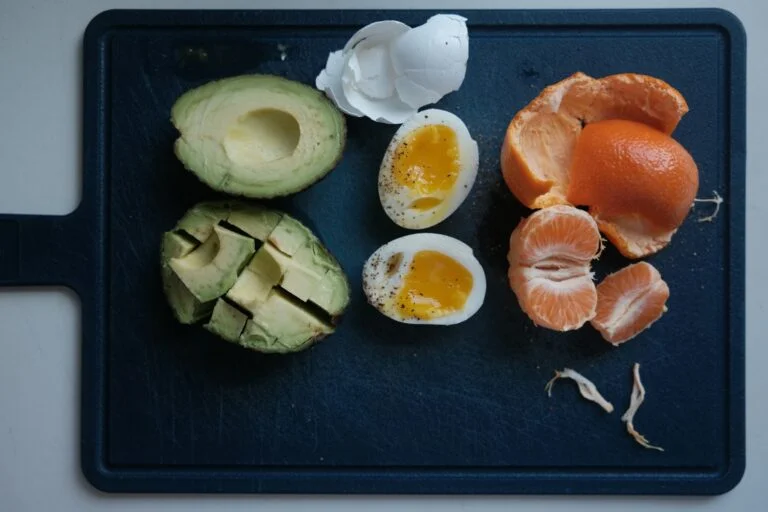
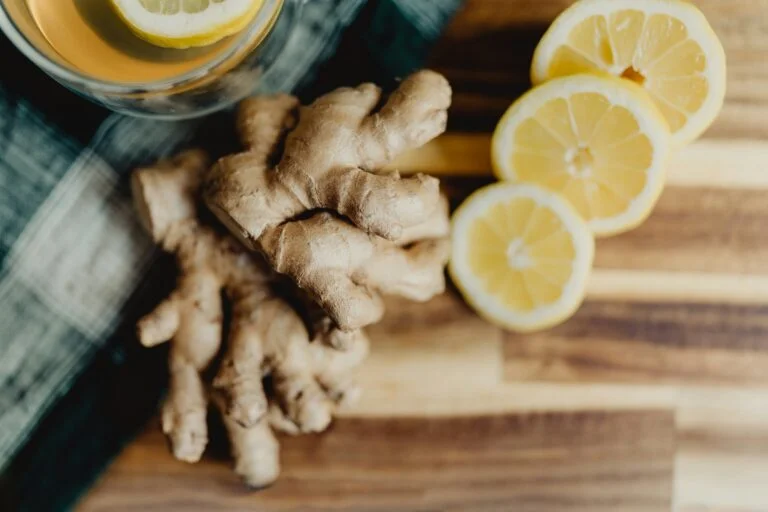
If a blood test shows iron deficiency anaemia, the NHS treatment is iron tablets, but food still matters for keeping your stores up. If diet is part of the cause, the NHS suggests eating more dark-green leafy vegetables such as watercress and curly kale, fortified cereals and bread, meat, dried fruit such as apricots, prunes and raisins, and pulses (beans, peas and lentils).
The NHS lists these good sources: red meat, beans (such as kidney beans, edamame and chickpeas), nuts, dried fruit such as apricots, fortified breakfast cereals and soy bean flour. Liver is also rich in iron but should be avoided in pregnancy. Iron contributes to the reduction of tiredness and fatigue.
- Pair plant iron with vitamin C, such as peppers, citrus or berries, to help absorption. See vitamin C and iron.
- Have tea and coffee between meals rather than with them, as they can reduce iron absorption. The NHS also says large amounts of milk and dairy, and of foods high in phytic acid such as wholegrain cereals, can make iron harder to absorb.
For iron per portion in 36 UK foods, and the best sources for vegetarians and vegans, see our full list of foods high in iron. Many iron-rich foods are also high in magnesium. See foods high in magnesium and vitamin B12 deficiency.
How much iron do you need?
| Who | Iron per day (NHS) |
|---|---|
| Men aged 19 and over | 8.7mg |
| Women aged 19 to 49 | 14.8mg |
| Women aged 50 and over | 8.7mg (more if periods continue) |
The NHS says 17mg or less a day of iron supplements is unlikely to cause harm, unless your GP advises a higher dose. Very high doses can be fatal, especially to children, so keep iron tablets out of their reach.
Related guides
- Stress and hair loss.
- Why am I always cold?
- Vitamin D deficiency symptoms.
- Supplements for women over 40, including when iron is worth it.
- Feeling the cold in your feet as well? See what can cause cold feet, including low iron.
- Low iron is one reason some people keep getting mouth ulcers.
- Brittle nails for other causes of weak, peeling or spoon-shaped nails.
- Multivitamins with iron: who needs them.
- Shilajit side effects, including iron overload cautions.
- Low iron is one of several causes of brain fog.
- Period pain: what helps and when to see a GP.
- Heavy, painful periods and endometriosis.
- Iron, vitamin D and the best supplements for hair growth.
Evopure doesn’t make an iron supplement, and none of our products treats iron deficiency: if you think you’re low, see your GP for a blood test. Magnesium contributes to a reduction of tiredness and fatigue. Our reishi hot chocolate contains a little natural caffeine from the cacao.
The FSA’s 10mg a day figure for CBD is precautionary advice rather than a legal limit, set while longer-term safety research continues. At Evopure we think it is a very cautious figure, and many adults use more. If you go above it, increase slowly, and check with your GP or pharmacist first if you take any medication.
Our products are for adults (18+). We don’t recommend our products during pregnancy or breastfeeding. If you take any medication, check with your GP or pharmacist first.
FAQs
What are the first signs of iron deficiency?
Tiredness and lack of energy, often with shortness of breath, palpitations, pale skin or headaches.
Can low iron cause hair loss?
Yes. The NHS lists hair loss as a less common symptom of iron deficiency anaemia.
Why do women get iron deficiency more often?
Periods, especially heavy ones, and pregnancy increase iron needs. Women aged 19 to 49 need 14.8mg a day versus 8.7mg for men.
Should I take iron tablets if I’m tired?
Only if a blood test shows you’re low. Too much iron is harmful, so see your GP first.
How long does it take to recover from iron deficiency?
Iron tablets are usually taken for about 6 months to rebuild your stores, and you may feel better within weeks.
What are the symptoms of severe iron deficiency?
Usually the same symptoms, only stronger: marked tiredness, breathlessness with light effort and a fast or pounding heartbeat. Call 999 or go to A&E if palpitations come with chest pain, shortness of breath, or feeling faint or fainting.
Can iron deficiency cause headaches and dizziness?
Yes. The NHS lists headaches as a main symptom of iron deficiency anaemia, and lists iron deficiency anaemia as one cause of dizziness. Both have many other causes, so a blood test is the way to know.
Can you tell if you’re anaemic from your eyelids?
Not reliably. Pale inner eyelids are a sign doctors look for, but studies show the check misses many people with anaemia. Only a blood test can confirm it.
What food is good for iron deficiency?
Red meat, pulses, dark-green leafy vegetables, fortified cereals and bread, and dried fruit. Eat plant sources with vitamin C-rich foods and have tea and coffee between meals. If a blood test shows anaemia, your GP will usually recommend iron tablets as well.
Can low iron cause restless legs?
Yes. The NHS lists restless legs syndrome as a less common symptom of iron deficiency anaemia. Ask your GP to check your ferritin (iron stores) if you have restless legs.
Sources
- NHS. Iron deficiency anaemia.
- NHS. Iron.
- Verdon F et al (2003). Iron supplementation for unexplained fatigue in non-anaemic women: double blind randomised placebo controlled trial. BMJ.
- NHS. Dizziness.
- NHS. Heart palpitations.
- NHS. Chest pain.
- NHS. Restless legs syndrome.
- Vyas N et al (2023). The accuracy of physical examination to diagnose anemia among patients five years or older: a systematic review. Indian Journal of Hematology and Blood Transfusion.
- Kalantri A et al (2010). Accuracy and reliability of pallor for detecting anaemia: a hospital-based diagnostic accuracy study. PLoS One.
- Allen RP et al (2018). Evidence-based and consensus clinical practice guidelines for the iron treatment of restless legs syndrome/Willis-Ekbom disease in adults and children: an IRLSSG task force report. Sleep Medicine.
This guide is general information, not medical advice.