Last updated: 10 November 2026
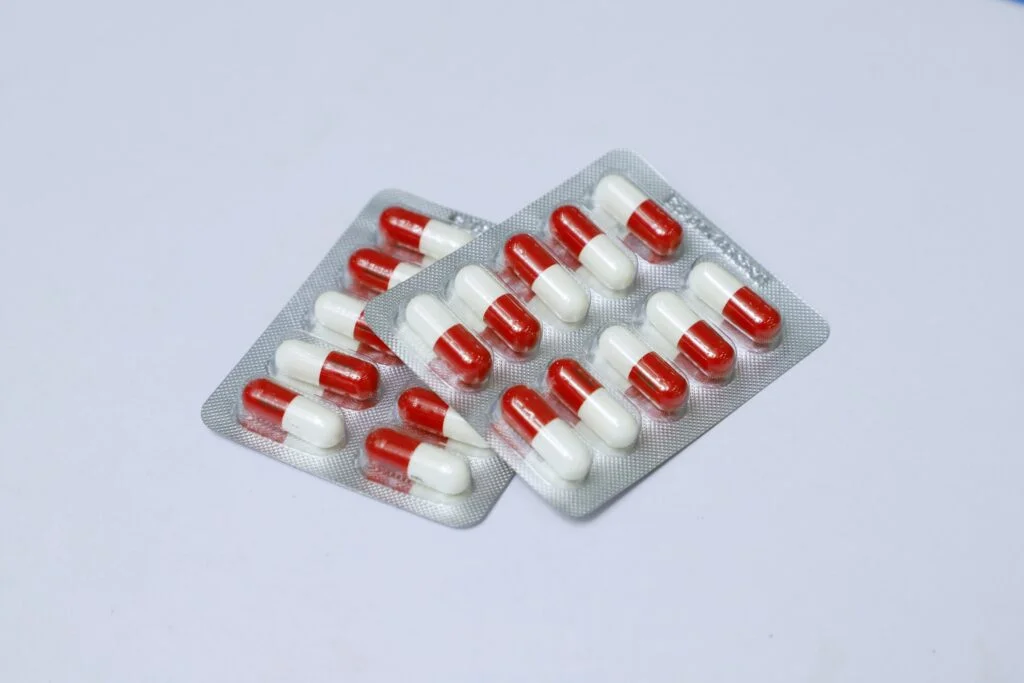
Antibiotics don’t usually make you tired. Tiredness isn’t listed as a common side effect of amoxicillin, flucloxacillin, doxycycline, clarithromycin or nitrofurantoin on their NHS pages: the main ones are feeling sick, diarrhoea and indigestion. Feeling tired is more often down to the infection itself. Keep taking the course as prescribed.
If you don’t feel better after 3 to 5 days, or you feel worse, speak to your doctor or call NHS 111. Checked against the NHS antibiotics pages and the NHS pages for each medicine below (reviewed 2022 to 2026), and a UK flucloxacillin product summary on the electronic medicines compendium, in November 2026.
Do antibiotics make you tired? What the NHS says
Not usually. The NHS says most antibiotics don’t cause problems if they’re used properly, and lists being sick, feeling sick, bloating and indigestion, and diarrhoea as the common side effects. Tiredness isn’t on that list, or on the common side effect lists for five commonly prescribed antibiotics.
| Antibiotic | Common side effects (NHS) | Is tiredness listed? |
|---|---|---|
| Amoxicillin | Skin rash, feeling sick, diarrhoea | No |
| Flucloxacillin | Feeling or being sick, diarrhoea, bloating and indigestion | No |
| Doxycycline | Headaches, feeling or being sick, a rash | Only as a sign of rare blood cell changes |
| Clarithromycin | Feeling or being sick, diarrhoea, bloating and indigestion, headaches, difficulty sleeping | No, but poor sleep is common |
| Nitrofurantoin | Feeling sick, diarrhoea, loss of appetite, headaches, darker pee | Only as a sign of rare blood problems |
Drowsiness does appear on several of these NHS pages, but only as a warning sign of a serious allergic reaction: sudden confusion, drowsiness or dizziness with swelling or breathing problems needs 999 (see when to get help). That is very different from feeling worn out while you get over an infection.
Does flucloxacillin make you tired?
Flucloxacillin doesn’t usually make you tired. The NHS lists feeling or being sick, diarrhoea, and bloating and indigestion as its common side effects, and says it shouldn’t affect your ability to drive or cycle. A UK product summary for flucloxacillin 500mg capsules doesn’t list fatigue, drowsiness or dizziness among its side effects at all.
The NHS says flucloxacillin is used for skin and wound infections, bone infections and ear infections, and those infections can leave you feeling drained. The NHS says to take it on an empty stomach and to carry on until you’ve finished the course. One thing to know: rare liver problems can show up as yellow skin or eyes, pale poo and dark pee up to 2 months after finishing the course, so call your doctor or 111 straight away if you notice them.
Amoxicillin, doxycycline, clarithromycin and nitrofurantoin
Does amoxicillin make you tired?
Amoxicillin doesn’t usually make you tired. Its common side effects on the NHS page are a skin rash, feeling sick and diarrhoea, and the NHS says it shouldn’t affect driving or cycling. Most people feel better within a few days. Tell your doctor if you don’t start to feel better after 3 to 5 days.
Does doxycycline make you tired?
Not as a common side effect. The NHS lists headaches, feeling or being sick and a rash. Tiredness appears only as one possible sign of rare changes in blood cells, alongside bruising easily and catching infections more often. Doxycycline also makes skin more sensitive to the sun, and the NHS says avoid lying down for 30 minutes after taking it.
Does clarithromycin make you tired?
Not directly, but it can affect sleep. The NHS lists difficulty sleeping (insomnia) and headaches among its common side effects, along with feeling sick, diarrhoea and indigestion. A few broken nights can leave you tired the next day. If poor sleep bothers you, speak to your pharmacist. See insomnia and sleep debt.
Does nitrofurantoin make you tired?
Not usually. Nitrofurantoin, a common antibiotic for urine infections, lists feeling sick, diarrhoea, loss of appetite, headaches and darker pee as common side effects on the NHS page. “Feeling tired or generally unwell” appears only as a possible sign of rare blood problems, and the NHS says it won’t usually affect driving.
Why do I feel so tired on antibiotics?
Usually because you’re ill. When you have an infection, your immune system releases signalling proteins that act on the brain and switch on “sickness behaviour”: tiredness, sleepiness, low appetite and wanting to rest. Researchers have described this as the body’s way of saving energy to fight the infection.
- The infection itself. A chest, skin or urine infection can wipe you out, and tiredness can last a little beyond the worst symptoms.
- Poor sleep. Coughing, a high temperature, pain or getting up to pee all break up the night. See how to sleep with a cold.
- Eating and drinking less. Feeling sick, losing your appetite or having diarrhoea can leave you low on fluids and food.
- Other medicines. Drowsy antihistamines or codeine in some cold remedies can make you sleepy. See cold and flu tablets.
- A virus, not bacteria. The NHS says antibiotics don’t work for viral illnesses such as colds, flu or glandular fever, and it says tiredness after glandular fever may last for several months. See cold or flu?
- Something else. Low iron, low B12, an underactive thyroid or another medicine, such as statins, beta blockers, fluoxetine or weight-loss injections (Mounjaro and Wegovy). For the bigger picture, see why am I always tired? and how to stay awake when tired.
How long will I feel tired?
For most infections, the NHS says you should feel better within a few days of starting amoxicillin or flucloxacillin. Energy often takes a little longer to come back than the main symptoms. If you don’t feel better after 3 to 5 days, tell your doctor.
If you’ve finished the course and you’re still tired for a few weeks with no clear reason, or tiredness affects daily life, the NHS advice is to see a GP. They may check your blood for anaemia, thyroid problems or diabetes. See iron deficiency, vitamin B12 deficiency and does diabetes make you tired?
Should I finish the course if I feel tired?
Yes. The NHS amoxicillin and flucloxacillin pages say it’s very important to keep taking the antibiotic until you’ve finished the course, even if you feel better, because this helps stop the infection coming back. Feeling tired isn’t a reason to stop on your own.
iIf side effects bother you, speak to your pharmacist or the doctor who prescribed it. If you miss a dose, the NHS says take it as soon as you remember unless it’s nearly time for the next one, and never take a double dose to make up for a missed one.
Can you drink alcohol on antibiotics?
With most antibiotics, yes: the NHS says you can drink alcohol while taking amoxicillin or flucloxacillin. Two are different. The NHS says avoid alcohol completely while taking metronidazole and for 48 hours after the last dose, and while taking tinidazole and for 72 hours after. Together, they can cause sickness, stomach pain, hot flushes, a racing heart and headaches.
Even when alcohol is allowed, it won’t help you recover, and it can disturb your sleep, which adds to next-day tiredness. See alcohol and sleep.
What helps tiredness on antibiotics
- Rest. Your body is fighting an infection. Short daytime rests are fine while you’re unwell; once you’re better, the NHS insomnia advice is to avoid long naps so night-time sleep comes back. See power naps.
- Keep drinking. Little and often, especially if you have diarrhoea or are being sick.
- Eat what you can. Small, plain meals are easier if you feel sick. Ask your pharmacist whether your antibiotic should be taken with food or on an empty stomach.
- Keep regular sleep times. Get up at the same time each day once you’re on the mend. See sleep hygiene.
- Go easy on alcohol, and avoid it completely with metronidazole or tinidazole.
- Build back slowly. Start with gentle activity, such as a short walk, rather than pushing straight back into a full week. See how to boost energy naturally.
- Talk to a pharmacist if side effects bother you. They can check your other medicines too.
If diarrhoea is part of the picture, our guides to gut health and probiotics explain what the research does and doesn’t show.
When to get medical help
| If you have | What to do |
|---|---|
| No improvement after 3 to 5 days, or you feel worse | Tell your doctor, or call NHS 111 |
| Tiredness for a few weeks after the course, or it affects daily life | See a GP |
| Severe diarrhoea, or diarrhoea with blood or mucus | Call your doctor or 111 straight away |
| Yellow skin or eyes, pale poo and dark pee (can appear up to 2 months later) | Call your doctor or 111 straight away |
| Swollen lips, mouth, tongue or throat, trouble breathing, or sudden confusion or drowsiness | Call 999 now |
| A rash with blistering or peeling skin | Call 999 or go to A&E |
The NHS says don’t drive yourself to A&E with a serious allergic reaction. You can report side effects through the MHRA Yellow Card scheme.
Supplements and CBD with antibiotics: check first
No supplement treats an infection or replaces an antibiotic. The NHS asks you to tell your doctor about any herbal remedies, vitamins or supplements before you start a course, because some don’t mix.
Minerals: the NHS says iron, zinc and indigestion remedies may not mix well with doxycycline. A UK product summary for ciprofloxacin says take it 1 to 2 hours before, or at least 4 hours after, products containing calcium, magnesium or iron. If you take a magnesium supplement, ask your pharmacist how far apart to take it from your antibiotic.
CBD: CBD can affect how the liver processes some medicines, and the FSA advises people taking any medication not to take CBD unless under medical direction, so we don’t suggest CBD during a course. See CBD and antibiotics and can CBD interact with medication?

Our pick
Magnesium Glycinate Sleep Complex
once you’re on the mend and your pharmacist or prescriber is happy, the Magnesium Glycinate Sleep Complex is a berry drink powder with 290mg of magnesium (77% NRV) per 4.75g serving, from bisglycinate and citrate, plus glycine and L-theanine. Magnesium contributes to a reduction of tiredness and fatigue. It doesn’t treat an infection.
Add Magnesium Glycinate Sleep Complex to bag See ingredients and reviews
Subscribe and save 25% on your first order, then 20%. New to Evopure? Join our emails for 20% off a one-off first order. Free UK delivery over £45. Vegan and made in the UK.
Subscribe £22.49One-off £29.99
View productOur Reishi Mushroom Adaptogenic Complex isn’t suggested here: its pack says it isn’t for people on medication. For more on magnesium and tiredness, see magnesium for energy.
iIf you take any regular medicines, check with your GP or pharmacist first. We don’t recommend our products during pregnancy or breastfeeding. For adults (18+) only.
Next step
Magnesium Glycinate Sleep Complex
when your course is finished and your pharmacist or prescriber is happy, add the Magnesium Glycinate Sleep Complex to your evening routine: 290mg of magnesium (77% NRV) per 4.75g berry drink. Magnesium contributes to a reduction of tiredness and fatigue.
Add Magnesium Glycinate Sleep Complex to bag See ingredients and reviews
Subscribe and save 25% on your first order, then 20%. New to Evopure? Join our emails for 20% off a one-off first order. Free UK delivery over £45. If you take any regular medicines, check with your GP or pharmacist first. We don’t recommend our products during pregnancy or breastfeeding.
Subscribe £22.49One-off £29.99
View productSources 11
- NHS. Antibiotics, Antibiotics: side effects and Antibiotics: interactions (reviewed 11 November 2022).
- NHS. Side effects of flucloxacillin and Common questions about flucloxacillin (reviewed 26 June 2025).
- NHS. Side effects of amoxicillin and Common questions about amoxicillin (reviewed 2 June 2025).
- NHS. Doxycycline (reviewed 5 September 2025), Side effects of clarithromycin (reviewed 25 March 2026) and Nitrofurantoin (reviewed 9 October 2026).
- NHS. Common questions about metronidazole and Ciprofloxacin.
- Flamingo Pharma (UK) Ltd. Flucloxacillin Capsules 500mg summary of product characteristics, electronic medicines compendium.
- Ranbaxy (UK) Ltd. Ciprofloxacin 500mg film-coated tablets summary of product characteristics, electronic medicines compendium.
- NHS. Tiredness and fatigue and Glandular fever.
- Dantzer R et al. From inflammation to sickness and depression: when the immune system subjugates the brain. Nature Reviews Neuroscience, 2008.
- MHRA. Yellow Card scheme.
- FSA (gov.uk). Cannabidiol (CBD) guidance.
This guide is general information, not medical advice. Always follow your prescriber and the leaflet that comes with your medicine. Evopure makes the Magnesium Glycinate Sleep Complex and doesn’t make or sell antibiotics.