Last updated: October 2026
The main vitamin D deficiency symptoms are bone pain (often in the back, ribs, pelvis or legs), aching or weak muscles, cramps and, in children, bowed legs from rickets. Many people with low vitamin D have no symptoms, and tiredness, low mood and hair loss have many other causes. A GP blood test is the only way to know.
Below: how reliable each sign is, what severe deficiency looks like, who is most at risk in the UK, what your blood test means and how much to take.
The short version: vague symptoms are a reason to see your GP, not a reason to start high-dose vitamin D on your own. For everyday prevention, the NHS advice is simple: 10 micrograms (400 IU) a day from October to March. Our vitamin D in winter guide explains the daily dose in full.
Signs of low vitamin D
Vitamin D helps the body control calcium and phosphate, so the clearest signs of a real deficiency show up in bones and muscles. Online lists often include a dozen or more symptoms, but the evidence behind them varies a lot.
| Sign | How strong is the link? | Other common causes |
|---|---|---|
| Bone pain or tenderness (back, ribs, pelvis, legs) | Strong, especially when it has gone on for months | Arthritis, injury, joint pain from other causes |
| Muscle aches, cramps, tingling or twitching | Strong when severe and long-lasting | Exercise, anxiety and tiredness, dehydration |
| Weak thigh and hip muscles (struggling with stairs or getting up from a chair) | Strong, a typical sign of osteomalacia | Thyroid problems, ageing, inactivity |
| Bowed legs, late teeth or slow growth in children | Strong, the main signs of rickets | Needs a doctor to assess |
| Bones that break easily | Moderate, linked to long-term low levels | Osteoporosis, low calcium |
| Tiredness | Weak on its own | Iron deficiency, low B12, thyroid, poor sleep |
| Low mood in winter | Weak; mood has many causes | Winter blues, SAD, stress |
| Hair loss | Weak; linked in studies but not shown to be a cause | Stress, iron, thyroid, hormones |
| Getting ill often | Weak; immunity depends on many things | Poor sleep, stress, young children at home |
Vitamin D contributes to the maintenance of normal bones and to the maintenance of normal muscle function, which is why bone and muscle signs are the ones doctors take most seriously.
Our pick
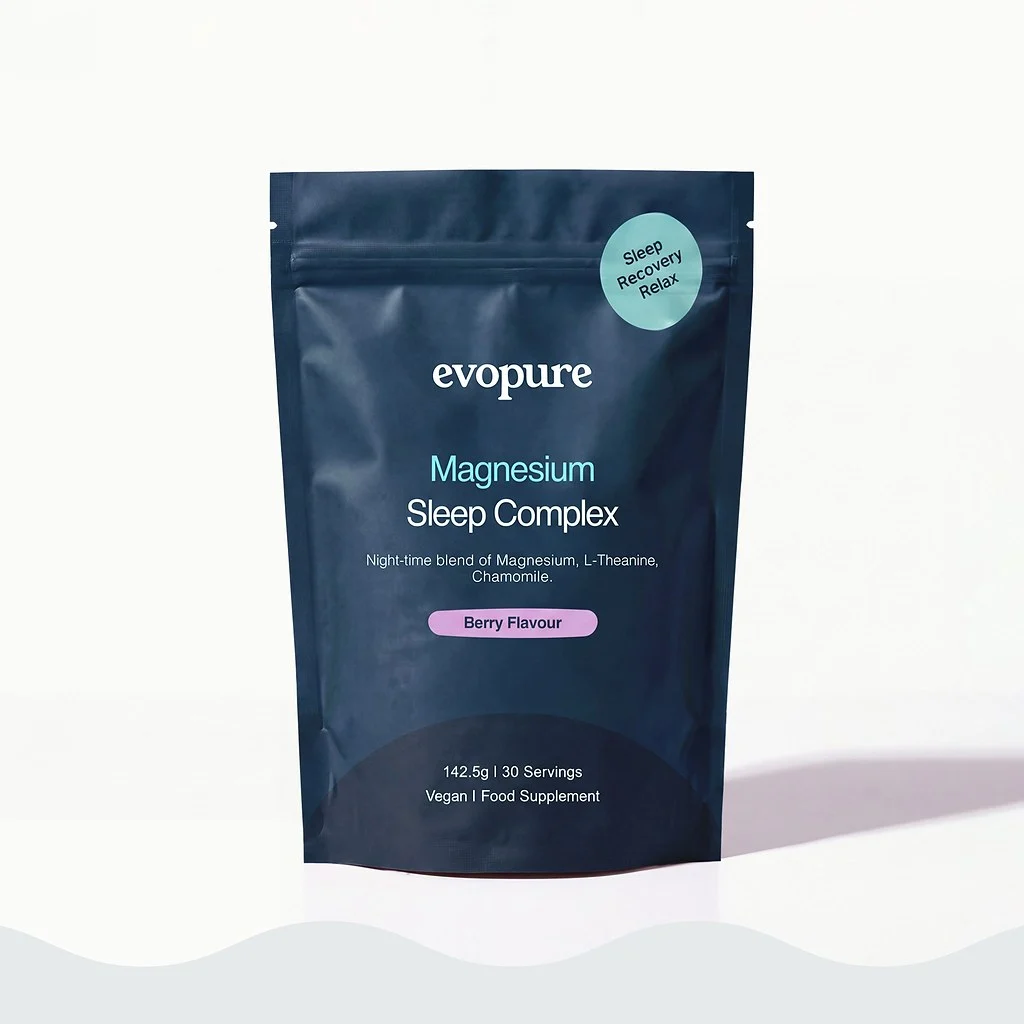
Magnesium Glycinate Sleep Complex
Magnesium Glycinate Sleep Complex is a berry drink powder with 290mg of magnesium a scoop from bisglycinate and citrate, plus glycine and L-theanine. Magnesium contributes to a reduction of tiredness and fatigue.
Add Magnesium Glycinate Sleep Complex to bag See ingredients and reviews
Vegan and made in the UK. Free UK delivery over £45, 14-day returns on unopened items.
Subscribe £22.49One-off £29.99
View productSevere vitamin D deficiency symptoms: osteomalacia and rickets
A long-term lack of vitamin D and calcium can make the bones soft and weak. In adults this is osteomalacia; in children it is rickets. The NHS lists these symptoms:
- pain in the back, shoulders, ribs, pelvis or legs
- swollen, painful wrists
- weak muscles that make climbing stairs or getting out of a chair hard
- a change in the way you walk, or tiring easily when walking
- tingling, cramping or twitching muscles
- bones that break more often or after a minor accident, especially the hips, lower back and feet
iRickets in children: the main sign is bowed legs. Children may also be small for their age, with teeth that come through late. If you are worried about a child, see your GP or health visitor, and read the NHS rickets and osteomalacia page. Our products are for adults only.
A GP checks vitamin D and calcium with blood tests, and a specialist may arrange X-rays or a bone scan. Treatment is usually vitamin D and calcium under medical supervision.
Vitamin D deficiency and tiredness
Low vitamin D and tiredness both peak in late winter, so it is easy to link them. But tiredness has many causes, from poor sleep and stress to iron deficiency, low B12 and an underactive thyroid. See why am I always tired? and why am I so tired in winter?
The research is limited. One Swiss trial gave 120 otherwise healthy adults who were both tired and low in vitamin D either a single large dose of vitamin D3 or a placebo. After four weeks, fatigue scores improved more in the vitamin D group. It was small and short, and only included people with a confirmed deficiency.
If you are tired all the time, ask your GP to check the usual causes together. Vitamin D has no authorised health claim for tiredness, but magnesium does: magnesium contributes to a reduction of tiredness and fatigue. Our Magnesium Glycinate Sleep Complex gives 290mg of magnesium per serving. If you like a warm drink on dark evenings, our Reishi Mushroom Adaptogenic Complex is a reishi hot chocolate made with cacao, which contains a little natural caffeine. Neither product contains vitamin D or is a treatment for deficiency, so see your GP first if you have symptoms. Both are for adults; we don’t recommend our products during pregnancy or breastfeeding, and check with your GP or pharmacist if you take any medication. For other options, see the best supplements for energy.
Does vitamin D deficiency cause hair loss?
The evidence shows a link, not proof of cause. A 2024 review found that roughly half of people with alopecia areata (patchy hair loss), female pattern hair loss or telogen effluvium (sudden shedding) had low vitamin D. Compared with people without hair loss, though, the difference was only clear for alopecia areata and female pattern hair loss, not male pattern baldness.
These studies compared people with and without hair loss, so they cannot show that low vitamin D caused it, and the researchers called for more trials of vitamin D as a treatment. They did suggest checking vitamin D in people with those two types of hair loss.
iIf your hair is coming out in patches or clumps, see your GP, who can also check iron, thyroid and hormones. See why is my hair falling out? and stress and hair loss.
Vitamin D and low mood
Low vitamin D has been linked with a higher risk of depression in observational studies, but a link does not show cause: people who feel low may simply go outside less.
The trials are mixed. In the largest, VITAL-DEP, 18,353 adults aged 50 and over took 2,000 IU of vitamin D3 a day or a placebo for a median of 5.3 years, with no difference in depression risk or mood scores. A 2023 review of 41 trials found a small benefit on depressive symptoms, but rated the certainty of the evidence as very low.
So vitamin D is not a treatment for depression, and low mood is not a reliable sign of deficiency. Shorter days can also bring on the winter blues or seasonal affective disorder, where a SAD lamp may help. If low mood is not lifting, talk to your GP (see low mood vs depression). If you are struggling to cope right now, call Samaritans free on 116 123.
Who is at risk of low vitamin D in the UK?
Low vitamin D is common here. In the UK National Diet and Nutrition Survey (2019 to 2023), 18% of adults aged 19 to 64 and 12% of those aged 65 and over had blood levels below 25 nmol/L, rising to between 21% and 38% from January to March. Between October and early March, UK sunlight is too weak for your skin to make enough. The symptoms are the same in women and men, though low levels were slightly more common in men aged 19 to 64.
You are more likely to be low if you:
- have darker skin, for example an African, African-Caribbean or south Asian background
- are rarely outdoors, for example if you are frail or housebound
- live in a care home or other institution
- usually cover most of your skin when outside
- are 65 or over (the NHS advises a supplement especially for this age group)
- are pregnant or breastfeeding (ask your midwife or GP which product to use)
- have a BMI over 30
- have a condition that affects fat absorption (such as coeliac or Crohn’s disease), have had weight loss surgery, or have severe liver or kidney disease
- take certain medicines that lower vitamin D (ask your pharmacist)
The NHS advises the first four groups to take 10 micrograms all year, not just in winter. Aches, tiredness and low mood in midlife have many causes too; see perimenopause symptoms.
iBabies and children: the NHS advises a daily vitamin D supplement for all children aged 1 to 4, and for babies who are breastfed or have less than 500ml of formula a day. Ask your health visitor or pharmacist which product to use.
Vitamin D deficiency symptoms in women
The symptoms of vitamin D deficiency in women are the same as in men: bone pain (often in the back, ribs, pelvis or legs), aching or weak muscles, cramps and tingling. Many women with low levels have no symptoms at all. Aches, tiredness and low mood in midlife often have other causes, including perimenopause, so a GP blood test is the only way to know.
Women are more likely to be low if they:
- cover most of their skin outdoors: the NHS advises 10 micrograms a day all year
- are pregnant or breastfeeding: the NHS advises 10 micrograms a day; ask your midwife or GP which product to use
- have darker skin, for example an African, African-Caribbean or south Asian background, as you may not make enough from sunlight
- are 65 or over, frail or housebound, and rarely get sun on their skin
Bones matter more after the menopause: the NHS says falling oestrogen can lead to a rapid decrease in bone density. NHS advice is the same for women and men: consider 10 micrograms (400 IU) a day from October to March, all year if you are in a higher-risk group, and no more than 100 micrograms (4,000 IU) a day unless your doctor advises it. Bone pain, muscle weakness or a bone that broke after a minor fall is a reason to see your GP.
Testing: what your vitamin D level means
The test measures 25-hydroxyvitamin D, written 25(OH)D. A GP will usually test if you have bone pain, muscle weakness, widespread aches or a bone condition. NICE advises against routine testing in people without symptoms; people at higher risk should simply take a daily supplement.
| Blood level of 25(OH)D | What it means (UK thresholds for bone health) |
|---|---|
| Below 25 nmol/L | Deficient: higher risk of poor bone and muscle health |
| 25 to 50 nmol/L | May be inadequate (insufficient) for some people |
| Above 50 nmol/L | Enough for most people |
The 25 nmol/L cut-off underpins UK vitamin D advice, and the 25 to 50 band is used in NICE’s guidance for GPs. Check the range printed on your own result. Home finger-prick kits measure the same marker, but a result on its own is not a diagnosis. If yours is low, see your GP rather than treating yourself with high doses.
How vitamin D deficiency is treated
Treating a confirmed deficiency is different from the everyday 10 micrograms the NHS advises for prevention.
| Everyday prevention | Treating a diagnosed deficiency | |
|---|---|---|
| Who decides | You, following NHS advice | Your GP or specialist |
| Typical amount | 10 micrograms (400 IU) a day | A loading course totalling about 300,000 IU over 6 to 10 weeks, then a maintenance dose |
| Maintenance | Not needed | 800 to 2,000 IU (20 to 50 micrograms) a day, starting about a month after loading |
| Checks | None | Calcium intake reviewed; some people need blood tests |
NICE guidance says GPs use a loading course when a deficiency needs correcting quickly, for example when someone has symptoms; otherwise they may start straight on a maintenance dose. Vitamin D3 is the preferred form, and your GP will check you get at least 700mg of calcium a day. Never copy a loading dose on your own. Our guide to vitamin D vs D3 explains the labels.
How much vitamin D to take (and how much is too much)
For prevention, adults and children from age 1 need 10 micrograms a day, including during pregnancy and breastfeeding. One microgram equals 40 IU, so 10 micrograms is 400 IU.
| Who | NHS advice | Upper limit (unless your doctor says otherwise) |
|---|---|---|
| Adults and children over 4 | Consider 10 micrograms (400 IU) a day, October to March | 100 micrograms (4,000 IU) a day for adults and 11 to 17 year olds |
| Higher-risk adults (rarely outdoors, care homes, covered skin, darker skin) | 10 micrograms a day all year | 100 micrograms (4,000 IU) a day |
| Children aged 1 to 4 | 10 micrograms a day all year | 50 micrograms (2,000 IU) a day for ages 1 to 10 |
| Babies under 1 | 8.5 to 10 micrograms a day if breastfed or on less than 500ml of formula | 25 micrograms (1,000 IU) a day |
Too much over a long time can cause calcium to build up in the body (hypercalcaemia), which can weaken bones and damage the kidneys and heart. You cannot overdose from sunlight. Add up everything you take, including multivitamins, and ask your GP if you have a medical condition. See how much vitamin D to take in the UK.
Can you take vitamin D at night?
Yes. The NHS does not set a best time of day, and taking it every day matters most. Vitamin D is fat-soluble, so a meal is an easy anchor, whether breakfast or dinner. Our guide to the best time to take vitamin D covers food, morning versus night and sleep, and many people pair it with magnesium in winter (see magnesium and vitamin D together).
Vitamin D from food and sunlight
Only a few foods contain vitamin D, and the NHS says it is difficult to get enough from food alone. Sources include oily fish (salmon, sardines, trout, herring, mackerel), egg yolks, red meat, liver (avoid if pregnant) and fortified fat spreads and breakfast cereals. UK cows’ milk is generally not fortified, so it is not a good source. For bones you also need calcium; see how much calcium you need.
From about late March or early April to the end of September, most people can make enough vitamin D from sunlight. The NHS suggests around 15 minutes outside without sunscreen 2 or 3 times a week, more often if you have brown or black skin, without burning. Our winter wellness guide covers the darker months.
When to see a GP
iSee a GP if you have:
- bone pain, or aching muscles that don’t settle
- muscle weakness, such as struggling to climb stairs or get up from a chair
- a bone that broke after a minor fall or knock
- tiredness or low mood that has lasted more than a few weeks
- hair falling out in patches or clumps
- a child with bowed legs, delayed teeth or slow growth
iYour GP can check vitamin D alongside iron, B12 and thyroid levels. See underactive thyroid symptoms, body aches and, if tiredness will not lift, chronic fatigue syndrome. For winter colds, see how to support your immune system.
If you keep catching bugs, our cold vs flu guide explains how to tell them apart and when to call 111.
Related guides
- For where vitamin D fits with B12 and the rest, see supplements for men over 50.
- For women, our guide to supplements for women over 40, 50 and 60 covers vitamin D with calcium and bones.
- Wondering whether a high-strength tablet is safe? See how much vitamin D is too much, including 4,000 vs 10,000 IU.
Sources 9
- NHS. Vitamin D.
- NHS. Rickets and osteomalacia.
- NHS. Osteoporosis: causes.
- NICE Clinical Knowledge Summaries. Vitamin D deficiency in adults.
- Office for Health Improvement and Disparities (2025). National Diet and Nutrition Survey 2019 to 2023 report.
- Nowak A et al (2016). Effect of vitamin D3 on self-perceived fatigue: a double-blind randomized placebo-controlled trial. Medicine (Baltimore).
- Yongpisarn T et al (2024). Vitamin D deficiency in non-scarring and scarring alopecias: a systematic review and meta-analysis. Frontiers in Nutrition.
- Okereke OI et al (2020). Effect of long-term vitamin D3 supplementation vs placebo on risk of depression or clinically relevant depressive symptoms and on change in mood scores. JAMA.
- Mikola T et al (2023). The effect of vitamin D supplementation on depressive symptoms in adults: a systematic review and meta-analysis of randomized controlled trials. Crit Rev Food Sci Nutr.
iThis guide is general information, not medical advice. If you have symptoms, please see your GP.