














Last updated: 10 November 2026
CBD oil can suit healthy adults in their 50s, 60s and 70s, and there is no upper age limit, but there is no special older-adult dose either. The FSA advises healthy adults to keep to 10mg a day and does not recommend CBD for anyone taking medication unless under medical direction. Checked October 2026.
So if you take any regular medicines, check with your GP or pharmacist first. For many people in later life, a 10mg capsule is the simplest way to keep to the FSA figure: there is nothing to measure, and the dose is printed on the pot. If capsules suit you better, our guide to the best CBD capsules UK compares the options. To compare gentle products side by side, see our guide to the best CBD oil for over 50s in the UK. Below: what the research says about safety in later life, the FSA’s advice on medicines word for word, who should not take CBD, how much to start with, which format is easiest to use, whether CBD capsules suit older adults, side effects to watch for and when to see your GP.
Our pick
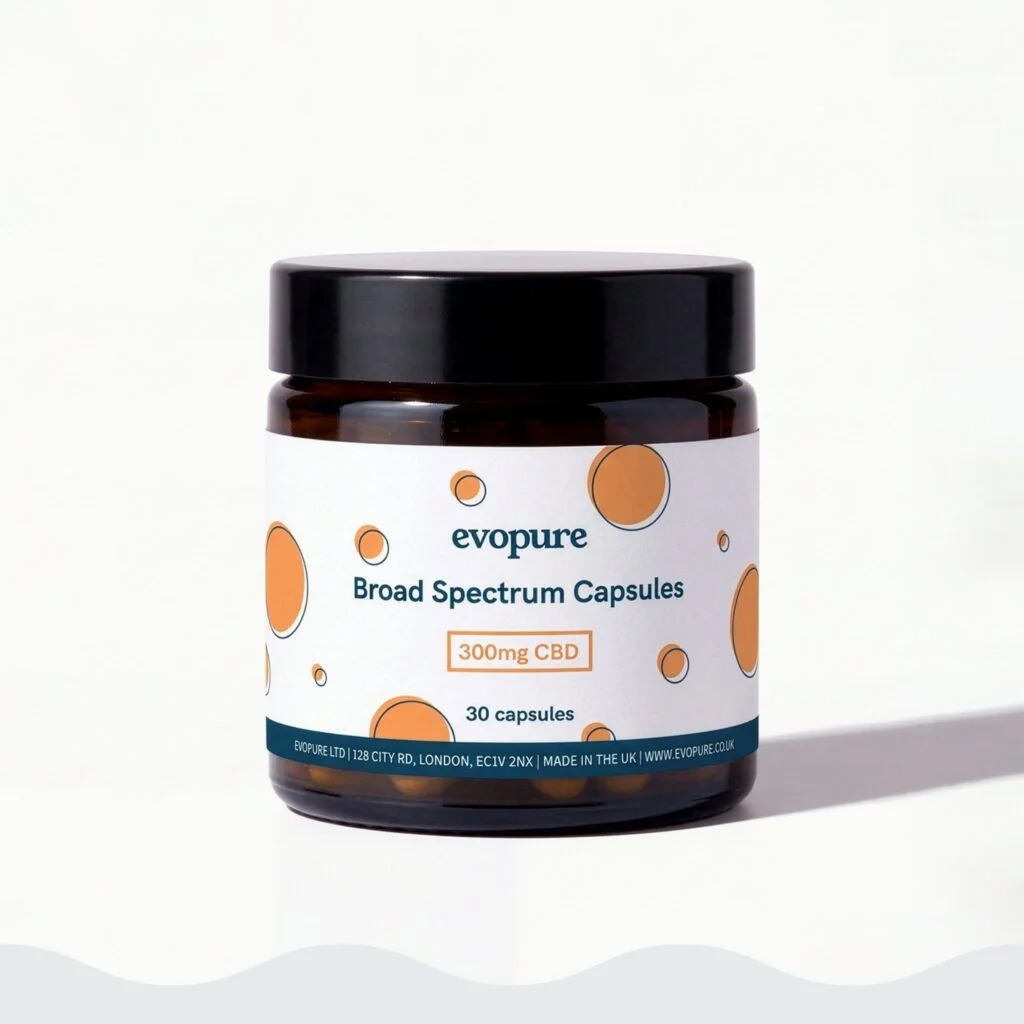
CBD Capsules Broad Spectrum
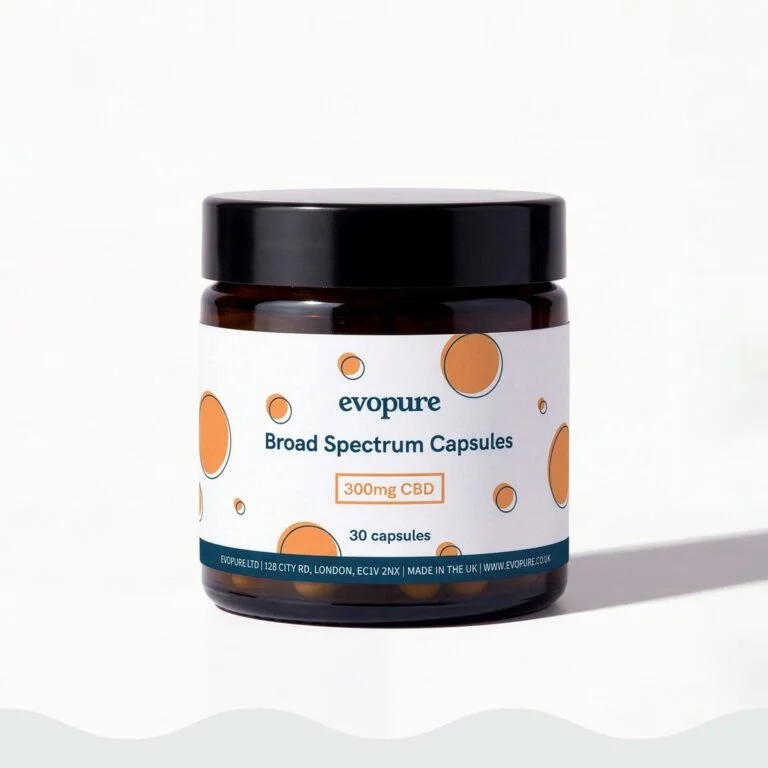
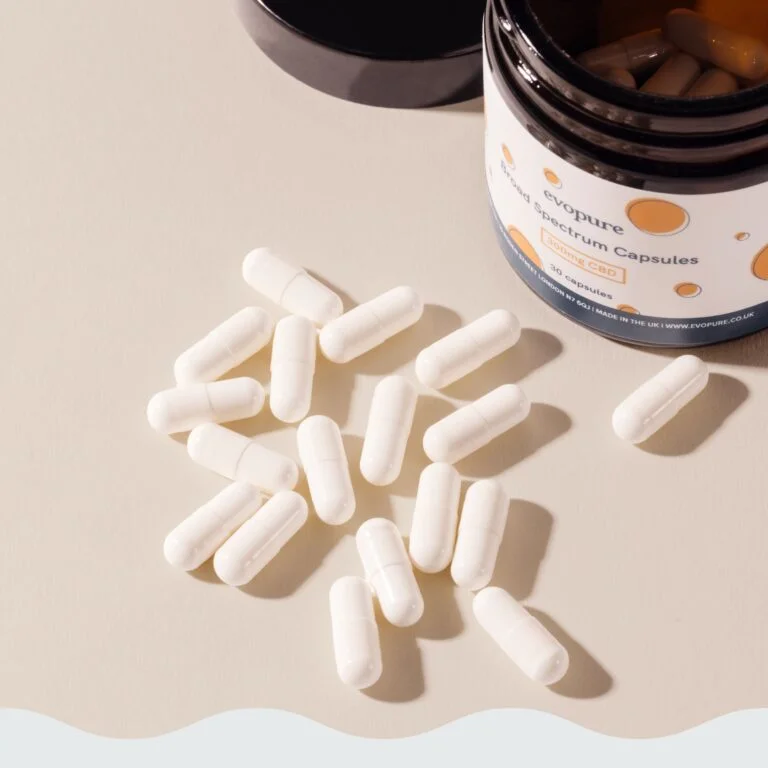
Broad Spectrum CBD Capsules are Evopure’s simplest option for older adults: one tasteless vegan capsule a day with 10mg of broad spectrum CBD (0% THC), 30 a pot, so one capsule matches the FSA’s 10mg a day advice. There’s no dropper to read or measure. A 25mg capsule is also available, which is above the FSA’s advice.
Add Broad Spectrum CBD Capsules 10mg to bag or choose another strength
Third-party lab tested, on the FSA public list (validated application RP438), vegan and made in the UK from US-grown hemp. For adults only. If you take any regular medicines, check with your GP or pharmacist first. Subscribe and save 25% on your first order, then 20%. New to Evopure? Join our emails for 20% off a one-off first order. Free UK delivery over £40.
Subscribe from £14.99One-off from £24.99
View productIs CBD safe for older adults?
For healthy adults who take no medicines, CBD at the FSA’s 10mg a day is generally well tolerated, and age on its own is not a reason to avoid it. The bigger questions in later life are medicines, liver health and anything that makes you drowsy or unsteady.
The best evidence comes from two reviews by a King’s College London team that pooled clinical trials of cannabis-based medicines in people with an average age of 50 or over:
- The 2021 review (46 trials, 6,216 people, average age about 59) found that CBD on its own did not raise the rate of side effects compared with a placebo. Products containing THC, the part of cannabis that makes you high, did: mainly dry mouth, dizziness and drowsiness.
- The 2024 update (58 trials, 6,611 people, average ages from 50 to 87) found the same pattern. THC raised dizziness, balance problems and drowsiness in step with the dose, which matters more for anyone prone to falls.
Two caveats. These were trials of prescription-style products, often at doses far above 10mg, in people being watched by doctors. And the authors say tolerability may be different in people over 65 or 75, because fewer of them were studied.
So the honest answer is: CBD looks well tolerated in older adults, THC is the part to avoid, and the medicines question comes first. Our guide to CBD side effects covers the common ones in more detail.
CBD and medicines: what the FSA says
The Food Standards Agency (FSA) regulates CBD sold as food in England, Wales and Northern Ireland. Its consumer advice on gov.uk says, word for word:
“As a precaution, we do not recommend CBD for people in vulnerable groups, unless under medical direction.”
The FSA lists those groups as children (under 18), people taking any medication, people trying to conceive, and those who are pregnant or breastfeeding. It also says that if you have any health concerns, you should contact a healthcare professional before taking CBD (FSA consumer advice, checked October 2026).
iIf you take any regular medicines, check with your GP or pharmacist first. That includes repeat prescriptions, and it is worth mentioning over-the-counter medicines and other supplements too.
Why medicines matter more in later life
- CBD can change how some medicines work. The NHS says CBD and THC can affect how other medicines work, and that CBD can also affect how your liver works.
- It is about the liver. CBD is broken down by the same liver enzymes that handle many common medicines, so it can raise or lower their levels in the blood. The clearest interactions found in people involve medicines where the dose has to be just right, such as the blood thinner warfarin and some epilepsy medicines, mostly at prescription-level CBD doses. Medicine-by-medicine guides: CBD and blood thinners, CBD and blood pressure tablets and CBD and antidepressants. Men on tamsulosin or finasteride can read CBD and prostate medication.
- More medicines, more to check. If you take several medicines a day, each one is another thing to ask about.
What to ask your GP or pharmacist
- Take the CBD product, or a photo of its label, with you.
- Say how many mg of CBD a day you plan to take, and how you would take it (drops, capsule or balm).
- Bring your list of medicines, including anything you buy yourself.
- Ask: “Could CBD affect any of these, and should anything be checked, such as a blood test?” Our CBD and blood tests guide explains what to mention before one.
iA community pharmacist can usually answer this without an appointment. Our guide can CBD interact with medication? explains the grapefruit warning and which types of medicine to check, and is CBD bad for your liver? covers what the trials show about dose.
Who should not take CBD
Based on the FSA’s advice and the research above, don’t take CBD without speaking to a doctor first if you:
- take any regular medicine, unless your GP, pharmacist or specialist says it is fine (the FSA’s “under medical direction”)
- have liver disease, or have been told your liver tests are raised
- are waiting for an operation (tell the hospital team about everything you take) or have just had a knee replaced (see CBD after a knee replacement)
- are often dizzy, unsteady on your feet, or have had a fall recently
- are caring for someone with dementia and thinking of giving it to them: talk to their GP or memory service first
Also choose a product with no detectable THC. The FSA’s safe upper limit for THC from food is just 70 micrograms a day, and THC is the part linked to dizziness and drowsiness in the trials above. Our guide to CBD vs THC explains the difference, including what it means for driving.
How much CBD should an older adult take?
There is no separate dose for older people. The FSA advises healthy adults to limit CBD from food to 10mg a day, which is about 0.2ml of a 5% (500mg in 10ml) oil, or one 10mg capsule. That limit is the same at 55 as at 75.
Start at or below that, at the same time each day, and give it two to three weeks before deciding whether it suits you. Take your first few servings at home, in the evening, so you know how you feel before you drive or go out.
| Product | Strength | CBD per serving | About 10mg |
|---|---|---|---|
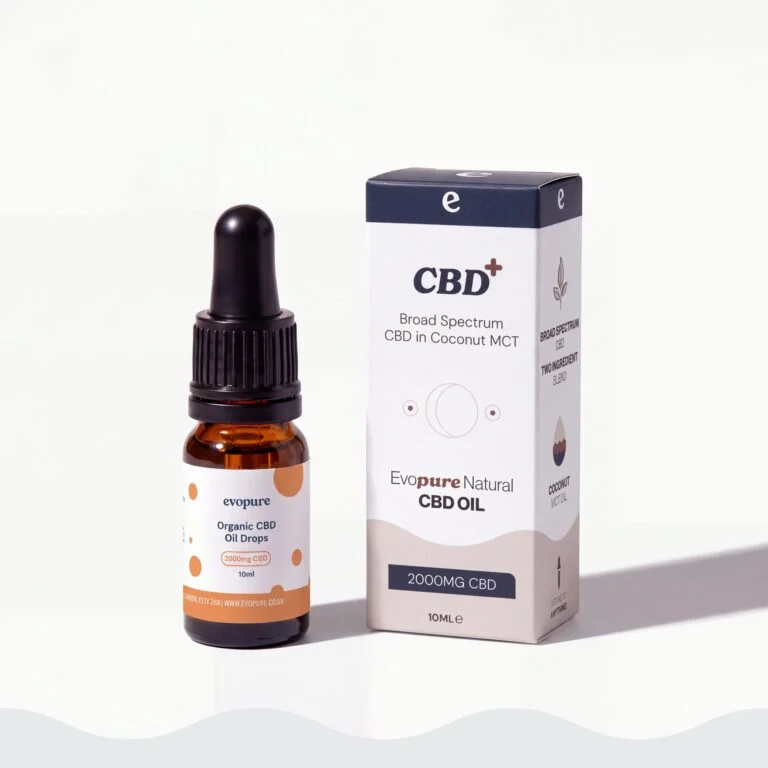
| Flow or Sleep CBD Oil (10ml) | 500mg (5%) | 50mg per ml | About 0.2ml |
| Flow or Sleep CBD Oil (10ml) | 1,000mg (10%) | 100mg per ml | About 0.1ml |
| Broad Spectrum CBD Capsules | 10mg | 10mg a capsule | 1 capsule |
| CBD Balm | Applied to skin | Not a daily serving | Massage in a little |
For older eyes and hands, the 500mg oil is the easier strength: 0.2ml is simpler to measure accurately than 0.1ml, and a small slip makes less difference. Our CBD dosage guide has a full chart and the maths for any bottle, and how to take CBD oil walks through it step by step.
Prefer an oil?
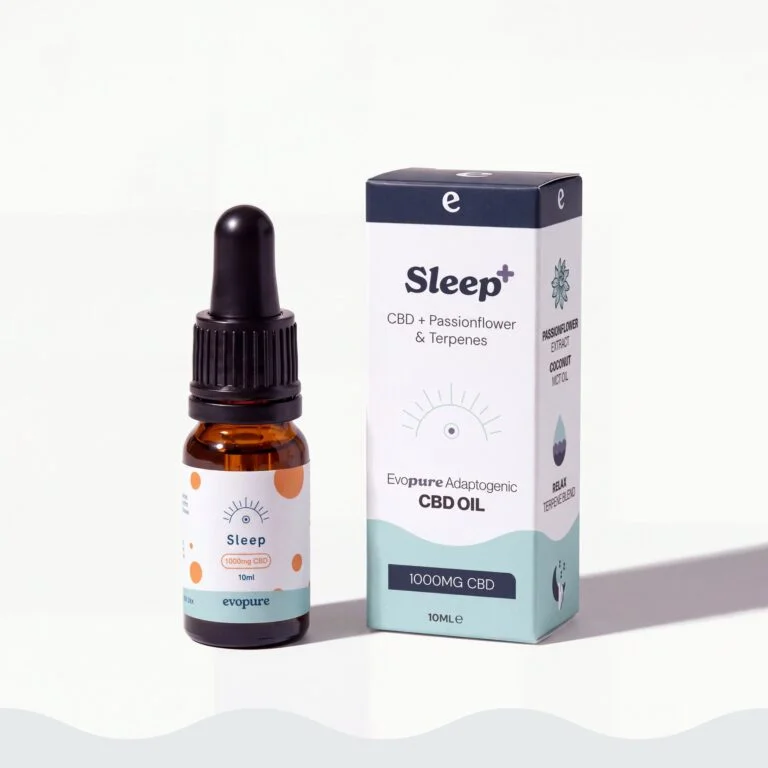
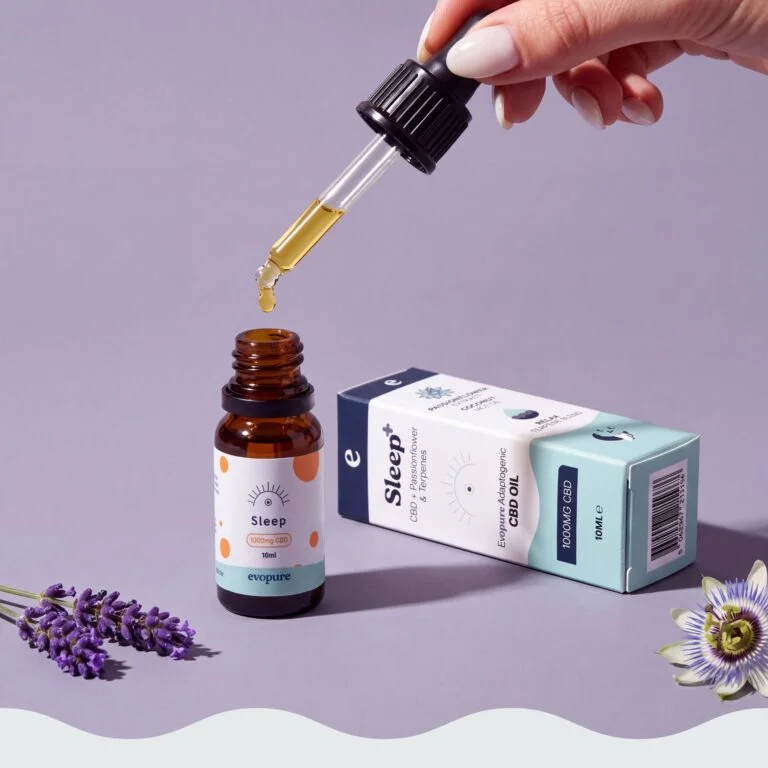
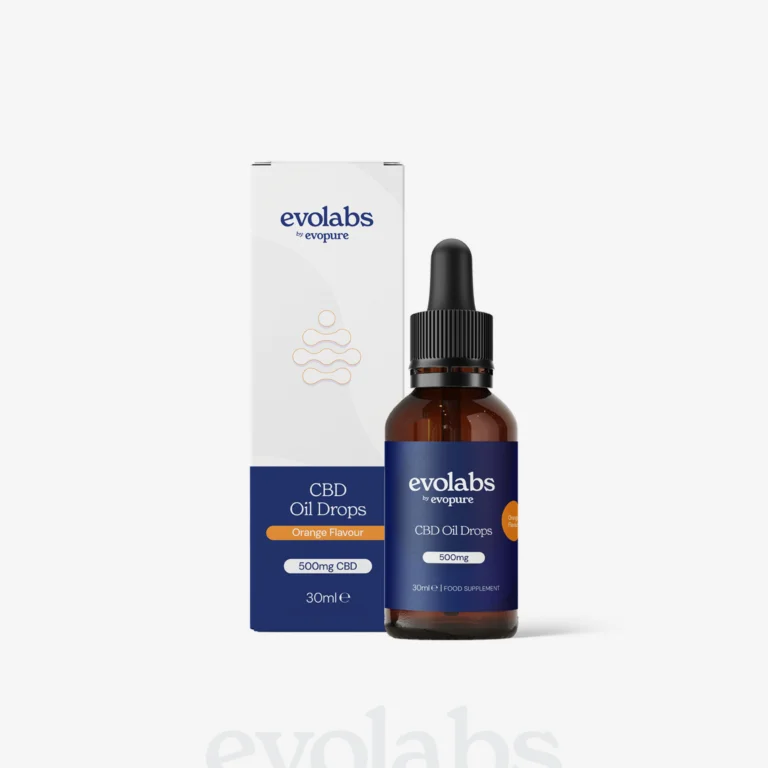
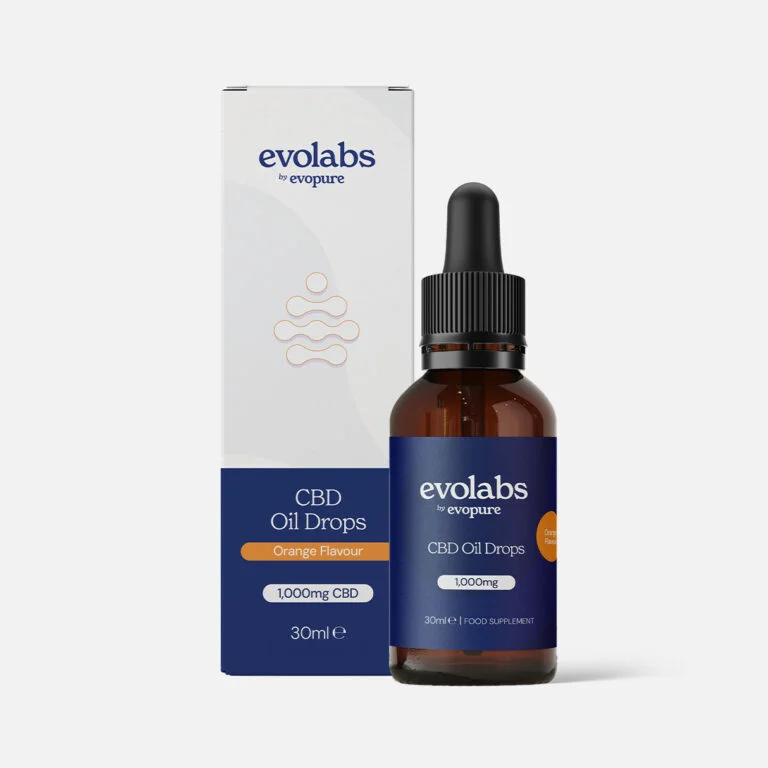
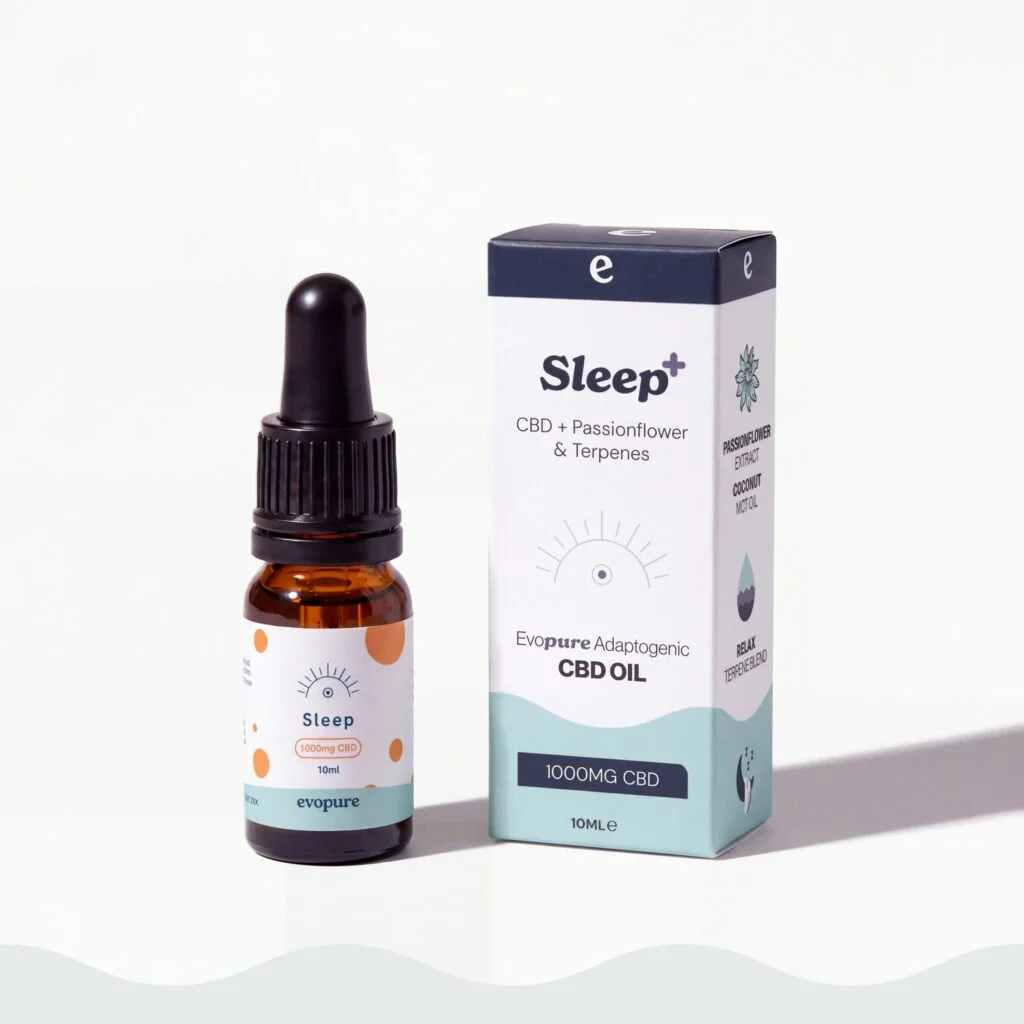
Sleep CBD Oil is Evopure’s evening oil: broad spectrum CBD (0% THC) with passionflower extract in coconut MCT oil, in 500mg or 1,000mg (10ml). It is on the FSA public list, vegan and made in the UK. The FSA advises healthy adults to take no more than 10mg a day; this is precautionary advice while research continues, not a legal limit, so if you want to stay within it, use about 0.2ml on the 500mg (0.1ml on the 1,000mg). If you’d rather take CBD in the day, Flow CBD Oil is our daytime oil.
Add Sleep CBD Oil 500mg to bag or choose another strength
Broad spectrum with 0% THC, every batch third-party lab tested, made in the UK. For adults only. If you take any regular medicines, check with your GP or pharmacist first. Free UK delivery over £40, 14-day returns on unopened items.
Which Evopure CBD product fits your routine?
Choose by the part of the day you want CBD to fit into, and by what is easiest for you to use (checked October 2026).
| Product | Format | Fits a routine where | Good to know |
|---|---|---|---|
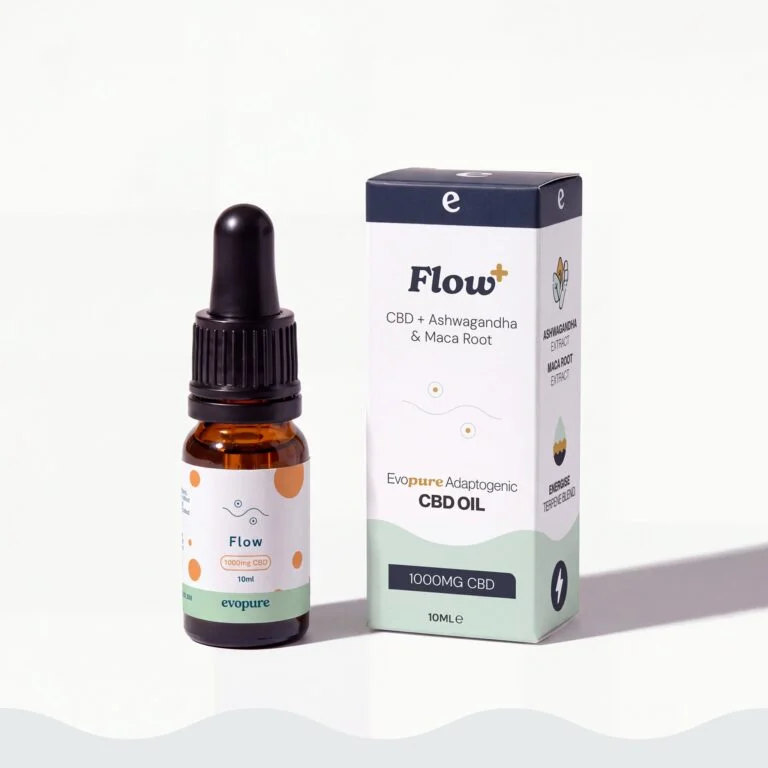
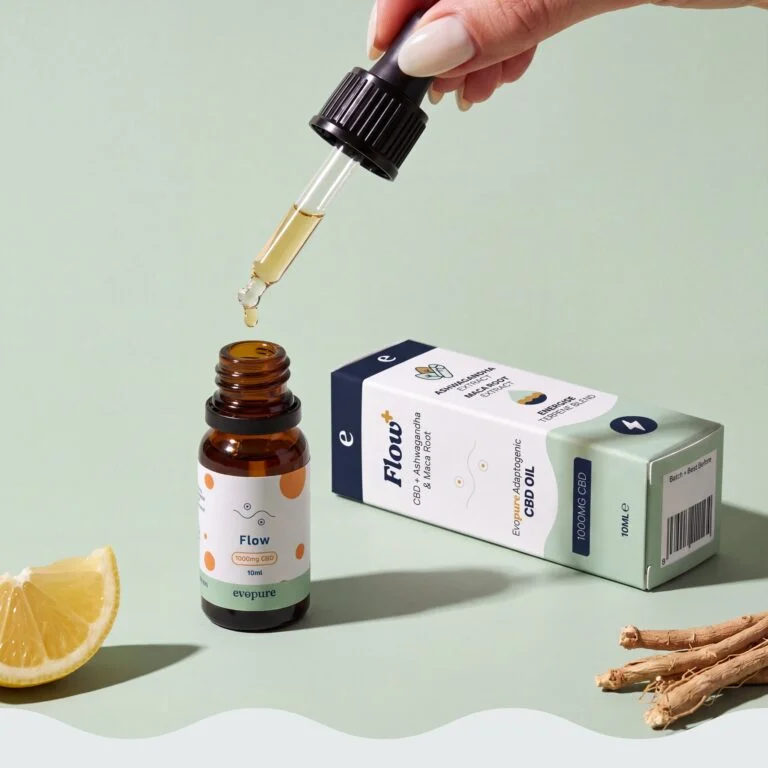
| Flow CBD Oil | Drops, 500mg or 1,000mg | You want CBD with breakfast or in the day | With ashwagandha and maca. Read the ashwagandha note below |
| Sleep CBD Oil | Drops, 500mg or 1,000mg | You like a quiet wind-down in the evening | With passion flower extract |
| Broad Spectrum CBD Capsules | Capsules, 10mg or 25mg | You’d rather not measure an oil | Tasteless vegetable capsule. One 10mg capsule is 10mg |
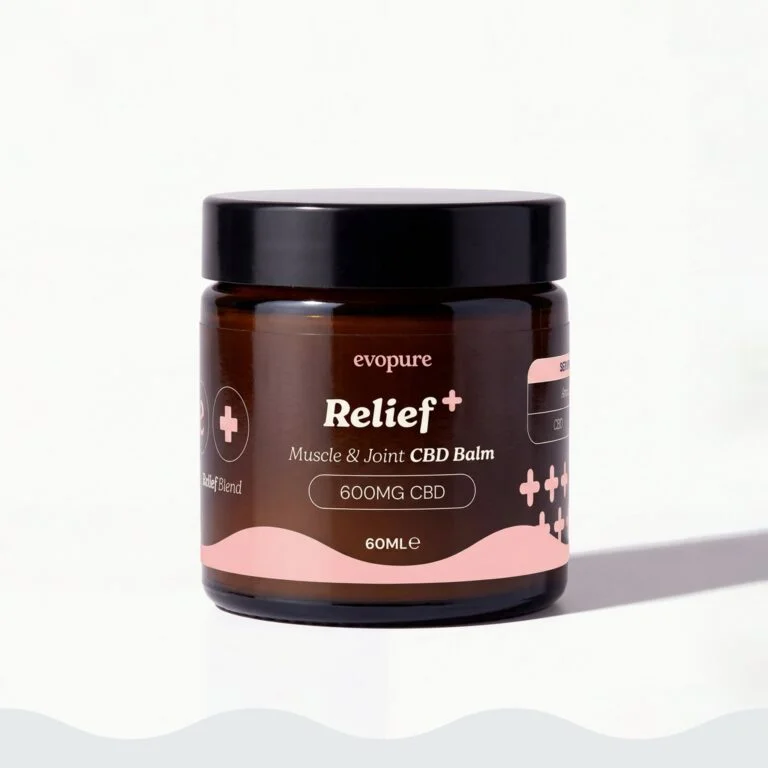
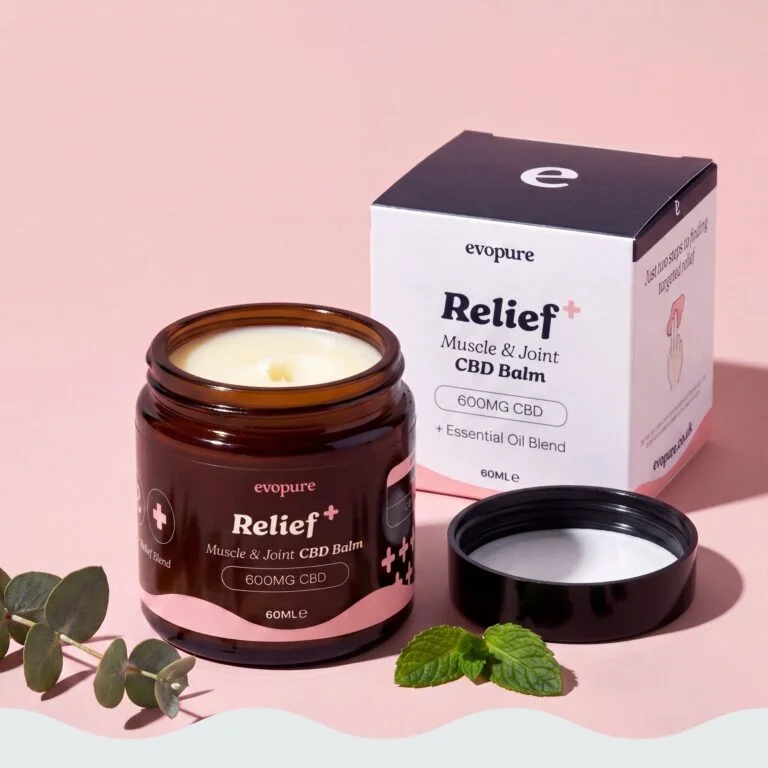
| CBD Balm | Massage balm | You like a hand, knee or shoulder massage | A cosmetic, not a supplement. Peppermint, eucalyptus and juniper |
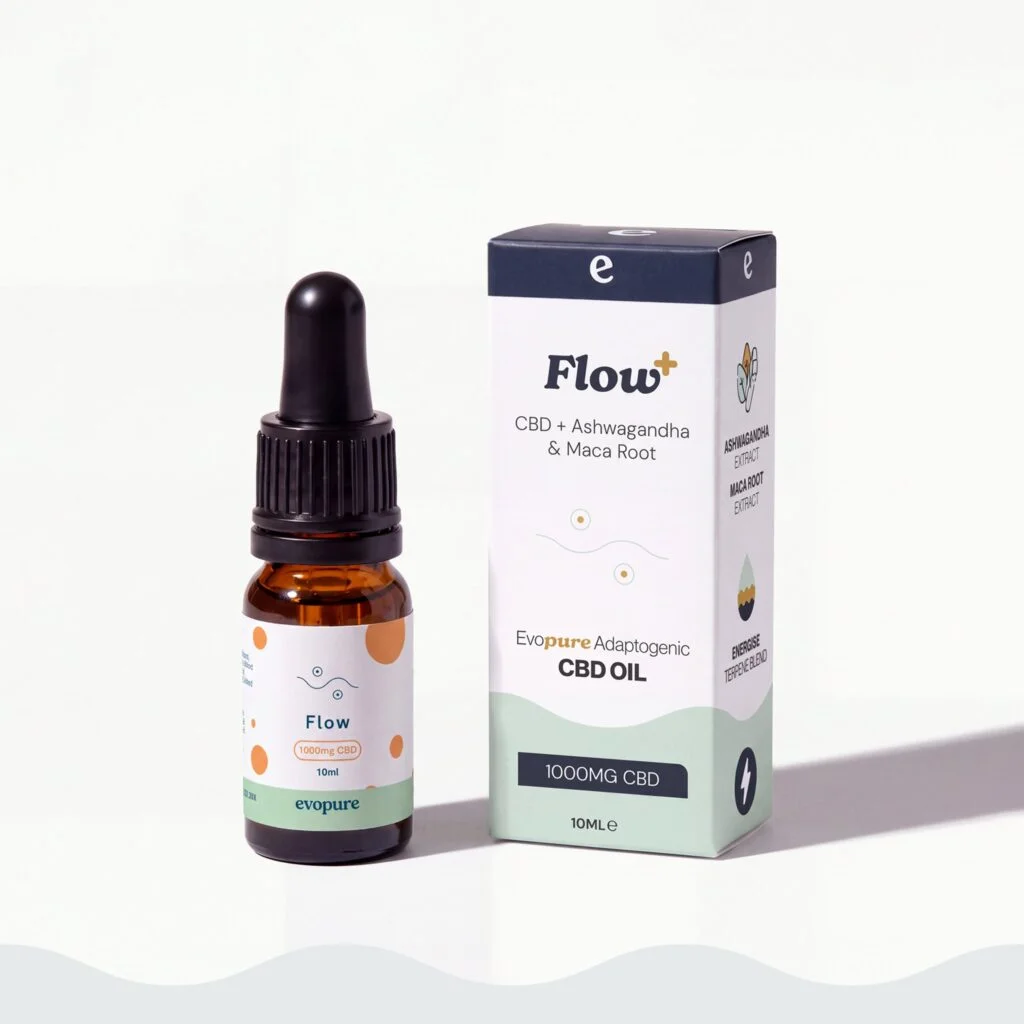
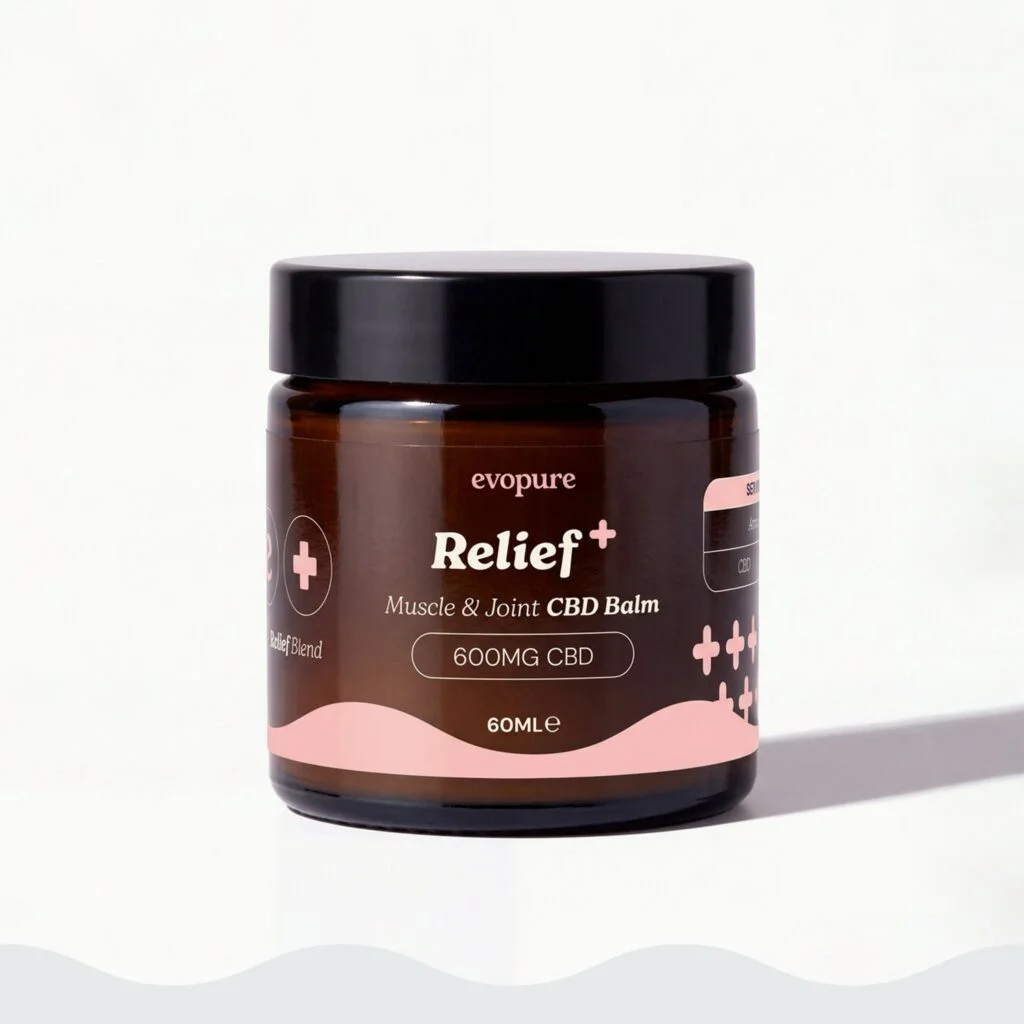
The FSA’s 10mg a day figure is precautionary advice rather than a legal limit, set while longer-term safety research continues. At Evopure we think it is a very cautious figure, and many adults use more. If you go above it, increase slowly, and check with your GP or pharmacist first if you take any medication.
iIf you take any regular medicines, check with your GP or pharmacist first. This applies to the balm too: ask if you’re unsure.
A note on Flow: it contains ashwagandha, which the FSA is currently reviewing for safety. If you have a liver or thyroid condition, choose Sleep CBD Oil or the capsules instead, or ask your GP first. Our ashwagandha safety guide explains the review, and CBD and ashwagandha covers taking them together.
- Every CBD batch is third-party tested at ISO 17025 labs, with reports on request from our lab testing page.
- Broad spectrum and THC free, shown on each batch report.
- On the FSA public list, linked to validated novel food applications.
- Made in the UK, vegan and alcohol-free. For adults (18+) only.
- Sent by Royal Mail Tracked, free over £40 (delivery details). Unopened, unused items can be returned within 14 days of delivery (returns policy).
Our CBD oils and capsules are food supplements and the balm is a cosmetic. None of them are medicines, and they are not a replacement for anything your doctor has prescribed. Not sure which to choose? Take the 4-question quiz.
Oil, capsules or balm: what is easiest to use?
The right format is the one you will use accurately. A few things change in later life: eyesight for small print, steadiness for droppers, and how many tablets you already take.
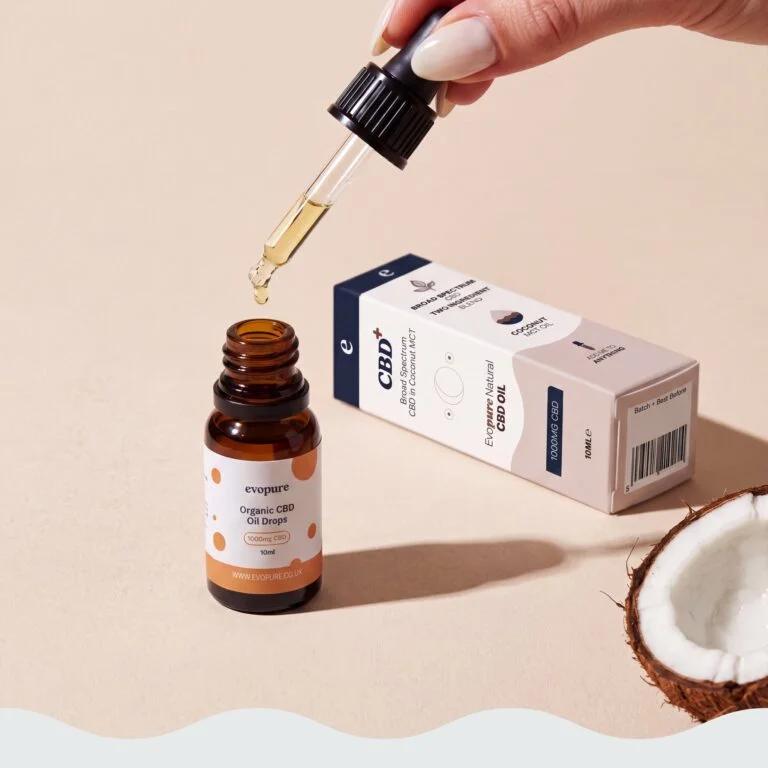
- Oil drops. The most flexible: you can adjust the amount a little at a time. If measuring straight from the pipette is fiddly, put the oil onto a teaspoon first, in good light, with your reading glasses on, and take it from the spoon.
- Capsules. Nothing to count or taste, and the dose is printed on the pot. They suit people with shaky hands or poor eyesight, but they add one more thing to swallow. See CBD oil vs capsules.
- Balm. Rubbed into the skin over a small area, such as hands, knees or the back of the neck, as part of a massage. Easy to open and use, and the cooling peppermint is pleasant. Our CBD balm guide explains how to use one.
- Gummies. Easy to chew, but many contain sugar and some are hard to dose below 10mg. Read the mg per gummy carefully. Our CBD oil vs gummies guide compares them.
Practical tips: keep CBD in its box, apart from your prescription medicines so they don’t get mixed up, and write the date you started on the label so you can tell your GP or pharmacist how long you’ve been taking it.
Are CBD capsules good for older adults?
CBD capsules suit many older adults because the amount is fixed and printed on the pot, with nothing to measure and no taste. One 10mg capsule a day matches the FSA’s 10mg advice for healthy adults. The trade-off is one more thing to swallow, so if you take regular medicines, check with your GP or pharmacist first.
| What matters in later life | Capsules | Oil |
|---|---|---|
| Getting the amount right | Fixed: one capsule is 10mg or 25mg | Measure about 0.2ml of a 500mg oil for 10mg |
| Eyesight or shaky hands | Nothing to read or measure | Harder: use a teaspoon in good light |
| Swallowing | One small capsule, but one more to swallow | No capsule to swallow |
| Changing the amount | In whole capsules only | A little at a time |
| Taste | None | An earthy hemp taste |
Which strength: 10mg or 25mg?
Start with 10mg. One 10mg capsule a day sits at the FSA’s advice for healthy adults. A 25mg capsule is two and a half times that, so it is above the FSA’s 10mg a day advice. That figure is precautionary advice rather than a law, and some adults choose more, but there is no reason to start higher in your 50s, 60s or 70s. If you do go above 10mg, increase slowly and speak to your GP or pharmacist first if you take any medication.
CBD capsules for over 50s and over 60s
Most people in their 50s and 60s who choose capsules take one with breakfast or the evening meal. Taking CBD with food raises how much is absorbed, and the same time each day makes it easier to remember. Our guide to how long CBD takes to work explains why it can take a couple of days of regular use for blood levels to settle. Give it two to three weeks before deciding whether it suits you. Our guide to how to take CBD capsules covers food, timing and opening them.
CBD capsules for over 70s
iFewer people over 75 have taken part in CBD trials, and most people in their 70s take at least one regular medicine. So the GP or pharmacist check matters most here. A few practical points:
- Keep CBD apart from your prescription medicines. If a pharmacy fills a weekly pill organiser or blister pack for you, ask the pharmacist before adding anything to it.
- If swallowing tablets is hard, an oil taken from a teaspoon may be easier. Don’t open or crush capsules unless a pharmacist says it’s fine. The NHS advises seeing a GP if you have difficulty swallowing.
- Watch for drowsiness or unsteadiness in the first few days, and take your first capsules at home. See side effects to look out for.
For a full comparison of formats and cost, see CBD oil vs capsules and our guide to the best CBD capsules UK. Our CBD dosage guide covers any strength of oil or capsule.
Side effects to look out for in later life
The side effects the NHS lists for cannabis-based medicines include feeling very tired, dizziness, diarrhoea and a lower appetite. In later life, two matter most:
- Drowsiness and dizziness. The NHS says falls are more likely if you’re older or have mobility problems. If CBD makes you feel sleepy or light-headed, take it in the evening, don’t drive, and don’t combine it with alcohol (see CBD and alcohol).
- Liver. The FSA says the more CBD you take over a lifetime, the more likely you are to develop long-term problems such as liver damage or thyroid issues. Keeping to 10mg a day is the simplest protection.
iStop taking CBD and speak to your GP or pharmacist if you:
- have a fall, or feel unsteady when you didn’t before
- feel drowsy the next morning, or more confused than usual
- have an upset stomach that doesn’t settle within a few days
- notice anything different about how your usual medicines seem to work
iThe NHS says to ask for an urgent GP appointment or get help from NHS 111 if your skin or the whites of your eyes look yellow, as this can be a sign of liver disease.
What research has looked at
People in their 50s, 60s and 70s often ask about CBD for sleep, joints or worry. CBD is not a treatment for any of these, and most trials have used medicine-strength doses far above 10mg. Here is where the research stands:
- Sleep. Small studies have looked at CBD and sleep, with mixed results. Read does CBD help you sleep? for the detail, and sleep as you get older for why sleep changes in later life.
- Joints. The placebo-controlled trials so far, in knee and hand arthritis, found CBD did no better than a dummy treatment. Our guide to CBD and arthritis goes through them.
- Worry and stress. Some short studies have looked at CBD and feelings of anxiety, mostly in younger adults. See what the research shows about CBD and anxiety.
- Menopause. If you’re in your 50s, our guide to CBD and menopause covers the research.
- Memory and dementia. Alzheimer’s Society says there is currently no evidence that cannabis or CBD oil can stop, reverse or prevent dementia. If you’re worried about memory, see your GP; the NHS dementia guide explains what happens next.
The NHS says only a very small number of patients are likely to get a prescription for a cannabis-based medicine, for rare forms of epilepsy, sickness from chemotherapy or MS-related muscle stiffness. CBD oils sold in shops are food supplements, not medicines.
How to choose a CBD oil you can trust
The NHS points out that there’s no guarantee shop-bought CBD is good quality, so it pays to check. Use this checklist on any brand, ours included:
- On the FSA public list. CBD food products sold in England and Wales should be on it. The FSA says being listed is not an approval, but products not on it should not be on sale. Our guide to the FSA’s CBD approvals explains where things stand.
- A recent lab report. It should show the CBD content matches the label and that THC is not detected. See how to read a CBD lab report.
- Clear mg per ml or per capsule. If you can’t work out how much makes 10mg, choose another product. Our CBD oil strengths guide explains mg and percentages. Our guides to Healthspan CBD and Dragonfly CBD work this out for two well-known UK brands.
- Large, readable label and a working dropper. It sounds small, but it is how you get the amount right every day.
- No cure claims. Avoid any seller who says CBD treats arthritis, insomnia, dementia or any other condition. That is not allowed for food supplements in the UK.
- Easy returns and a real contact. A UK address, an email that gets answered and a clear returns policy.
For a wider comparison of UK oils, see our best CBD oil UK guide. Buying for a parent or grandparent? Our gifts for nan guide has the checks to make first. Taking CBD on holiday? Many cruise lines ban it on board, so see CBD oil on a cruise before you pack.
When to see your GP
See a GP (NHS advice) if you have:
- unexplained pain, swelling or stiffness in your joints that doesn’t go away in a few days
- joint stiffness in the morning that lasts longer than 30 minutes (the NHS says this is more typical of rheumatoid arthritis than wear-and-tear arthritis)
- had trouble sleeping for months, or poor sleep is making daily life hard to cope with
- had a fall, or you’re worried about your balance
- worries about your memory
Ask for an urgent GP appointment or call NHS 111 if a single joint suddenly becomes very painful and swollen, if the skin over a joint is red or hot, if you have sore joints with a high temperature, or if your skin or the whites of your eyes look yellow.
iFeeling drained most days? Our guide to being tired all the time at 50, 60 or 70 covers the common causes a GP can check, from anaemia to medicines.
Related guides
- Buying a gift for an older relative? Our Christmas gifts for grandad guide covers what to check first.
- For vitamin D, calcium and B12 after the menopause, see supplements for women over 50 and 60.
- For vitamin D, B12 and the other basics, see our guide to supplements for men over 50.
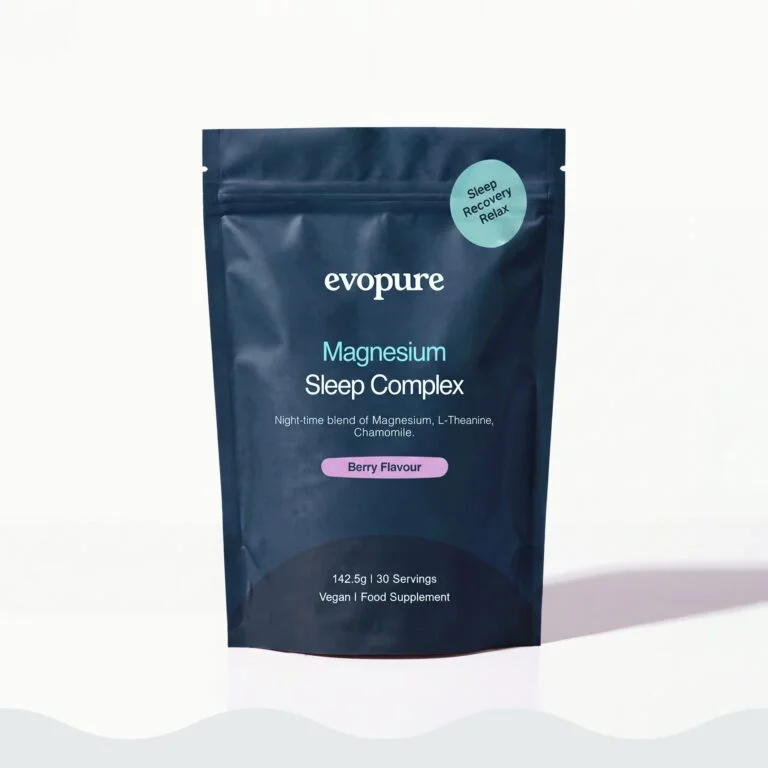
- If you’re also thinking about magnesium, our guide to magnesium for seniors covers how much you need and which type to choose.
- For the common causes of aching joints in later life, see joint pain over 50: causes and what helps.
- Thinking of CBD as a gift for an older relative? See the checks in mother-in-law Christmas gifts.
- Trying CBD for the first time? Our beginner CBD oil guide covers starting strengths and what to check on a label.
- Do statins make you tired?
- On a statin? See CBD and statins: atorvastatin, simvastatin and what to check.
- If drops are fiddly, compare tasteless 10mg options in our guide to the best CBD capsules UK.
Next step
CBD Capsules Broad Spectrum
If a fixed daily amount suits you best, Broad Spectrum CBD Capsules give exactly 10mg of broad spectrum CBD (0% THC) in one tasteless vegan capsule, 30 a pot, with inulin (a plant fibre). The 25mg capsule is above the FSA’s 10mg a day advice, so most older adults start with the 10mg.
Add Broad Spectrum CBD Capsules 10mg to bag or choose another strength
Subscribe and save 25% on your first order, then 20%. New to Evopure? Join our emails for 20% off a one-off first order. Free UK delivery over £40. For adults only. If you take any regular medicines, check with your GP or pharmacist first.
Subscribe from £14.99One-off from £24.99
View productSources 9
- Food Standards Agency (gov.uk). Cannabidiol (CBD): consumer advice, including advice for vulnerable groups and healthy adults.
- Food Standards Agency (gov.uk). Cannabidiol (CBD) guidance (updated 28 August 2026).
- Food Standards Agency (gov.uk). CBD products linked to novel food applications (public list).
- NHS. Medical cannabis (and cannabis oils).
- Velayudhan L, McGoohan K, Bhattacharyya S. Safety and tolerability of natural and synthetic cannabinoids in adults aged over 50 years: a systematic review and meta-analysis. PLoS Medicine, 2021. PMID 33780450.
- Velayudhan L, et al. Adverse events caused by cannabinoids in middle aged and older adults for all indications: a meta-analysis of incidence rate difference. Age and Ageing, 2024. PMID 39602500.
- NHS. Falls; Jaundice; Arthritis; Rheumatoid arthritis symptoms; Insomnia.
- NHS. Swallowing problems (dysphagia).
- Alzheimer’s Society. Cannabis, CBD oil and dementia.
This guide is general information, not medical advice. Evopure makes Flow CBD Oil, Sleep CBD Oil, Broad Spectrum CBD Capsules and the CBD Balm, Muscle and Joint Support.