Last updated: October 2026
Low blood pressure (hypotension) is a reading below 90/60mmHg. Many people have it without symptoms, and it is often nothing to worry about. It matters when it causes lightheadedness, dizziness, blurred vision or fainting. If you feel faint, sit or lie down with your legs raised and drink some water. See a GP if symptoms keep happening.
Call 999 if someone faints and cannot be woken within a minute, faints while lying down or exercising, or has chest pain, a pounding or irregular heartbeat, confusion, fast shallow breathing or pale, cold, clammy skin.
What counts as low blood pressure?
The NHS defines low blood pressure as a reading of less than 90/60mmHg. The first number (systolic) is the pressure when your heart pushes blood out; the second (diastolic) is the pressure between beats. The British Heart Foundation (BHF) sets out the NHS ranges like this:
| Reading | What it means |
|---|---|
| Below 90/60mmHg | Low |
| 90/60 to 120/80mmHg | Normal |
| 120/80 to 140/90mmHg | High-normal: possible risk of high blood pressure in future |
| 140/90mmHg or above at a clinic or pharmacy (135/85mmHg at home) | High |
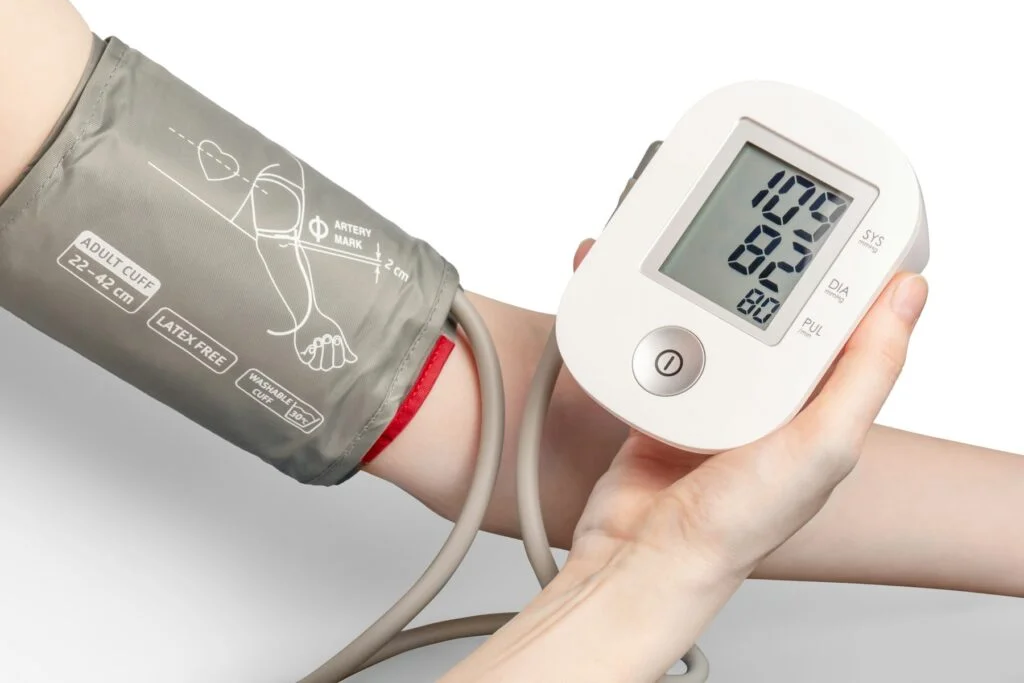
A low number on its own is not a diagnosis. The NHS says blood pressure varies with the time of day, what you are doing and how you feel, and it may be low simply because you are fit and healthy or it runs in your family. What matters is whether it causes symptoms. You can get it checked at most pharmacies or your GP surgery, or use an upper-arm home monitor: the NHS suggests taking a reading, waiting a minute and taking another.
Symptoms of low blood pressure
Most people with low blood pressure have no symptoms. When it does cause problems, the NHS and BHF list:
| Symptom | What you might notice |
|---|---|
| Lightheadedness or dizziness | Often on standing up, getting out of bed or after standing still for a while |
| Blurred or fading vision | Vision dims or goes grey for a few seconds |
| Feeling sick | Nausea, sometimes with sweating |
| Weakness or tiredness | Feeling generally weak or washed out |
| Confusion | Finding it hard to think clearly |
| Fainting | Passing out for a short time |
If symptoms come on when you stand up or change position suddenly, the NHS says you may have postural (orthostatic) hypotension. Blood pressure can also dip after a big meal, as more blood flows to your gut, the BHF explains. See tired after eating.
Can low blood pressure make you tired?
Yes, low blood pressure can make you tired. The NHS defines it as a reading below 90/60mmHg, and the British Heart Foundation lists tiredness among its symptoms. In a survey of 7,383 adults in Britain, people with lower systolic blood pressure reported more tiredness. It is more likely to be the cause when tiredness comes with dizziness on standing.
The link was strongest in women under 50, and the researchers did not suggest it needed treatment. The NHS also lists generally feeling weak, blurred vision and feeling sick. Tiredness on its own has many more common causes, such as poor sleep, stress, anaemia or an underactive thyroid, so see a GP if it lasts. See why am I always tired?
Does high blood pressure make you tired? Not usually. The NHS says high blood pressure does not usually cause any symptoms, so the only way to know is to get it checked. Some blood pressure medicines can make you feel tired, though: the NHS lists feeling tired, dizzy or lightheaded as common side effects of beta blockers. If that happens, speak to your GP or pharmacist, and never stop or change a prescribed medicine on your own.
Does low blood pressure cause headaches, dizziness or feeling cold?
Dizziness: yes, it is the classic symptom
The NHS dizziness page lists a sudden drop in blood pressure on standing or sitting up as a cause. Dehydration, inner-ear problems, migraine, iron deficiency anaemia and stress or anxiety can all cause dizziness too, so dizziness alone does not prove your blood pressure is low. See anxiety dizziness.
Headaches: sometimes, but not a main symptom
Headache is not on the NHS or BHF lists for low blood pressure, though some triggers overlap: the NHS lists dehydration and skipped meals as common causes of headaches. People with marked postural hypotension can get a “coat-hanger” ache across the neck and shoulders. In one small study of 22 people with severe postural hypotension, 59% reported it in daily life, mostly within minutes of standing or after long sitting, easing once they lay down. If you get a headache with dizziness every time you stand, tell your GP. For other headaches see tension headaches and migraine.
Feeling cold: not usually, with one exception
Feeling cold is not a listed symptom of low blood pressure, and cold hands and feet usually have other causes: see why am I always cold? and Raynaud’s. The exception is shock, a dangerous drop in blood flow. St John Ambulance lists pale skin that may be cold and clammy, sweating, fast shallow breathing and a weak or fast pulse as signs. That needs 999.
What causes low blood pressure?
Sometimes there is no cause to find: it is just your normal. The BHF says low blood pressure is common in people over 70. Other causes from the NHS and BHF:
| Cause | Clues |
|---|---|
| Dehydration | Less fluid means less blood volume: heat, vomiting, diarrhoea or not drinking enough |
| Some medicines | Blood pressure tablets, some heart medicines, water tablets (diuretics), some antidepressants, Parkinson’s and erectile dysfunction medicines, some over-the-counter and herbal products |
| Pregnancy | Blood vessels widen early on. Fairly common and not usually a concern |
| Heart conditions | Heart failure, some abnormal rhythms, a slow heart rate |
| Hormone conditions | Including Addison’s disease and thyroid problems |
| Other conditions | Diabetes and Parkinson’s disease |
| Blood loss | Injury, internal bleeding or giving blood |
| Emergencies | Severe infection (septic shock) and severe allergic reaction (anaphylaxis) |
Medicines, including CBD
iIf your symptoms are new, medicines are worth checking first. Speak to your GP or pharmacist, but do not stop a prescribed medicine on your own: the NHS says a GP may change the medicine or dose if it is the cause.
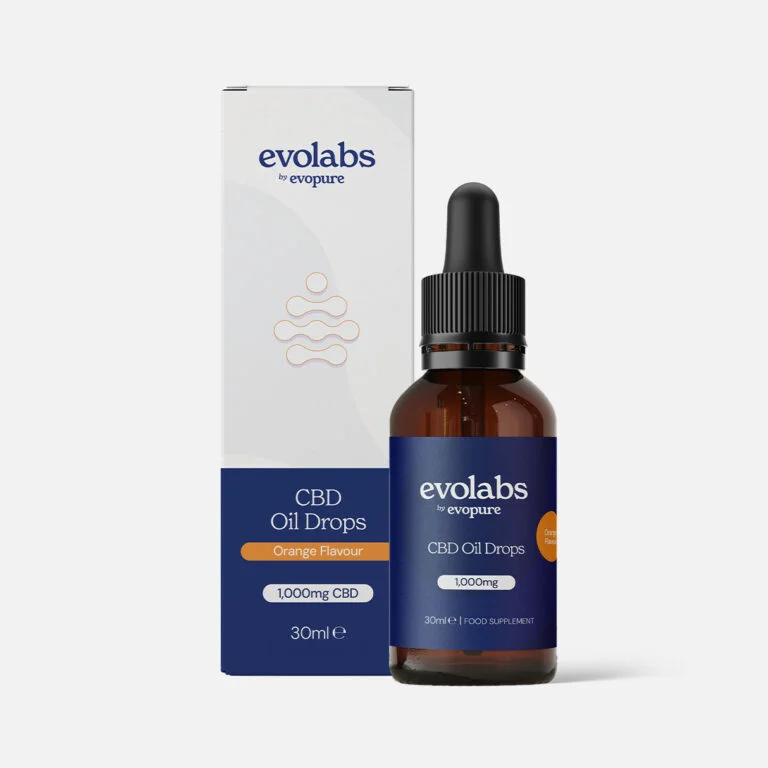
CBD can lower blood pressure too. In a small UK study, a single 600mg dose lowered resting systolic blood pressure by about 6mmHg in nine healthy men compared with placebo, and the researchers said this should be considered for people taking CBD. That dose is far above everyday products, but if you have low blood pressure or take blood pressure medicines, check with your GP or pharmacist before trying any CBD product. See can CBD interact with medication?
Addison’s disease
iThe BHF explains that hormones such as cortisol help regulate blood pressure. Addison’s disease is rare, but the NHS lists dizziness on standing alongside extreme tiredness, salt cravings, tummy pain and darker patches of skin. If that combination sounds familiar, see a GP.
Can low iron cause low blood pressure?
This is less clear than many websites suggest. Anaemia and low blood pressure share symptoms such as dizziness and tiredness, and can share a cause: the NHS says iron deficiency anaemia is often caused by blood loss, and the BHF says heavy blood loss lowers blood pressure. But neither lists low iron on its own as a cause. If you are dizzy, tired, pale or breathless, ask your GP about a blood test. See iron deficiency symptoms.
Can stress cause low blood pressure?
Usually stress does the opposite: Harvard Health explains that pulse and blood pressure go up during the stress response (see fight or flight). The exception is fainting. The NHS lists being very upset, angry or in severe pain as causes, and Gloucestershire Hospitals NHS Foundation Trust explains that in vasovagal syncope, triggers affect the nerve messages that lower heart rate and blood pressure. The “vagal” refers to the vagus nerve.
Pregnancy
The BHF says low blood pressure is fairly common in pregnancy and not usually a concern. Tell your midwife or GP if you feel faint. We don’t recommend our products during pregnancy or breastfeeding.
What to do if you feel faint: low blood pressure at home
There is first aid for feeling faint, but a true emergency drop needs 999, not home remedies. If you feel like you are about to faint, the NHS says to:
- Lie down with your legs raised, or sit with your head between your knees.
- Drink some water.
- Cross your legs while standing, or rock up and down on your toes.
- Clench your fists.
Then get up slowly, in stages, and do not drive while dizzy. If someone faints and is breathing normally, lay them on their back and raise their legs; if they are pregnant, especially over 28 weeks, lay them on their side. Most people come round within 30 seconds.
When to call 999
From NHS fainting, sepsis and bleeding advice and St John Ambulance, call 999 if someone:
- is not breathing, or cannot be woken within 1 minute
- has chest pain or a pounding, fluttering or irregular heartbeat
- fainted while exercising or lying down, or has a fit
- has not fully recovered, or struggles to speak or move
- is confused, has slurred speech or is breathing very fast
- has pale, cold, clammy, blue, grey or blotchy skin
- is vomiting blood, or has blood in their poo or black, sticky poo
- has signs of a severe allergic reaction
Do not drive yourself to A&E. The NHS says you must tell the DVLA if you faint regularly.
How to raise low blood pressure day to day
The NHS says medicine to raise blood pressure is rarely needed, because simple lifestyle measures or treating the cause usually work. From the NHS and BHF:
- Get up slowly, from lying to sitting to standing. Cross and uncross your legs a few times before standing from a chair.
- Drink more fluids: the BHF notes the NHS recommends six to eight glasses a day. See how much water should I drink? If you are on a fluid limit, ask your doctor first.
- Go easy on alcohol and caffeine, which the BHF says can dehydrate you.
- Eat smaller meals more often, and rest after eating. The BHF says wholegrains may help more than white bread, pasta, rice, cakes and biscuits.
- Keep moving and avoid sitting or standing still for long, or bending suddenly.
- Raise the head of your bed with pillows or wedges if mornings are worst.
- Support stockings, only if your GP agrees.
- Salt only on medical advice. The BHF says a doctor may suggest more salt if your blood pressure is very low, but too much salt is not good for the heart.
Best drinks for low blood pressure
Water is the simplest choice. Electrolyte drinks are mainly useful after losing fluid through sweating, vomiting or diarrhoea: see electrolytes. Beetroot juice research is about lowering blood pressure, so it is not a fix for low readings.
No supplement will raise low blood pressure, and you don’t need one to manage it. If tiredness is part of the picture, our Magnesium Glycinate Sleep Complex is a caffeine-free evening drink, and magnesium contributes to a reduction of tiredness and fatigue. If you take blood pressure or heart medicines, check with your GP or pharmacist before starting any new supplement. Adults only.
Postural hypotension and older adults
A review of studies in people over 60 found postural hypotension affected about 1 in 5 older people living at home (22.2%) and almost 1 in 4 in long-term care, and it is linked with a higher risk of falls. It is usually diagnosed by comparing blood pressure lying down and then standing: a drop of 20mmHg or more in the top number, or 10mmHg or more in the bottom one.
If you or a parent feel dizzy on standing, or have had a fall or near-miss, ask the GP for a lying and standing blood pressure check and a review of all medicines, including over-the-counter and herbal ones. If you are 40 to 74, the NHS Health Check includes a blood pressure check at least every 5 years. Feeling run down too? See why am I always tired?
When to see a GP
The NHS says to see a GP if you keep getting symptoms such as dizziness and fainting, and after any faint. Also go if dizziness started after a new medicine or dose change, you have fallen or nearly fallen, or you also feel very tired, pale or breathless. A GP can check your blood pressure lying and standing, review your medicines and arrange blood tests.
Related guides
- If you feel the room spinning rather than faint, read what causes vertigo.
- Do beta blockers make you tired?
- For the full range, from low to high, see our normal blood pressure chart by age.

Next step
Magnesium Glycinate Sleep Complex
If low energy is part of the picture, our Magnesium Glycinate Sleep Complex is a caffeine-free berry drink with 290mg magnesium (77% NRV) per 4.75g serving, from bisglycinate and citrate. Magnesium contributes to a reduction of tiredness and fatigue. It won’t raise your blood pressure, and it isn’t a treatment for it.
Add Magnesium Glycinate Sleep Complex to bag See ingredients and reviews
Subscribe and save 25% on your first order, then 20%. New to Evopure? Join our emails for 20% off a one-off first order. Free UK delivery over £45. Adults only. If you take any regular medicines, check with your GP or pharmacist first. We don’t recommend our products during pregnancy or breastfeeding.
Subscribe £22.49One-off £29.99
View productSources 9
- Wessely S, Nickson J, Cox B (1990). Symptoms of low blood pressure: a population study. BMJ 301:362-5.
- NHS. Low blood pressure (hypotension); Fainting; Dizziness; Headaches; Blood pressure test.
- NHS. High blood pressure (hypertension); Beta blockers.
- NHS. Sepsis; Addison’s disease; Iron deficiency anaemia; Stomach ulcer.
- British Heart Foundation. Low blood pressure; What causes low blood pressure?; 5 tips if you have low blood pressure.
- Gloucestershire Hospitals NHS Foundation Trust. Fainting (vasovagal syncope). St John Ambulance. Shock. Harvard Health. Understanding the stress response.
- Saedon NI et al. The prevalence of orthostatic hypotension: a systematic review and meta-analysis. J Gerontol A Biol Sci Med Sci. 2020. PMID 30169579.
- Khurana RK. Coat-hanger ache in orthostatic hypotension. Cephalalgia. 2012. PMID 22711896.
- Jadoon KA et al. A single dose of cannabidiol reduces blood pressure in healthy volunteers in a randomized crossover study. JCI Insight. 2017. PMID 28614793.
iThis guide is general information, not medical advice. If you are worried about your blood pressure, speak to your GP or pharmacist. Evopure makes the Magnesium Glycinate Sleep Complex and a range of CBD products.