

Last updated: October 2026
Iron tablets treat iron deficiency anaemia, so only take them if a GP blood test shows you need them. The usual NHS prescription is one tablet a day, ideally on an empty stomach, or with food if it upsets your stomach. Keep a 2 hour gap from tea, coffee and dairy, and expect dark poo and possibly constipation.
The short version: blood test first, one tablet a day (or every other day if your GP suggests it), tea, coffee and dairy 2 hours away, carry on for about 3 months after your levels are normal, and keep the pack out of children’s reach.
Who needs iron tablets?
Iron tablets treat iron deficiency anaemia or low iron stores (ferritin) found on a blood test. The NHS says that if you feel tired but haven’t been diagnosed, talk to your doctor or pharmacist before taking iron, as there may be other reasons you lack energy. See why am I always tired? and the signs in iron deficiency symptoms.
Finding the cause matters too. Heavy periods and pregnancy are very common causes, and bleeding in the gut is another. The British Society of Gastroenterology says about a third of men and postmenopausal women with iron deficiency anaemia have an underlying problem, most often in the gut, so your GP may arrange further tests. For heavy periods, see period pain relief.
The NHS says 17mg or less a day of iron from supplements is unlikely to cause harm, but continue a higher dose if a GP has advised it.
Types of iron tablet compared
The strength on the box (for example 200mg) is the iron salt. What matters is the elemental iron it contains.
| Type | Elemental iron | Notes |
|---|---|---|
| Ferrous sulfate 200mg tablet | 65mg | The usual first choice. NICE CKS gives 65mg once a day as the treatment dose. |
| Ferrous fumarate 210mg tablet | 69mg | Similar to ferrous sulfate. Also comes as capsules and liquid. |
| Ferrous gluconate 300mg tablet | 35mg | About half the iron of a ferrous sulfate tablet. |
| Ferrous sulfate drops | 25mg per ml | Easier if you struggle to swallow tablets. |
| Ferric maltol 30mg capsule | 30mg | NICE CKS lists it as an option when the usual tablets aren’t tolerated. |
| Modified-release iron | Varies | The BNF says these have no therapeutic advantage and should not be used. |
Figures from the BNF. The NHS and BNF say there is little difference between ferrous salts at the same dose of iron, though a side effect with one type may not happen with another. You may also see ferrous bisglycinate in shops: a 2023 review of 17 trials found fewer gut side effects and higher haemoglobin than other iron in pregnant women, but too few trials in other adults to say.
How to take iron tablets
| Do | Don’t |
|---|---|
| Take it 30 minutes before eating or 2 hours after, if you can | Have tea, coffee, milk, yoghurt, cheese or eggs within 2 hours of a dose |
| Take it with or just after food if it upsets your stomach | Take it with antacids or indigestion remedies |
| Swallow it whole with water or orange juice | Suck, chew or hold the tablet in your mouth (it can cause mouth ulcers or stain teeth) |
| Take it at the same time each day | Take 2 doses to make up for a missed one |
| Tell your pharmacist about every other medicine and supplement you take | Stop because of side effects without asking your GP or pharmacist |
The NHS says your doctor or pharmacist may suggest orange juice or a vitamin C supplement to help absorption. It’s optional: in a trial of 440 adults with iron deficiency anaemia, iron alone worked as well as iron plus vitamin C. More on vitamin C, and on fitting iron around your morning coffee.
Best time to take iron tablets: daily or every other day?
There’s no single best time of day. NICE CKS suggests an empty stomach, and the studies below gave iron first thing in the morning before food. If that makes you feel sick, taking it with a meal beats skipping it. Every other day is now an option in UK guidance. The research:
- A single iron dose raises hepcidin, a hormone that blocks iron absorption, for about 24 hours. In a 2015 study of 54 women with low iron, absorption from the next day’s dose fell by 35% to 45%.
- In a 2017 trial in 40 iron-depleted women, alternate days for 28 days gave more iron absorbed in total than daily doses for 14 days. Splitting the dose twice a day didn’t help.
- A 2020 study in 19 women with iron deficiency anaemia found absorption was 40% to 50% higher after a day off than on a second day in a row.
These were small absorption studies, and NICE CKS says the best timing is not clearly defined. The NHS and BNF say your doctor may switch you to alternate days if you get side effects, so check before changing.
Iron tablet side effects and how to cope
A review of 43 trials found ferrous sulfate roughly doubled the odds of gut side effects compared with a placebo. The NHS lists these, with tips:
- Feeling sick, stomach pain or heartburn: take the tablet with or just after a meal or snack, and stick to simple meals.
- Constipation: more fibre, plenty of water and a daily walk. A GP can offer a laxative; if it contains magnesium, ask your pharmacist about the gap. See magnesium for constipation.
- Diarrhoea: drink plenty of fluids and ask a pharmacist before taking anything to stop it.
- Darker poo: common with iron and usually nothing to worry about.
- Losing your appetite: smaller meals more often. See breakfast for energy.
NICE CKS says side effects usually settle with time. If not, your GP may suggest alternate days, another preparation or iron injections, usually given in hospital.
Call 111 straight away if your poo is black and tar-like or red, or has blood in it, or you feel unwell. Call 999 if your face, lips or throat swell or you struggle to breathe.
How long do iron tablets take to work?
The NHS says most people start to feel better after 3 to 4 weeks, but it may take 2 to 4 months for iron tablets to work fully. Your GP will usually repeat your blood test within the first 4 weeks. NICE CKS says haemoglobin should rise by about 20g/L over 3 to 4 weeks.
How long to take them: NICE CKS and the BNF advise about 3 more months once your blood count is normal, to refill your stores; the NHS says 3 to 6 months after you’ve improved, so follow your GP’s plan. Don’t take shop-bought ferrous fumarate for longer than 6 months without seeing a GP. Still tired once your iron is normal? Ask about vitamin B12 deficiency or an underactive thyroid.
Medicines and supplements to space apart from iron
Iron can stop some medicines being absorbed properly, and some medicines reduce how much iron you absorb. Gaps from the BNF:
- Antacids and indigestion remedies: take iron 1 hour before or 2 hours after.
- Calcium carbonate: take it 1 hour before or 2 hours after iron. See magnesium and calcium.
- Tetracycline antibiotics such as doxycycline and lymecycline: take the antibiotic 2 to 3 hours after iron.
- Quinolone antibiotics such as ciprofloxacin and levofloxacin: at least 2 hours apart.
- Levothyroxine for an underactive thyroid: at least 4 hours apart.
- Others include osteoporosis medicines (risedronate, alendronic acid), levodopa, penicillamine, mycophenolate and some HIV medicines.
- Zinc, calcium and magnesium supplements: the NHS asks you to tell your pharmacist before starting iron, and iron can stop zinc working as well. See zinc.
In a large US study, taking proton pump inhibitors such as omeprazole for 2 years or more was linked to iron deficiency. Don’t stop them yourself, but mention them to your GP if your iron stays low.
Safety and who should not take iron tablets
Keep iron out of sight and reach of children. The NHS warns that an iron overdose in a young child can be fatal. If a child, or you, takes more than the recommended dose, call 111 straight away. Take the pack with you if you go to A&E.
Tell your doctor before taking ferrous sulfate if you have:
- Haemochromatosis or another iron overload condition. The NHS advises people with haemochromatosis to avoid iron and vitamin C supplements.
- A different type of anaemia, or a red blood cell condition such as sickle cell anaemia or thalassaemia.
- A stomach ulcer, inflammatory bowel disease or past stomach surgery.
- Regular blood transfusions, or blood in your pee.
If you’re pregnant or breastfeeding, follow your midwife’s or GP’s advice on iron. Iron doesn’t affect contraception, but sickness or severe diarrhoea for over 24 hours can stop the pill working.
Iron from food
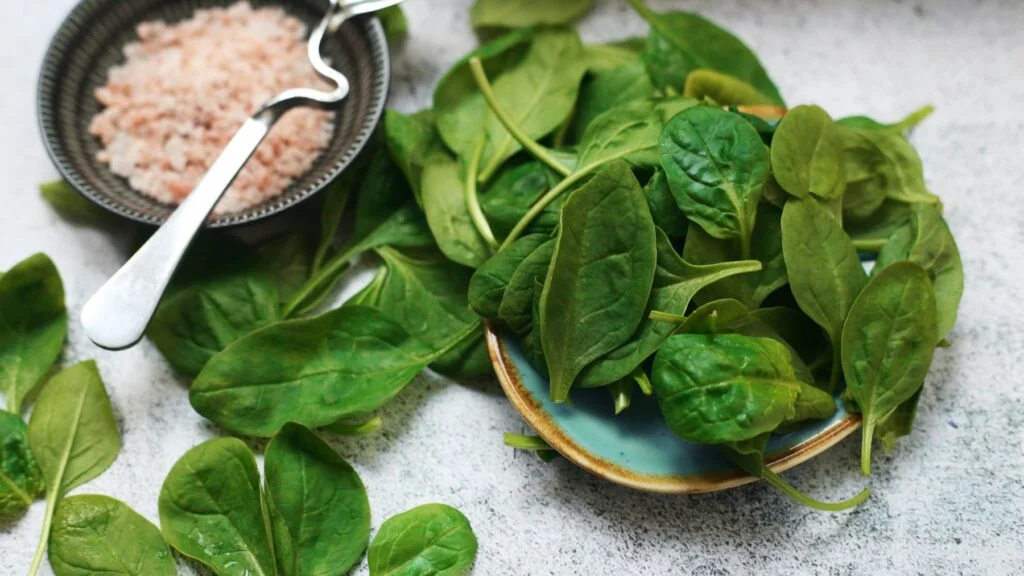
If a blood test shows anaemia, the NHS recommends iron tablets alongside iron-rich foods, not food alone. Once your levels are back to normal, a good diet helps keep them there. The NHS suggests eating more dark green leafy vegetables, fortified cereals and bread, meat, pulses and dried fruit, and less tea, coffee and dairy around meals. Our guide to iron-rich foods has amounts per portion and tips for vegetarians, and supplements for women over 40 covers iron as periods change.
Does Evopure sell iron?
No. Evopure doesn’t make an iron supplement, and if you’re low in iron you need the dose your GP prescribes. Iron contributes to the reduction of tiredness and fatigue, and to normal formation of red blood cells and haemoglobin.
If you also take our Magnesium Glycinate Sleep Complex, a bedtime drink, keep the two at opposite ends of the day (iron in the morning, magnesium in the evening) and ask your pharmacist about the gap. Magnesium contributes to a reduction of tiredness and fatigue. See best time to take magnesium and best supplements for energy. Our products are for adults only, and we don’t recommend them during pregnancy or breastfeeding.
FAQs
What is the best time to take iron tablets?
On an empty stomach if you can, 30 minutes before food or 2 hours after, often first thing in the morning. If that makes you feel sick, take it with food.
How long do iron tablets take to work?
Most people feel better after 3 to 4 weeks, but it can take 2 to 4 months to work fully. Then keep going for about 3 months, or as your GP advises.
Should I take iron tablets every day or every other day?
The usual dose is one tablet a day. Your GP may suggest alternate days if you get side effects, and small studies suggest more iron is absorbed per dose that way.
How do I stop constipation from iron tablets?
Eat more fibre, drink plenty of water and stay active. If it carries on, ask your GP or pharmacist about a laxative or alternate-day dosing.
Why do iron tablets make your poo black?
Darker poo is a common and usually harmless effect of iron. Call 111 if it is black and tar-like or red, or has blood in it.
Can I drink tea or coffee with iron tablets?
Not at the same time. The NHS advises a 2 hour gap from tea, coffee, dairy and eggs, as they reduce how much iron you absorb.
Can I buy iron tablets without a prescription?
Yes, from pharmacies, but get a blood test and advice first. Tiredness has many causes, and too much iron can be harmful.
Sources
- NHS. Ferrous sulfate.
- NHS. Ferrous fumarate.
- NHS. Iron deficiency anaemia.
- NHS. Iron.
- NHS. Haemochromatosis.
- NICE CKS. Anaemia: iron deficiency.
- BNF. Anaemia, iron deficiency and iron interactions.
- Snook J et al. BSG guidelines for iron deficiency anaemia in adults. Gut, 2021. PMID 34497146.
- Moretti D et al. Oral iron supplements increase hepcidin and decrease iron absorption. Blood, 2015. PMID 26289639.
- Stoffel NU et al. Consecutive versus alternate day iron dosing. Lancet Haematology, 2017. PMID 29032957.
- Stoffel NU et al. Alternate day dosing in iron-deficient anemic women. Haematologica, 2020. PMID 31413088.
- Tolkien Z et al. Ferrous sulfate and gastrointestinal side-effects. PLoS One, 2015. PMID 25700159.
- Li N et al. Vitamin C with iron supplements in iron deficiency anemia. JAMA Network Open, 2020. PMID 33136134.
- Fischer JAJ et al. Ferrous bisglycinate supplementation: a meta-analysis. Nutrition Reviews, 2023. PMID 36728680.
- Lam JR et al. Acid-suppressing medicines and iron deficiency. Gastroenterology, 2017. PMID 27890768.
This guide is general information, not medical advice. Always follow your GP’s or pharmacist’s instructions and read the leaflet in your pack. Evopure makes the Magnesium Glycinate Sleep Complex and does not sell iron supplements.