Last updated: October 2026
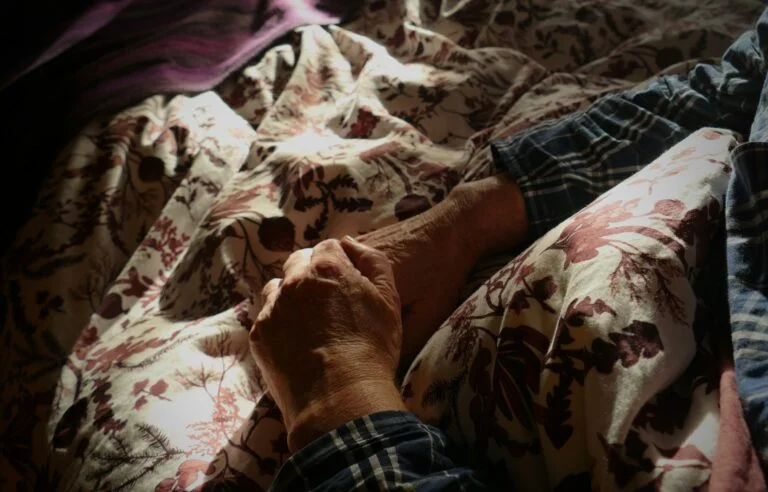
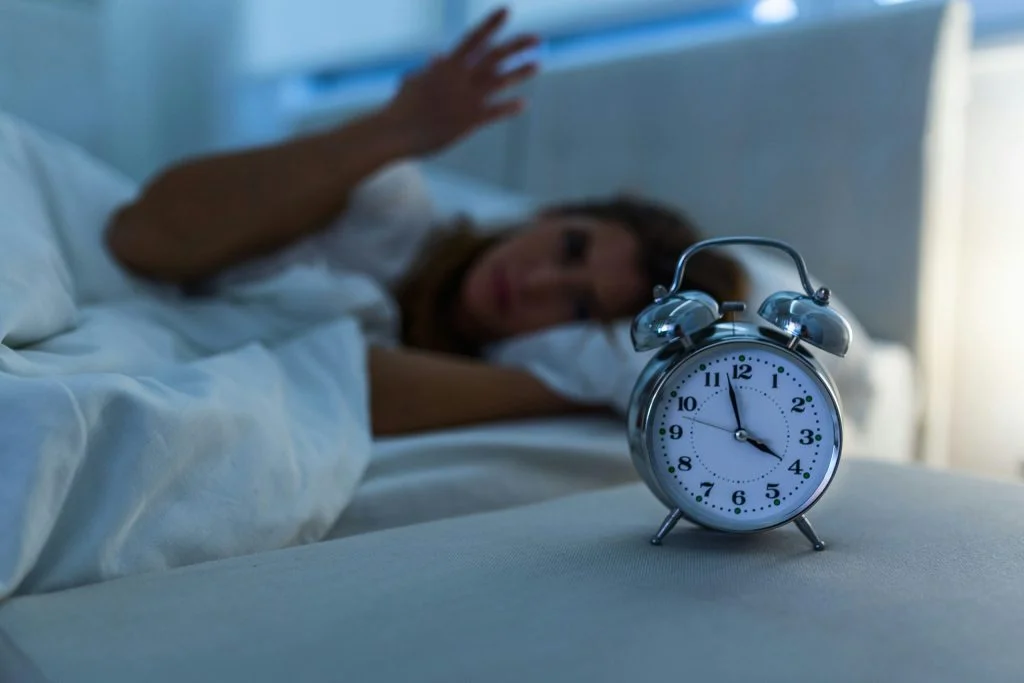
Waking around 3am is common. Sleep gets lighter in the second half of the night, so brief wakings are normal; the problem is not getting back to sleep. Common causes include alcohol, which disrupts the second half of sleep, stress and worry, needing the toilet, caffeine, menopause night sweats and sleep apnoea.
iBelow: the common causes and what to do about each, how to get back to sleep, and when to see a GP. For techniques to help you drop off at bedtime, see how to fall asleep fast.
Is waking in the night normal?
Yes. Sleep runs in cycles of about 90 minutes, and early in the night there’s more deep sleep. Later there’s more light and dream sleep, so brief wakings become more likely in the early hours. Most people don’t remember them. Night waking also becomes more common with age. It’s a problem when you lie awake, or it leaves you tired the next day.

Our pick
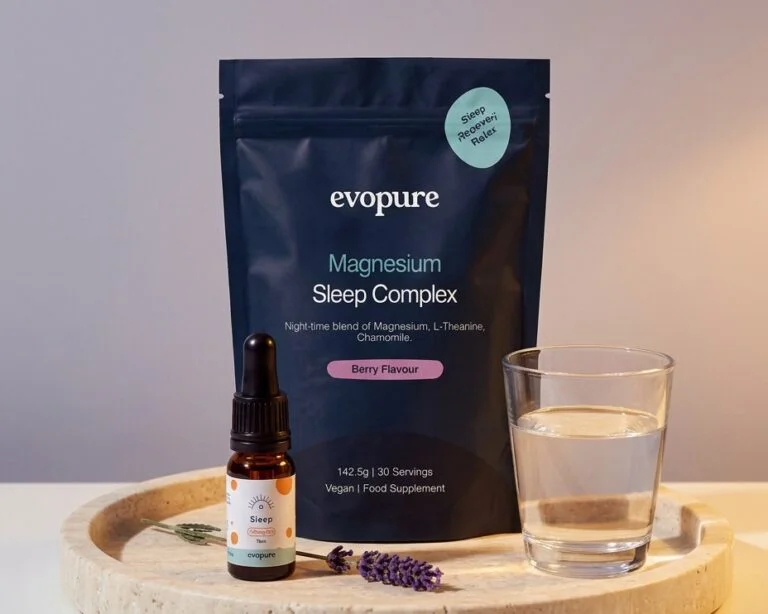
Magnesium Glycinate Sleep Complex
Magnesium Glycinate Sleep Complex is a berry drink powder with 290mg of magnesium a scoop from bisglycinate and citrate, plus glycine and L-theanine. Magnesium contributes to a reduction of tiredness and fatigue.
Add Magnesium Glycinate Sleep Complex to bag See ingredients and reviews
Vegan and made in the UK. Free UK delivery over £45, 14-day returns on unopened items.
Subscribe £22.49One-off £29.99
View productCommon causes and fixes
| Cause | Why it wakes you | What helps |
|---|---|---|
| Alcohol | Helps you fall asleep but disrupts the second half of the night | Drink less, earlier in the evening, or not at all. See CBD and alcohol |
| Stress and worry | A racing mind makes it hard to drift off again | A wind-down routine; write worries down before bed. See lowering cortisol naturally |
| Needing the toilet | Late drinks, caffeine, alcohol, or a prostate or bladder issue | Fewer drinks in the last 2 hours; see a GP if it happens most nights |
| Caffeine | Its effects last many hours | No caffeine after midday. See caffeine and how long it lasts |
| Menopause | Night sweats and hot flushes | Cool bedroom, layers; talk to your GP about HRT. See perimenopause and sleep |
| Sleep apnoea | Breathing stops briefly, waking you | See a GP if you snore loudly, gasp or are very sleepy in the day |
| Low mood | Waking very early and not getting back to sleep can be a sign of depression | Talk to your GP. See CBD and depression |
| A warm or bright bedroom | Heat and light interrupt sleep | Cool, dark, quiet room |
How to get back to sleep
- Don’t check the time. Clock-watching adds pressure.
- Keep lights low and avoid your phone.
- Try slow breathing or relaxing each muscle group in turn.
- If you’re still awake after about 20 minutes, get up, do something calm in dim light, and go back to bed when sleepy.
- Don’t lie in to make up for it; keep your usual wake-up time.
Habits that reduce night waking
- The same wake-up time every day
- Daylight and exercise during the day
- A 30 to 60 minute wind-down before bed
- Less alcohol and no late caffeine
- A cool, dark bedroom
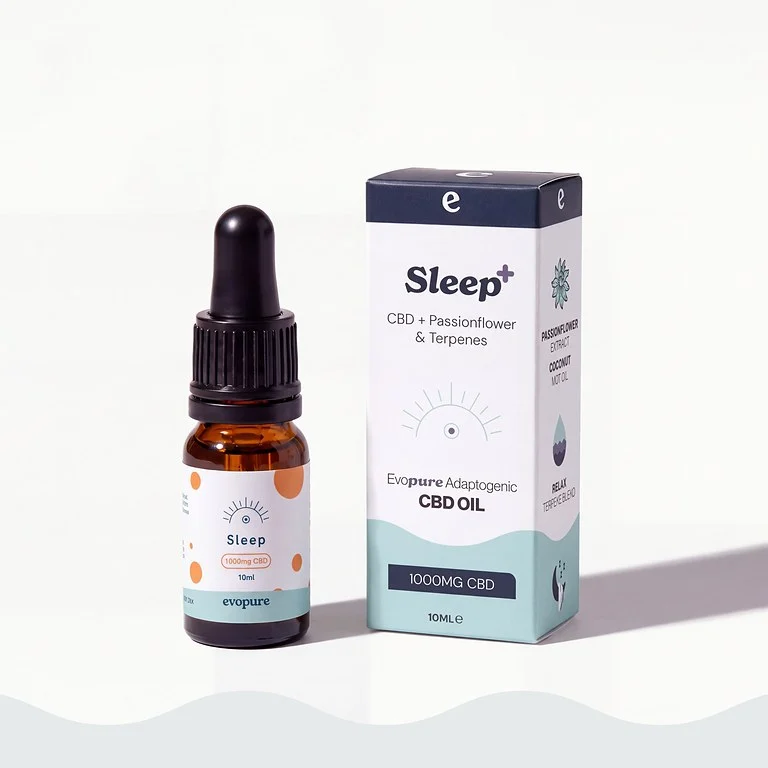
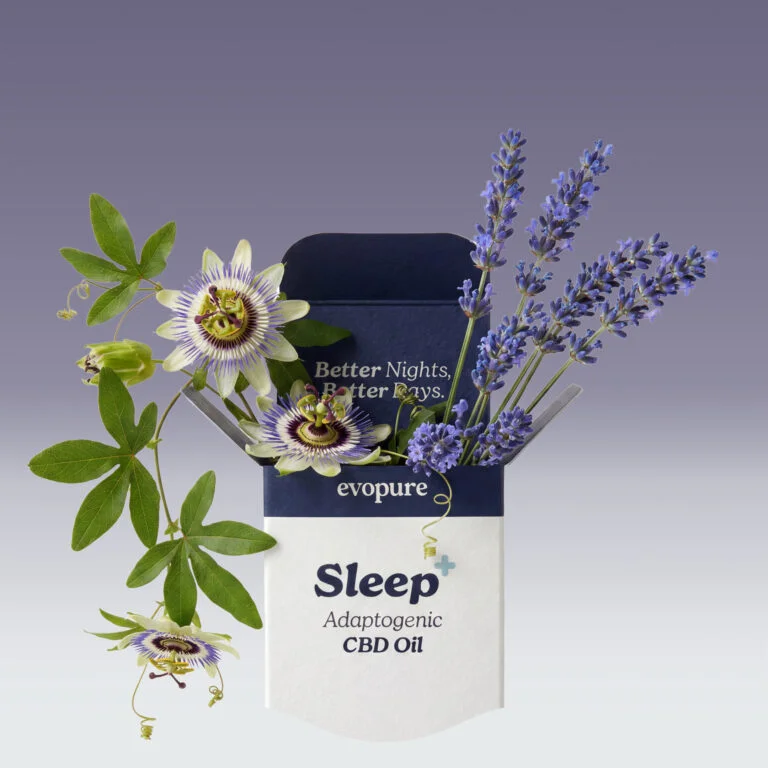
Some people add a supplement to their evening routine. Magnesium contributes to normal psychological function and the reduction of tiredness and fatigue. Our Magnesium Glycinate Sleep Complex is an evening drink with magnesium, glycine, L-theanine and botanicals, and our Sleep CBD Oil combines broad spectrum CBD with passion flower. The FSA’s 10mg a day figure for CBD is precautionary advice rather than a legal limit, set while longer-term safety research continues. At Evopure we think it is a very cautious figure, and many adults use more. If you go above it, increase slowly, and check with your GP or pharmacist first if you take any medication. See natural sleep aids ranked by evidence.
When to see a GP
See a GP if poor sleep has lasted 3 months or more, is affecting your day, or comes with loud snoring or gasping, low mood, needing to pass urine several times a night, or night sweats you can’t explain. The NHS offers CBT for insomnia, which has the strongest evidence of any treatment. We don’t recommend our products during pregnancy or breastfeeding.
Related guides
- Woken by a bad dream? See nightmares.
- How alcohol and sleep interact through the night.
- If you notice ringing in your ears when you wake, see tinnitus at night.
- Trouble falling asleep too? See why can’t I sleep for a symptom-by-symptom guide.
- Woken by every noise rather than waking on your own? See our guide to being a light sleeper.
- If a full bladder is what wakes you, see waking up to pee at night: causes and what helps.
- For a step-by-step plan, see how to stay asleep: a practical two-week plan.
- If your problem is jolting awake as you drop off rather than in the small hours, see hypnic jerks.
- For the evidence on CBD, see does CBD help you sleep? The research.
- If night waking has become a regular pattern, see middle insomnia: causes and treatment.
- If you wake hot and drenched, see why you might be getting night sweats.
- On a weight-loss injection? See Mounjaro insomnia: causes and tips.
- Early waking often gets worse for a few days after the clocks go back, while your body clock catches up.
- If you are weighing up supplements, our guide to magnesium for sleep covers the trials, the forms and the doses used.
- Waking at 3am around the full moon? See does the full moon affect sleep?
- Waking in the early hours often lands in the middle of a long REM dream, which is why vivid dreams feel so real at 3am.
- Body clocks run earlier with age, so it’s worth checking your bedtime suits your wake-up time; see the best time to go to bed and wake up.
- Waking earlier every year? Our guide to sleep as you get older explains the body clock shift.
- Early waking is common in perimenopause; our CBD for menopause guide covers what the sleep studies found.
Sources 4
- Ebrahim IO et al. Alcohol and sleep I: effects on normal sleep. Alcohol Clin Exp Res, 2013.
- Ohayon MM et al. Meta-analysis of quantitative sleep parameters from childhood to old age in healthy individuals. Sleep, 2004.
- NHS. Insomnia.
- NHS. Sleep apnoea.