Last updated: October 2026
PMS (premenstrual syndrome) symptoms appear in the 1 to 2 weeks before a period and ease once it starts. Common signs include bloating, breast tenderness, headaches, spots, tiredness, food cravings, poor sleep, mood swings, irritability and anxiety. Regular exercise, sleep, smaller frequent meals and less alcohol help. See a GP if PMS affects daily life.
Below: the full list of PMS symptoms, when they happen, PMS vs early pregnancy and perimenopause, what helps, supplements, PMDD, and when to see a GP.
PMS symptoms: the full list
| Type | Symptoms (NHS) | Our guide |
|---|---|---|
| Tummy | Bloating, cramping | Bloating |
| Breasts | Tenderness | |
| Head | Headaches | Tension headaches |
| Skin and hair | Spots, greasy hair | |
| Energy and sleep | Tiredness, trouble sleeping | How to sleep better |
| Appetite | Changes in appetite, food cravings | Sugar cravings |
| Mood | Mood swings, feeling irritable, low, anxious, upset or emotional | Irritability |
Many women also notice water retention and swollen fingers or ankles. See water retention. Symptoms can vary from month to month.
When do PMS symptoms start?
PMS symptoms usually start in the 1 to 2 weeks before your period, after ovulation, and ease within a few days of your period starting. Keeping a symptom diary for at least 2 cycles, as the NHS suggests, helps you see the pattern and gives your GP useful information.
PMS, early pregnancy or perimenopause?
| PMS | Early pregnancy | Perimenopause | |
|---|---|---|---|
| Timing | Before each period, eases when it starts | Period doesn’t come | Usually 40s; periods become irregular |
| Common overlap | Tender breasts, tiredness, mood changes | Tender breasts, tiredness, nausea | Mood swings, poor sleep, night sweats |
| How to tell | Symptom diary | Pregnancy test | Symptoms plus age; see a GP |
PMS can get worse in the years before menopause. See perimenopause symptoms.
What helps PMS
- Exercise regularly. Walking, swimming and yoga all count.
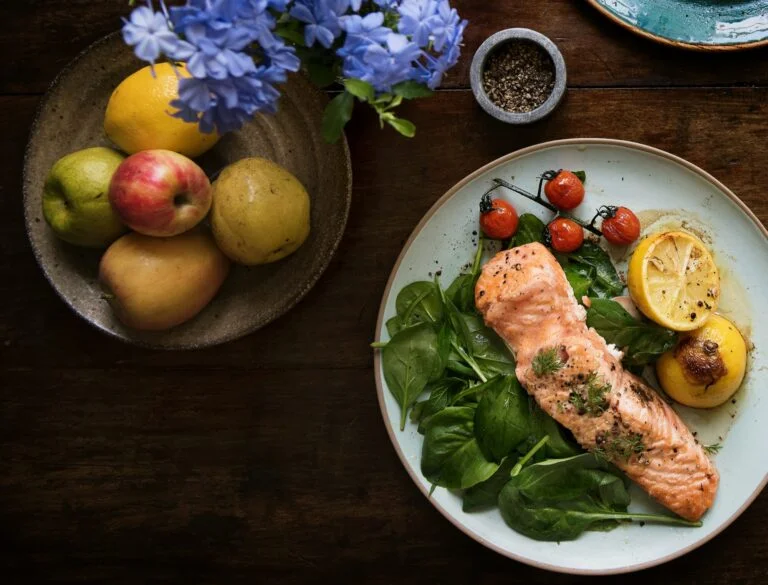
- Eat smaller meals every 2 to 3 hours, as the NHS suggests, to keep energy steady.
- Get plenty of sleep.
- Reduce stress with yoga, meditation or breathing. See box breathing.
- Cut back on alcohol and stop smoking.
- Go easy on salt and caffeine if you feel bloated or anxious. See caffeine and anxiety.
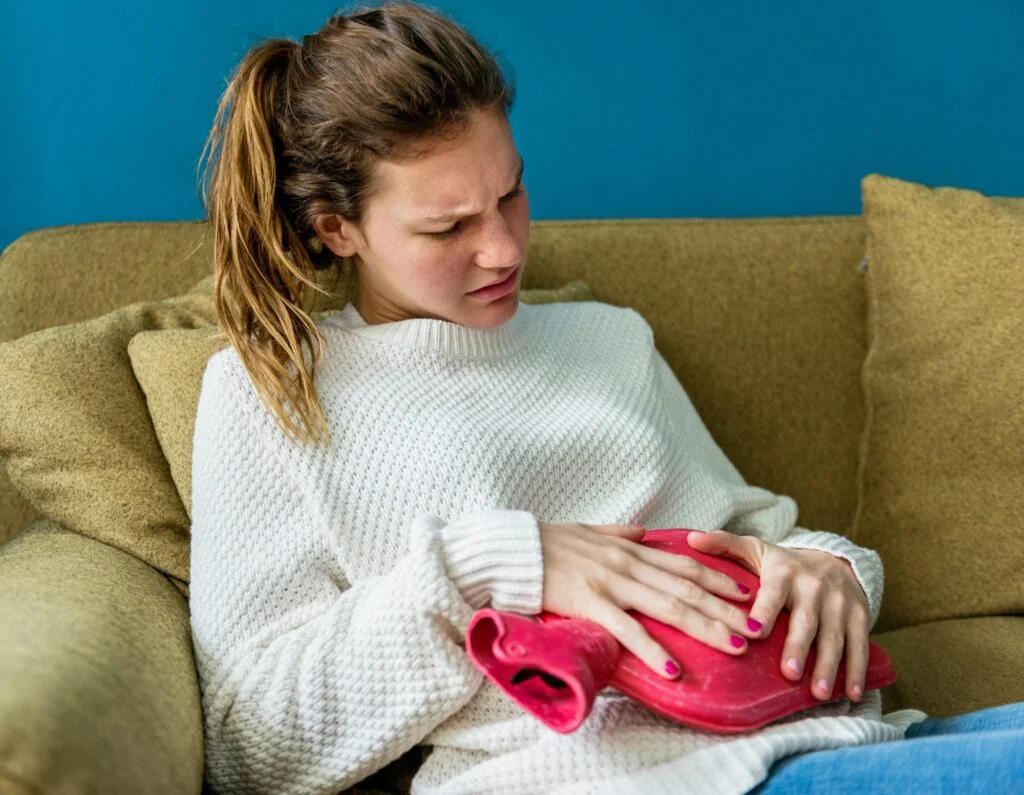
- Use heat, like a hot water bottle, for cramps.
- Take paracetamol or ibuprofen for pain, following the pack.
See also how to relieve stress and self-care ideas.
A cycle-friendly week before your period
| Area | What to plan |
|---|---|
| Sleep | Earlier nights and a wind-down routine. See best tea for sleep |
| Food | Smaller, regular meals with protein and fibre; snacks to hand so you’re not caught hungry |
| Movement | Walks, yoga or swimming rather than nothing at all |
| Diary | Lighter on social plans and big deadlines where you can |
| Comfort | Hot water bottle, a warm bath, loose clothes on bloated days |
PMS, sleep and mood
Many women sleep worse in the days before a period, and poor sleep makes irritability, cravings and low mood harder to handle. Keeping the same bedtime and wake time, cutting back on caffeine and alcohol, and winding down without screens can help break the cycle. If anxiety spikes before your period, simple techniques can take the edge off. See anxiety at night, grounding techniques and how to stop overthinking.
PMS at different ages
- Teens: cycles can be irregular at first, which makes PMS harder to predict. A period tracker helps.
- 20s and 30s: PMS often settles into a pattern. Contraception, pregnancy and stress can all change it.
- 40s: PMS can get worse in perimenopause as hormones fluctuate more. See perimenopause symptoms and menopause and anxiety.
PMS myths
| Myth | Fact |
|---|---|
| “It’s all in your head” | PMS is linked to real hormonal changes across the cycle |
| “You just have to put up with it” | Lifestyle changes and treatments from your GP can help |
| “Everyone gets the same symptoms” | Symptoms vary widely between women and from month to month |
| “Chocolate cravings mean you need magnesium” | There’s no good evidence for this. See sugar cravings |
Supplements for PMS
The NHS mentions vitamin B6, calcium, vitamin D and magnesium, but notes there isn’t much evidence that they work. Check with a GP or pharmacist before starting regular supplements if you take other medicines. Magnesium contributes to normal psychological function, the reduction of tiredness and fatigue, and normal muscle function. See magnesium for PMS and CBD for PMS and period pain.
Our Magnesium Glycinate Sleep Complex is a stevia-sweetened bedtime drink many women use as part of their wind-down. Our CBD Balm is popular for a slow, warming massage. We don’t recommend our products during pregnancy or breastfeeding.
PMDD: when it’s more than PMS
Premenstrual dysphoric disorder (PMDD) is a more severe form of PMS that affects a small number of women. Symptoms are much more intense and can include feeling very anxious, angry, depressed or suicidal, as well as sleep problems, overeating, and joint and muscle pain. It’s linked to sensitivity to hormone changes. If you think you have PMDD, see your GP. If you’re feeling suicidal, call 999 or go to A&E.
When to see a GP
See a GP if lifestyle changes haven’t helped or your symptoms are affecting daily life. Treatments include hormonal options such as the combined pill, CBT, and sometimes antidepressants. Your GP may refer you to a specialist if symptoms continue.
If PMS brings anger, see how to control anger.
Tearful before your period? See crying for no reason.
FAQs
What are the symptoms of PMS?
Bloating, cramping, breast tenderness, headaches, spots, tiredness, food cravings, poor sleep, mood swings, irritability and anxiety.
How long before a period does PMS start?
Usually 1 to 2 weeks before, easing within a few days of your period starting.
How can I tell PMS from early pregnancy?
Some symptoms overlap. If your period is late, take a pregnancy test.
Does magnesium help PMS?
The NHS says there isn’t much evidence that supplements help PMS. Magnesium contributes to normal psychological function and muscle function.
What is PMDD?
A more severe form of PMS with intense mood symptoms. See a GP if you think you have it, and call 999 if you feel suicidal.
Sources
- NHS. PMS (premenstrual syndrome).
- NHS. Symptoms of menopause and perimenopause.
- NHS. 5 steps to mental wellbeing.
This guide is general information, not medical advice. Evopure makes the Magnesium Glycinate Sleep Complex and CBD Balm.