Last updated: October 2026
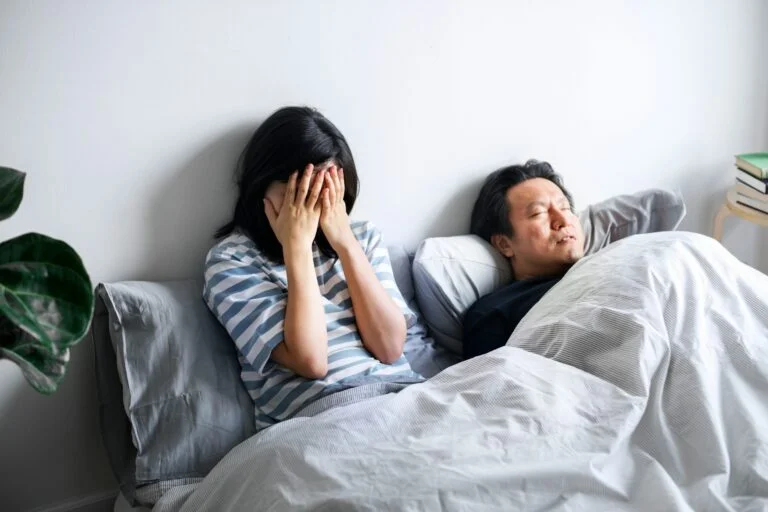
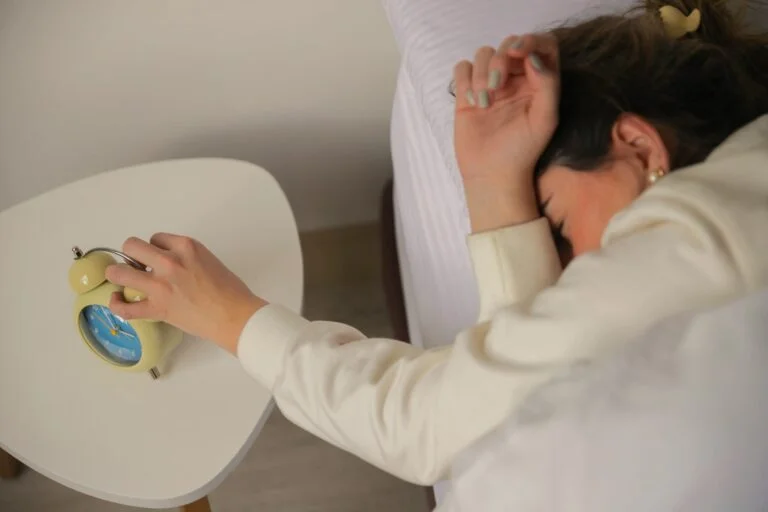
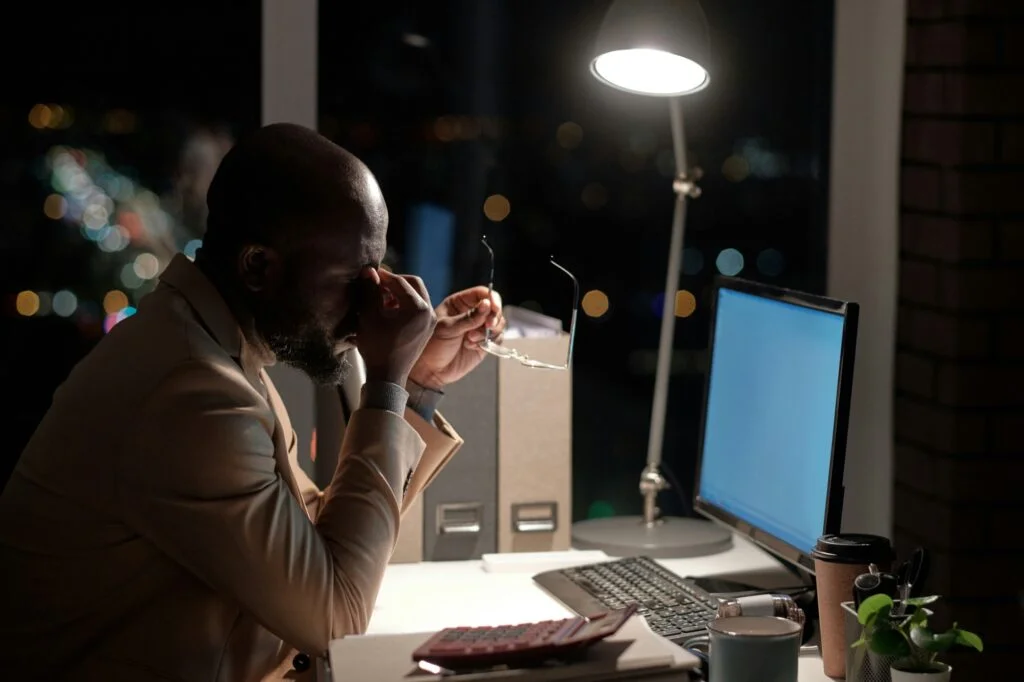
Sleep deprivation means not getting enough sleep. Adults need at least 7 hours a night. Even one bad night affects mood, focus and reaction times, and regularly sleeping under 7 hours is linked with weight gain, lower immunity and long-term health problems. You can recover by getting extra sleep over several nights and fixing the cause.
Below: the symptoms, short and long-term effects, how long you can go without sleep, how to recover, and when to see a GP.
Did you know? In a well-known study, after 17 to 19 hours awake, people’s performance on some tests was as bad as or worse than at a blood alcohol level of 0.05%. Never drive if you’re struggling to stay awake.
How much sleep do you need?
Most adults need 7 to 9 hours a night. A consensus statement from US sleep experts recommends at least 7 hours a night for adults to support good health. Some people need a little more or less, but very few people function well on under 6 hours long term, even if they feel used to it.
Teenagers need more, around 8 to 10 hours. Older adults often sleep more lightly but still need about 7 to 8 hours. Use our sleep calculator to plan your bedtime.
Symptoms of sleep deprivation
- Feeling sleepy and yawning during the day
- Falling asleep within minutes of sitting down, or nodding off in front of the TV
- Irritability and a short temper. See why am I so irritable?
- Low mood or anxiety
- Poor concentration and memory. See brain fog
- Slower reactions and clumsiness
- Craving sugary, high-calorie food. See sugar cravings
- Relying on caffeine to get through the day. See coffee crash
- Catching colds more often
- Microsleeps: losing a few seconds without realising
Effects of sleep deprivation
| Short term (a night or a few nights) | Long term (weeks to years) | |
|---|---|---|
| Brain | Poor focus, memory and decisions | Linked with higher risk of depression and anxiety |
| Mood | Irritable, emotional, low | Ongoing low mood. See low mood vs depression |
| Safety | Slower reactions, accidents, drowsy driving | Higher risk of accidents at work and on the road |
| Appetite | More hunger and cravings | Linked with weight gain |
| Immunity | More likely to pick up colds | Lower resistance to infection |
| Heart and metabolism | Higher stress hormones | Linked with high blood pressure, heart disease and type 2 diabetes |
The effects add up. In a 2003 study, people limited to 6 hours a night for two weeks showed thinking and reaction deficits similar to those after one or two nights of no sleep at all, yet they rated themselves as only slightly sleepy. In other words, you get used to feeling tired, but your brain doesn’t get used to the lack of sleep. A 2010 review also found that regularly sleeping too little was linked with a higher risk of dying early.
How long can you go without sleep?
After 24 hours awake, most people have clear problems with focus, mood and coordination. After 36 to 48 hours, microsleeps become hard to resist and some people experience confusion and hallucinations. Going without sleep for longer than this is dangerous and shouldn’t be attempted. If you haven’t slept for days, see a GP or call NHS 111.
Common causes of sleep deprivation
- Lifestyle: late nights, screens, long working hours. See revenge bedtime procrastination.
- Stress and anxiety keeping you awake. See anxiety at night.
- Insomnia. See insomnia.
- Shift work. See shift work and sleep.
- New parents and caring responsibilities.
- Sleep apnoea or snoring. See how to stop snoring.
- Pain, menopause, night sweats or needing the toilet at night. See night sweats.
- Caffeine and alcohol.
Sleep deprivation and new parents
Broken nights are part of life with a baby, and for many parents sleep deprivation is the hardest part of the early months. You can’t always get more sleep, but you can make the most of what you get:
- Sleep or rest when the baby sleeps, at least once a day, rather than catching up on chores.
- Take turns with a partner for night feeds or early mornings, so each of you gets one longer stretch of sleep.
- Accept offers of help with meals, washing or a walk with the baby.
- Go to bed early on the nights you can.
- Keep night feeds calm and dim so it’s easier to get back to sleep.
- Be careful about driving when you’re very tired.
Feeling low, anxious or unable to cope for more than two weeks after having a baby could be postnatal depression, which affects mums and dads. Speak to your health visitor, midwife or GP. See low mood vs depression.
How to recover from sleep deprivation
- Add extra sleep gradually. Go to bed 30 to 60 minutes earlier for a week or two rather than one huge lie-in.
- Keep a steady wake time, so your body clock stays on track.
- Nap wisely. 10 to 20 minutes before 3pm. See power naps.
- Get morning daylight to reset your body clock.
- Cut caffeine after about 2pm and limit alcohol.
- Build a wind-down routine. See how to fall asleep fast and how to sleep better.
- Fix the cause, such as stress, snoring or screens in the bedroom.
Most people feel noticeably better within a few days to a couple of weeks of consistent, good sleep. Expect to still feel the effects of a long run of poor sleep for a while. See why do I wake up tired?
An evening drink can be a cue for your wind-down routine. Our Magnesium Glycinate Sleep Complex is a berry bedtime drink with magnesium bisglycinate, citrate and L-theanine, and magnesium contributes to the reduction of tiredness and fatigue. Some people add our Sleep CBD Oil, with passion flower, to their evening routine. The FSA’s 10mg a day figure for CBD is precautionary advice rather than a legal limit, set while longer-term safety research continues. At Evopure we think it is a very cautious figure, and many adults use more. If you go above it, increase slowly, and check with your GP or pharmacist first if you take any medication.
When to see a GP
See a GP if poor sleep has lasted for weeks and is affecting your daily life, you feel very sleepy during the day despite enough time in bed, you snore loudly or stop breathing in your sleep, or you’ve fallen asleep at the wheel. The NHS treats long-term insomnia mainly with CBT for insomnia (CBT-I), not sleeping pills.
FAQs
What are the symptoms of sleep deprivation?
Daytime sleepiness, irritability, low mood, poor concentration and memory, slower reactions, food cravings, relying on caffeine and catching colds more often.
How many hours of sleep is sleep deprivation?
Adults need at least 7 hours a night. Regularly getting less than that is considered not enough sleep, and the effects build up over time.
Can you catch up on lost sleep?
Partly. Going to bed a little earlier for several nights helps you recover, but a single long lie-in doesn’t fully make up for a long run of short nights.
How long does it take to recover from sleep deprivation?
Most people feel noticeably better within a few days to a couple of weeks of consistent, good sleep.
Is it dangerous to drive when sleep deprived?
Yes. After 17 to 19 hours awake, performance can be as poor as at a blood alcohol level of 0.05%. Never drive if you’re struggling to stay awake.
Sources
- Watson NF et al (2015). Joint consensus statement on the recommended amount of sleep for a healthy adult. Journal of Clinical Sleep Medicine.
- Williamson AM, Feyer AM (2000). Moderate sleep deprivation produces impairments in cognitive and motor performance equivalent to legally prescribed levels of alcohol intoxication. Occupational and Environmental Medicine.
- Van Dongen HP et al (2003). The cumulative cost of additional wakefulness: dose-response effects of chronic sleep restriction. Sleep.
- Cappuccio FP et al (2010). Sleep duration and all-cause mortality: a systematic review and meta-analysis of prospective studies. Sleep.
- NHS. Insomnia.
This guide is general information, not medical advice. Evopure makes the Magnesium Glycinate Sleep Complex and Sleep CBD Oil.