Last updated: October 2026
No: there are no human trials of CBD oil for gout, and nothing shows it lowers uric acid, which is what causes gout. CBD isn’t a treatment for gout. What works is well proven: anti-inflammatory painkillers, colchicine or steroids for flares, and allopurinol or febuxostat to stop flares coming back. CBD may also interact with colchicine.
iBelow: what the research does and doesn’t show, how CBD compares with proven gout treatments, what is known about CBD with colchicine, allopurinol and febuxostat, what the NHS and NICE recommend, questions to ask your GP, and when a hot, swollen joint needs same-day help.
Need help now? If you have a hot, swollen, painful joint and you also feel hot, cold or shivery, feel sick or can’t eat, get an urgent GP appointment the same day or call 111. It could be an infection inside the joint, which needs treating quickly. See when to get urgent help.
Does CBD oil help gout? The evidence
Here is everything the research has to say, from the most relevant evidence to the least.
| Type of evidence | What it shows | What it means for gout |
|---|---|---|
| Human trials of CBD for gout | None | No evidence either way |
| Systematic review of cannabis in rheumatic diseases (2024) | Searched for gout studies and found none; small studies in other conditions | Gout simply hasn’t been tested |
| Closest human trial (2022) | 129 people with hand osteoarthritis or psoriatic arthritis took 20 to 30mg CBD or a placebo daily for 12 weeks: no difference in pain | A different condition, but the best trial in inflamed joints so far found no effect |
| Osteoarthritis review (2026) | Animal studies looked promising; 4 randomised trials in people found no significant benefit | Lab results haven’t carried over to people |
| Lab and animal research | Cannabinoid (CB2) receptors on immune cells are involved in inflammation | Not tested in gout or in people with gout |
| Uric acid | No evidence CBD lowers it | CBD doesn’t touch the cause |
So the honest answer is that nobody knows whether CBD does anything for gout, and the closest trials in other joint conditions are not encouraging. For the wider picture, see what the CBD and pain trials actually show and CBD for arthritis.
Our pick
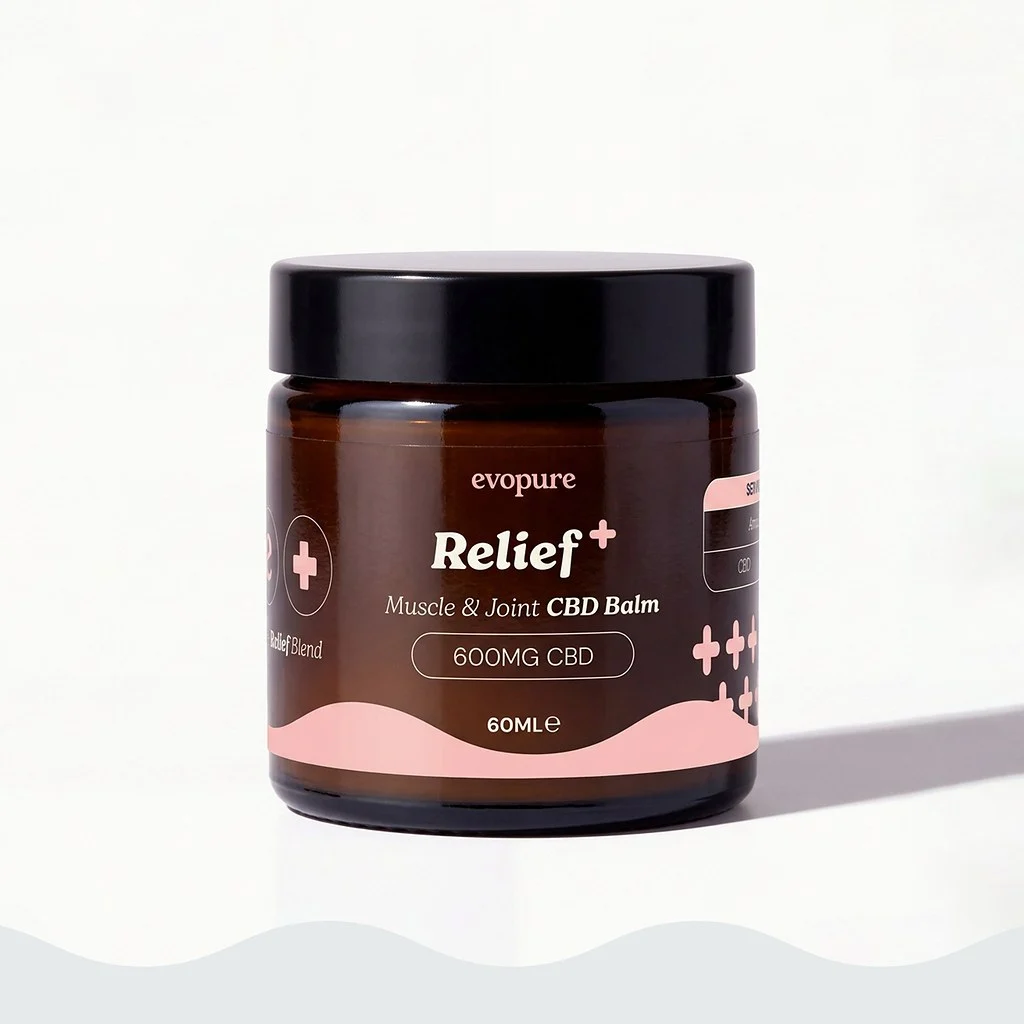
CBD Balm Muscle & Joint Support
CBD Balm is a cooling balm with 600mg of broad spectrum CBD, peppermint, eucalyptus and juniper. It is a cosmetic for massage, not a supplement.
Add CBD Balm to bag See ingredients and reviews
Broad spectrum with 0% THC, every batch third-party lab tested, made in the UK. For adults only. We don’t recommend our products during pregnancy or breastfeeding. Free UK delivery over £45.
Subscribe £29.99One-off £39.99
View productWhat causes gout, and why CBD can’t fix it
Gout happens when there is too much uric acid in the blood. It forms sharp crystals in and around a joint, most often the big toe, but also the feet, ankles, knees, hands, wrists or elbows. A flare usually comes on fast, often overnight, with severe pain, swelling and hot, red skin over the joint. Our full guide explains what causes gout and how it’s treated.
It is more common in men and with age, and can run in families. The NHS lists being overweight, drinking alcohol, having been through the menopause, high blood pressure, diabetes, kidney problems and some medicines, such as diuretics, as risk factors.
iA GP can check your blood urate level. NICE uses 360 micromol/litre or more to support the diagnosis, and if the level is lower during a flare, it is worth repeating the test at least 2 weeks after the flare settles.
This matters for CBD because something that only takes the edge off pain leaves the crystals in place. Repeated, untreated flares can lead to joint damage, hard lumps under the skin called tophi, and kidney stones. That is why the NHS and NICE focus on lowering uric acid, not just getting through each flare. For other causes of sore joints, see our joint pain guide.
Why people try CBD for gout
Gout flares are extremely painful, and some people can’t take anti-inflammatory painkillers because of stomach, kidney or heart problems. Others don’t like the side effects of colchicine, or want something for general wellbeing between flares. Interest in CBD for pain is widespread, but for gout specifically there’s no evidence yet. If you’re comparing CBD oils for joint discomfort in general, our honest guide to CBD oil for pain in the UK covers what to look for.
CBD vs proven gout treatments
NICE’s gout guideline (NG219) sets out what UK doctors offer. Here is how CBD compares.
| Option | What it’s for | Evidence in gout | Good to know |
|---|---|---|---|
| Anti-inflammatory painkillers (NSAIDs), e.g. ibuprofen, naproxen | Treating a flare | First-line option (NICE) | Not suitable for everyone; a stomach-protecting tablet may be added |
| Colchicine | Treating a flare; preventing flares when starting urate-lowering medicine | First-line option (NICE) | Narrow safety margin; many medicine interactions |
| Steroids (short course of tablets or an injection) | Treating a flare | First-line option (NICE) | An injection is considered if NSAIDs and colchicine aren’t suitable |
| Allopurinol or febuxostat | Lowering uric acid to stop flares coming back | First-line long-term treatment (NICE) | Started low and increased until a target urate level is reached; usually lifelong |
| Ice packs | Easing a flare alongside medicine | Recommended by NICE as an add-on | Wrap in a towel; up to 20 minutes at a time (NHS) |
| CBD oil or balm | Not a gout treatment | No gout trials | May interact with colchicine; check with a pharmacist |
For a flare, NICE says the choice between an NSAID, colchicine or a short course of steroids depends on your other health conditions, your other medicines and your preference, so the best option is the one your GP agrees is safe for you.
CBD with colchicine, allopurinol and febuxostat
No study has tested CBD with any gout medicine directly. What follows is what is known from the medicines’ official product information and from interaction research, and where the gaps are.
Colchicine: the one to be careful with
Colchicine has a narrow safety margin. It is broken down by a liver enzyme called CYP3A4 and pumped out of the gut by a transporter called P-glycoprotein (P-gp). Its UK product information warns that medicines which block CYP3A4 or P-gp raise colchicine levels, and that this has caused serious and even fatal toxicity.
At prescription doses (the CBD medicine Epidyolex), CBD raised levels of everolimus, another drug that relies on P-gp, about 2.5-fold. The manufacturer puts this down to CBD blocking P-gp in the gut. In the same research, CBD didn’t change levels of midazolam, a standard test for CYP3A4. A 2026 review of CBD’s interaction potential lists colchicine among 19 “major” interactions.
Those prescription doses are well over 100 times the FSA’s 10mg a day figure, so the risk at food supplement amounts is unknown. Because colchicine toxicity can be serious, don’t combine CBD with colchicine without asking your GP or pharmacist first. Early signs of colchicine toxicity include nausea, vomiting, stomach pain and diarrhoea.
Allopurinol
Allopurinol is mainly converted to its active form, oxipurinol, by enzymes called xanthine oxidase and aldehyde oxidase, not by the CYP enzymes CBD is best known for affecting. We found no reported interaction with CBD, but nobody has studied the pair, so tell your pharmacist if you use CBD.
Febuxostat
Febuxostat is cleared mainly by UGT enzymes. Its product information notes that medicines which block these enzymes could, in theory, raise febuxostat levels, and the Epidyolex information lists UGT1A9 and UGT2B7 among the enzymes CBD may affect. This hasn’t been tested, so ask your pharmacist before combining them.
Painkillers, steroids and your kidneys
iKidney problems are common in people with gout and change which medicines are safe and at what dose. If you have kidney disease, or take several medicines, get a pharmacist’s view before adding any supplement. See can CBD interact with medication? and CBD and the kidneys.
CBD cream or balm for gout
Topical CBD hasn’t been studied for gout, and neither have most herbal or essential oil rubs. During a flare, the joint is usually too tender to touch, and the NHS advises keeping it cool, rested and free of pressure, even from bedclothes. Rubbing anything into a hot, swollen joint isn’t a good idea.
Between flares, some people like a balm as part of a gentle massage routine for general stiffness elsewhere. See our CBD balm guide.
If you still want to use CBD
Some people with gout use CBD as part of their everyday routine, separately from their gout treatment. If that’s you:
- Keep taking your gout medicines. Never swap allopurinol, febuxostat or flare treatment for CBD.
- Check with your pharmacist first, especially if you take colchicine, and tell them about every supplement you use.
- Start low and go slowly. Our CBD dosage guide explains drops and milligrams, and CBD side effects covers what to watch for.
- Choose a lab-tested product with 0% THC from a brand that shares its lab reports.
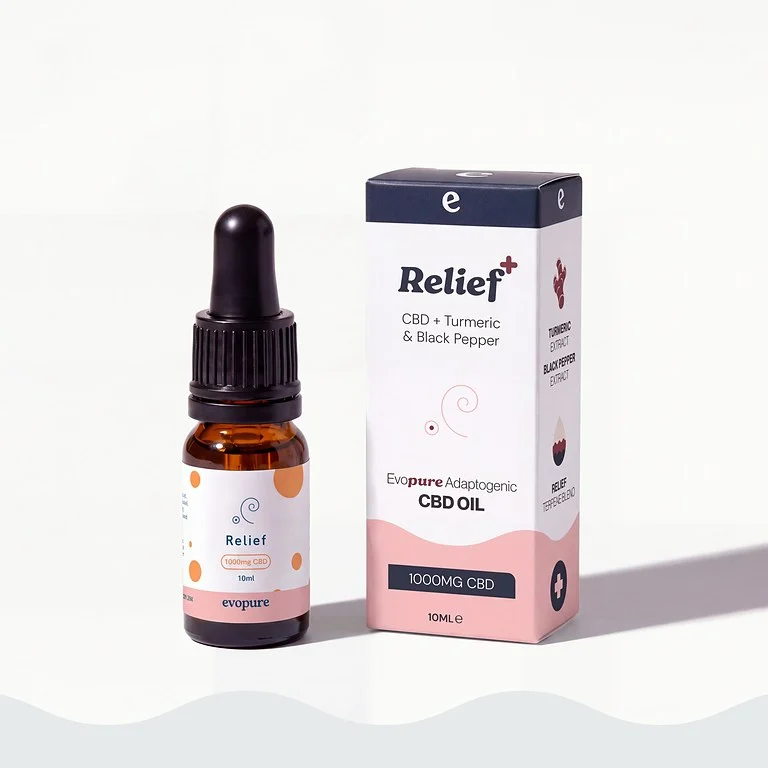
Our Relief CBD Oil is a broad spectrum everyday CBD oil with turmeric and black pepper extract. Our CBD Balm is a cooling, non-greasy massage balm with peppermint, eucalyptus and juniper. Neither is a treatment for gout. Both are vegan, made in the UK, third-party lab tested and for adults only. We don’t recommend our products during pregnancy or breastfeeding.
The FSA’s 10mg a day figure is precautionary advice rather than a legal limit, set while longer-term safety research continues. At Evopure we think it is a very cautious figure, and many adults use more. If you go above it, increase slowly, and check with your GP or pharmacist first if you take any medication.
For more on the FSA figure, see the CBD daily limit in the UK explained.
What helps a gout flare (NHS)
- Take any medicine you’ve been prescribed as soon as possible; it should start to work within 2 days.
- Rest and raise the limb.
- Keep the joint cool: an ice pack or bag of frozen peas wrapped in a towel, for up to 20 minutes at a time.
- Drink lots of water, unless a GP tells you not to. See how much water to drink a day.
- Keep bedclothes off the joint at night.
- Don’t put pressure on the joint.
The NHS says flares are usually treated with an anti-inflammatory painkiller such as ibuprofen, with steroid tablets or an injection if the pain and swelling don’t improve. NICE also lists colchicine as a first-line option. Without treatment, a flare usually lasts 1 to 2 weeks.
Preventing gout coming back
Urate-lowering medicine
- Who it’s for: NICE says to offer it to people with repeated or troublesome flares, tophi, chronic gouty arthritis, moderate to severe kidney disease or who take diuretics, and to discuss it with anyone who has had a flare.
- Which medicine: allopurinol or febuxostat first. Allopurinol is preferred if you have major heart disease.
- Treat to target: start on a low dose and increase it month by month, guided by blood tests, until your urate level is below 360 micromol/litre (below 300 if you have tophi or frequent flares).
- When to start: usually 2 to 4 weeks after a flare settles, sometimes sooner if flares are frequent. Colchicine may be offered for a while to prevent flares as the dose goes up.
- How long: usually for life, with a yearly urate check once you’re at target. The NHS stresses taking it every day, even when you have no symptoms.
Lifestyle
NICE says there isn’t enough evidence that any specific diet prevents flares or lowers urate, and advises a healthy, balanced diet. Excess weight and heavy drinking can make gout worse. The NHS suggests:
- losing weight if you need to, without crash dieting
- keeping some alcohol-free days each week and staying within 14 units a week (see how to cut down on alcohol)
- drinking plenty of fluids and limiting sugary drinks and snacks
- regular exercise that doesn’t put heavy strain on your joints
- stopping smoking
- asking your GP whether vitamin C supplements are worth taking
What to ask your GP or pharmacist
Take these questions to your next appointment:
- Is this definitely gout, and should my urate level be checked again once the flare settles?
- Should I be on allopurinol or febuxostat, and what is my target urate level?
- What should I take at the very first sign of a flare, and can I keep a supply at home?
- Are my kidneys, blood pressure or other medicines affecting my gout or my treatment?
- I use (or want to use) CBD. Is it safe with colchicine and my other medicines?
- How often should I have blood tests?
NICE recommends considering a follow-up appointment after a flare settles, to recheck your urate level, review your medicines and talk about long-term treatment, so it’s worth asking for one.
When to get urgent help
Get an urgent GP appointment the same day, or call 111, if you have sudden pain and swelling in a joint that’s getting worse, and you also feel hot, cold or shivery, feel sick or can’t eat. A hot, swollen joint with a fever can be a joint infection (septic arthritis), which needs treatment quickly. NICE asks doctors to rule this out in anyone with a painful, red, swollen joint.
iSee a GP (not urgently) if you think you have gout for the first time, or your usual treatment isn’t working. If knees are your main problem, our knee pain guide covers other causes.
Sources 11
- NHS. Gout.
- NICE. Gout: diagnosis and management (NG219), 2022.
- emc. Colchicine 500 micrograms tablets: summary of product characteristics.
- emc. Epidyolex: summary of product characteristics (section 4.5, interactions).
- emc. Allopurinol 100mg tablets: summary of product characteristics.
- emc. Adenuric (febuxostat): summary of product characteristics.
- de Carvalho JF, et al. Cannabis therapy in rheumatological diseases: a systematic review. North Clin Istanb, 2024.
- Vela J, et al. Cannabidiol treatment in hand osteoarthritis and psoriatic arthritis: a randomized, double-blind, placebo-controlled trial. Pain, 2022.
- Abafita BJ, et al. Efficacy and safety of cannabis extracts for the treatment of osteoarthritis: a systematic review and meta-analysis. Pain Res Manag, 2026.
- Rakotoarivelo V, et al. The impact of the CB2 cannabinoid receptor in inflammatory diseases: an update. Molecules, 2024.
- Keller GA, Aimar JA. The pharmacokinetic and pharmacodynamic drug-drug interaction potential of cannabidiol. Drug Metab Bioanal, 2026.
This guide is general information, not medical advice.