Last updated: October 2026
Hot flushes are sudden waves of heat in the face, neck and chest, often with sweating, a racing heart and redness. They are most often caused by falling hormone levels in perimenopause and menopause, but medicines, anxiety, an overactive thyroid, alcohol and some cancer treatments can cause them too. HRT works best; lifestyle changes and CBT also help.
Below: causes (including when it isn’t menopause), how long they last, night-time flushes, triggers, what really helps, supplements, hot flushes in men and when to see a GP.
The short version: spot your triggers, dress in layers, keep a fan and a cold drink close, and cut back on alcohol, caffeine and smoking. If flushes affect your sleep, work or mood, see a GP: HRT works best, and there are non-hormonal options too.
What are hot flushes?
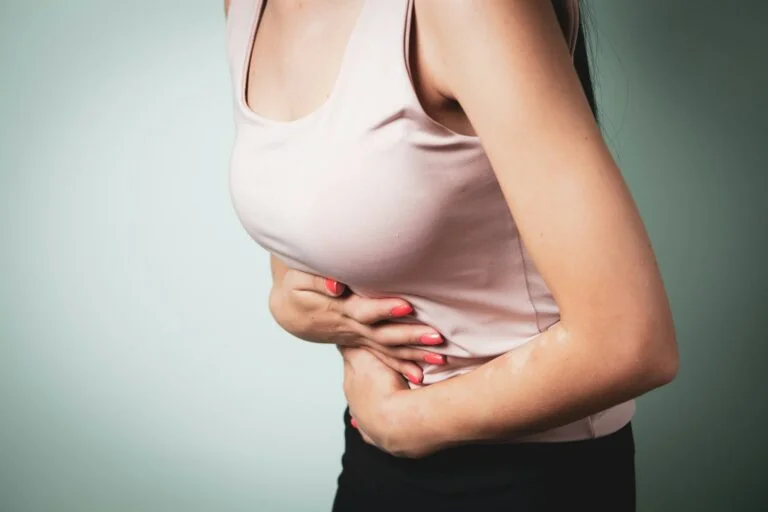
The NHS describes hot flushes as a sudden feeling of heat (or sometimes cold) in your face, neck and chest. In the US they’re called hot flashes; it’s the same thing. Doctors group hot flushes and night sweats together as “vasomotor symptoms”.
- They start suddenly, often as warmth spreading up the chest, neck and face.
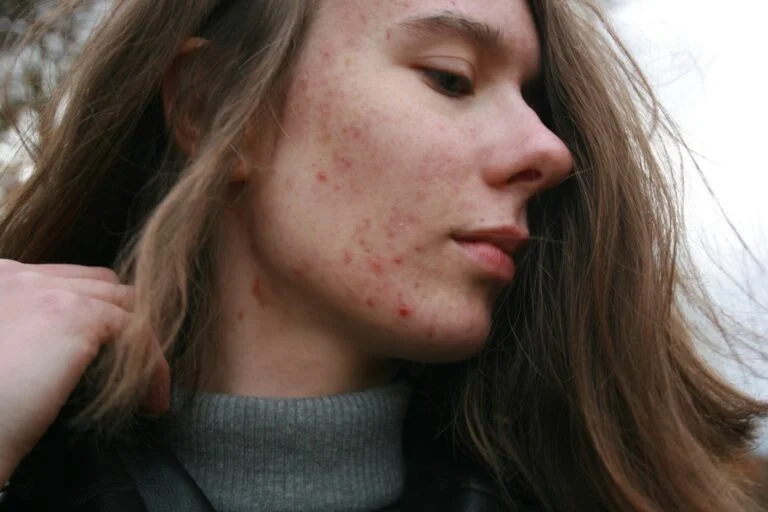
- Your skin may go red and you may sweat a lot.
- They can bring on palpitations (a fast or pounding heartbeat), anxiety or dizziness.
- They usually last a few minutes; Macmillan Cancer Support says about 4 to 5 minutes.
- You may feel chilly afterwards as the sweat dries.
- They can happen by day or at night, when they’re called night sweats.
What causes hot flushes?
Perimenopause and menopause are by far the most common cause. Research suggests that, partly because of falling oestrogen, the comfortable range between your body’s sweating and shivering points becomes much narrower. A tiny rise in core temperature can then set off a full flush: blood vessels in the skin widen, you go red, and you sweat to cool down.
Hot flushes often start in perimenopause, while you still have periods, and can carry on after they stop. NICE says that in women aged 45 or over, new hot flushes or night sweats plus changes to your periods are enough for a doctor to identify perimenopause without blood tests. See perimenopause symptoms and hormonal imbalance symptoms.
They can start earlier too. The NHS says early menopause (before 45) and premature menopause (before 40) cause hot flushes and night sweats, and can happen naturally or after chemotherapy, radiotherapy, some hormone medicines or removal of the ovaries. If you’re under 45 and your periods have become irregular or stopped, see a GP.
The NHS also notes that women from a Black ethnic background are more likely to have hot flushes that are severe and last longer.
Hot flushes that aren’t menopause
If you’re nowhere near menopause, you’re a man, or your flushes don’t fit the usual pattern, there are other possible causes. Many overlap with the NHS list of causes of night sweats.
| Possible cause | Other clues | What to do |
|---|---|---|
| Medicines | A new or changed medicine. The NHS names some antidepressants, steroids and painkillers | Ask your pharmacist or GP. Don’t stop a prescribed medicine without advice |
| Anxiety and stress | A racing heart, worry or panic. See anxiety symptoms | Breathing techniques, talking therapies, a GP if it affects daily life |
| Overactive thyroid | The NHS lists sensitivity to heat, warm skin and excessive sweating, plus weight loss, a fast heartbeat and shakiness | See a GP; a blood test can check your thyroid |
| Alcohol | Flushing or sweating after drinking, or at night | Cut down and see if things improve |
| Low blood sugar | Sweating with shakiness or hunger, especially if you have diabetes | Speak to your GP or diabetes team |
| Cancer treatments | Hormone therapy for breast or prostate cancer, chemotherapy, pelvic radiotherapy or ovary removal | Talk to your cancer team |
| Infection | Feeling hot, flushed and unwell, often with a high temperature | Get help if you’re getting worse |
| Hyperhidrosis | Sweating a lot all the time, not in sudden waves | A GP or pharmacist can advise |
Macmillan notes that night sweats are sometimes a symptom of certain cancers, such as lymphoma. That’s rare, but it’s why night sweats with unexplained weight loss or a high temperature should always be checked.
How long do hot flushes last?
Each flush usually lasts a few minutes. Overall, the NHS says menopause symptoms usually last 7 to 9 years, sometimes longer, and change over time: hot flushes may ease and be replaced by low mood, anxiety or joint pain.
The best long-term data comes from SWAN, a US study that followed 3,302 women through the menopause transition for up to 17 years. Among the 1,449 women with frequent hot flushes or night sweats:
- they lasted a median of 7.4 years in total
- they carried on for a median of 4.5 years after the final period
- women whose flushes started while their periods were still regular or only just changing had them longest (a median of more than 11.8 years)
- women whose flushes began after their periods had stopped had them for the shortest time (a median of 3.4 years)
So if hot flushes start early, it’s worth getting help early rather than waiting for them to pass.
Hot flushes at night
Hot flushes at night are called night sweats. They can wake you soaked, then leave you cold and wide awake. The NHS says sleep problems may be worse if you have night sweats, and broken sleep feeds tiredness, low mood and brain fog.
- Keep the bedroom cool, with a window open or a fan on.
- Use cotton nightwear and layered bedding you can adjust, instead of one heavy duvet.
- Keep a glass of cold water by the bed.
- Avoid alcohol, spicy food and hot drinks late in the evening.
See our guides to night sweats, perimenopause and sleep and waking at 3am.
Common hot flush triggers
Triggers don’t cause hot flushes on their own, but they can set one off or make it worse. The NHS suggests avoiding or reducing potential triggers, and Macmillan recommends writing down when flushes happen so you can spot your own pattern.
| Trigger | Why it can set off a flush | What to try |
|---|---|---|
| Hot drinks | A small rise in body temperature can be enough to start a flush | Let drinks cool, or switch to cold ones |
| Caffeine | The NHS lists caffeine as a common cause of palpitations, which often come with flushes | Cut down gradually, especially after midday. See caffeine and anxiety |
| Alcohol | The NHS lists alcohol as a common cause of night sweats | Drink less, or have alcohol-free evenings. See how to cut down on alcohol |
| Spicy food | Makes you feel hot and can make you sweat | Notice whether it’s a trigger for you |
| Smoking | The NHS says smoking can make menopause symptoms worse | Stopping is one of the best things you can do |
| Stress | The NHS suggests finding ways to lower stress to help hot flushes | Slow breathing, a short walk, relaxation |
| Warm rooms and tight clothes | Keep heat in, so a small temperature rise builds faster | Layers, natural fabrics, a fan nearby |
What helps hot flushes: everyday changes
The NHS suggests these steps for hot flushes and night sweats. None is a cure, but together they can take the edge off.
- Wear lightweight layers you can take off quickly.
- Cool down fast: a fan, a cool shower or a cold drink at the first sign of a flush.
- Keep your bedroom cool at night.
- Cut back on triggers such as spicy food, caffeine, hot drinks, smoking and alcohol.
- Exercise regularly and keep to a healthy weight. See menopause weight gain.
- Lower your stress level with slow breathing as a flush starts (try box breathing), yoga, tai chi or meditation.
- Talk about it with people going through the same thing, including colleagues.
A calm evening routine helps too, especially if night sweats break your sleep; see our sleep hygiene guide. Many people swap evening wine or coffee for a caffeine-free drink. Our Magnesium Glycinate Sleep Complex is a berry-flavoured, caffeine-free evening drink. Magnesium contributes to the reduction of tiredness and fatigue and to normal psychological function. It isn’t a treatment for hot flushes, and there’s no good evidence that magnesium reduces them.
CBT for hot flushes
Cognitive behavioural therapy (CBT) is a talking therapy and one of the best-supported non-drug options. It won’t stop flushes happening, but it can make them less bothersome and help you sleep. It usually covers paced breathing, handling flushes at work or in public, unhelpful thoughts (“everyone can see I’m red”) and getting back to sleep after a night sweat.
The 2024 update to NICE’s menopause guideline says doctors should consider menopause-specific CBT for hot flushes and night sweats, alongside HRT or for people who can’t or prefer not to take it. NICE says it can be face to face, remote, in a group or self-help.
In a UK trial of women with at least 10 problem hot flushes or night sweats a week, both group CBT and self-help CBT made flushes much less of a problem at 6 and 26 weeks compared with no treatment, and reduced night sweats. Ask your GP what’s available locally. CBT can also help with menopause anxiety and low mood.
HRT and other treatments from your GP
HRT (hormone replacement therapy)
HRT is the most effective treatment for menopause hot flushes, and NICE says doctors should offer it. The NHS says HRT relieves most menopause symptoms, including hot flushes, night sweats and menopause-related sleep problems, usually within a few days or weeks. It comes as tablets, patches, gel or spray.
The NHS says that if you’re under 60, have menopause symptoms and aren’t at high risk of breast cancer or blood clots, the benefits are likely to outweigh the risks. Combined HRT slightly raises breast cancer risk: around 5 extra cases in every 1,000 women who take it for 5 years. Your GP will look at your own history.
Non-hormonal medicines
If HRT isn’t suitable, for example after some breast cancers, or you’d rather not take it:
- Fezolinetant (Veoza): a non-hormonal tablet. In March 2026 NICE recommended it for moderate to severe menopause hot flushes and night sweats when HRT is unsuitable, so the NHS in England now funds it for those patients. It reduced how often and how badly flushes happened compared with placebo, but hasn’t been directly compared with other non-hormonal treatments.
- Clonidine: the NHS says it can help reduce menopause hot flushes and night sweats without affecting hormones. It can take 2 to 4 weeks to work, and side effects include a dry mouth, drowsiness and constipation.
- Some antidepressants (SSRIs or SNRIs): NICE says they shouldn’t routinely be offered first for hot flushes alone, but a GP may suggest one, especially alongside low mood or anxiety.
A GP, practice nurse or menopause clinic can help you weigh up the options. Never start, stop or switch a medicine without advice.
Supplements for hot flushes: the honest picture
The NHS says herbal remedies such as red clover and black cohosh have very little evidence on how well they work or how safe they are, and some can cause serious side effects with other medicines. Here’s what the research shows.
| Supplement | What the evidence says | Safety notes |
|---|---|---|
| Black cohosh | A Cochrane review of 16 trials (2,027 women) found no significant difference from placebo in hot flush frequency. NICE says there is some evidence, but safety is uncertain and products vary | The MHRA concluded the evidence supports a link with liver damage. Speak to a GP first if you have liver problems, and stop and get advice if you notice dark urine or unusual tiredness |
| Soy and red clover isoflavones | A Cochrane review of 43 trials (4,364 women) found no conclusive evidence they reduce hot flushes or night sweats. Placebo alone cut flushes by up to 59% | Products vary a lot. Check with a GP if you’ve had breast cancer |
| St John’s wort | NICE says there is some evidence, but uncertainty about dose, how long effects last and product strength | Serious interactions with medicines including tamoxifen, blood thinners and epilepsy medicines |
| Magnesium | No good evidence that it reduces hot flushes | See magnesium for menopause |
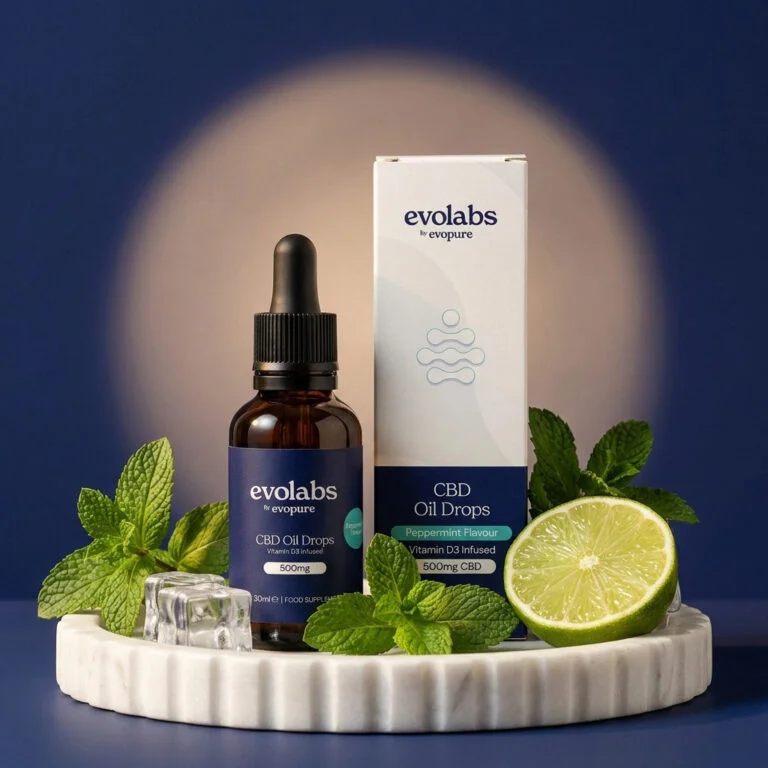
| CBD | Not a treatment for hot flushes; no good trials in menopause | See CBD and menopause |
Our view: speak to a GP or pharmacist before trying any supplement, especially if you take medicines or have had cancer. The NHS advises checking that a herbal medicine has a traditional herbal registration (THR) mark and an MHRA product code on the pack. Keep a flush diary so you can see whether anything is really making a difference. For an evidence-ranked rundown, see best supplements for menopause.
Hot flushes in men
Men get hot flushes too. One of the best-known causes is hormone therapy for prostate cancer, which lowers testosterone. Macmillan says that with some treatments, flushes gradually ease as the body adjusts, and that doctors can prescribe medicines to help.
Other causes in men are the same as in the table above: medicines, anxiety, an overactive thyroid, alcohol, low blood sugar and infection. The same everyday steps help. If you’re having cancer treatment, talk to your cancer team. If not, and you get hot flushes or night sweats with no obvious cause, see a GP.
When to see a GP
You don’t need to wait until hot flushes are unbearable. The NHS says early advice can help reduce the effects of menopause on your health, relationships and work. See a GP if:
- hot flushes or night sweats are affecting your sleep, work, mood or relationships
- you think you have perimenopause symptoms and want to know your options, or you’re under 45 with menopause symptoms
- you have night sweats that regularly wake or worry you, or come with a high temperature, a cough, diarrhoea or weight loss you can’t explain
- you have signs of an overactive thyroid, such as weight loss, shakiness or a fast heartbeat
- you get palpitations that keep coming back or last more than a few minutes
- you’re a man with hot flushes and no obvious cause
Get urgent help: call 999 or go to A&E if you have palpitations that don’t go away, or palpitations with chest pain, shortness of breath or fainting. If these have stopped, ask your GP surgery for an urgent appointment or call 111.
Before your appointment, note how often flushes happen, likely triggers, how they affect your sleep and day, and any medicines or supplements you take. If anxiety or panic comes with your flushes, see how to stop a panic attack.
FAQs
What causes hot flushes?
Usually changing hormone levels in perimenopause and menopause. Some medicines, anxiety, an overactive thyroid, alcohol, low blood sugar, infections and some cancer treatments can also cause them.
How long do hot flushes last?
Each flush usually lasts a few minutes. The NHS says menopause symptoms usually last 7 to 9 years, sometimes longer. In the SWAN study, frequent hot flushes lasted a median of 7.4 years.
Why are my hot flushes worse at night?
Night-time flushes are called night sweats. A warm room, heavy bedding, alcohol and late caffeine can make them worse. See a GP if they regularly wake you.
Can you get hot flushes without menopause?
Yes. Some medicines, anxiety, an overactive thyroid, alcohol, low blood sugar, infections and cancer treatments can all cause them. See a GP if there’s no clear reason.
Do men get hot flushes?
Yes. A well-known cause in men is hormone therapy for prostate cancer, which lowers testosterone. Medicines, anxiety, thyroid problems and alcohol can also cause them.
What is the best treatment for hot flushes?
HRT is the most effective treatment for menopause hot flushes. CBT, lifestyle changes and non-hormonal medicines such as fezolinetant or clonidine are options if HRT isn’t suitable.
Do supplements help hot flushes?
The evidence is weak. Cochrane reviews found no clear benefit from black cohosh or soy and red clover isoflavones, and black cohosh has been linked to liver problems. Ask a GP or pharmacist first.
Sources
- NHS. Symptoms of menopause and perimenopause.
- NHS. Things you can do to help menopause and perimenopause symptoms.
- NHS. Benefits and risks of HRT.
- NHS. Other medicines for menopause symptoms.
- NHS. Herbal remedies and complementary medicines for menopause symptoms.
- NHS. Herbal medicines and complementary therapies.
- NHS. Early or premature menopause.
- NHS. Night sweats.
- NHS. Overactive thyroid: symptoms.
- NHS. Heart palpitations.
- NICE. Menopause: identification and management (NG23), recommendations. Last updated April 2026.
- NICE. Fezolinetant for treating moderate to severe vasomotor symptoms associated with menopause (TA1143). March 2026.
- Macmillan Cancer Support. Hot flushes and sweating.
- MHRA. Black cohosh and liver injury: UK public assessment report (PDF).
- Avis NE et al. Duration of menopausal vasomotor symptoms over the menopause transition. JAMA Intern Med, 2015. PMID 25686030.
- Ayers B et al. Group and self-help CBT for menopausal hot flushes and night sweats (MENOS 2). Menopause, 2012. PMID 22336748.
- Freedman RR. Menopausal hot flashes: mechanisms, endocrinology, treatment. J Steroid Biochem Mol Biol, 2014. PMID 24012626.
- Leach MJ, Moore V. Black cohosh for menopausal symptoms. Cochrane Database Syst Rev, 2012. PMID 22972105.
- Lethaby A et al. Phytoestrogens for menopausal vasomotor symptoms. Cochrane Database Syst Rev, 2013. PMID 24323914.
This guide is general information, not medical advice. Always speak to a GP or pharmacist about hot flushes and before starting, stopping or changing any medicine or supplement. Evopure makes the Magnesium Glycinate Sleep Complex, which is not a treatment for hot flushes.