



Last updated: 11 November 2026
Insomnia means regularly finding it hard to fall asleep or stay asleep, or waking too early, with tiredness or poor concentration the next day. Short-term insomnia lasts under 3 months. Chronic insomnia means symptoms on at least 3 nights a week for 3 months or more. Better sleep habits come first, and CBT for insomnia (CBT-I) is the first-line treatment.
Below: symptoms and types, causes, whether insomnia is genetic or a mental illness, a step-by-step plan, how it’s measured, GP treatments and where supplements fit.
Insomnia symptoms
According to the NHS, you have insomnia if you regularly:
- find it hard to go to sleep
- wake up several times during the night
- lie awake at night
- wake up early and can’t go back to sleep
- still feel tired after waking up
- find it hard to nap during the day even though you’re tired
- feel tired and irritable, and find it hard to concentrate, during the day
The daytime part matters. NICE’s guidance for GPs describes insomnia as persistent trouble getting to sleep, staying asleep or with sleep quality, despite a proper chance to sleep, that affects how you function the next day. Broken nights with no daytime effect don’t count as insomnia disorder. Chronic insomnia affects up to 1 in 10 adults, and it is more common in women.
Adults need 7 to 9 hours on average. If you feel drained whatever you do, see why am I always tired? and why you wake up tired.
Our pick
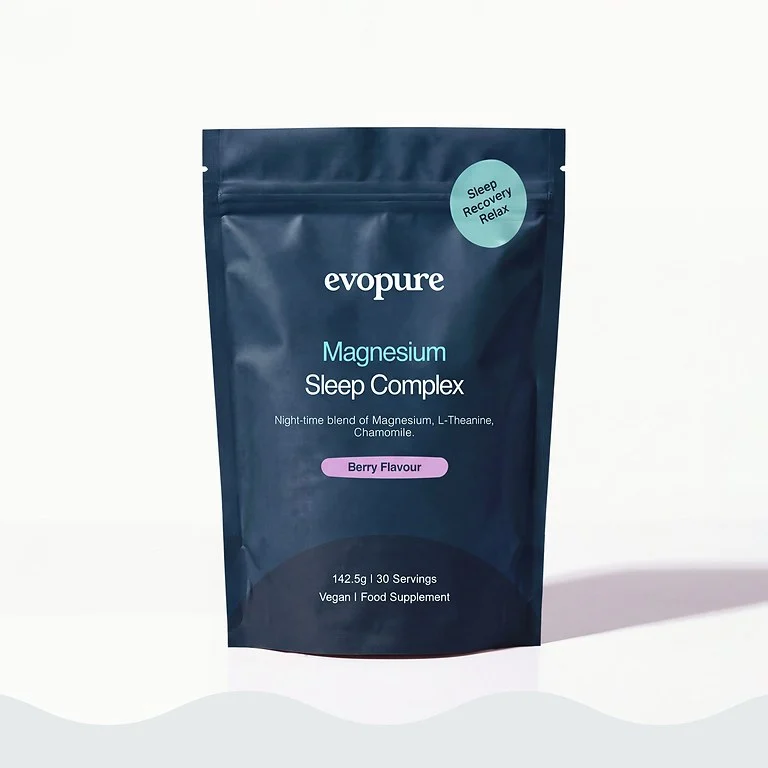
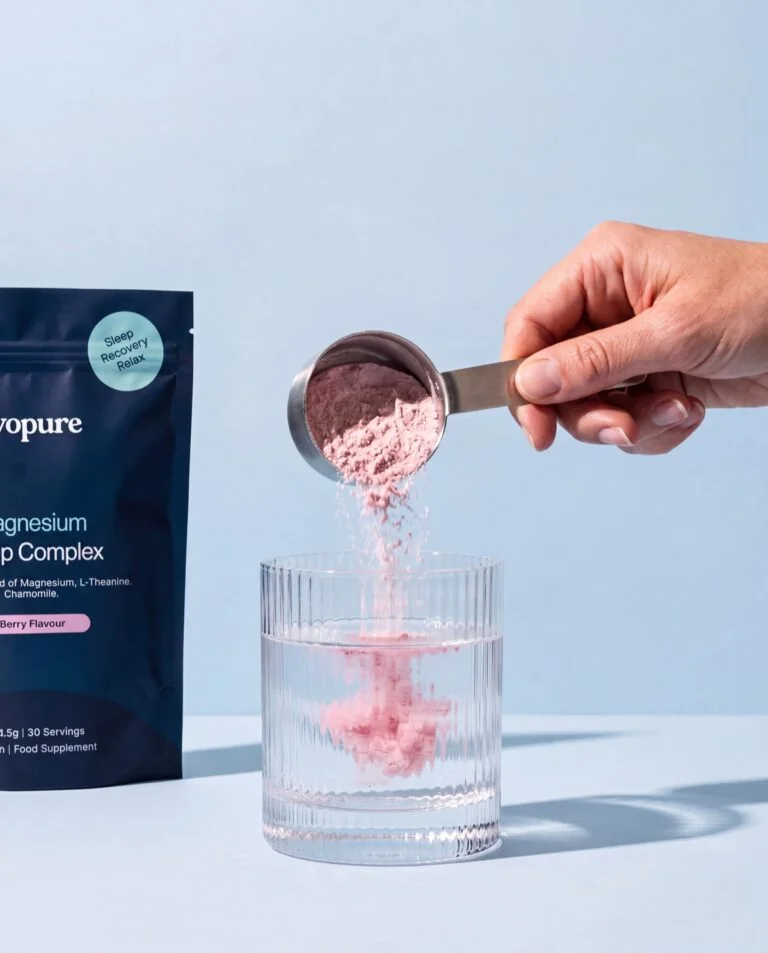
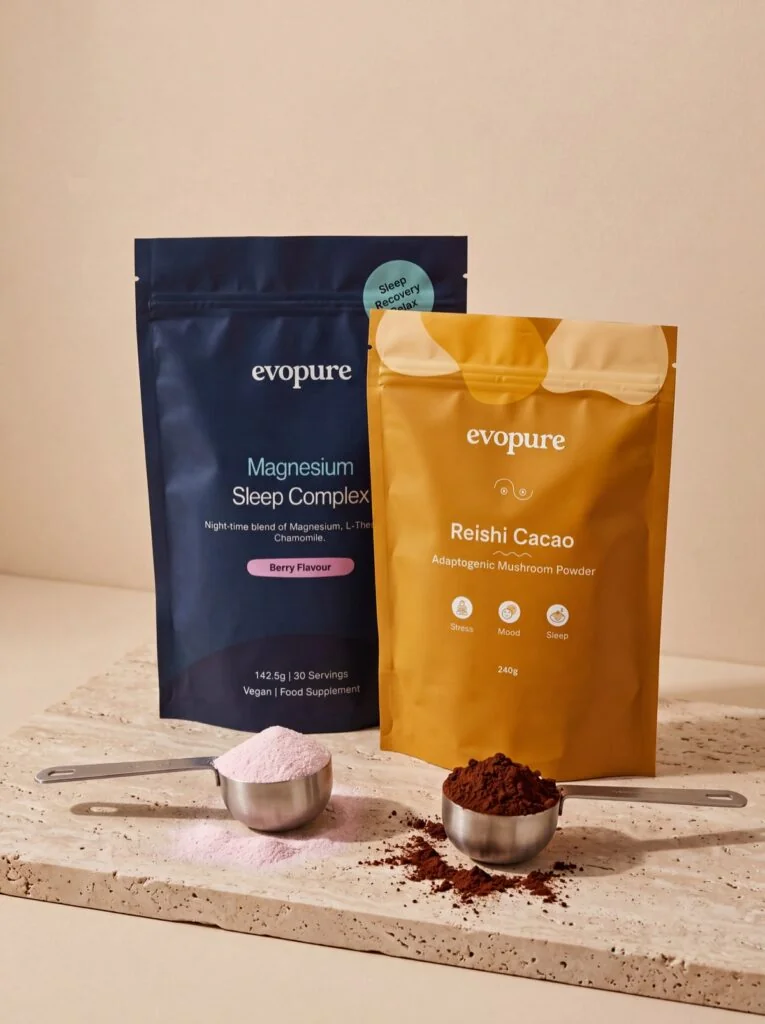
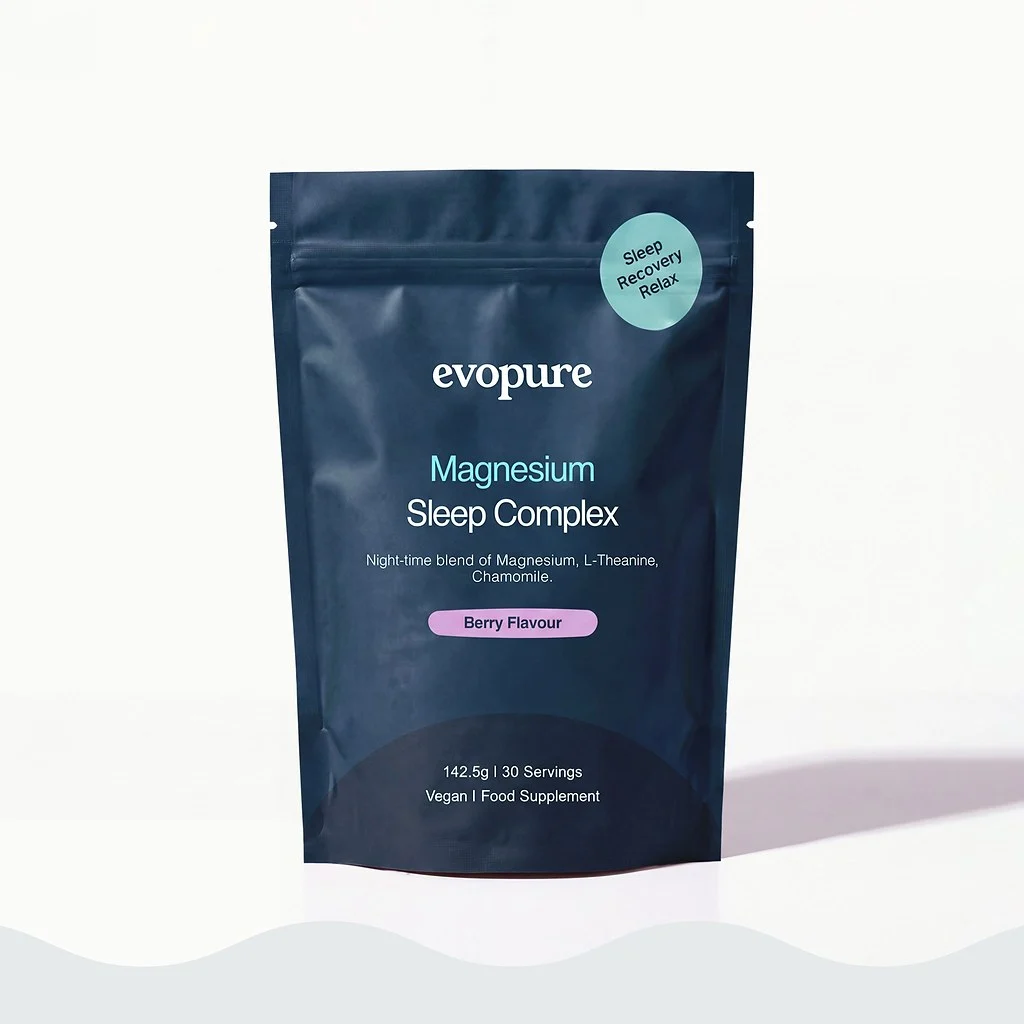
Magnesium Glycinate Sleep Complex
Magnesium Glycinate Sleep Complex is a berry drink powder with 290mg of magnesium a scoop from bisglycinate and citrate, plus glycine and L-theanine. Magnesium contributes to a reduction of tiredness and fatigue.
Add Magnesium Glycinate Sleep Complex to bag See ingredients and reviews
Vegan and made in the UK. Subscribe and save 25% on your first order, then 20%. New to Evopure? Join our emails for 20% off a one-off first order. Free UK delivery over £40. 14-day returns on unopened items.
Subscribe £22.49One-off £29.99
View productTypes of insomnia
Doctors describe insomnia in two ways: by when in the night the problem happens, and by how long it has gone on. You can have more than one pattern.
By the time of night
| Type | What it looks like | Our guide |
|---|---|---|
| Sleep-onset (initial) insomnia | Lying awake for a long time before you drop off | How to fall asleep fast |
| Middle (sleep-maintenance) insomnia | Waking during the night and struggling to get back to sleep | Middle insomnia |
| Late (terminal) insomnia, or early-morning waking | Waking well before your alarm and not getting back to sleep | Why do I wake up at 3am? |
| Mixed insomnia | A combination of the above | How to stay asleep all night |
By how long it lasts
| Type | How long | Typical pattern |
|---|---|---|
| Short-term (acute) insomnia | Less than 3 months, often a few days or weeks | Often follows a stressful event or a change such as illness, money worries, a new baby or a new place to sleep |
| Chronic (long-term) insomnia | At least 3 nights a week for 3 months or longer | Often sits alongside other conditions such as anxiety, depression or long-term pain. Unhelpful habits and worry about sleep are thought to keep it going |
You may also hear “comorbid insomnia”. Under the World Health Organization’s ICD-11, insomnia can be diagnosed alongside another physical or mental health condition when it needs treatment in its own right, rather than being treated as just a symptom.
What is paradoxical insomnia?
Paradoxical insomnia, also called sleep state misperception, is when you feel you have barely slept but an overnight sleep study shows far more sleep than you think. A 2018 review in Sleep Medicine Reviews describes sleep lab recordings showing significantly longer sleep than people report. The tiredness and worry are real; it isn’t imagined insomnia.
iIt can only be confirmed with a sleep study, so if you feel you hardly sleep at all, see your GP. CBT for insomnia (CBT-I) is the first-line treatment for long-term insomnia.
What causes insomnia?
| Common causes (NHS) | Other conditions linked to insomnia |
|---|---|
| Stress, anxiety or depression. See anxiety at night | Menopause. See perimenopause and sleep |
| Noise, a room that’s too hot or cold, an uncomfortable bed | Restless legs syndrome. See restless legs at night |
| Alcohol, caffeine or nicotine | An overactive thyroid |
| Jet lag and shift work. See shift work and sleep | Long-term pain |
| Some medicines | Sleep apnoea, narcolepsy, nightmares |
What causes insomnia in women?
Insomnia in women is often driven by hormones on top of the usual causes. Sleep can worsen before a period, in pregnancy and especially in perimenopause and menopause, when night sweats and hot flushes wake you. Anxiety, low mood, restless legs and thyroid problems are also more common in women, who are about 1.4 times as likely to have insomnia as men.
If your sleep worsens in the days before a period, see insomnia before a period. For perimenopause, NICE’s 2024 menopause guideline says CBT should be considered for sleep problems linked to the menopause, and HRT may help when night sweats are the trigger: talk to your GP, and see perimenopause and sleep. If you’re pregnant and sleeping badly, talk to your midwife or GP before trying any sleep aid or supplement.
Can ADHD cause insomnia?
Yes, often. A 2025 UK expert consensus on adult ADHD cites research finding insomnia in about 31% of people with ADHD, and a delayed body clock (falling asleep very late) in 36%. ADHD medicines can add to it: the NHS lists trouble sleeping as a common side effect of methylphenidate.
Don’t change your medicine timing yourself: speak to your GP or ADHD team. The NHS suggests taking the last dose of methylphenidate more than 6 hours before bed, and for children with ADHD a specialist may prescribe melatonin when other steps haven’t helped. More in ADHD and sleep.
Not sure which of these applies to you? Our why can’t I sleep guide matches your symptom to the likely cause.
Is insomnia genetic?
Partly. Insomnia tends to run in families, and studies of twins help separate the effect of genes from a shared home life. Two separate 2021 meta-analyses of twin studies reached almost the same answer: genes explain around 40% of the differences in insomnia between people (39% in one, 40% in the other). The rest comes from environment and life experience. One of the analyses found the genetic effect was stronger in women than in men.
The largest gene study so far, of more than 1.3 million people, linked 202 regions of DNA to insomnia complaints, involving 956 genes. Together they explained only 2.6% of the variation between people, so there is no single “insomnia gene”. The same study found a strong genetic overlap with psychiatric traits, which fits with the close link between sleep and mood below.
What this means for you: a family history may make you more prone to poor sleep when life gets stressful, but it doesn’t decide whether you can sleep better. NICE notes that unhelpful habits and thoughts about sleep are thought to be involved in chronic insomnia, and those are exactly what CBT-I works on.
Is insomnia a mental illness?
It depends on the rulebook, and the label matters far less than getting help. Insomnia disorder is a recognised diagnosis in all the main medical classification systems, including DSM-5, the American Psychiatric Association’s diagnostic manual. Some researchers count it as a mental disorder: the authors of one of the largest genetic studies described it as the second most common one.
The World Health Organization’s ICD-11 created a separate chapter for sleep-wake disorders, outside the mental health chapter where ICD-10 placed “non-organic” insomnia, partly because doctors often can’t tell whether insomnia has a mental or physical cause.
What is clear is that insomnia and mental health affect each other in both directions. NICE’s guidance for GPs says chronic insomnia commonly coexists with anxiety and depression, with each making the other worse. Looking forward in time:
- A meta-analysis of 21 long-term studies found that people with insomnia but no depression had about twice the risk of later developing depression.
- A 2019 meta-analysis found insomnia roughly tripled the odds of later developing depression or an anxiety disorder.
That doesn’t mean everyone with insomnia will develop a mental health problem, and having insomnia doesn’t mean you have a mental illness. It does mean poor sleep is worth taking seriously early. If you’ve felt low or anxious most days, speak to your GP. Our guides to low mood vs depression and sleep anxiety explain the signs.
How to beat insomnia: a step-by-step plan
To beat insomnia, the NHS advises a fixed wake time, an hour of winding down and no caffeine or alcohol in the 6 hours before bed. If insomnia lasts 3 months or more, NICE says CBT for insomnia (CBT-I) should be offered first, including the Sleepio app. Sleeping pills are for a few days or weeks only.
This plan uses the same building blocks as CBT-I and NHS advice. Stick with it for several weeks, and use the sleep diary from step 1 to see whether it’s working.
| Step | What to do | Why |
|---|---|---|
| 1. Keep a sleep diary | For 1 to 2 weeks, note when you go to bed, roughly when you fall asleep, wake-ups, your get-up time, naps, caffeine and alcohol | Shows your real pattern. Useful for your GP too |
| 2. Fix your wake time | Get up at the same time every day, weekends included, even after a bad night | A regular wake time is a core part of CBT-I and NHS advice. See circadian rhythm |
| 3. Bed is for sleep (stimulus control) | Only go to bed when you feel sleepy. If you’ve been lying awake for a while and feel frustrated, get up, do something calm in dim light, and go back when sleepy | Retrains your bed as a place for sleep |
| 4. Sleep restriction, with care | Cut your time in bed to match the sleep you actually get, then extend it gradually as sleep improves. Best done with a GP, nurse or CBT-I programme guiding you | Lowered insomnia severity in a large UK trial (see below). Expect extra daytime sleepiness for the first few weeks, so don’t drive or use machinery if you feel drowsy |
| 5. Wind down for an hour | Dim lights, put screens away and do something relaxing. Our 60-minute bedtime routine walks you through it | The NHS advises relaxing for at least an hour before bed |
| 6. Use light | Get outside in daylight in the morning; keep the bedroom dark and quiet at night | European sleep experts say light therapy and exercise may be useful alongside CBT-I |
| 7. Time caffeine and alcohol | No tea, coffee, alcohol or smoking in the 6 hours before bed | This is the NHS advice. See how long caffeine lasts and alcohol and sleep |
| 8. Book in worry time | Spend 10 to 15 minutes in the evening, well before bed, writing down worries and a next step for each | Helps stop thoughts racing when you’re trying to sleep |
Clocks changing? Our guide to protecting your sleep when the clocks go back shows how to keep your wake time steady.
How to fall asleep with insomnia
To fall asleep with insomnia, stop trying hard to sleep. Go to bed only when you feel sleepy, keep the room dark and cool, and turn the clock away. If you are still awake after about 20 minutes, get up, do something calm in dim light and go back when sleepy. Keep the same wake time the next morning.
Slow breathing with a longer out-breath, such as 4-7-8 breathing, can help you settle while you wait. For more techniques, see how to fall asleep fast.
How to treat insomnia yourself: the NHS don’ts
The NHS also advises against eating a big meal late at night, exercising within 4 hours of bed, using screens right before bed, napping during the day, and sleeping in after a bad night. Make sure your bed is comfortable, and exercise regularly earlier in the day. For more, see sleep hygiene.
Is there a cure for insomnia?
There is no cure pill for insomnia. Short-term insomnia often settles once the trigger, such as stress or illness, passes. For chronic insomnia, CBT-I has the strongest evidence: NICE recommends it first because its benefits last after the course ends, while the NHS says sleeping pills are only prescribed for a few days or weeks.
iHome remedies such as warm milk, herbal tea, magnesium or CBD are not cures either. At best they are part of a calmer evening routine. If you want to start CBT-I today, see Sleepio on the NHS, or ask your GP about a referral.
CBT for insomnia: the most effective treatment
What are the treatments for insomnia?
The main treatments for insomnia are better sleep habits and CBT for insomnia (CBT-I), which NICE says should be offered first for chronic insomnia, including through the Sleepio app. Sleeping pills are only for a few days or weeks. Pharmacy sleep aids, some with a sedating antihistamine such as promethazine, don’t cure insomnia: ask a pharmacist first.
Chronic insomnia treatment
Chronic insomnia treatment in the UK starts with CBT for insomnia (CBT-I), which NICE says should be offered first to adults of any age, in person or digitally. Sleeping pills should not be used for long-term insomnia. Daridorexant may be considered only if CBT-I hasn’t worked or isn’t available. Your GP will also treat linked problems such as pain or low mood.
What is CBT for insomnia (CBT-I)?
CBT for insomnia (CBT-I) is a short, structured programme that changes the habits and thoughts that keep you awake. It includes a fixed wake time, only going to bed when sleepy, getting up if you can’t sleep, sleep restriction, and tackling worry about sleep.
A 2015 meta-analysis in the Annals of Internal Medicine concluded that CBT-I is an effective treatment for chronic insomnia, with clinically meaningful results. In a trial in women with menopause-related insomnia, 70% no longer had insomnia after 8 weeks.
NICE’s guidance for GPs says CBT-I should be offered as the first-line treatment for chronic insomnia in adults of any age. Unlike sleeping pills, its benefits last after the course ends. European sleep experts agree, and recommend it either in person or digitally.
Sleep restriction has strong UK evidence. In the HABIT trial across 35 GP practices in England, adults given four short sessions of nurse-led sleep restriction plus a sleep hygiene booklet had lower insomnia scores at 6 months than those given only the booklet. A smaller study showed why it needs care: in the first weeks people slept less and were sleepier and slower by day, settling by 3 months.
How to get CBT-I on the NHS
- Ask your GP. They can refer you for CBT-I, which may be face to face or an online self-help programme. Our CBT for insomnia guide covers what a course involves week by week and other ways to get it, including NHS Talking Therapies.
- Sleepio. NICE recommends Sleepio, a digital CBT-I programme, for insomnia in primary care for people who would otherwise be offered sleep hygiene advice or sleeping pills. In England, whether it’s offered depends on your local NHS, so ask your GP. In Scotland, Sleepio is free to anyone living there through NHS Scotland.
- Check first if needed. NICE says people at higher risk of other sleep disorders, such as during pregnancy or with other health conditions, should have a medical assessment before starting Sleepio.
Measuring it: the Insomnia Severity Index
The Insomnia Severity Index (ISI) is a short questionnaire that doctors, sleep services and researchers use to measure how severe insomnia is and whether treatment is helping. It was developed and validated by a sleep research team at Laval University in Quebec, Canada, and the UK HABIT trial used it as its main measure.
It has 7 questions, usually about the last month. They cover:
- how hard it is to fall asleep, stay asleep, and how much you wake too early (3 questions)
- how satisfied you are with your sleep
- how much poor sleep interferes with your daily life
- how noticeable it is to other people
- how worried or distressed you are about your sleep
Each answer scores 0 to 4, giving a total from 0 to 28. The developers’ published scoring bands are:
| ISI score | What it suggests |
|---|---|
| 0 to 7 | No clinically significant insomnia |
| 8 to 14 | Subthreshold insomnia |
| 15 to 21 | Moderate insomnia |
| 22 to 28 | Severe insomnia |
In a large community study, a score of 10 or more was the best cut-off for spotting likely insomnia, and a drop of about 8 points matched a moderate improvement after treatment. The ISI is a guide, not a diagnosis. Your GP or a CBT-I service can give you the official version.
When to see a GP
The NHS advises seeing a GP if changing your sleep habits hasn’t helped, you’ve had trouble sleeping for months, or insomnia is affecting your daily life in a way that makes it hard to cope. Your GP will look for a cause, may ask you to keep a sleep diary, may offer CBT, and may refer you to a sleep clinic if you have signs of another sleep disorder such as sleep apnoea or if insomnia hasn’t improved with treatment.
iAlso see a GP if poor sleep comes with low mood or anxiety most days, if you’re pregnant (or speak to your midwife), or if you think a medicine is affecting your sleep. Our guide to sleep deprivation covers the effects and how to recover.
Get help now if poor sleep comes with thoughts of harming yourself or feeling you can’t cope: call NHS 111 and choose the mental health option, or call 999 if a life is at risk. Don’t stop a prescribed medicine on your own because of sleep problems; speak to your GP or pharmacist first.
Sleeping pills and other insomnia medicines
In the UK, medicines are a back-up to CBT-I, not the main treatment. The NHS says sleeping pills are rarely prescribed, and then only for a few days or weeks, because of side effects and the risk of dependence. NICE’s guidance for GPs says they should not be used for long-term insomnia. Here is what a GP may consider:
| Medicine | When it may be used (NICE) |
|---|---|
| Z-drugs (a type of sleeping tablet) | Short-term insomnia that is likely to settle soon but is causing severe daytime problems: a short course of 3 to 7 days. Avoided where possible in older people |
| Prolonged-release melatonin | Short-term use alongside other treatment in people aged 55 and over. Melatonin is prescription-only in the UK. See melatonin in the UK |
| Daridorexant | Adults with insomnia on 3 or more nights a week for at least 3 months that considerably affects daytime life, only if CBT-I has been tried and not worked, or isn’t available or suitable. Treatment should be as short as possible, reviewed within 3 months and stopped if it isn’t working |
Pharmacies also sell sleep aids, some containing herbs such as valerian and others containing an antihistamine. The NHS says they can’t cure insomnia, may only help for 1 to 2 weeks, and can leave you drowsy the next day, so check with a doctor first. For how melatonin compares with other options, see melatonin vs CBD. Already on a sleeping tablet? Read CBD and sleeping tablets before adding anything.
Do supplements help insomnia?
No supplement is a treatment for insomnia, and none replaces CBT-I. European sleep experts don’t recommend herbal remedies as an insomnia treatment. Some people still add a supplement to a calming evening routine, alongside better sleep habits:
- Magnesium: a 2025 placebo-controlled trial in healthy adults who slept poorly found a small improvement in sleep with magnesium bisglycinate. Magnesium contributes to normal psychological function and to the normal functioning of the nervous system. Our Magnesium Glycinate Sleep Complex combines magnesium bisglycinate and citrate (290mg of magnesium per serving) with glycine, L-theanine, chamomile, passionflower, hops and oat straw. There are no authorised health claims for L-theanine or the herbs. See magnesium for sleep.
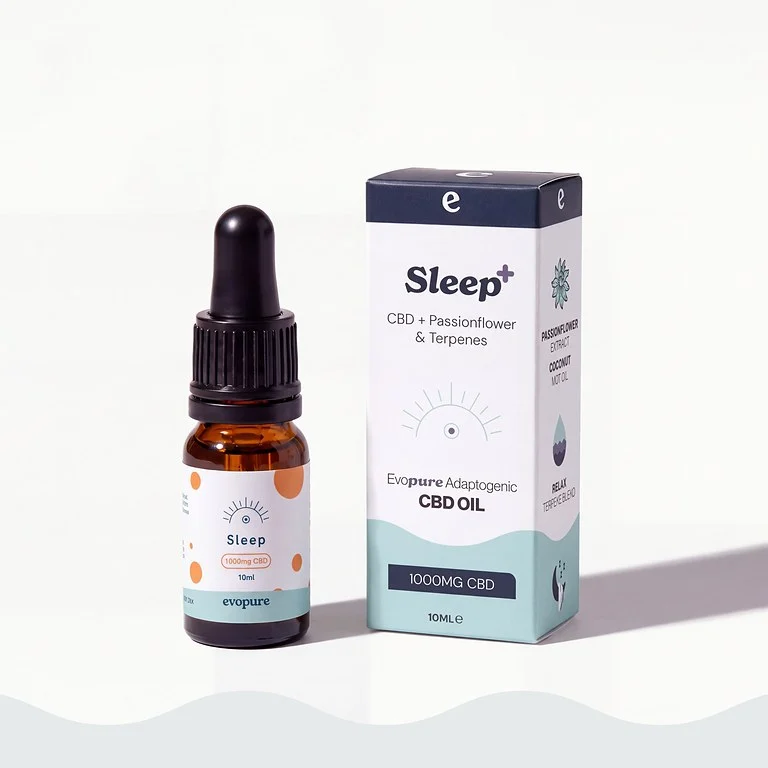
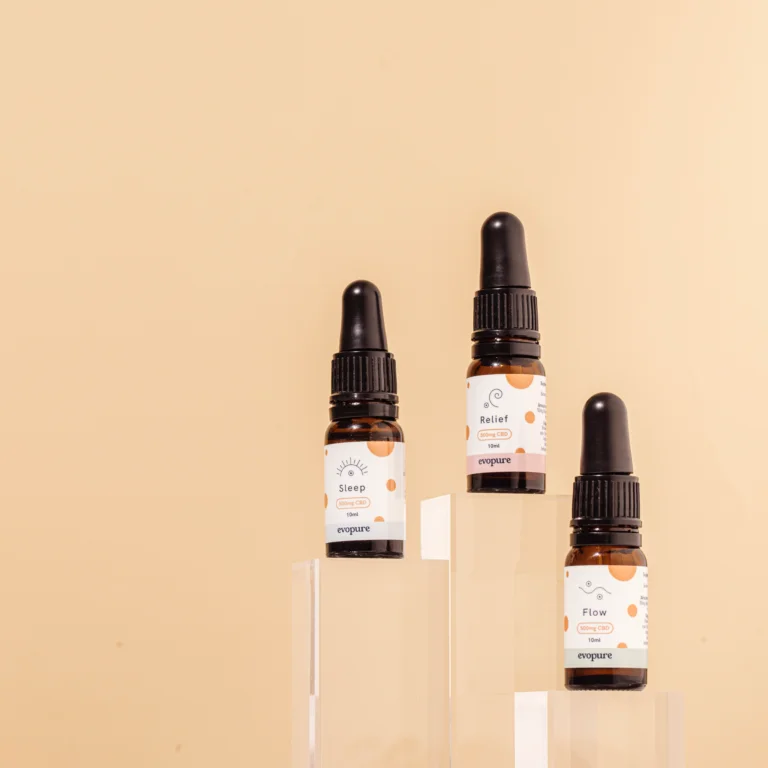
- CBD: CBD isn’t a treatment for insomnia, and research on CBD and sleep is small and mixed. Our Sleep CBD Oil is broad spectrum CBD with passion flower and a terpene blend, made for adults who want CBD as part of an evening routine. For the evidence, see what the research says about CBD and sleep, and for choosing a product, CBD oil for sleep.
- Herbal options such as chamomile, valerian and passionflower have limited evidence. See sleep supplements and natural sleep aids.
The FSA’s 10mg a day figure for CBD is precautionary advice rather than a legal limit, set while longer-term safety research continues. At Evopure we think it is a very cautious figure, and many adults use more. If you go above it, increase slowly, and check with your GP or pharmacist first if you take any medication.
iOur products are for adults (18+) only. We don’t recommend our products during pregnancy or breastfeeding. If you take any medication, including sleeping tablets or antidepressants, check with your GP or pharmacist before trying a supplement.
Related guides
- Woken by bad dreams? See nightmares.
- Valerian root for sleep: the evidence.
- Trackers often miss time spent lying awake, so read how accurate sleep trackers are before relying on one.
- Thinking about herbal supplements? See what small trials found in ashwagandha for sleep, and who should avoid it.
- If tinnitus is part of what keeps you awake, read why tinnitus is worse at night.
- ADHD and insomnia.
- Relaxation can sit alongside CBT-I. See sleep meditation: a simple 10-minute practice.
- Tired but wired: why you can’t switch off.
- Not sure what a realistic target is? See how much sleep you need by age, with a bedtime chart for your wake-up time.
- Night sweats, a common reason for broken sleep.
- For a caffeine-free drink to mark the end of the day, see our herbal teas for sleep ranked by evidence.
- If you’re not sure whether a short nap is ever OK, our guide to power naps explains when napping helps and when it makes insomnia worse.
- If your sleep changed after starting a weight-loss injection, see can’t sleep on Mounjaro for what the leaflet lists and what helps.
- Chamomile is the most studied sleepy tea, but it isn’t a treatment for insomnia; see chamomile tea: sleep and side effects.
- For help choosing a regular sleep window, read the best time to sleep.
- Buying for someone who struggles? Our guide to gifts for someone who can’t sleep has kind, practical ideas.
- Supplements are not sleeping pills: see how sleep capsules differ from sleeping pills and what the evidence shows.
- Some people also find a weighted blanket comforting at bedtime, though the evidence is limited and it isn’t a treatment for insomnia.
- Tart cherry juice is one of the most searched food remedies; see what the tart cherry studies show.
- NICE recommends one digital CBT-I course by name; see Sleepio: what it is and whether it’s free on the NHS.
- Many people try magnesium when restless legs keep them awake; our magnesium for restless legs guide explains what the small trials found.
- Some people blame the moon for their bad nights; our guide to full moon insomnia looks at what the research really found.
- Some people struggle to drop off because they keep jolting awake: see hypnic jerks and how to stop them.
- Waking too early is especially common in later life: see why older people wake up early.
- If noise, light or a partner wakes you easily but you usually drop back off, you may be a light sleeper rather than have insomnia.
- If you vape, nicotine late in the day is worth looking at: vaping, sleep and tiredness explains why.
- Many cheap handheld sleep aid devices claim to fix insomnia, but none has good independent trials; CBT-I has far stronger evidence.
- Fluoxetine and insomnia: best time to take it.
- Can sertraline cause insomnia?
- Montelukast side effects
- Over-the-counter sleeping tablets
- Zopiclone side effects and how long you can take it
Next step
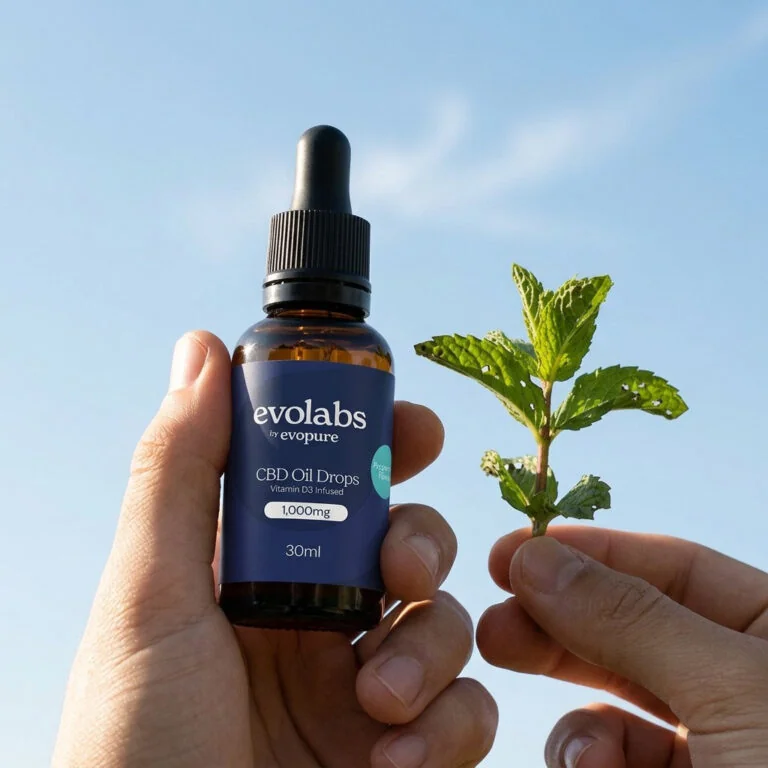
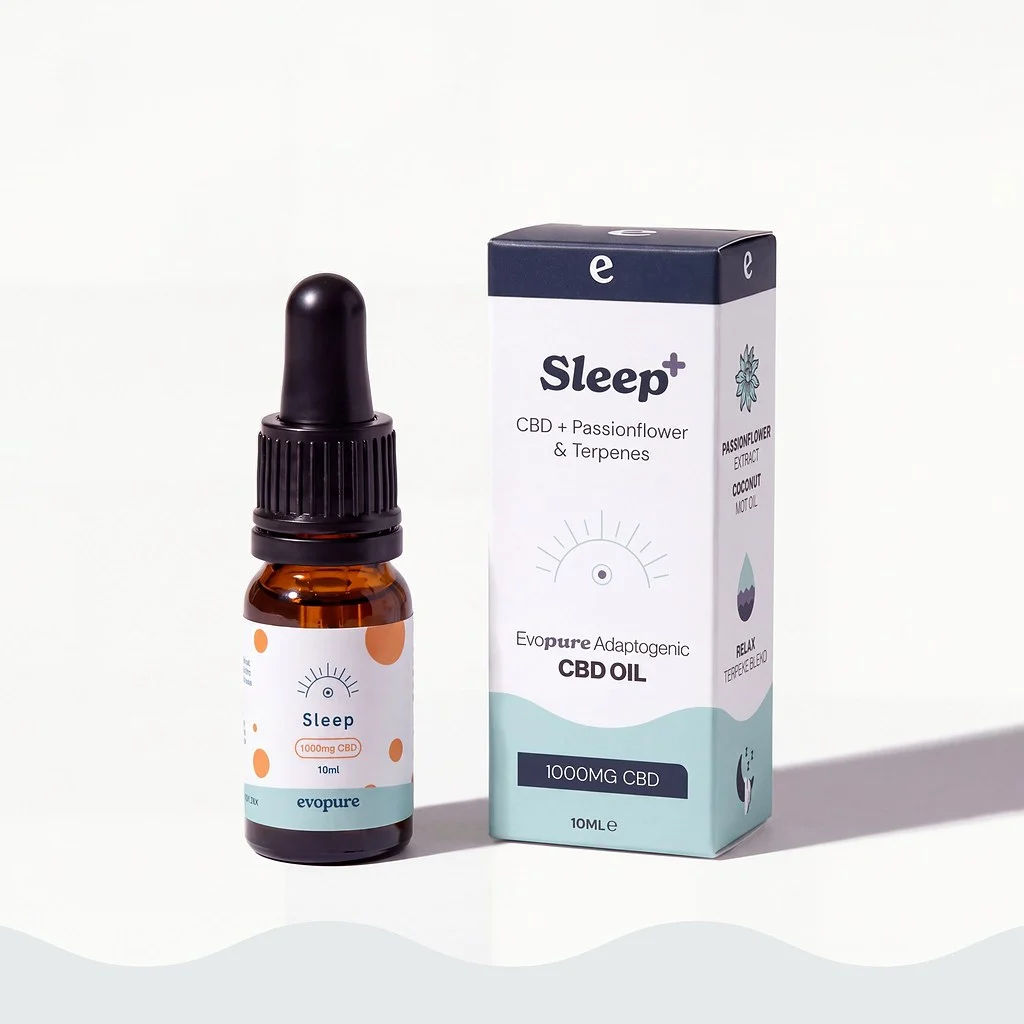
For adults who don’t take regular medicines and want a calmer wind-down alongside CBT-I, Sleep CBD Oil is broad spectrum CBD with passionflower. Start with 10mg of CBD, about 0.2ml of the 500mg (half a pipette has 70mg passionflower extract). It isn’t a treatment for insomnia.
Add Sleep CBD Oil 500mg to bag or choose another strength
Subscribe and save 25% on your first order, then 20%. New to Evopure? Join our emails for 20% off a one-off first order. Free UK delivery over £40. The FSA advises healthy adults to take no more than 10mg of CBD a day: about 0.2ml of the 500mg (0.1ml of the 1,000mg) gives 10mg. Adults only. If you take sleeping tablets or any regular medicines, check with your GP or pharmacist first. We don’t recommend our products during pregnancy or breastfeeding.
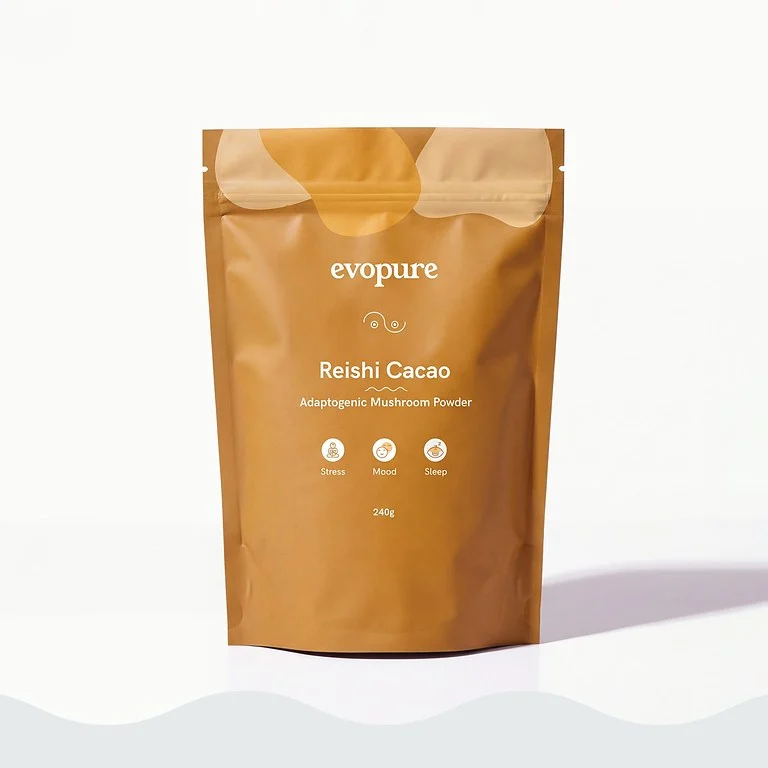
Prefer a warm drink? Reishi Cacao has 0.5g reishi, 0.5g maca and 0.3g cinnamon per 8g serving, with cocoa and coconut sugar. The cocoa contains a little natural caffeine, so have it early in the evening. Add Reishi Cacao to bag.
Sources 28
- NHS. Promethazine.
- NHS. Insomnia.
- NICE Clinical Knowledge Summaries (last revised June 2026). Insomnia and definition.
- NICE (2023). Daridorexant for treating long-term insomnia (TA922).
- NICE (2022). Sleepio to treat insomnia and insomnia symptoms (HTG624, formerly MTG70).
- NHS Grampian. Sleepio and Daylight: free digital therapies in Scotland.
- NHS Every Mind Matters. Tackling your worries.
- Trauer JM et al (2015). Cognitive behavioral therapy for chronic insomnia: a systematic review and meta-analysis. Annals of Internal Medicine.
- McCurry SM et al (2016). Telephone-based cognitive behavioral therapy for insomnia in perimenopausal and postmenopausal women with vasomotor symptoms. JAMA Internal Medicine.
- Kyle SD et al (2023). Clinical and cost-effectiveness of nurse-delivered sleep restriction therapy for insomnia in primary care (HABIT). The Lancet.
- Kyle SD et al (2014). Sleep restriction therapy for insomnia is associated with reduced objective total sleep time, increased daytime somnolence, and objectively impaired vigilance. Sleep.
- Riemann D et al (2023). The European Insomnia Guideline: an update on the diagnosis and treatment of insomnia 2023. Journal of Sleep Research.
- Riemann D et al (2022). Insomnia disorder: state of the science and challenges for the future. Journal of Sleep Research.
- Spiegelhalder K, Riemann D (2025). Sleep disorders: comparison of ICD-11 and ICD-10. Nervenarzt.
- Madrid-Valero JJ et al (2021). The heritability of insomnia: systematic review and meta-analysis of twin studies. Sleep Medicine Reviews.
- Barclay NL et al (2021). The heritability of insomnia: a meta-analysis of twin studies. Genes, Brain and Behavior.
- Jansen PR et al (2019). Genome-wide analysis of insomnia in 1,331,010 individuals identifies new risk loci and functional pathways. Nature Genetics.
- Baglioni C et al (2011). Insomnia as a predictor of depression: a meta-analytic evaluation of longitudinal epidemiological studies. Journal of Affective Disorders.
- Zhang B, Wing YK (2006). Sex differences in insomnia: a meta-analysis. Sleep.
- NICE (2024). Menopause: identification and management (NG23).
- Hertenstein E et al (2019). Insomnia as a predictor of mental disorders: a systematic review and meta-analysis. Sleep Medicine Reviews.
- NHS. Side effects of methylphenidate for adults.
- NHS. ADHD in children and young people.
- Asherson P et al (2025). The optimal system of care for the management of delayed sleep onset in adult ADHD in the UK: a modified Delphi consensus. Frontiers in Psychiatry.
- Rezaie L et al (2018). Paradoxical insomnia and subjective-objective sleep discrepancy: a review. Sleep Medicine Reviews.
- Bastien CH, Vallières A, Morin CM (2001). Validation of the Insomnia Severity Index as an outcome measure for insomnia research. Sleep Medicine.
- Morin CM et al (2011). The Insomnia Severity Index: psychometric indicators to detect insomnia cases and evaluate treatment response. Sleep.
- Schuster J et al (2025). Magnesium bisglycinate supplementation in healthy adults reporting poor sleep. Nature and Science of Sleep.
This guide is general information, not medical advice. Evopure makes the Magnesium Glycinate Sleep Complex and Sleep CBD Oil.