
Last updated: October 2026
HRT is the main treatment for menopause symptoms, but many women also use supplements. The best supported are vitamin D for bone health, magnesium for tiredness and sleep routines, and possibly black cohosh or soy isoflavones for hot flushes, though evidence for those is mixed and quality varies. No supplement replaces HRT or medical advice.
Below: menopause supplements ranked by evidence, supplements by symptom (sleep, hot flushes, mood, bones, weight), safety, and how to choose a product.
Menopause supplements ranked by evidence
| Supplement | Best for | Evidence |
|---|---|---|
| Vitamin D | Bones and muscles | Strong for safety; the NHS advises 10 micrograms a day in autumn and winter. Vitamin D contributes to the maintenance of normal bones and muscle function |
| Magnesium | Tiredness, sleep routine, bones | Magnesium contributes to the reduction of tiredness and fatigue and to the maintenance of normal bones. A trial found it didn’t reduce hot flushes |
| Black cohosh | Hot flushes | Moderate-certainty evidence in a 2026 review for the International Menopause Society; NICE notes safety and quality are uncertain |
| Soy isoflavones | Some symptoms | Mixed: a 2025 meta-analysis found help for some symptoms such as low mood and palpitations, but not hot flushes |
| Creatine | Muscle and strength | Small gains with strength training in postmenopausal women. See creatine for women |
| Calcium | Bones | Mainly if your diet is low in dairy or fortified foods |
| Omega-3 | Mood, hot flushes | Limited and mixed |
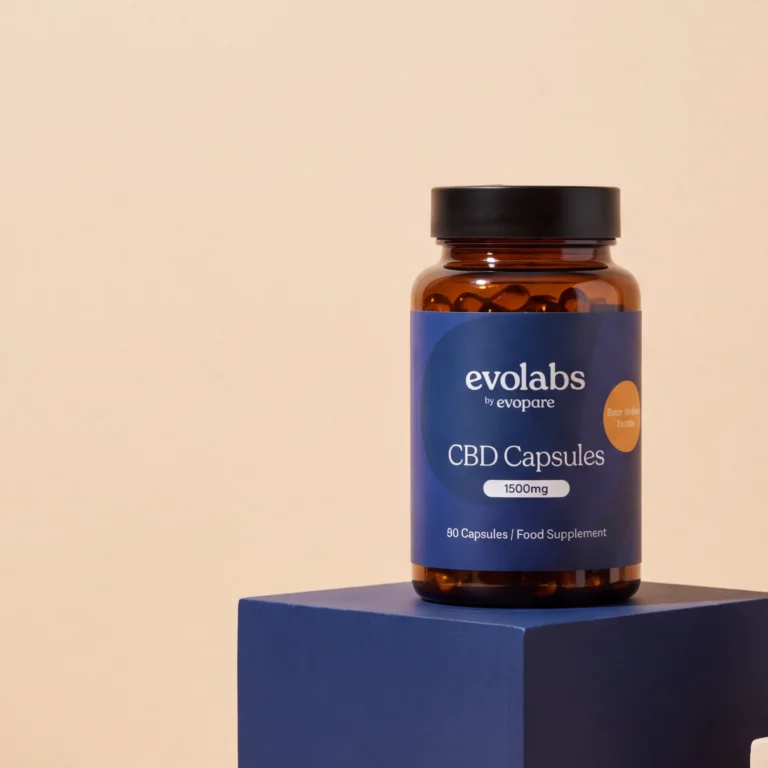
| CBD | Sleep, mood | Many women try it, but trials are lacking. See CBD for menopause |
Supplements by symptom
Sleep
CBT for insomnia has the best evidence, and HRT helps when night sweats wake you. Magnesium is a popular part of an evening routine. See perimenopause and sleep and magnesium for menopause.
Hot flushes and night sweats
HRT is the most effective. NICE notes some evidence for isoflavones or black cohosh, but products vary and safety is uncertain. A non-hormonal medicine, fezolinetant, is also now an option for some women. See night sweats.
Mood, anxiety and brain fog
Magnesium contributes to normal psychological function. Talk to your GP about mood changes, as HRT and CBT can help. See can menopause cause anxiety? and brain fog.
Bones and joints
Vitamin D, calcium, magnesium and strength training all play a part. See magnesium and bone health.
Weight and energy
No supplement causes meaningful weight loss. Strength training, protein and sleep help most. See best supplements for energy.
Supplements and HRT
Most vitamins and minerals are fine alongside HRT, but herbal products such as black cohosh, red clover and soy isoflavones can interact with hormones and medicines, and NICE warns that the safety, quality and purity of unregulated preparations may be unknown. Tell your GP or pharmacist about everything you take. Supplements aren’t a replacement for a proper menopause review.
Safety
- Avoid black cohosh if you have liver problems, and stop if you notice yellowing skin or dark urine.
- Check with your GP before taking isoflavones if you’ve had breast cancer or another hormone-sensitive condition.
- Keep magnesium supplements to 400mg a day or less, and vitamin D to 100 micrograms or less. See magnesium side effects.
- Count all your supplements, including multivitamins.
How to choose a menopause supplement
- Pick by symptom, not by a “menopause” label.
- Check doses against the research, not “proprietary blends”.
- Look for batch testing and a UK-based company.
- Be wary of claims to “balance hormones” or “cure” symptoms.
- Try one thing at a time for 8 to 12 weeks so you can tell what helps.
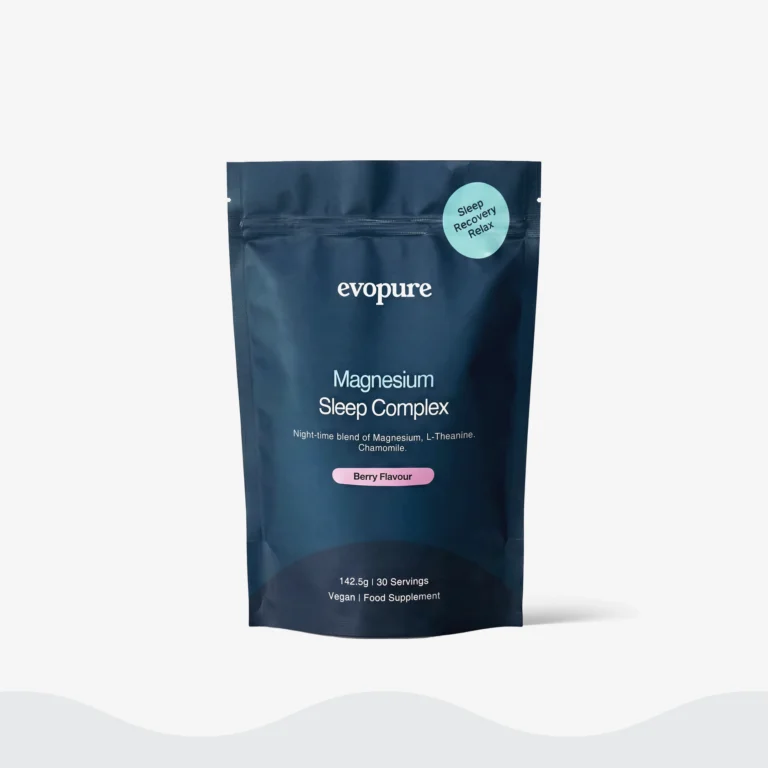
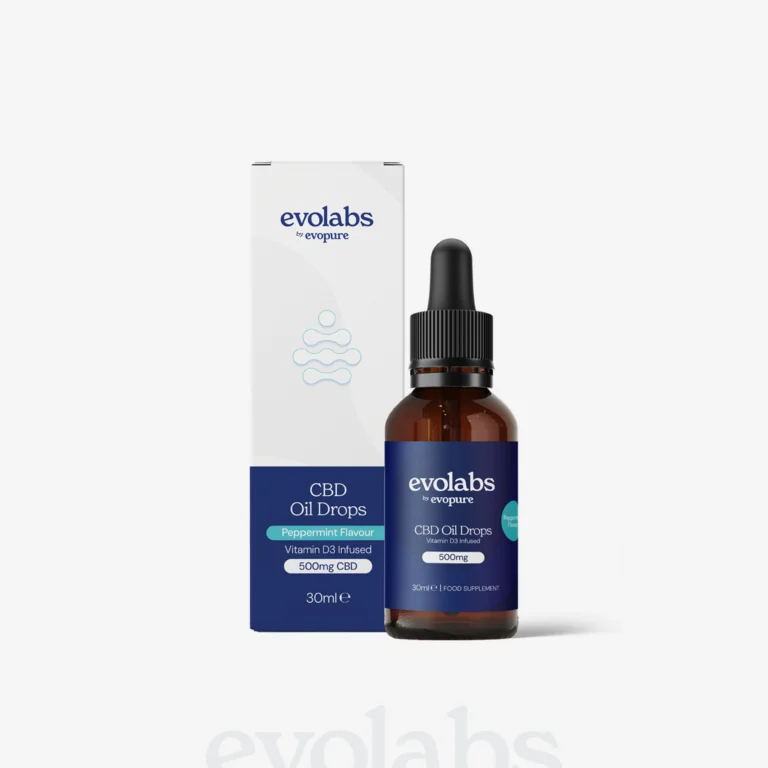
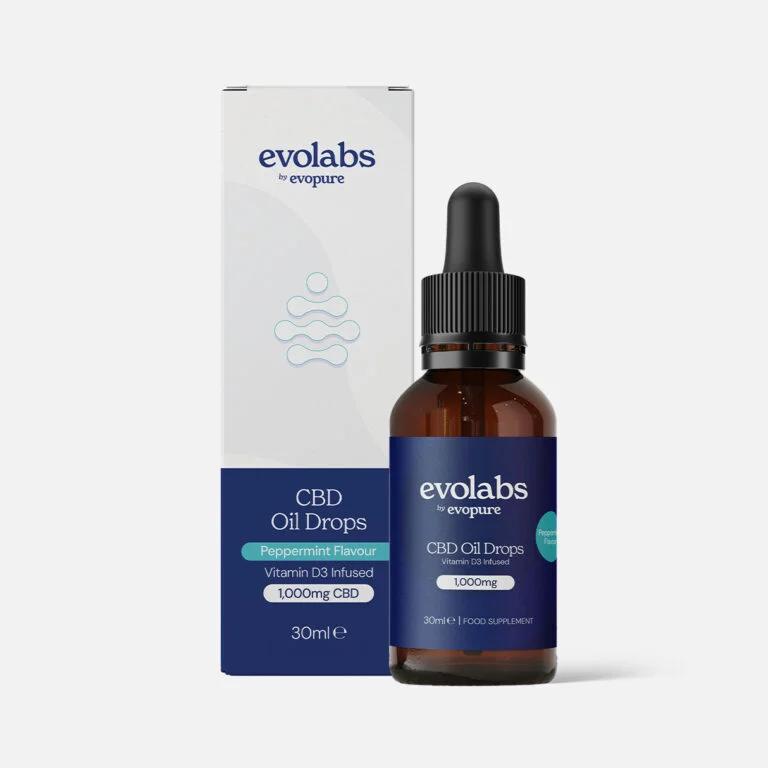
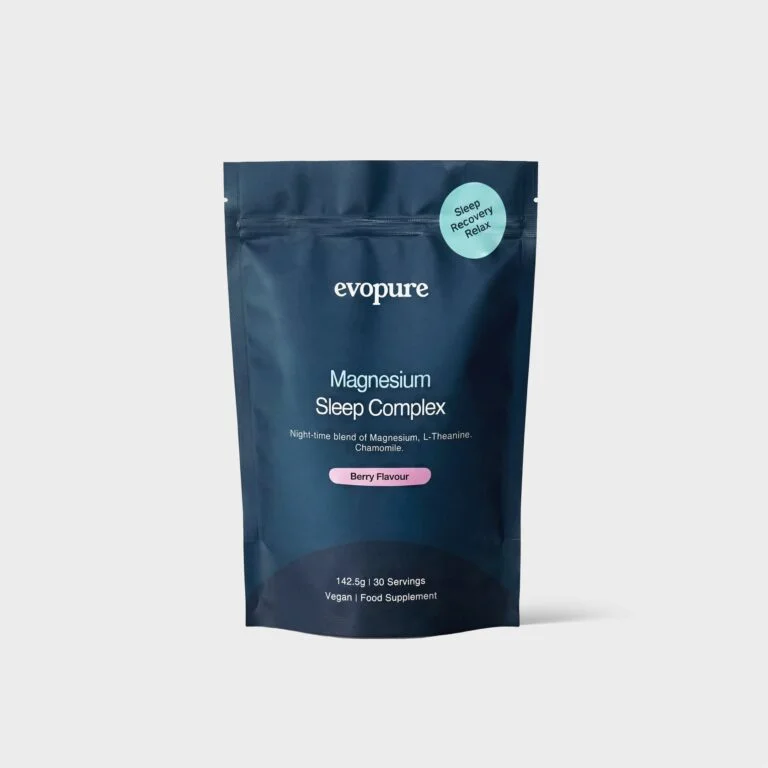
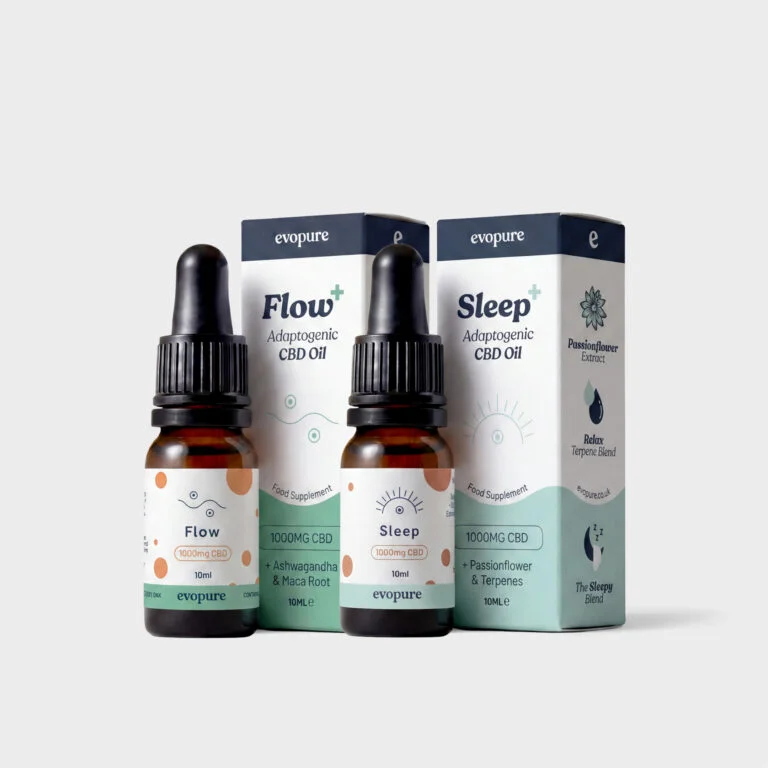
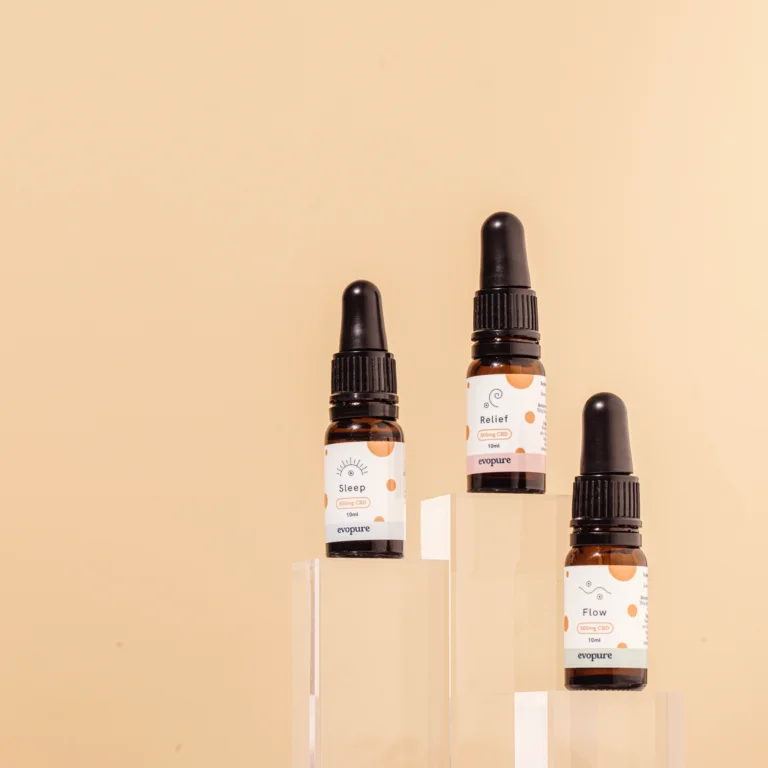
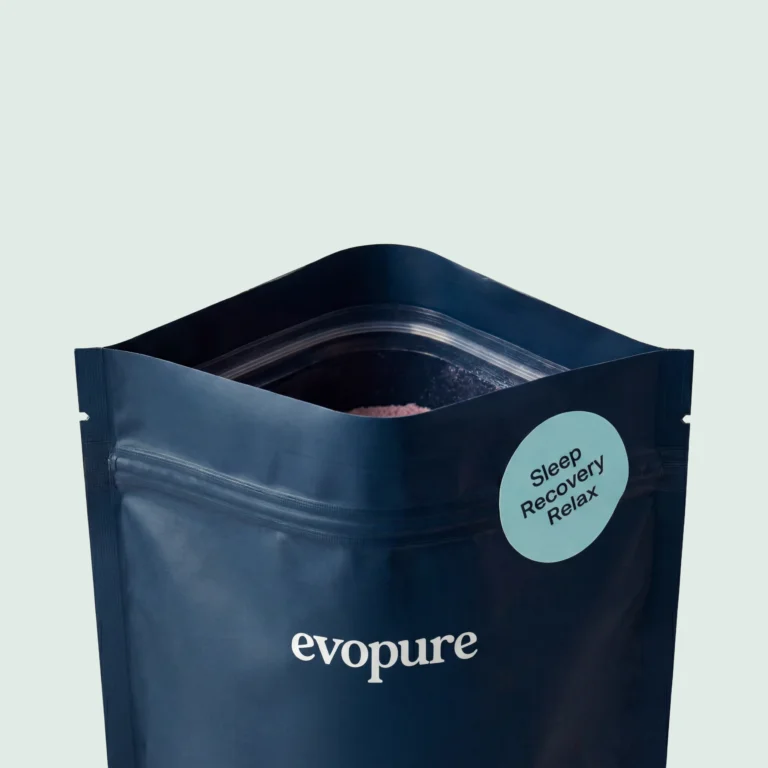
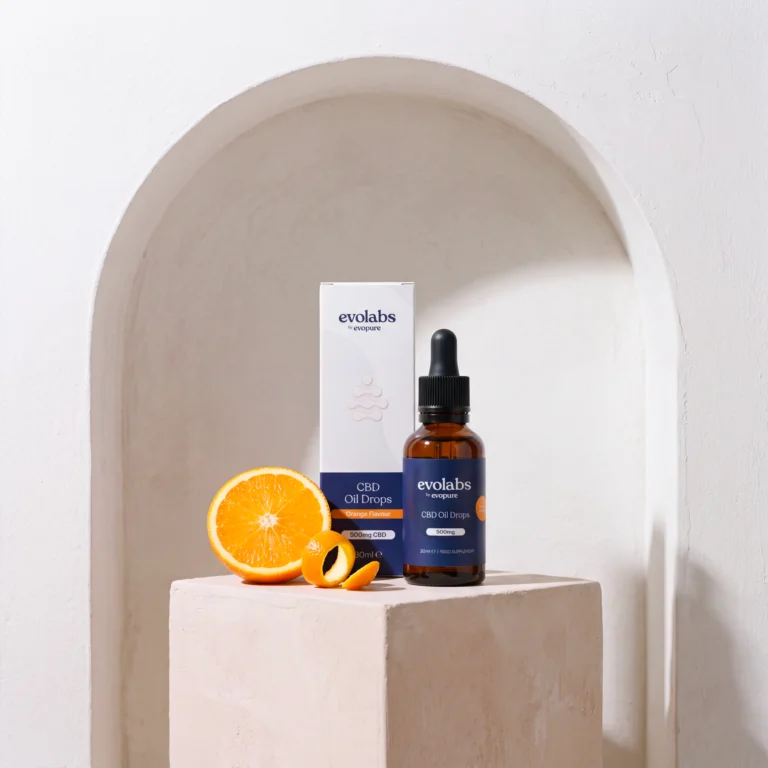
Our Magnesium Glycinate Sleep Complex is an evening magnesium drink with L-theanine and botanicals, and our Evolabs Mint CBD Oil includes vegan, algae-based vitamin D3. See magnesium and vitamin D.
FAQs
What is the best supplement for menopause?
It depends on the symptom. Vitamin D supports bones, magnesium helps with tiredness, and black cohosh has some evidence for hot flushes. HRT is the most effective treatment.
What supplements help with menopause sleep?
Magnesium is popular as part of a wind-down routine, but CBT for insomnia and HRT have the best evidence.
Do menopause supplements work for hot flushes?
Black cohosh and isoflavones have mixed evidence; magnesium doesn’t help. HRT is the most effective, and fezolinetant is a non-hormonal option.
Can I take supplements with HRT?
Most vitamins and minerals are fine, but check herbal products like black cohosh or red clover with your GP or pharmacist.
Should I take vitamin D in menopause?
The NHS advises everyone to consider 10 micrograms a day from October to March, and vitamin D contributes to the maintenance of normal bones.
Sources
- NICE. Menopause: identification and management (NG23).
- NHS. Menopause treatment.
- Maunder A et al (2026). Complementary therapies for management of menopausal symptoms: a systematic review to inform the update of the International Menopause Society recommendations. Climacteric.
- Luan H et al (2025). Effects of soy isoflavones on menopausal symptoms in perimenopausal women: a systematic review and meta-analysis. PeerJ.
- Park H et al (2015). A double-blind placebo-controlled study of magnesium supplements to reduce menopausal hot flashes. Menopause.
This guide is general information, not medical advice. Evopure makes the Magnesium Glycinate Sleep Complex and Evolabs Mint CBD Oil with vitamin D3. We don’t recommend our products during pregnancy or breastfeeding.