Last updated: October 2026
There’s no good evidence that CBD on its own helps fibromyalgia. In the best-designed trial, inhaled CBD without THC worked no better than placebo for pain, while varieties containing THC had small effects. NICE doesn’t recommend CBD for chronic pain outside research. Many people still use it as part of a calming routine for sleep and stress.
This guide covers what the trials found, why people with fibromyalgia try CBD, how to do so safely, what NICE recommends, and how CBD fits alongside proven approaches.
What the research shows
| Study | What was tested | Result |
|---|---|---|
| Netherlands, 2019 | 20 people with fibromyalgia; single inhaled doses of CBD-only, THC-only, THC plus CBD, or placebo cannabis | CBD-only was no better than placebo. The THC varieties had small effects: more people had a 30% drop in pain with THC plus CBD. |
| Cochrane review, 2016 | 2 trials, 72 people, of nabilone (a synthetic THC-like drug) | Very low-quality evidence; no firm conclusions; more drop-outs from side effects |
| Surveys | People with fibromyalgia who use CBD or cannabis | Many report less pain and better sleep, but surveys can’t show cause and effect |
So the honest answer: there are no good trials of CBD oil taken by mouth for fibromyalgia, and the one controlled study of CBD alone found no pain benefit.
Why people with fibromyalgia try CBD
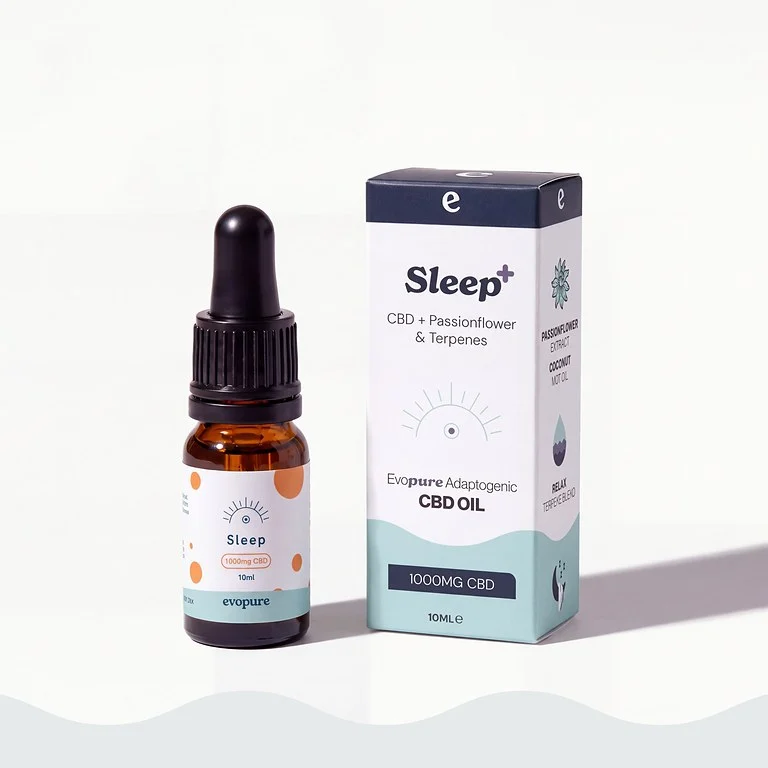
- Sleep: poor sleep is one of the hardest parts of fibromyalgia. Many people use CBD as part of an evening wind-down. See CBD for sleep.
- Stress: flare-ups often follow stressful periods.
- Few side effects: compared with some medicines, CBD at supplement doses is generally well tolerated.
- Frustration with treatments: NICE guidance offers limited medicines for chronic primary pain.
If you want to try CBD
- Talk to your GP or pharmacist first, especially if you take amitriptyline, duloxetine or other medicines, as CBD can interact with some. See can CBD interact with medication?
- Start low: around 10mg a day. The FSA’s 10mg a day figure is precautionary advice rather than a legal limit, set while longer-term safety research continues. At Evopure we think it is a very cautious figure, and many adults use more. If you go above it, increase slowly, and check with your GP or pharmacist first if you take any medication.
- Track for four to six weeks: pain, sleep, energy and mood, so you can judge honestly.
- Choose THC-free, lab-tested CBD from a brand on the FSA public list. See how to choose a CBD oil.
- Keep going with your treatment plan, including activity and any therapy.
See also how much CBD to take and CBD side effects.
Oil, capsules or balm?
| Format | How people use it |
|---|---|
| Oil | Under the tongue, often in the evening; easy to adjust the amount |
| Capsules | A fixed amount, no taste |
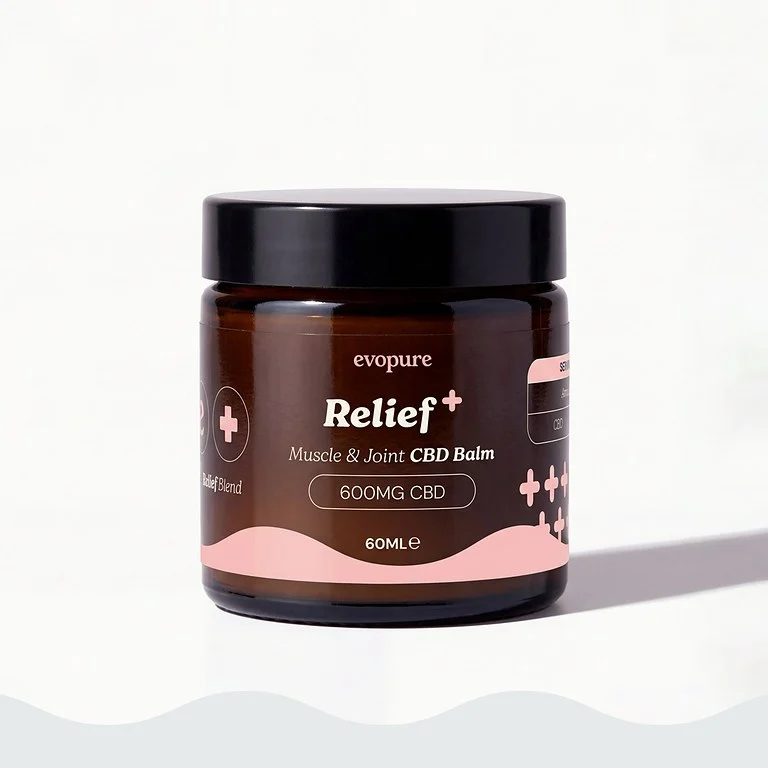
| Balm | Massaged into tender areas; the massage itself can feel soothing |
See CBD oil vs capsules and CBD balm.
What NICE recommends
Fibromyalgia is treated as chronic primary pain. NICE guidance recommends:
- Exercise programmes, tailored to what you can manage and built up gradually
- Psychological therapies, such as CBT or acceptance and commitment therapy
- Acupuncture, as part of a course of treatment
- Some antidepressants, which can help with pain, sleep and mood
NICE advises against offering CBD for chronic pain except in research, and against several common painkillers for chronic primary pain. Magnesium is another supplement people with fibromyalgia ask about. See magnesium for muscle pain.
Medical cannabis for fibromyalgia
Cannabis-based medicines with THC aren’t available on the NHS for fibromyalgia. Some private specialist clinics prescribe them after standard treatments haven’t worked. Buying THC products without a prescription is illegal. See medical cannabis in the UK.
Related guides
- For help choosing a product, see the best CBD oil for pain in the UK.
- Does CBD help sciatica? for the trials on CBD and nerve pain.
- Fibromyalgia is one of several causes of aching all over; see joint pain all over the body: common causes.
- For the full picture on symptoms, diagnosis and NHS treatment, see our guide to fibromyalgia.
- For another long-term condition where the CBD trials are still to come, see our guide to CBD and endometriosis.
Sources 5
- van de Donk T et al. An experimental randomized study on the analgesic effects of pharmaceutical-grade cannabis in chronic pain patients with fibromyalgia. Pain, 2019.
- Walitt B et al. Cannabinoids for fibromyalgia. Cochrane Database Syst Rev, 2016.
- NICE. Chronic pain (primary and secondary) in over 16s (NG193).
- NICE. Cannabis-based medicinal products (NG144).
- NHS. Fibromyalgia.