








Last updated: October 2026
Nervous system regulation means helping your body shift out of “fight or flight” and back into “rest and digest” after stress. The best-supported ways are slow breathing with long out-breaths, movement, sleep, time outdoors and connection with people. In a Stanford trial, 5 minutes a day of exhale-focused breathing improved mood more than mindfulness meditation.
Below: what a dysregulated nervous system feels like, 8 techniques ranked by evidence, a simple daily routine, the claims to be wary of, and when to get help.
What does nervous system regulation mean?
Your autonomic nervous system runs automatically and has two main settings:
| Sympathetic (“fight or flight”) | Parasympathetic (“rest and digest”) | |
|---|---|---|
| Job | Gets you ready for action | Calms you down, helps digestion and recovery |
| Heart and breathing | Faster | Slower |
| Muscles | Tense | Relaxed |
| Mind | Alert, on edge | Calmer, more able to switch off |
Both are healthy and necessary. “Regulation” simply means being able to switch between them: rising to a challenge, then settling again afterwards. Long-term stress, poor sleep and constant notifications can leave you stuck on high alert. The phrase is popular on social media, but the idea behind it is simple stress management.
Signs your nervous system is on high alert
- feeling wired but tired, or unable to switch off in the evening
- trouble falling asleep, or waking at 3am with a racing mind
- tight shoulders, jaw clenching or shallow breathing
- being easily startled, irritable or overwhelmed
- digestive upsets when stressed
- feeling flat or numb after a long stressful period
These are common and usually reflect stress rather than anything being “broken”. But they overlap with anxiety, thyroid problems and other conditions, so see your GP if they’re persistent. See why you wake at 3am, anxiety at night and burnout symptoms.
8 nervous system regulation techniques, ranked by evidence
| Technique | How | Evidence |
|---|---|---|
| 1. Slow breathing with long out-breaths | 5 minutes a day, breathing out for longer than you breathe in | Good: a 2023 randomised trial found it lifted mood and lowered breathing rate |
| 2. Regular exercise | Walking, swimming, cycling: most days | Strong for stress, mood and sleep |
| 3. Enough sleep | A fixed wake time and a wind-down routine | Strong: poor sleep makes you more reactive to stress |
| 4. Talking and connection | Time with people you feel safe with | Strong; one of the NHS’s 5 steps to wellbeing |
| 5. Progressive muscle relaxation | Tense and release each muscle group | Good for sleep quality and stress |
| 6. Time outdoors and daylight | A morning walk, green space | Moderate |
| 7. Mindfulness | Noticing the present moment, guided or on your own | Good for stress, though the 2023 trial found breathing worked slightly better for mood |
| 8. Humming, singing or gargling | Often suggested for the vagus nerve | Little direct evidence, but harmless and slows breathing |
The physiological sigh, step by step
This was the most effective technique in the Stanford trial, where people practised it for 5 minutes a day for a month.
- Breathe in through your nose.
- When your lungs feel full, take a second, shorter sip of air through your nose.
- Breathe out slowly and fully through your mouth, for longer than the in-breath.
- Repeat for 1 to 5 minutes.
If you prefer something simpler, the NHS suggests breathing in through your nose and out through your mouth, counting from 1 to 5 on each breath. For bedtime, see 4-7-8 breathing and other ways to fall asleep fast.
A simple daily regulation routine
| When | What |
|---|---|
| Morning | Daylight within an hour of waking, ideally a short walk; caffeine after you’ve eaten |
| During the day | Two 5-minute breathing breaks; get up and move every hour |
| After work | A clear “switch-off” ritual: a walk, a shower, changing clothes |
| Evening | Screens down an hour before bed, dim lights, a warm drink, a few minutes of muscle relaxation |
| Weekly | Time with friends, time outdoors, something you enjoy for its own sake |
What to be wary of
- “Polyvagal” claims. Polyvagal theory is popular on social media, but parts of it are disputed by scientists. The practical advice that comes with it, such as breathing slowly and feeling safe with others, is sound; the more specific claims are not settled.
- Expensive gadgets and courses promising to “reset” your nervous system. The free basics above have the best evidence.
- Cold plunges for everyone. Cold water is a big shock to the body; check with your GP first if you have a heart condition or high blood pressure.
- Anything that tells you to stop prescribed medication. Always talk to your doctor first.
Does diet or magnesium help?
Regular meals and steady blood sugar help you feel less jittery, and too much caffeine can mimic stress. See does caffeine cause anxiety?
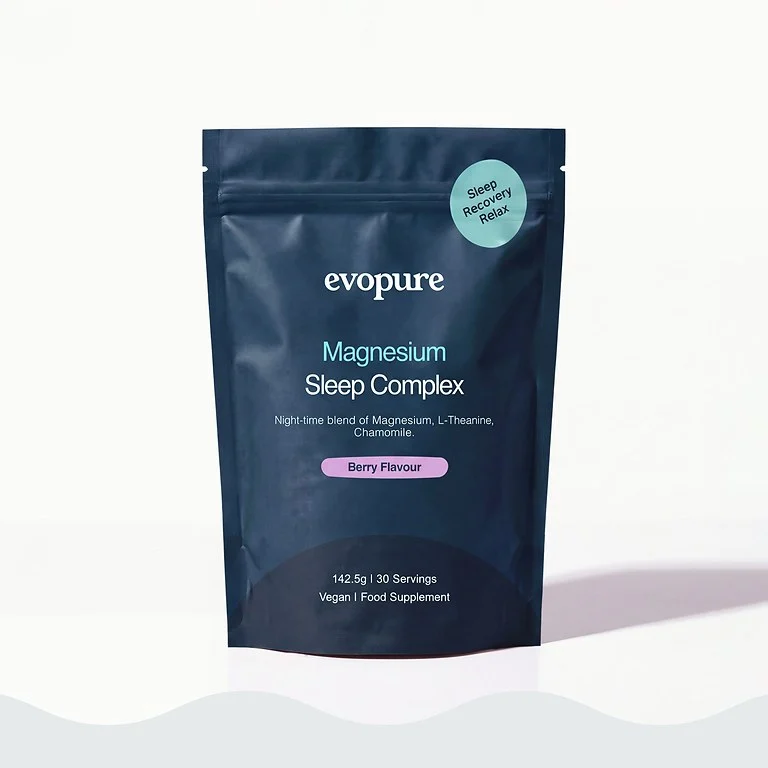
Magnesium contributes to the normal functioning of the nervous system and to normal psychological function. Many people find an evening magnesium drink a useful wind-down cue. See magnesium for anxiety and how to lower cortisol naturally.
The FSA’s 10mg a day figure for CBD is precautionary advice rather than a legal limit, set while longer-term safety research continues. At Evopure we think it is a very cautious figure, and many adults use more. If you go above it, increase slowly, and check with your GP or pharmacist first if you take any medication.
When to get help
Speak to your GP if stress, anxiety or poor sleep is affecting your daily life or lasts more than a few weeks. In England you can refer yourself to NHS Talking Therapies. If you’ve been through trauma, a trained therapist can help in ways self-help can’t. If you need to talk to someone now, Samaritans are free on 116 123. See also World Mental Health Day and stress in men.
Related guides
- Some people add CBD to their routine; see how to choose a CBD oil for anxiety.
- Cold showers.
- Feeling overstimulated: how to calm down fast.
- Yoga nidra (NSDR).
- For gentle movement-based techniques, see somatic exercises, with a 10-minute routine.
- For outdoor dips, see cold water swimming: what the evidence shows and how to stay safe.
- If you’re curious about high-intensity breathwork, read our honest look at the Wim Hof breathing technique and its safety rules first.
- To practise noticing what your body is telling you, try a body scan meditation.
- For what happens in your body when the alarm goes off, see the fight or flight response explained.
- Tired but wired: why you can’t switch off at night.
- For every main breathing technique compared, and who should be careful, see our guide to breathwork.
- If you often feel overwhelmed by noise, busy places or other people’s moods, read the signs of a highly sensitive person.
- Slow breathing is the Wednesday step in our Stress Awareness Week reset, timed for Stress Awareness Day.
FAQs
What is nervous system regulation?
Being able to move out of “fight or flight” and back into a calmer “rest and digest” state after stress. Breathing, movement, sleep and connection all help.
How do I regulate my nervous system quickly?
Try a physiological sigh: a breath in, a second short sip of air, then a long slow breath out. Repeat for a minute or two.
What does a dysregulated nervous system feel like?
Often wired but tired, on edge, unable to switch off, sleeping poorly, tense or easily overwhelmed. See your GP if it persists.
Does nervous system regulation actually work?
The core techniques do. Slow breathing, exercise, sleep and social connection all have good evidence for reducing stress.
How long does it take to regulate your nervous system?
A breathing exercise can calm you within minutes. Building resilience to stress takes weeks of regular habits.
Sources
- Balban MY et al (2023). Brief structured respiration practices enhance mood and reduce physiological arousal. Cell Reports Medicine.
- Li K et al (2026). The effects of progressive muscle relaxation on sleep quality in adults: a systematic review and meta-analysis. Frontiers in Public Health.
- NHS. Breathing exercises for stress.
- NHS. 5 steps to mental wellbeing.
- NHS Every Mind Matters. Stress.
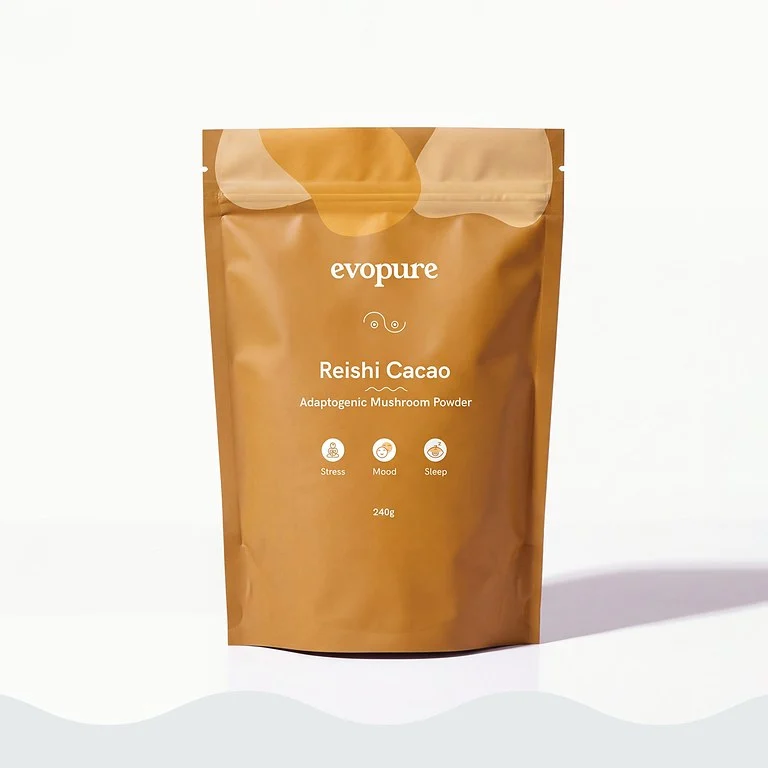
This guide is general information, not medical advice. Evopure makes the Magnesium Glycinate Sleep Complex and Reishi Mushroom Adaptogenic Complex.